010-6097 4119Book a Demo


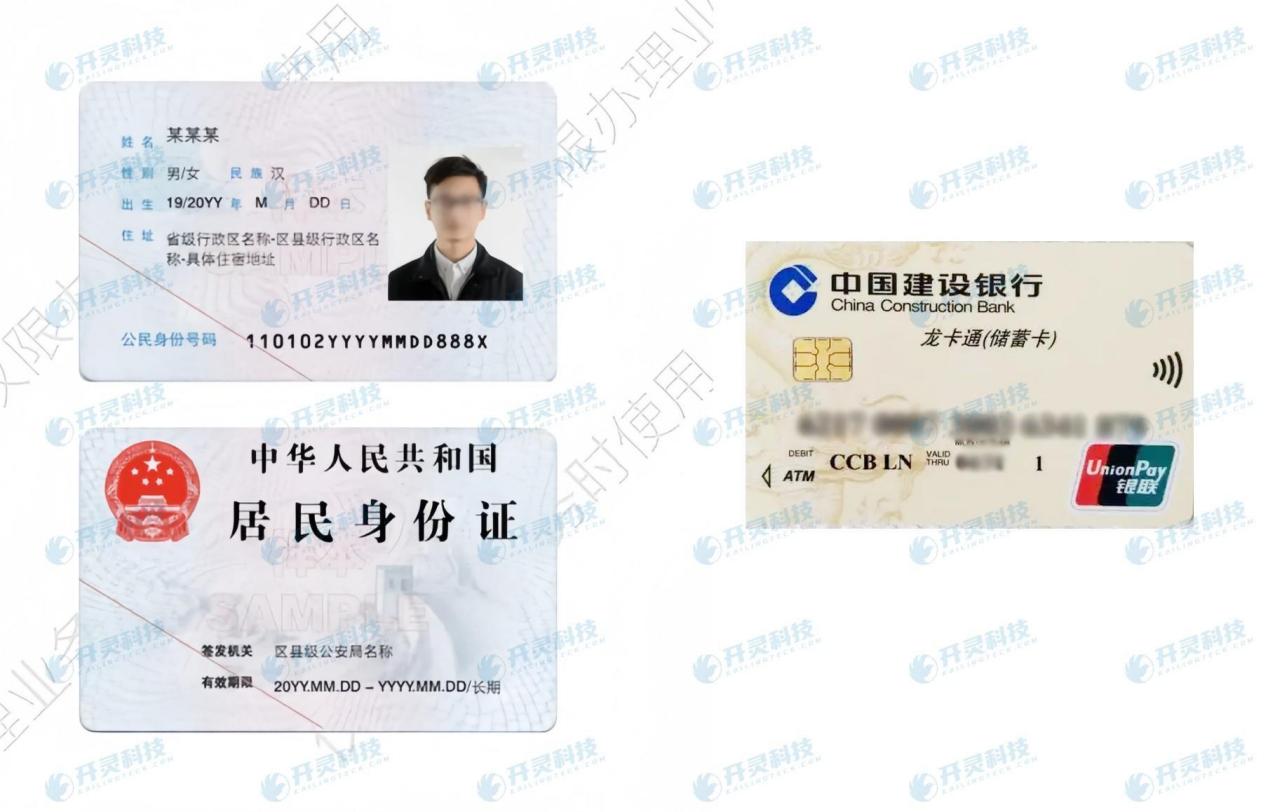
Kailing Technology Reverse Invoicing System: Solving the Pain Points of the Resource Recycling Industry, Restructuring the Entire Business Process, Dual Assurance of Efficiency and CompliancePublished: 2025-10-27 17:22 Against the backdrop of the rapid development of the current resource recycling industry, traditional offline business management models are increasingly exposing pain points such as low efficiency, high risks, and difficult collaboration. To solve common industry challenges, Kailing Technology has launched the reverse invoicing system, driving enterprises from "people running with paper documents" to "data-driven," achieving digital, automated, and compliant upgrades across the entire business process. I. Pain Points and Challenges: Analysis of Resource Recycling Business Scenarios Without System SupportIn the resource recycling industry, which had not yet introduced informatization systems, the traditional offline management model was like a "manual workshop," with the entire process relying on paper document transmission and manual operations. This was not only inefficient with high labor costs, but also faced severe compliance risks and tax audit pressure, becoming a core bottleneck constraining companies' large-scale development. (1) Full-process offline fragmentation: every step is an "efficiency trap" The core pain point of traditional recycling business lies in "information gaps"—key links from contract signing to payment for goods are all advanced offline and on paper, data cannot be shared between links, and a large amount of time is consumed in document transmission, manual verification, and repeated entry. 1. Contract signing and information collection: the chaos of the "paper archive repository" The first step of business launch faces an efficiency bottleneck: contracts must be signed offline with suppliers, while core information such as front and back images of ID cards, bank cards, and mobile phone numbers must be manually collected. These paper materials are not only easy to lose and damage, but also require dedicated personnel to organize and archive them; subsequent inquiries require searching through physical files, which is time-consuming and error-prone. If supplier information changes, offline coordination must be repeated, doubling communication costs.
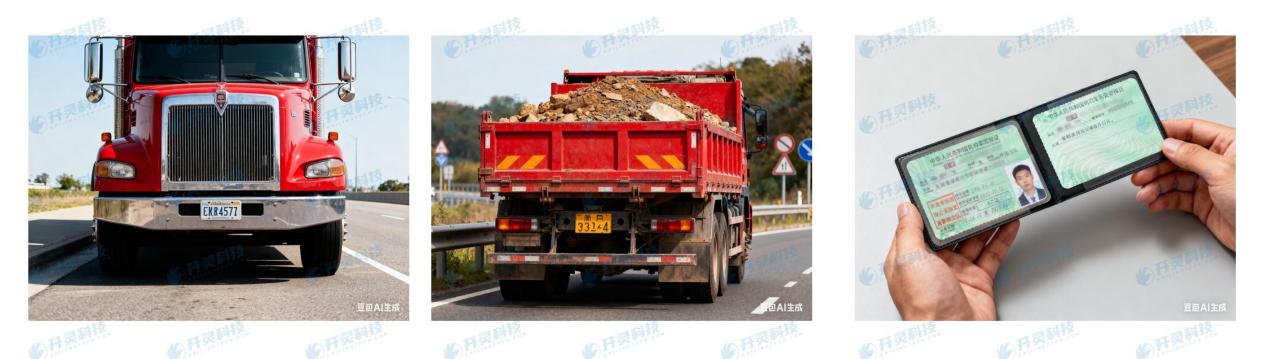
2. Vehicle delivery and weighing registration: Loopholes in "manual photo taking + handwritten records" After the vehicle delivers goods, photos of the front, rear, and driving license must be taken manually, and the photos must be manually transferred to the weighbridge room; when the goods are weighed, the weighbridge operator must record weight, date, license plate number, and other information on a paper weighbridge ticket, then pass the paper weighbridge ticket to the warehouse and finance. In this process, photos are easily missed, weights are easily written incorrectly, and vehicles have no trajectory records, so once a cargo ownership dispute arises, there is no evidence to check.
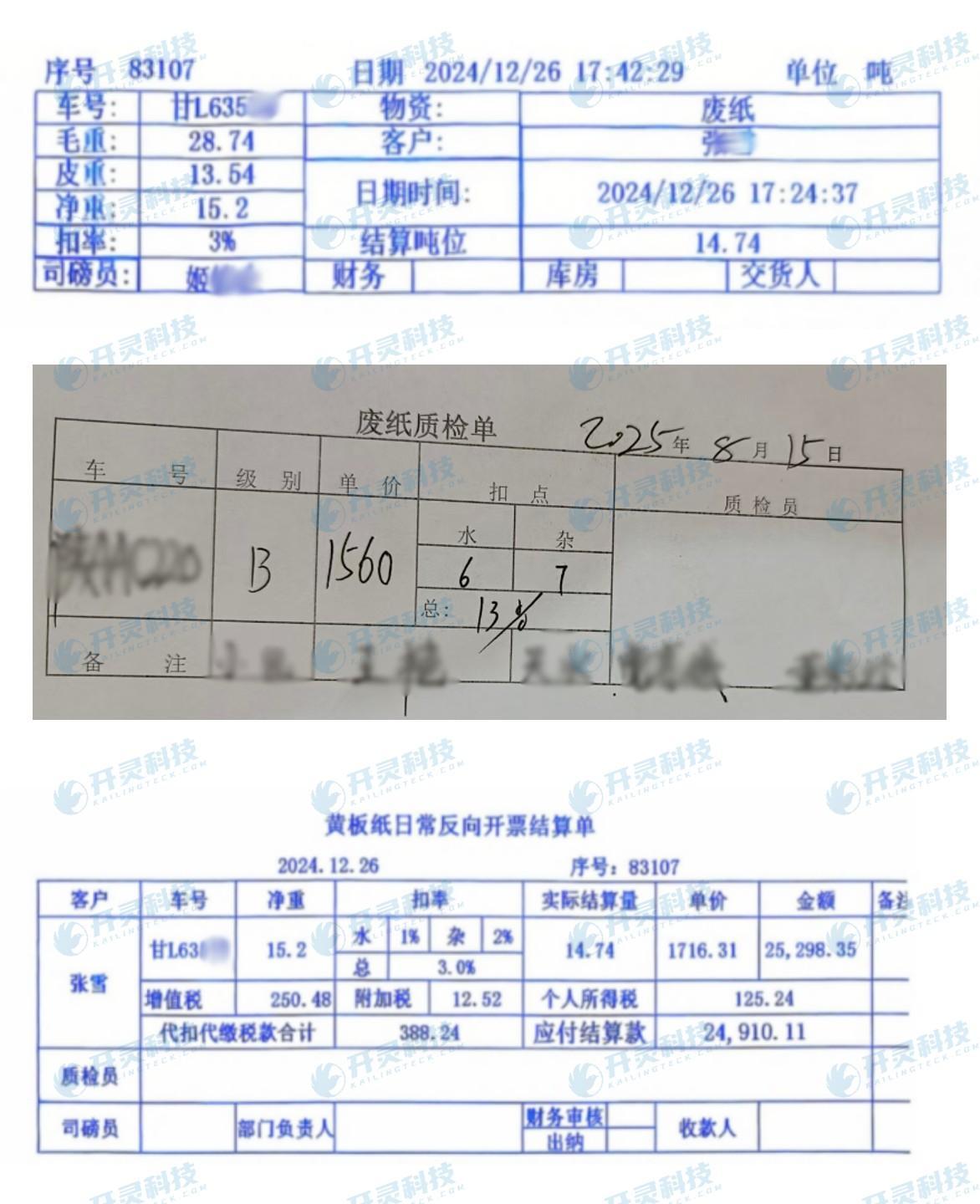
3. Quality inspection and settlement: The internal friction of "running errands for documents"Goods quality inspection requires filling in a paper quality inspection form, marking information such as moisture and impurity deduction rate, grade, and unit price, which is then manually passed by the inspector to the weighbridge room; the weighbridge room manually calculates the settlement tonnage and amount based on the paper weighbridge slip and quality inspection form, generates a paper settlement slip, and submits it to finance. In the settlement step alone, finance personnel need to check the weighbridge slip and quality inspection form data one by one, with each settlement slip taking more than 20 minutes to verify. If data inconsistencies occur, coordination is required back and forth among the warehouse, weighbridge room, and quality inspection team, further slowing progress.
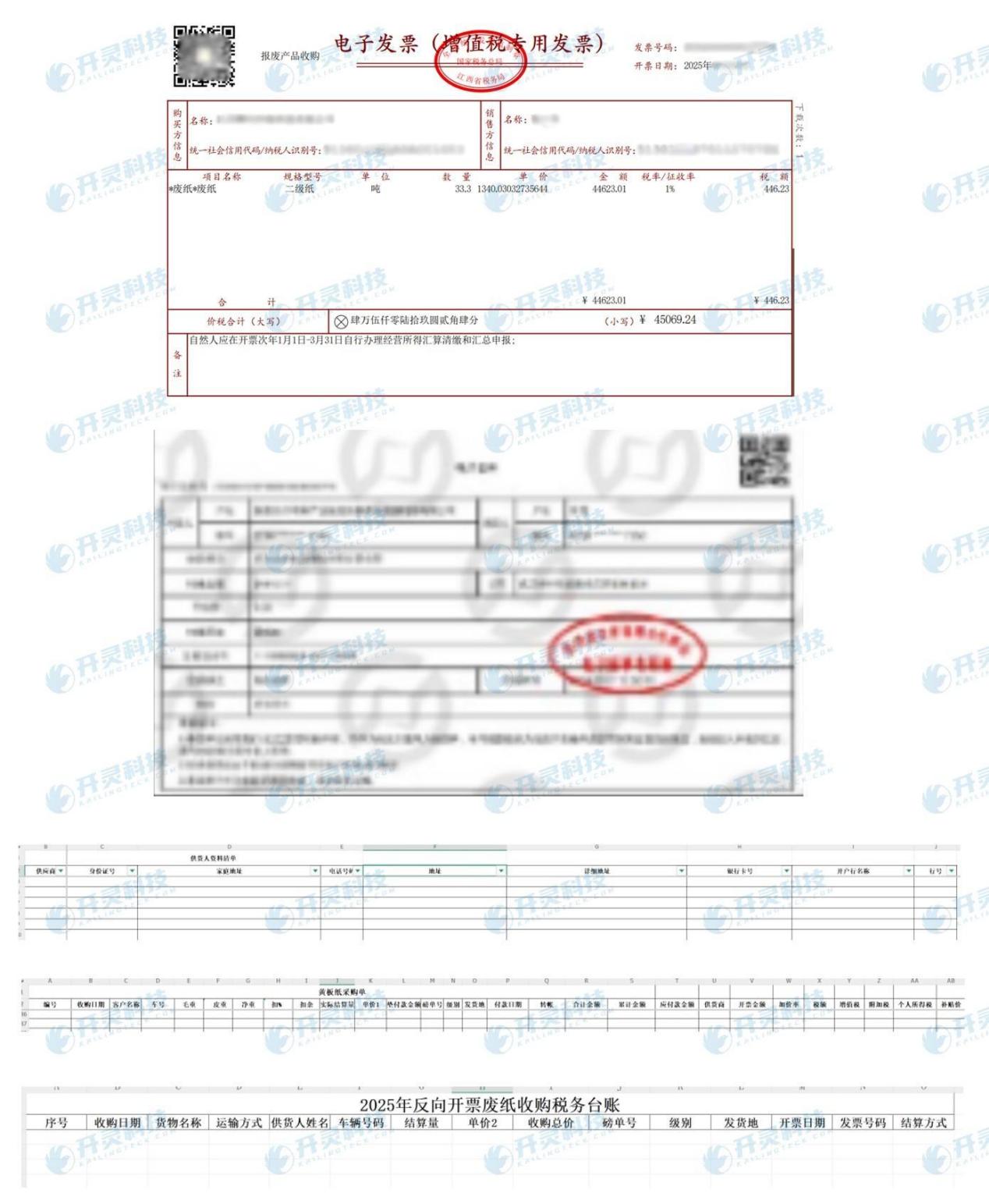
4. Invoicing and payment: the compliance risks of "offline errands"Finance needs to log in offline to the electronic tax bureau to issue invoices one by one. Before invoicing, it is necessary to manually contact suppliers to confirm the invoicing quota. If the supplier has a low education level, communication and confirmation can take 1-2 hours per order; after invoicing, payment must be made offline via bank transfer, and then electronic receipt screenshots must be manually collected and matched with invoices and settlement statements for archiving. In the entire invoicing and payment process, processing a single invoice takes more than 40 minutes. A 5-person finance team operating at full capacity can only process an average of 50 orders per day, far below the actual business demand of 200+ orders.
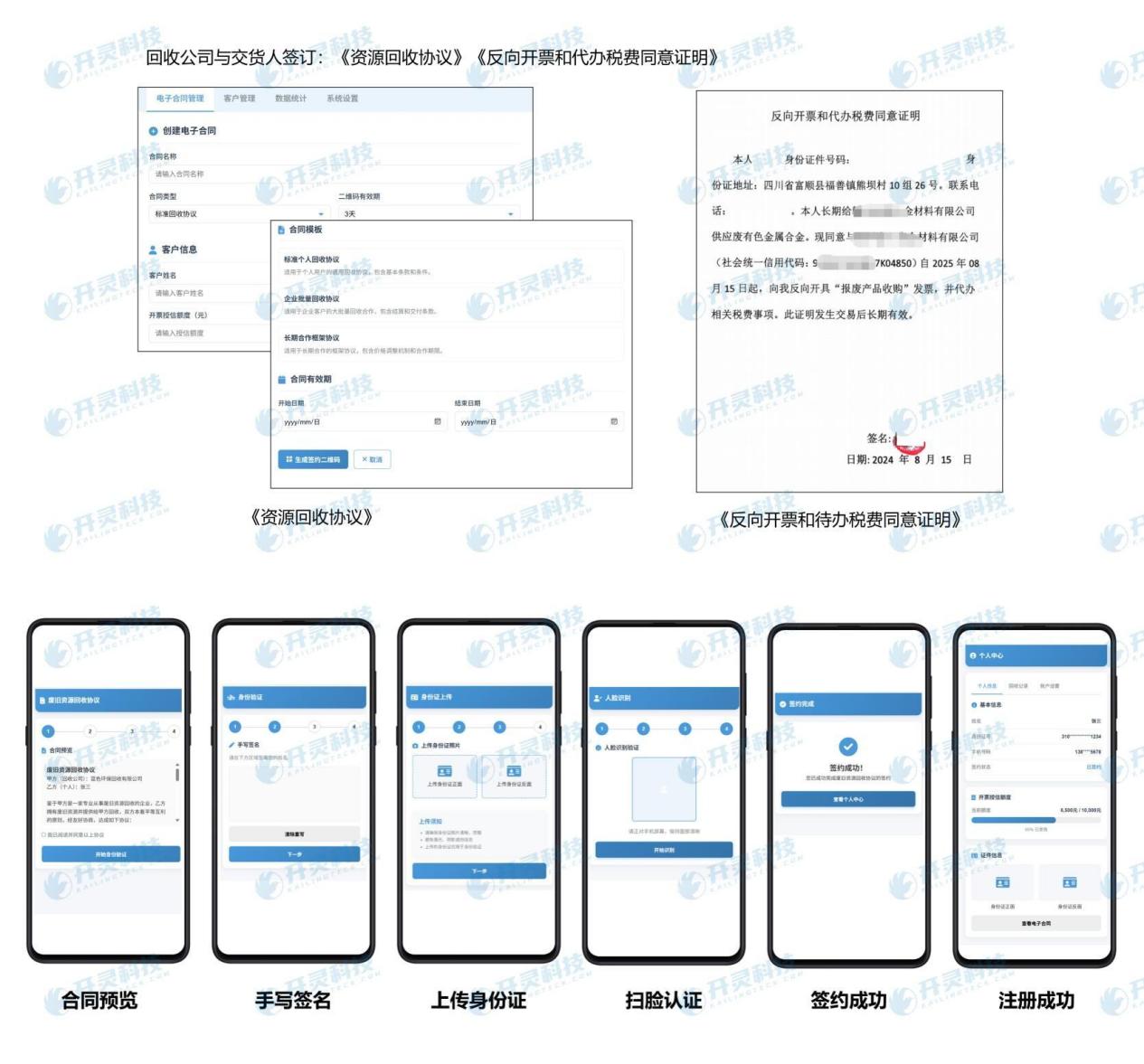
(2) Compliance "running naked", with tax audits becoming a "sword hanging overhead" Under the traditional model, the compliance risks of resource recycling enterprises run through the entire process, especially in the two core links of "invoices" and "ledgers," where loopholes are significant: 1. Invoice Issuance for Individuals Challenges: Dual Pressure from Tax Burden and RiskMore than 60% of upstream suppliers in resource recycling are individual recyclers. Such suppliers have no invoicing qualification and cannot provide compliant input VAT invoices. To expense costs, enterprises need to assist individuals in offline invoice issuance, but during this process, untimely information verification and non-standard invoice issuance procedures often cause the tax burden rate to surge from 8% to 13%; moreover, some businesses, lacking input VAT invoices, face audit risk of "false invoicing," and once found in violation, face heavy fines. 2. Missing "Three-Document Comparison": no basis for business authenticityThe core regulatory requirement of tax authorities for resource recycling business is the consistency of the "three documents" of contract, weighbridge ticket, and payment slip. However, under the traditional model, paper documents are scattered across different departments and require manual aggregation for verification, with 30% of orders having information inconsistencies. Once facing a tax audit, enterprises need to hastily piece together various paper documents, and even after weeks it is still difficult to form a complete evidence chain, facing the risk of back taxes and fines. 3. Chaotic ledger registration: the audit nightmare of "manual ledgers"After business completion, supplier ledgers, acquisition ledgers, and invoicing ledgers must be manually registered. The three ledgers are manually recorded by different positions, making data errors and omissions likely. These ledgers not only cannot be updated in real time, but also cannot be linked to business documents. During tax audits, one must "search through boxes for evidence," resulting in extremely low response efficiency. (3) Inefficient supply chain collaboration, capital turnover trapped in a "vicious cycle" The traditional offline model not only drags down internal enterprise efficiency but also affects collaboration with upstream and downstream parties: taking cooperation between upstream suppliers and downstream deep-processing enterprises as an example, due to time-consuming document verification, the settlement cycle between the two parties is as long as 30-45 days, seriously tying up enterprise funds; at the same time, downstream enterprises cannot track source quality in real time, with annual handling costs from quality disputes exceeding 800,000 yuan, further intensifying supply chain conflicts. II. Kailing Technology Reverse Invoicing system empowerment: full-process online operation, automated reverse invoicing, five-flow integrationKailing Technology's resource recycling reverse invoicing system, centered on "business-finance-tax-invoice-archive integration," connects the entire process from contract signing to payment online. It not only thoroughly solves the efficiency and compliance pain points of traditional models, but also drives resource recycling enterprises to achieve the triple value improvement of "cost reduction, efficiency improvement and risk control," becoming the "standard solution" for industry digital transformation. (1) Full-process online linkage: from "manual legwork" to "one-click completion" Through "online platform + hardware linkage + data interconnection," the system reconstructs traditional offline links into an online closed loop, improving efficiency of each link by over 80%, completely bidding farewell to "paper document dependence." 1. Contract signing: complete "scan-code signing + information archiving" in 3 minutes Enterprises do not need offline contact. They can create standardized contract templates through the system, generate a signing QR code, and share it with suppliers; suppliers can scan the code to complete the entire process of "contract preview - handwritten signature - ID upload - facial recognition," and information is automatically archived in the system without manual organization. The system also supports preset "invoicing credit limits," avoiding the risk of over-limit invoicing from the source.
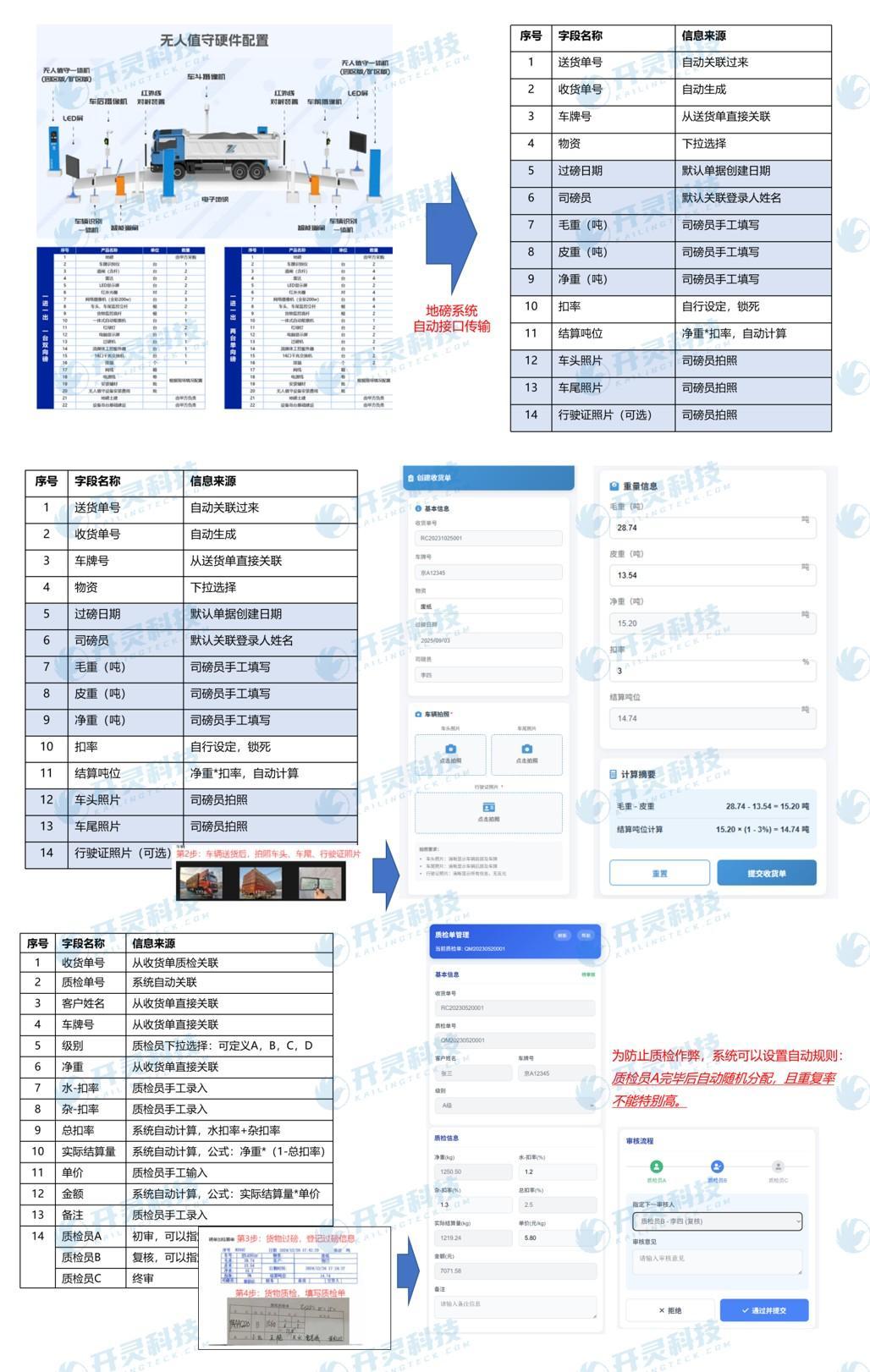
2. Weighing and quality inspection: Hardware linkage + intelligent anti-cheating, zero data errors The system connects to unattended weighbridge hardware. After a vehicle enters, the license plate number is automatically recognized; during weighing, the weight is uploaded to the system in real time, and photos of the front and rear of the vehicle are automatically taken by cameras without manual intervention; the quality inspection step supports "automatic assignment of inspectors." After moisture and impurity deduction rates, grade, and unit price are entered, the system automatically calculates the total deduction rate and actual settlement quantity, and the data is directly synchronized to the settlement module, eliminating manual calculation errors.
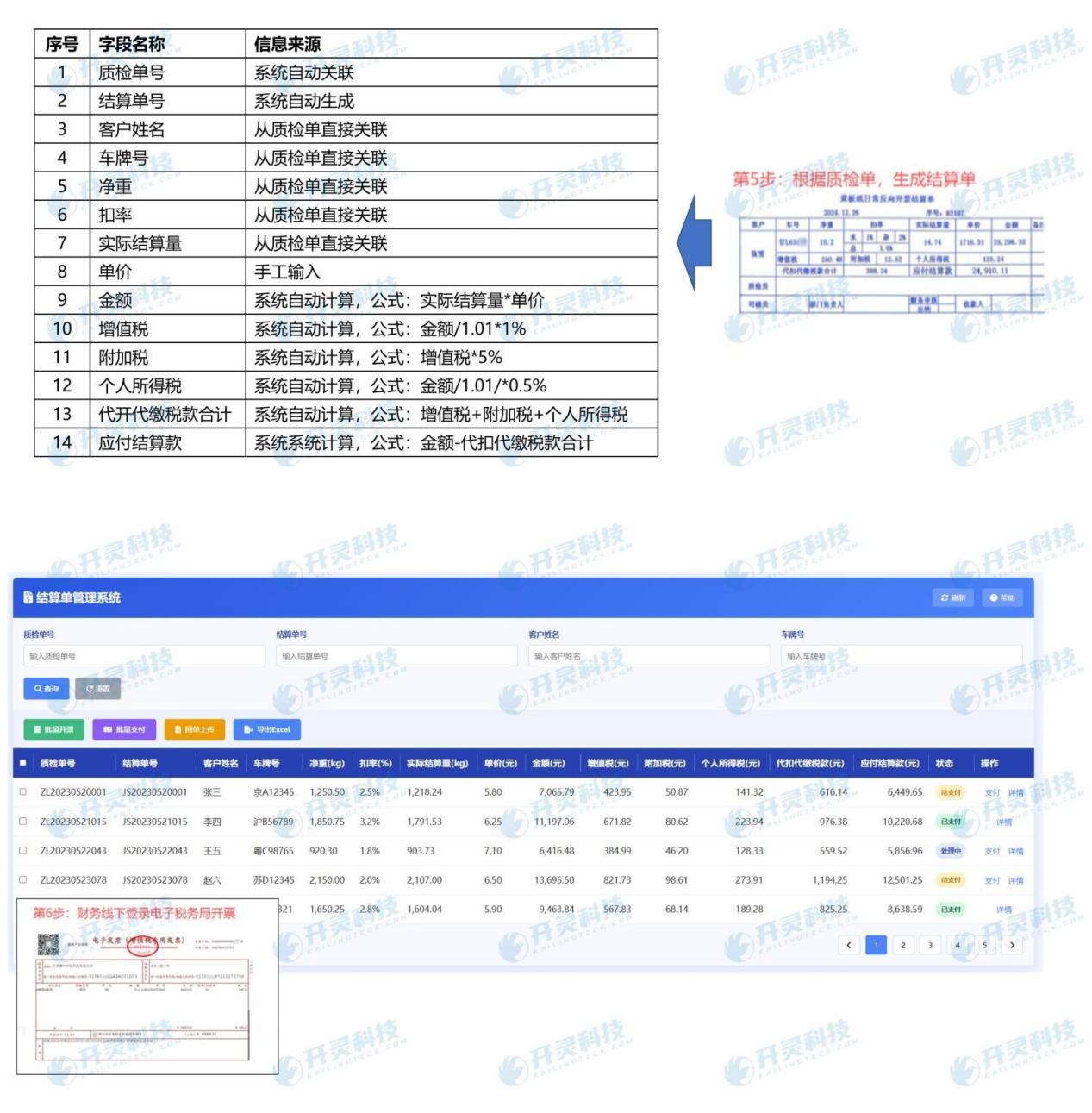
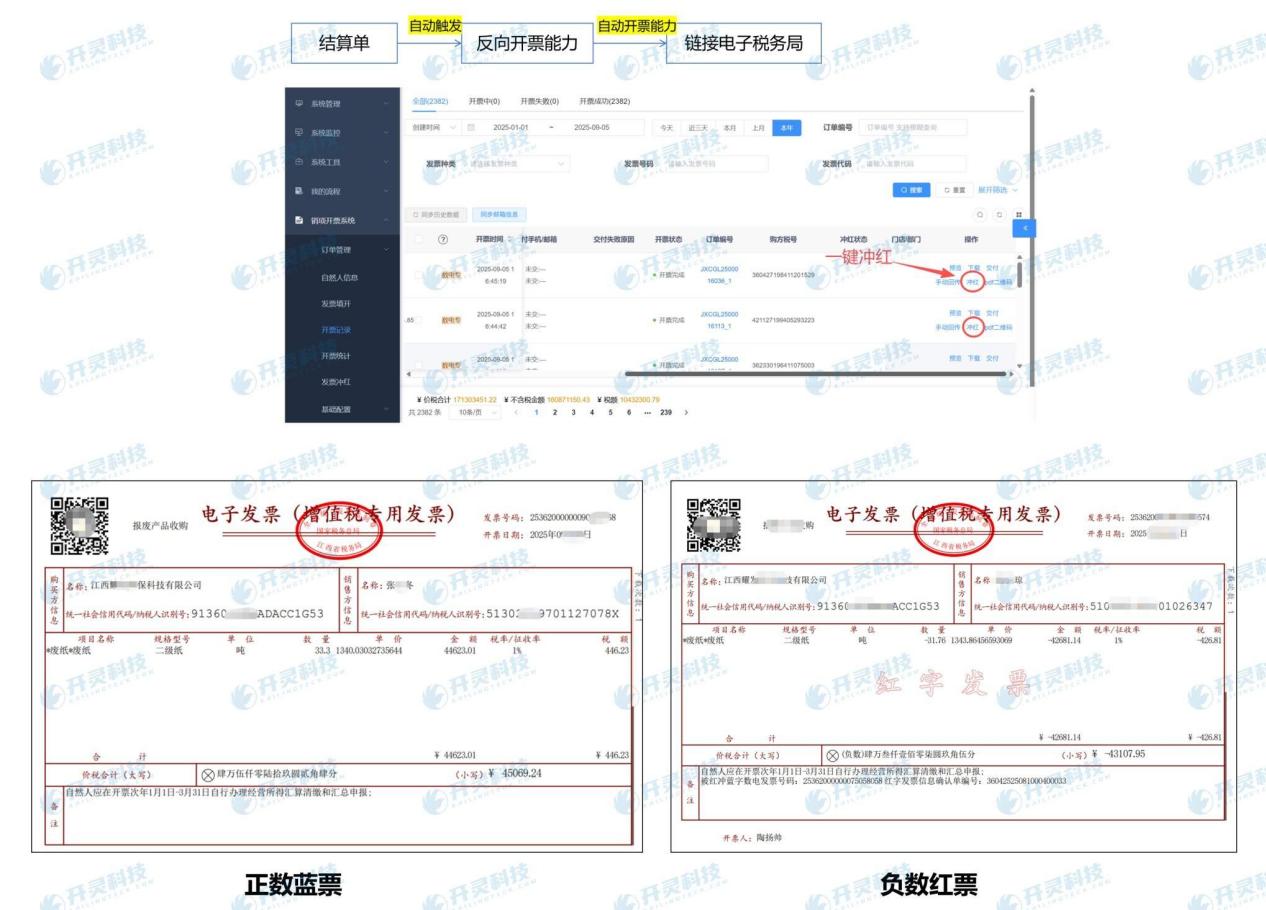
3. Settlement and invoicing: taxes automatically calculated and issued with one click, no need to log in to the tax bureau Based on quality inspection data, the system automatically calculates VAT, surcharges, and individual income tax and generates a settlement statement containing "total withholding and remitted tax" and "payable settlement amount," without manual financial calculation; at the invoicing stage, it directly connects to the Electronic Tax Bureau through an interface without manual login. The system automatically verifies the natural person's 5 million annual invoicing limit (automatically blocking if exceeded) and completes fully digitalized e-invoice issuance with one click, supporting positive blue invoice and negative red invoice management.
4. Payment and archiving: one-click payment + five flows in one, with automatic receipt storage The system supports two modes: "online one-click payment" and "offline payment receipt upload": online payment can connect to bank interfaces such as China Merchants Bank, directly initiate payment after invoicing is completed, and automatically archive receipts; offline payment supports uploading screenshots of bank receipts, and the system automatically associates settlement statements with invoices. Ultimately, it achieves the five-flow integration of "business contract, weighbridge ticket, quality inspection sheet, invoice, and bank receipt." All data is archived in real time to the electronic archive system, and when querying, entering the order number enables one-click retrieval, completely ending the dilemma of "digging through paper boxes to find documents."
(II) Comprehensive compliance upgrade: from "passive response" to "proactive prevention and control" The Kailing Technology Reverse Invoicing system deeply aligns with national tax regulatory requirements, with full-process traceability, fully searchable data, and full risk warning as its core, building a compliance moat for enterprises. 1. Five flows in one evidence preservation, giving you "confidence" to respond to audits The system links key data such as contracts, weighbridge records, quality inspection sheets, invoices, and payment receipts in real time, forming tamper-proof electronic archives and supporting blockchain evidence preservation to ensure business authenticity is traceable. During tax audits, enterprises do not need to hastily assemble documents; they only need to log into the system and export the full-process data of the corresponding order to meet the regulatory requirements of "business flow, fund flow, invoice flow, goods flow, and contract flow." 2. Full-cycle risk alerts, staying compliant without "crossing the line" The system has built-in multiple compliance validation rules: pre-event warnings for "natural person invoicing quota" and "identity authenticity"; in-process validation of "business authorization letters" and "evidence preservation completeness"; and automatic archiving of all data after the event,MeetPolicy requirements ensure enterprises fully enjoy the policy dividends they are entitled to. 3. Standardized invoice issuance for individuals, bringing tax burdens "down" In response to the pain point that individual suppliers lack invoicing qualifications, the system supports a model of enterprise reverse invoicing plus tax agency services: individuals complete authorization via WeChat mini-program, and the enterprise can then issue a "scrap product purchase" invoice for them and handle VAT, surcharges, and individual income tax filing and payment on their behalf, solving the difficulty of suppliers being unwilling to issue invoices. (3) Supply chain collaboration efficiency improvement: from "data silos" to "real-time interconnection" The system not only optimizes internal enterprise processes, but also breaks down "data silos" between upstream and downstream, driving a leap in supply chain collaboration efficiency. Take the cooperation between an environmental protection enterprise and a paper products enterprise as an example: after the system went live, the paper products enterprise could query data such as the weighed weight and quality inspection grade of the goods in real time, without waiting for offline document delivery, and the cost of handling quality disputes dropped from hundreds of thousands of yuan per year to tens of thousands of yuan; at the same time, the settlement cycle was shortened from 30-45 days to within one week, helpingThisEnvironmental protection enterprises released millions of yuan in cash flow and, with digital collaboration advantages, becameThisExclusive supplier in the core region of a paper products enterprise, with order volume increasing by 30%. The Kailing Technology Reverse Invoicing system is not merely the implementation of a technical tool, but a key infrastructure for the digital transformation of the resource recycling industry. By building a full-process closed-loop management of "contract—delivery—quality inspection—settlement—invoicing—payment—archiving," the system truly achieves efficient business operations, visualized data, and controllable risks, helping enterprises improve quality through compliance and grow through efficiency. If you also wish to break free from the constraints of traditional models and build an intelligent, compliant, and efficient resource recycling business system, welcomeConsultationKailing Technology, we will provide you with professional, reliable, and full-scenario business-finance-tax digital solutions:https://www.kailingteck.com/h-col-127.html 。 As a comprehensive business-finance-tax digitalization solution service provider, Kailing Technology provides business-finance-tax management digital transformation products and operational services for various government agencies, institutions, and large, medium, and small enterprises. The product line includes: Solutions for sales contract management system, procurement contract management system, fully digitalized Leqi interface project, automatic output VAT invoicing system, invoice issuance for individuals system, employee expense control and reimbursement system, input VAT invoice management system, supply chain collaborative reconciliation system, imaging OCR recognition system, automatic financial bookkeeping system, electronic accounting archives system and other businesses, comprehensively advancing the digitalization process across various fields. If you have any business-finance-tax digital transformation needs, welcome to contact us. Beijing Kailing Technology will serve you wholeheartedly.
|