010-6097 4119Book a Demo


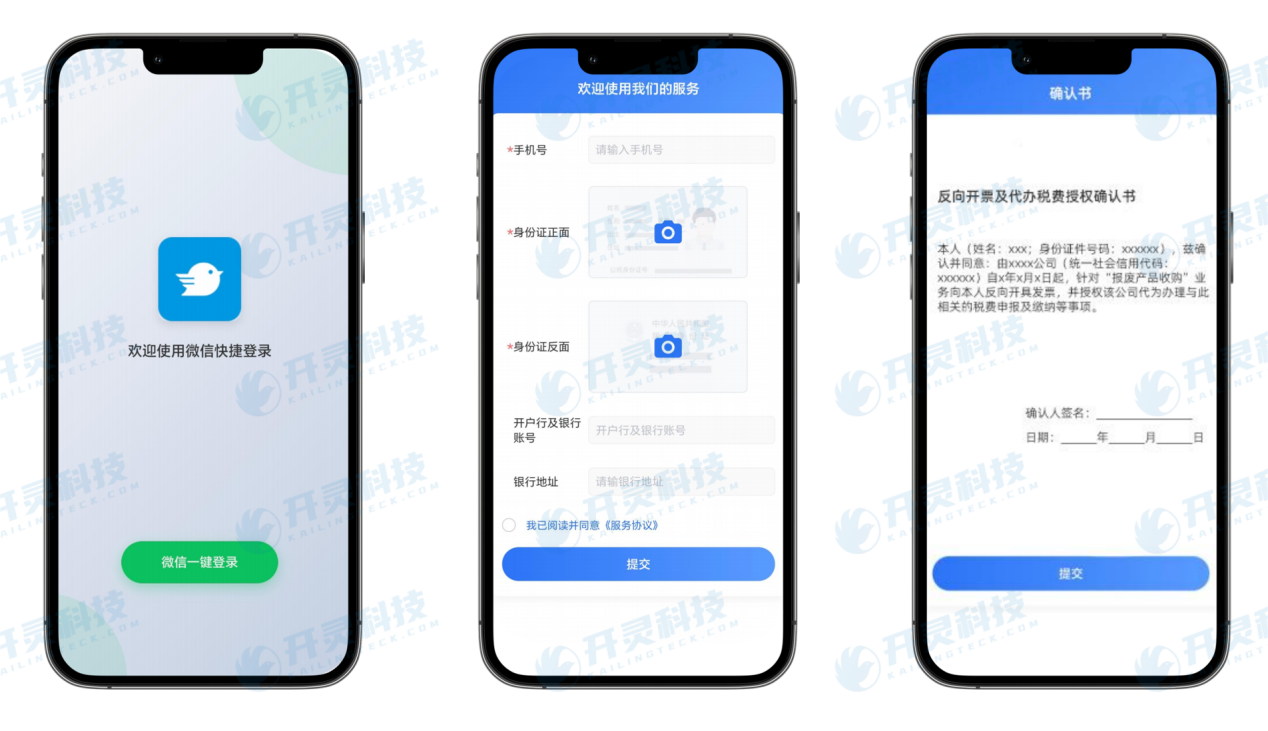
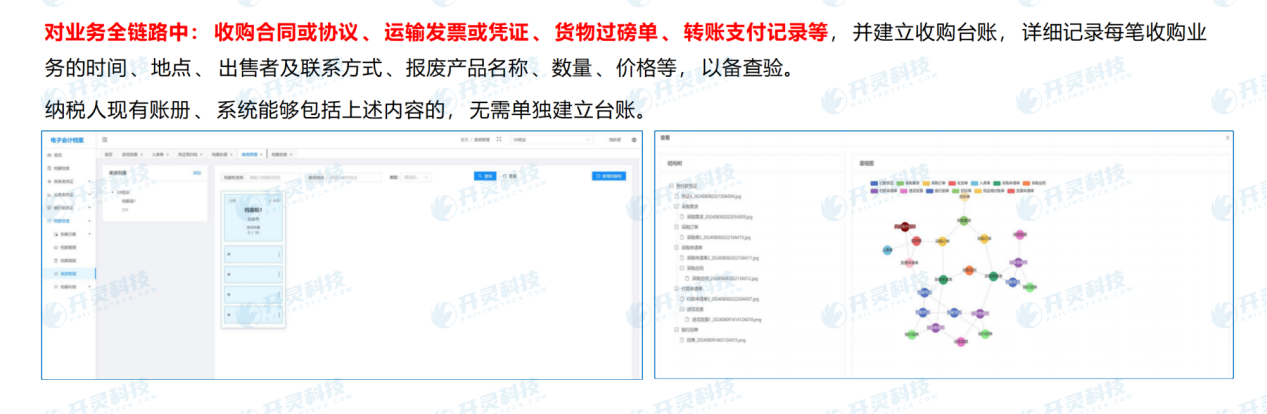
Precautions for agricultural product procurement reverse invoicing, how does Kailing Technology's solution avoid risks?Published: 2025-08-07 17:14 In the agricultural product procurement industry, reverse invoicing has become a key link for enterprises' compliant operations. According to Article 18 of the Invoice Management Measures of the People's Republic of China, reverse invoicing allows purchasing units to issue invoices to payees in specific scenarios (such as agricultural product procurement), to solve problems such as farmers' low willingness to issue invoices and enterprises' difficulty in input deduction. However, this process involves complex tax audit risks and evidence chain management challenges. I. Core precautions for agricultural product procurement reverse invoicingAlthough reverse invoicing is permitted by policy, enterprises must strictly comply with regulatory requirements during implementation to avoid tax audits or false invoicing risks caused by improper operations. The following are key considerations, based on the relevant provisions of the Invoice Administration Measures of the People's Republic of China and the Interim Regulations on Value-Added Tax: 1. Policy Compliance RequirementsReverse invoicing applies to the fields of agricultural product purchase or resource recycling,Enterprises must ensure that invoicing scenarios comply with the legal definitions, for example: ▪ The payee (farmer) must be a natural person, and the enterprise as the payer proactively issues the invoice. ▪ A complete evidence chain must be retained, including contracts, payment records, logistics documents, etc., to prove the authenticity of the transaction. Otherwise, the tax authorities may pursue liability on the grounds of a "missing evidence chain," resulting in back taxes or fines. 2. Transaction authenticity managementThe industry pain point lies in the scattered distribution of individual sellers (such as farmers) and their low willingness to issue invoices, which easily puts enterprises at risk of a "weak evidence chain." ▪ Information authenticity: farmer identities must be verified by real name to avoid invoicing with false information. ▪ Complete transaction records: each transaction must record time, location, product details (such as name, quantity, price), and establish electronic ledgers. If the system is already networked and integrated, it can replace manual ledgers, but data must be traceable. 3. Tax filing and withholding obligations▪ VAT: agricultural products are generally tax-exempt, but the applicable policy needs to be clarified. ▪ Individual income tax: prepay at 0.5%, must be accurately calculated and filed via direct connection to the tax system. Error point: if withholding or filing is not done in time, it may be regarded as tax evasion and face audit penalties. 4. Risk Monitoring and Audit PreparationChina Golden Tax Phase IV strengthens "tax governance by data," requiring "five-flow integration" (contract, logistics, capital, invoice, and data flows). Notes: ▪ Archiving materials must include acquisition contracts, weighbridge tickets, payment vouchers, etc., supporting "one-click export" for inspection response. II. How does the Kailing Technology Reverse Invoicing digital solution avoid risks?To address the above pain points,Kailing TechnologyThrough full-process automated design, proactive risk control is achieved,Covers the closed loop from farmer registration to tax filing, ensuring both compliance and efficiency improvement. 1. Solution architecture and core functions▪ Technical foundation: the front end uses a farmer mini-program and enterprise PC backend, and the back end integrates OCR, electronic signatures, and blockchain evidence storage to ensure data cannot be tampered with. The data layer connects to weighbridges, ERP, and banking systems for real-time synchronization, eliminating the risk of manual intervention. ▪ Core modules: including individual registration, contract management, intelligent invoicing, tax monitoring, and supply chain collaboration. For example, contract templating and electronic signing functions shorten signing time from hours to minutes and eliminate the risk of losing paper contracts. 2. Specific applications of risk avoidance mechanismsThe solution proactively blocks risk points through intelligent functions: ▪ Pre-event prevention: real-name authentication of natural persons and contract management - Farmers scan the enterprise QR code via the mini program, upload ID card and bank card information, and OCR automatically recognizes and creates a file, ensuring identity authenticity. - Electronic contracting function for online signing of the Procurement Contract and Reverse Invoicing Authorization, with blockchain evidence preservation generating judicially recognized evidence, solving the pain point of "missing evidence chain." Tests show that the evidence retention rate reaches 100%, and the audit pass rate increases to over 95%.
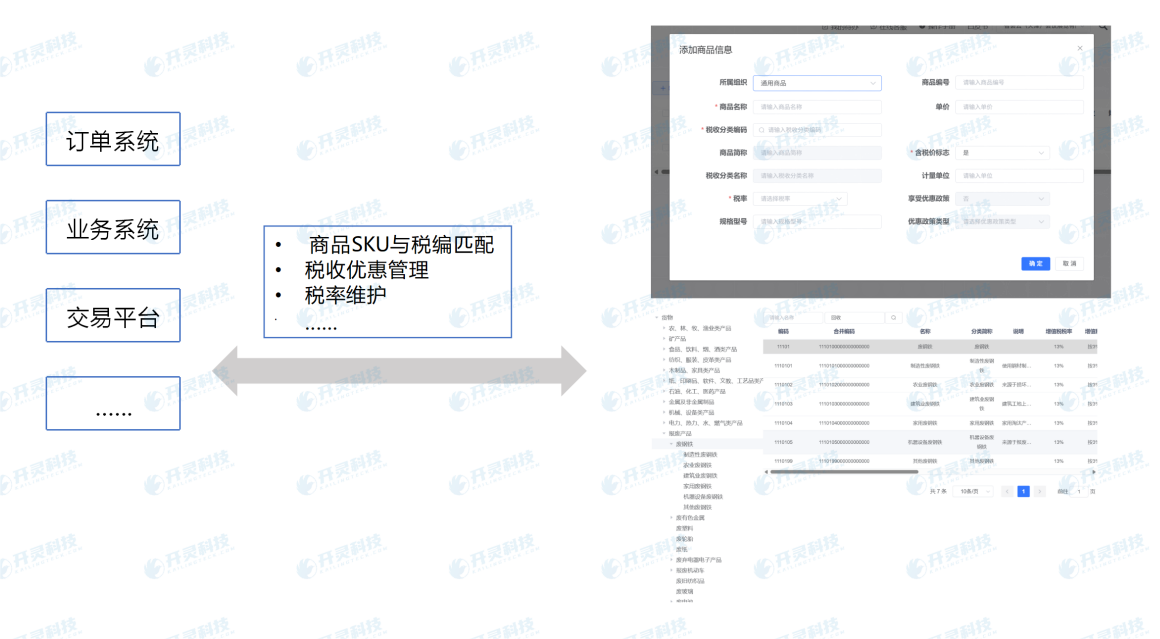
▪ In-process control: intelligent invoicing and risk blocking - The one-click invoicing function automatically fills invoice information based on weighbridge data and supports batch processing, reducing invoicing time from 20 minutes per order to 3 minutes per order. - Intelligent tax item matching: product SKUs are automatically linked to tax codes, avoiding mis-issuance and missed invoicing risks and ensuring accurate tax rate application.
▪ Post-event monitoring: tax management and evidence archiving - Automatically calculate withheld taxes and fees, connect directly to the Electronic Tax Bureau to generate filing forms, and reduce human error. - The evidence chain archiving module collects contracts, weighbridge tickets, payment records, etc., and supports one-click export for audits.
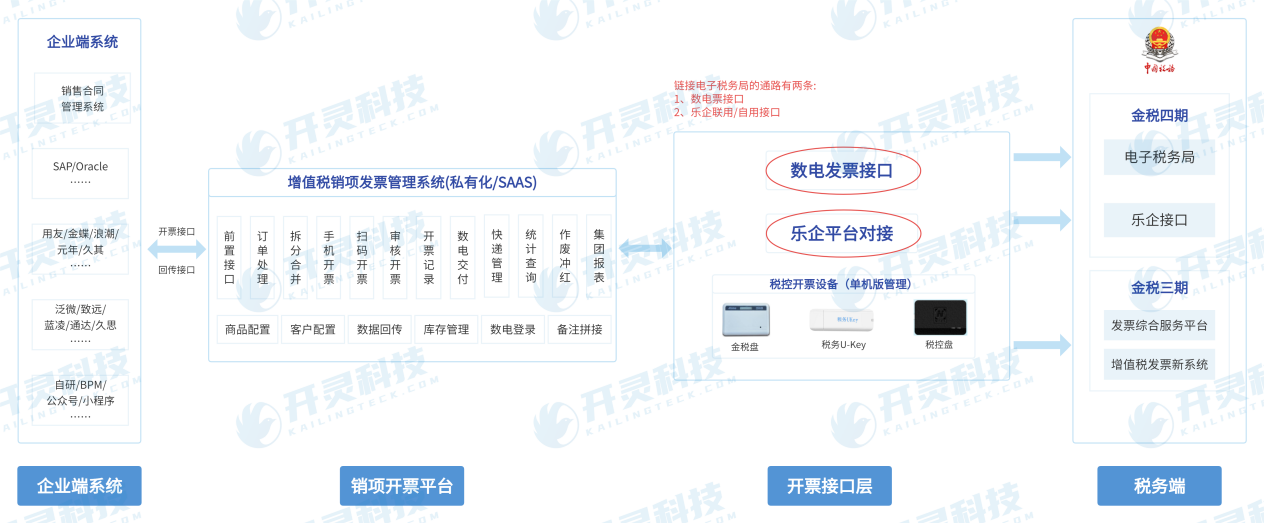
▪ Supply chain collaboration risk control - The supplier rating system screens high-quality farmers based on delivery quality and timeliness data, reducingTransactionRisks (such as fake transactions). 3. Optimal selection of system interfacesIn terms of interface selection, the Kailing Technology solution supports the Leqi interface and the fully digitalized e-invoice interface, but there are clear differences between the two. Choosing the Leqi interface has certain qualification restrictions for enterprises, while also offering clear advantages. Enterprises can choose according to their own conditions. - Operational Efficiency: No need for enterprise personnel to log in to the Electronic Tax Bureau daily; the system automatically completes data interaction, reducing manual intervention。 - Stability: relying on the Leqi platform's dedicated line connection capability, ensuring the invoicing process is unaffected by login status or network fluctuations。 - Security: through encrypted transmission and permission control, it ensures enterprise tax data security and meets the regulatory requirements of China Golden Tax Phase IV.
In the future, with the continuous development of agricultural product circulation and the ongoing upgrading of tax supervision, achieving full-chain compliance and efficient operations for reverse invoicing through digital tools will become key to enhancing enterprise competitiveness. Kailing Technology will also continuously iterate its technical solutions, helping more agricultural product procurement enterprises reduce costs and increase efficiency while operating compliantly, promoting healthy and sustainable industry development:https://www.kailingteck.com/h-col-127.html 。 As a comprehensive business-finance-tax digitalization solution service provider, Kailing Technology provides business-finance-tax management digital transformation products and operational services for various government agencies, institutions, and large, medium, and small enterprises. The product line includes: Solutions for sales contract management system, procurement contract management system, fully digitalized Leqi interface project, automatic output VAT invoicing system, invoice issuance for individuals system, employee expense control and reimbursement system, input VAT invoice management system, supply chain collaborative reconciliation system, imaging OCR recognition system, automatic financial bookkeeping system, electronic accounting archives system and other businesses, comprehensively advancing the digitalization process across various fields. If you have any business-finance-tax digital transformation needs, welcome to contact us. Beijing Kailing Technology will serve you wholeheartedly.
|