010-6097 4119Book a Demo


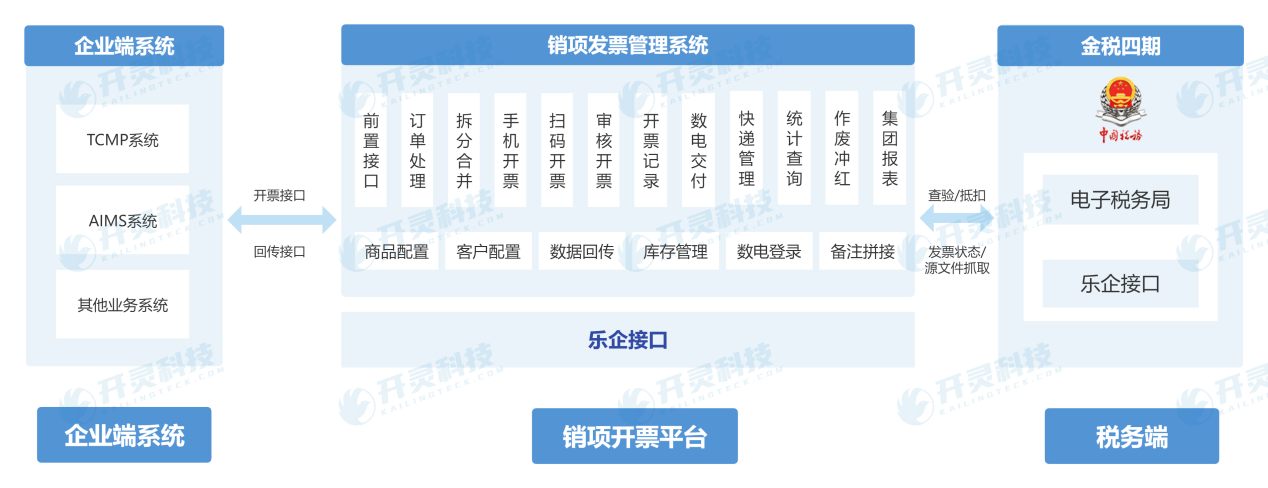
New Trends in Business-Finance-Tax Digitalization Upgrade Services: From Process Optimization to Business-Finance-Tax Integration TransformationPublished: 2025-05-23 16:07 With the comprehensive advancement of China Golden Tax Phase IV, the tax management environment has undergone earth-shaking changes, and enterprises face stricter, more detailed, and more complex tax supervision requirements. The interconnection and real-time sharing of data have greatly improved the transparency of enterprise business-finance-tax information, and the possibility of tax risk exposure has also increased. If enterprises continue to use traditional business-finance-tax management models, they will not only find it difficult to meet compliance requirements, but will also miss many opportunities to optimize tax planning and improve management efficiency. Under this severe situation, it is urgent to leverage cutting-edge digital technologies to achieve comprehensive upgrading of business-finance-tax management. I. Pain points of traditional business-finance-tax processes1. Data silo problem: The enterprise's internal business system, financial system, and tax system each operate independently, and data cannot flow and be shared smoothly. For example, sales order data is transmitted between the business department and the finance department in an untimely and inaccurate manner, resulting in delayed invoicing information, affecting the timely collection of accounts receivable, and also increasing the complexity and error rate of tax filing. 2. Cumbersome manual operations: from invoice issuance, certification, and deduction to tax filing, a large amount of repetitive work relies on manual completion. This is not only inefficient and prone to errors and omissions, but also consumes substantial labor costs. According to statistics, under the traditional model, enterprise finance personnel spend an average of dozens of hours per month on invoice processing, and as business volume grows, this time cost rises linearly. 3. Weak risk control: traditional business-finance-tax management mostly focuses on post-event accounting and filing, lacking pre-event warning and in-process monitoring mechanisms for tax risks. Enterprises find it difficult to accurately identify potential tax risk points, such as invoice authenticity, duplicate reimbursement, and improper application of tax incentive policies. They often realize the severity of the problem only after a tax audit, facing huge fines and tax repayments, which deals a heavy blow to business operations. II. The trend of business-finance-tax integration transformation1. Process automation: Leveraging technologies such as artificial intelligence and robotic process automation (RPA) to achieve automatic invoice recognition, automatic issuance, automatic certification and automatic filing. For example, an intelligent invoicing system can automatically match customer, product, amount and other data based on sales order information in the business system, generating compliant invoices with one click, multiplying invoicing efficiency while greatly reducing invoice issuance error rates. 2. Data integration and sharing: break down data barriers among business, finance, and tax, build a unified data platform, and achieve real-time data interaction and sharing. Through data mining and analysis technologies, deeply analyze the business-finance-tax value behind business data to provide strong support for enterprise decision-making. For example, through in-depth analysis of sales data, predict market demand trends in different regions and for different product lines, make tax planning arrangements in advance, reasonably arrange inventory and production, and reduce tax costs while improving enterprise operational efficiency. 3. Intelligent risk management: Using big data analysis and machine learning algorithms, establish a comprehensive tax risk assessment model to monitor and alert on various tax risks facing the enterprise in real time. The system can automatically identify abnormal invoices, compare differences between invoice information and business data, promptly detect potential tax violations, and issue risk alerts to the enterprise, helping it take early measures to avoid risks and ensuring the healthy and stable operation of enterprise business-finance-tax management. III. Advantages of Kailing Technology business-finance-tax digitalization productsWith deep technical accumulation and rich industry experience, Kailing Technology has launched a comprehensive, intelligent business-finance-tax digitalization product, aiming to help enterprises smoothly complete business-finance-tax integrated transformation and enhance core competitiveness. (1) Comprehensive output VAT invoice management functions 1. Intelligent invoicing system: Supports full-scenario, dual-track invoicing modes, covering VAT paper invoices, electronic invoices, fully digitalized e-invoices and other invoice types. The system can automatically match invoice information based on preset enterprise rules to enable batch invoicing, meeting invoicing needs across different business scenarios. Meanwhile, invoicing data is synchronized to the tax system in real time, ensuring invoice compliance and data accuracy. 2. Intelligent configuration of invoice face information: Enterprises can customize key invoice face elements according to their own business characteristics and management needs, such as commodity codes, enterprise card information, and tax classification codes. The system also provides intelligent coding recommendations to help enterprises standardize the classification codes of goods and services and improve the refinement level of invoice management.
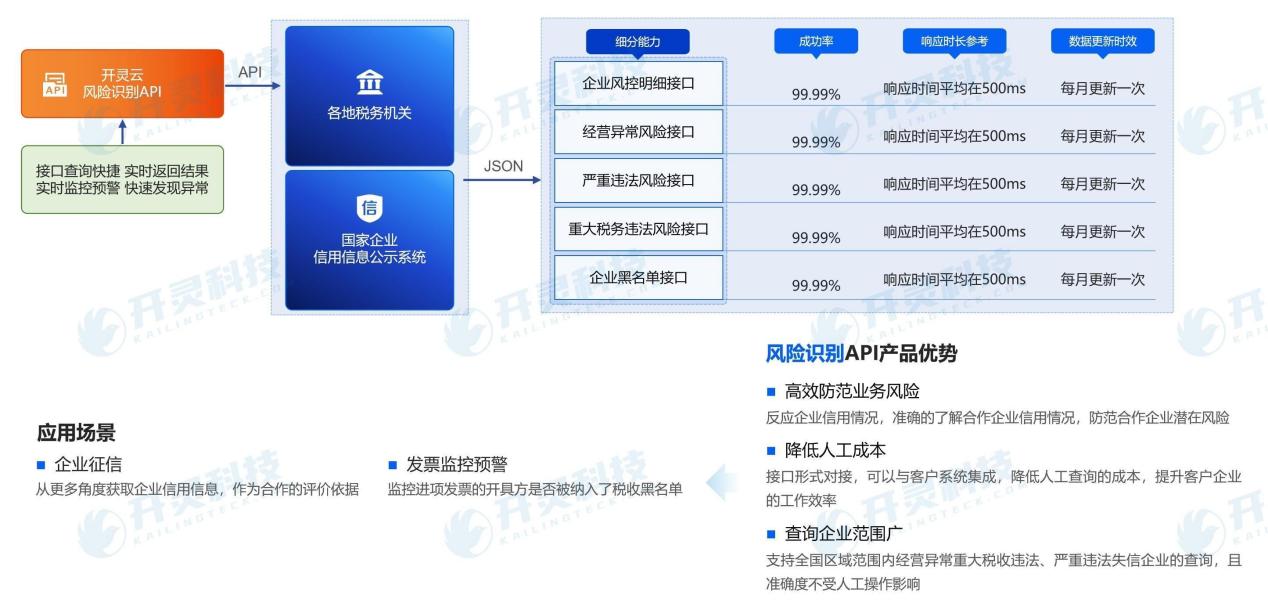
(2) Efficient input VAT invoice management functions 1. Centralized invoice pool management: through tax-enterprise direct connection technology, enterprises can obtain invoice data issued by suppliers in batches and automatically aggregate it into the invoice pool. The system manages invoices in all respects, including header tax number verification, invoice authenticity verification and duplicate checking, and automatic selection and certification, with no manual intervention, greatly saving labor and time costs. At the same time, invoice pool data can be queried and exported in real time, providing strong support for enterprise financial accounting and tax filing. 2. Abnormal invoice risk warning: With the help of an intelligent risk identification model, the system conducts comprehensive risk scanning of input VAT invoices. Once issues such as suspected authenticity, duplicate reimbursement, or non-compliant deduction rules are found, it immediately issues a risk warning to the enterprise and provides detailed abnormal information and handling suggestions, helping the enterprise avoid tax risks in a timely manner.
(3) Powerful supply chain collaboration management functions Kailing Technology's business-finance-tax digitalization products have built a supply chain collaboration management platform that closely connects core enterprises with suppliers, enabling real-time interaction of order information and invoice information. Core enterprises can formulate precise invoicing rules and invoice issuance plans based on order execution, while suppliers issue invoices promptly according to the rules and upload them to the platform. This process effectively shortens the invoice transmission cycle, accelerates capital turnover, and improves the operational efficiency and synergy of the entire supply chain.
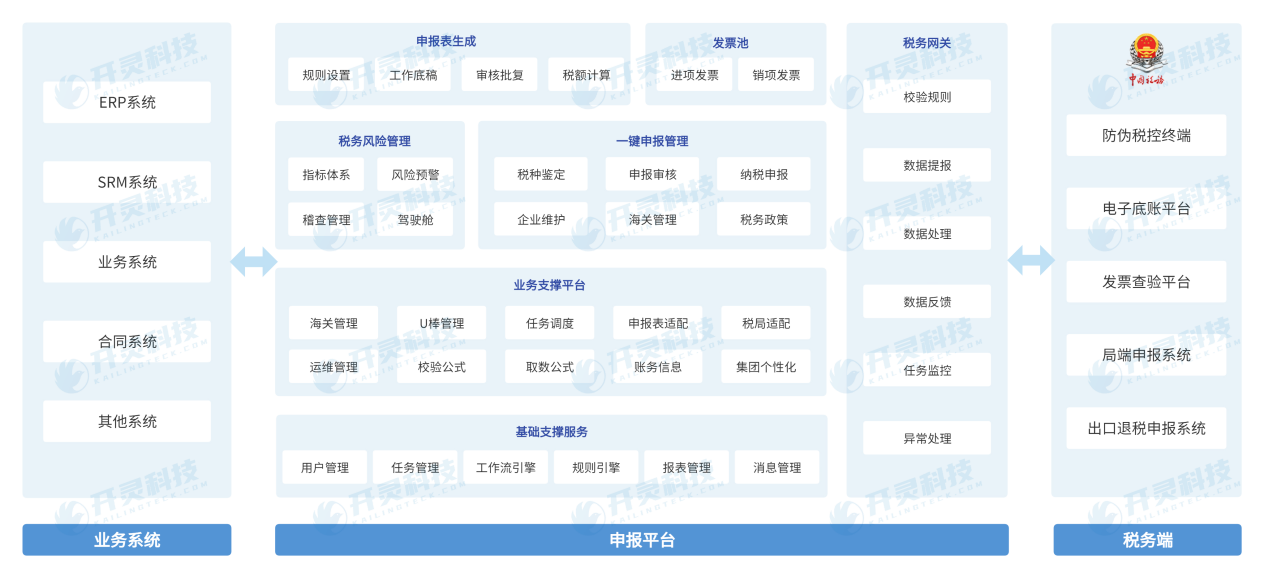
(4) Precise filing management functions 1. Intelligent filing for all tax types: the product has built-in filing logic and calculation rules for each tax type, automatically collects tax-related data from business systems and financial systems, and generates accurate tax filing forms. During the filing period, enterprises can complete batch filing for all tax types with one click, greatly improving filing efficiency and reducing the risk of filing errors and overdue filings. 2. Verification and analysis of filing data: After filing is completed, the system automatically verifies the filing data, compares the consistency of filing data with financial data and business data, and promptly identifies and corrects anomalies in the filing data. At the same time, the system provides rich filing data analysis reports to help enterprises gain an in-depth understanding of the tax payment situation for each tax type and provide a data basis for subsequent tax planning.
(5) Comprehensive risk management functions Integrate invoice data, tax data, financial data, and operational data from inside and outside the enterprise to build a multi-dimensional risk control model. Through deep mining and analysis of data, the system can precisely identify risks such as upstream supplier risks, downstream customer risks, VAT risks, income tax risks, and financial statement risks, and generate detailed risk control reports. Based on the risk alerts and optimization suggestions in the reports, enterprises can promptly adjust business strategies and business-finance-tax management measures to achieve controllable and minimized tax risks.
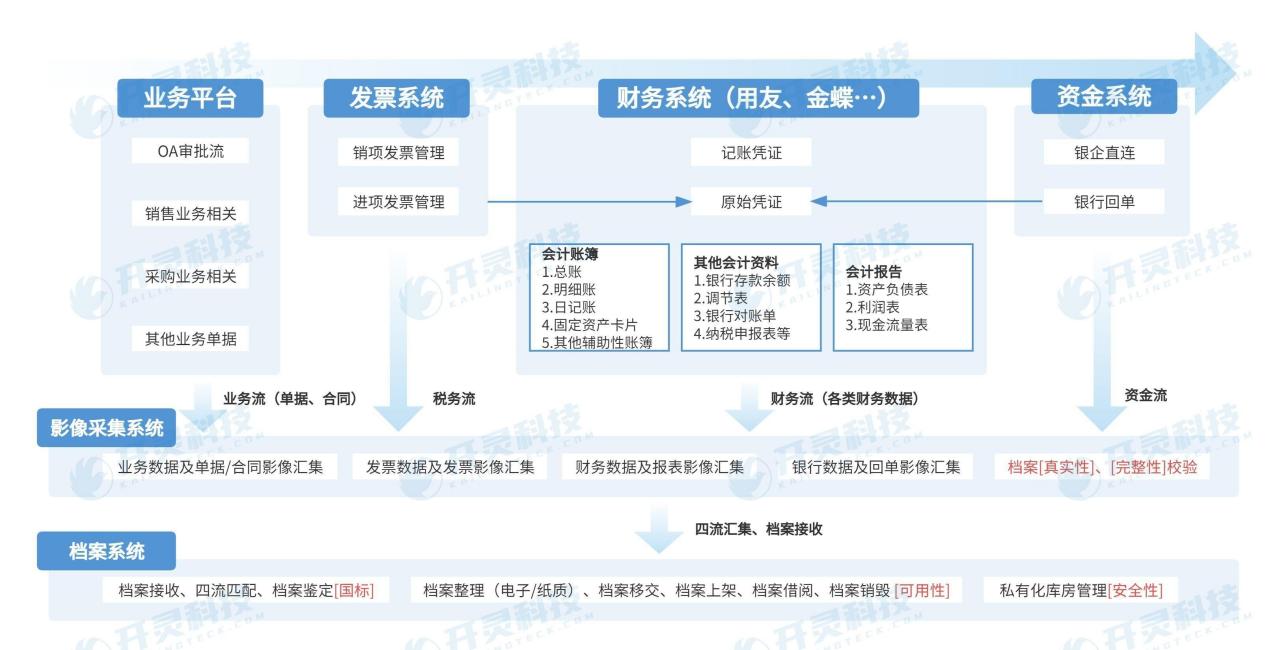
(6) Professional electronic accounting archives management functions Achieve paperless management of the full lifecycle of accounting archives from collection, organization, and archiving to query and utilization. The system automatically generates electronic accounting vouchers, electronic ledgers, and electronic financial statements that comply with national standards, and securely encrypts and backs up electronic archives. Enterprise personnel can quickly locate required archive materials through convenient retrieval functions, improving archive utilization, while also facilitating electronic tax audits and audits by tax authorities, creating a standardized, efficient, and environmentally friendly accounting archive management model for enterprises.
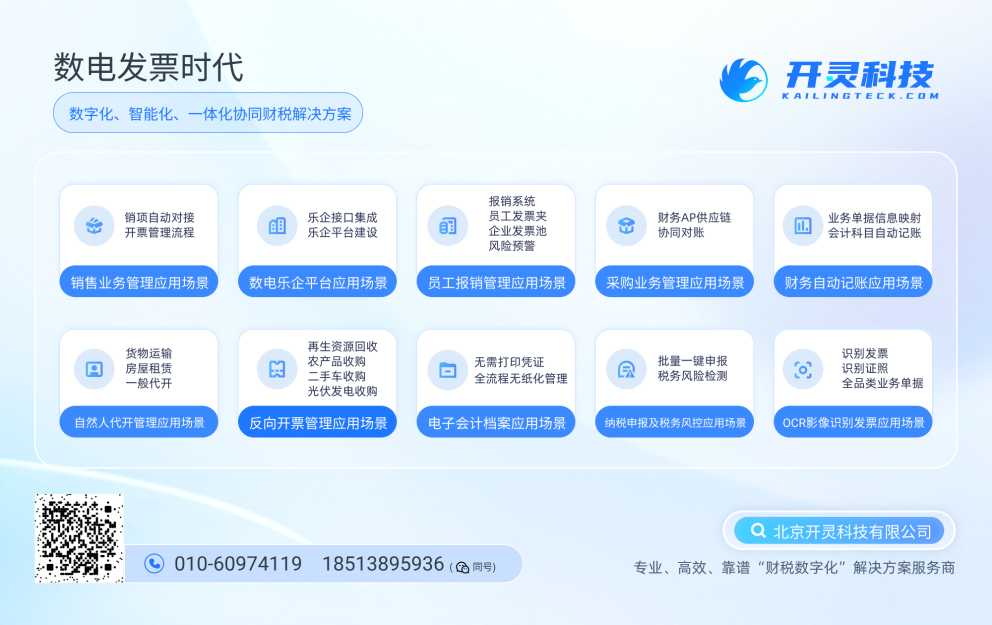
IV. The Diversity of Industry SolutionsKailing Technology has deep insight into the business characteristics and business-finance-tax management difficulties of different industries, and has tailored exclusive business-finance-tax digital solutions for many industries. 1. Financial industry: Deeply integrate "paper-electronic integration" technology with financial business to build a smart tax ecosystem for banks, insurance companies, and other financial institutions. Through system integration, achieve seamless connection between payment business and invoice issuance, improve tax-related data processing efficiency and service quality, reduce operating costs, enhance customer experience, and help financial institutions improve core competitiveness in the digital era. 2. Hotel industry: Providing a one-stop solution for the multi-scenario invoicing needs of the hotel industry. Covering various business links such as front desk check-in, dining consumption, and conference services, consumers can self-issue invoices anytime and anywhere by scanning codes or applying online, while hotels can grasp invoicing status in each scenario in real time, optimize invoicing processes, save operating costs, and improve service quality and customer satisfaction. 3. Healthcare industry: Deep integration with hospital information systems (HIS) to establish associations among orders, settlements, and invoice data. Patients can conveniently obtain invoices through manual windows, self-service terminals, hospital official websites, and other channels. The system also supports coordinated management of medical insurance settlement and invoice issuance, improving hospital financial management efficiency, optimizing patient medical experience, and accelerating the digital transformation process of the healthcare industry. 4. Automotive industry: Closely centering on the business processes of automobile sales and after-sales service, build an integrated purchase-sales internal control management platform. Achieve full-chain invoice management from vehicle procurement and sales to after-sales service, establish precise correspondence between orders, VINs and invoices, ensure the accuracy and traceability of invoice data, meet tax management needs under the automotive industry's complex business models, standardize enterprise operations, and enhance the industry's overall management level. 5. Food industry: combining the business process characteristics of the food industry to build a multi-scenario invoice service system. Covering production and procurement, wholesale and sales, retail terminals, and other links, it automatically controls invoice status through the system to ensure the compliance and timeliness of invoice circulation, helping enterprises prevent tax risks while achieving automated management of filing data and precise prevention and control of tax risks, promoting the digital upgrade of food enterprises and ensuring the effective operation of the food safety and quality traceability system. 6. Engineering industry: In response to the characteristics of the engineering industry, such as wide project distribution and multiple management levels, establish a multi-level management authority system. Meet the tax data management needs of different levels such as projects, regions, subsidiaries, and groups, strengthen the project attribute management of input VAT invoices, and realize full life-cycle management of input VAT invoices in the engineering industry, from invoice acquisition, authenticity verification and duplicate checking, certification and deduction, to tax filing, with all stages closely connected, improving engineering enterprises' tax management efficiency and risk prevention and control capabilities, and ensuring smooth progress of engineering projects and maximization of enterprise benefits. 7. Manufacturing industry: covering the entire process of manufacturing enterprises from raw material procurement and production processing to product sales, providing comprehensive tax information management services. Including precise output VAT invoice management, efficient input VAT invoice management, collaborative supply chain management and intelligent tax filing management, etc., reducing work steps, lowering management costs, helping manufacturing enterprises build digital and intelligent tax management models, improving operational efficiency and market response speed, and enhancing competitiveness in the global market. 8. Power industry: In response to the special needs of large state-owned power enterprises, provide customized solutions and flexible deployment strategies. Ensure the safe and reliable circulation of tax-related data within the enterprise intranet, meeting the power industry's strict requirements for data security, confidentiality, and timeliness, while helping power enterprises optimize tax management processes, improve tax planning levels, and provide solid business-finance-tax support for the stable operation of national energy infrastructure. With its powerful functions, comprehensive solutions, and professional service team, Kailing Technology's business-finance-tax digitalization products have become a capable assistant for many enterprises on their business-finance-tax digitalization upgrade path. Regardless of industry or size, Kailing Technology can tailor the most suitable business-finance-tax digital transformation plan for each enterprise, helping them break free from traditional business-finance-tax management models, achieve deep business-finance-tax integration, enhance core competitiveness, confidently respond to the opportunities and challenges of the digital era, stand out in fierce market competition, and move toward a more brilliant future. If you wish to gain a deeper understanding of Kailing Technology's business-finance-tax digital products and obtain customized solutions, welcome to contact us at any time and open a new chapter in your enterprise's business-finance-tax digital upgrade:https://www.kailingteck.com/ 。 As a comprehensive business-finance-tax digitalization solution service provider, Kailing Technology provides business-finance-tax management digital transformation products and operational services for various government agencies, institutions, and large, medium, and small enterprises. The product line includes: Solutions for sales contract management system, procurement contract management system, fully digitalized Leqi interface project, automatic output VAT invoicing system, invoice issuance for individuals system, employee expense control and reimbursement system, input VAT invoice management system, supply chain collaborative reconciliation system, imaging OCR recognition system, automatic financial bookkeeping system, electronic accounting archives system and other businesses, comprehensively advancing the digitalization process across various fields. If you have any business-finance-tax digital transformation needs, welcome to contact us. Beijing Kailing Technology will serve you wholeheartedly.
|