Let AI Agents in the enterprise
Truly up and running

What enterprises need is not "more powerful AI," but "an AI implementation solution that better fits them." AI Agents do not replace people; they amplify people's capabilities. Kailing does not build large and comprehensive enterprise systems, but focuses on specific business links, deploying AI agents lightly and launching them quickly, truly landing them in your own business processes—from scenario to implementation, creating measurable value.

  • Focus on single-point pain points, precise entry
  • Lightweight deployment, quick results
  • Capability accumulation, replicable and reusable
  • Private data, secure and compliant
AI Agent understands goals, plans tasks, and calls various enterprise tools and knowledge to complete work
Six Typical Implementation Scenarios — Start from the Most Painful PointClear rules · Rich data · Clear processes · High repeatability · Controllable and traceable results
Invoice prepayment validationMulti-dimensional validation before booking · duplicate reimbursement intercepted immediately
credit assessmentMulti-source modeling · explainable scoring and reports
Initial screening of investment projectsMulti-source information integration · target locked in minutes
Enterprise knowledge managementAsk a question · answer in seconds · traceable sources
Talent candidate searchPrecise matching · Rapid access to high-quality talent
AI intelligent trainingPersonalized for each individual · Scorable practical training
VALUE PROPOSITION

Why enterprises need enterprise-level AI Agents

Personal tools solve personal problems; enterprise Agents build organizational capabilities—not only getting things done faster, but enabling enterprises to operate more intelligently

Improve efficiency

Automate repetitive, rule-based work with 7×24 uninterrupted operation, allowing employees to focus on high-value tasks.

  • Unlock productivity
  • Overall efficiency greatly improved
  • Fast response, stable delivery

Reduce costs and increase efficiency

Reduce manpower input and error costs, optimize resource allocation, and improve operational quality while reducing costs.

  • Development costs reduced by 40-60%
  • Maximize benefits
  • Clear and controllable input-output

Enhance decision-making

Based on real-time data analysis and insights, provide precise recommendations and forecasts to help management make quick decisions and seize opportunities.

  • Data-driven business growth
  • Multi-dimensional insights and early warning
  • Results can be measured quantitatively

Compliance risk control

Standardized process execution, complete records and traceability, private data deployment, and fine-grained permissions effectively reduce operational risks.

  • Data does not leave the domain, auditable
  • Tiered permissions, stable operations
  • Knowledgeinstitutionalized as an organizational asset
7×24
Uninterrupted autonomous operation
↓ 40-60%
Lower development costs
↓ 30-50%
Shortened delivery cycle
1-3 weeks
Fastest go-live for a single scenario
TECHNICAL ARCHITECTURE

Layered and decoupled AI Agent technical architecture

Based on the deep integration of large models and enterprise knowledge, build an intelligent closed loop of perception, understanding, decision-making, execution, and evolution

Unified foundation support
Security and PermissionsMonitoring and observationAssessment and optimizationModel managementTools and pluginsCompliance and audit
Application layer For business scenarios
Business scenario Agent
Office Assistant Agent
Knowledge management Agent
Data analysis Agent
More scenario Agents
Agent layer Autonomous Intelligence Core
Intent understanding · Task planning
Tool invocation · Knowledge retrieval
Execution feedback · Memory management
Self-reflection · Learning and evolution
Multi-step collaborative orchestration
Model · Knowledge · Data foundation Large model + RAG + Data
Large model foundation (general / industry / fine-tuned)
RAG retrieval augmentation (vector / hybrid / reranking)
Enterprise knowledge base + memory base
The data layer connects to ERP · CRM · OA
Structured + unstructured + real-time data
1 Demand insights
2 Solution design
3 Data preparation
4 Development integration
5 Test verification
6 Go-live delivery
7 Continuous operation
CORE CAPABILITIES

AI Agent's eight core capabilities

It can not only understand and think, but also autonomously plan, call tools, execute tasks, and continuously learn — a closed loop of understanding, planning, execution, reflection, and learning

Intent understanding

Precisely understand user needs and business intent, identify key information and context, and turn vague demands into clear goals.

Task planning

Automatically break down complex tasks into executable steps, formulate optimal execution plans, and advance multiple steps in an orderly manner.

Tool invocation

Flexibly invokes various tools, systems, and APIs, connecting internal and external enterprise capabilities, enabling Agents to truly 'take action'.

Knowledge retrieval

Quickly retrieve the enterprise knowledge base and external information, combined with RAG retrieval augmentation, to provide accurate, traceable knowledge support.

Execution feedback

Execute tasks independently and monitor results in real time, dynamically adjusting strategies based on feedback to ensure stable delivery.

Memory capability

Equipped with short-term and long-term memory, accumulating experience, remembering preferences, supporting personalization and continuous optimization.

Self-reflection

Reflect on and summarize the execution process and results, proactively identify problems, and continuously improve accuracy and efficiency.

Learning and evolution

Continuously learn through data and feedback, constantly evolve, adapt to business changes, and become smarter with use.

SCENARIO PRACTICE

Six Typical Implementation Scenarios, Visible Business Value

Each scenario corresponds to a real business interface, from pain point to solution, from process to benefit, running end to end

Scenario 01 · Invoice verification

Invoice prepayment pre-validation,Block risks before booking

Invoices are large in number, complex in type, and policies and rules change frequently. Manual verification one by one is inefficient and error-prone, and problems are often discovered only at the reimbursement and booking stages.

AI Agent automatically completes invoice processing before prepayment Authenticity, compliance, completeness, duplication and other multi-dimensional verification, with real-time prompts for risk identification and problem location, and built-in Tax policy library, validation rule library, blacklist and whitelist library, risk model library, duplicate reimbursement is intercepted immediately upon match.
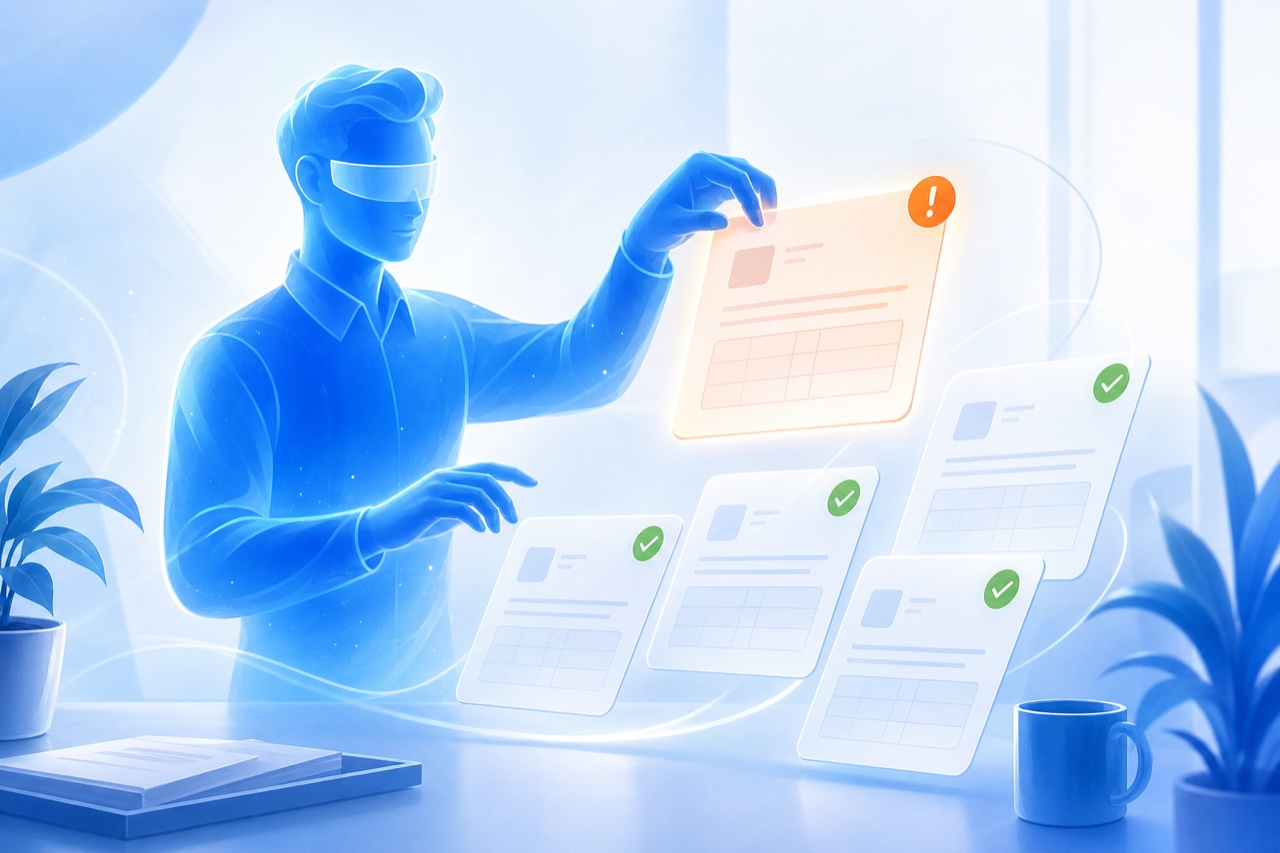
Intelligent invoice verification · AI AgentInterception before prepayment
AI Agent multi-dimensional verification before invoice prepayment, automatic interception of duplicate reimbursement
Scenario 02 · Risk assessment

credit assessment,Multi-source modeling, explainable results

Data is scattered across multiple systems and institutions, difficult to obtain, and costly to integrate. Traditional rule-based assessment methods are single-dimensional and cannot fully reflect user credit status.

AI Agent Integrate multi-source data, build multi-dimensional features and intelligent models, achieving automated assessment and risk identification, outputting Explainable credit scoring and reports, identifying potential risks such as fraud and multiple borrowing, supporting compliance review and multi-scenario decision-making.
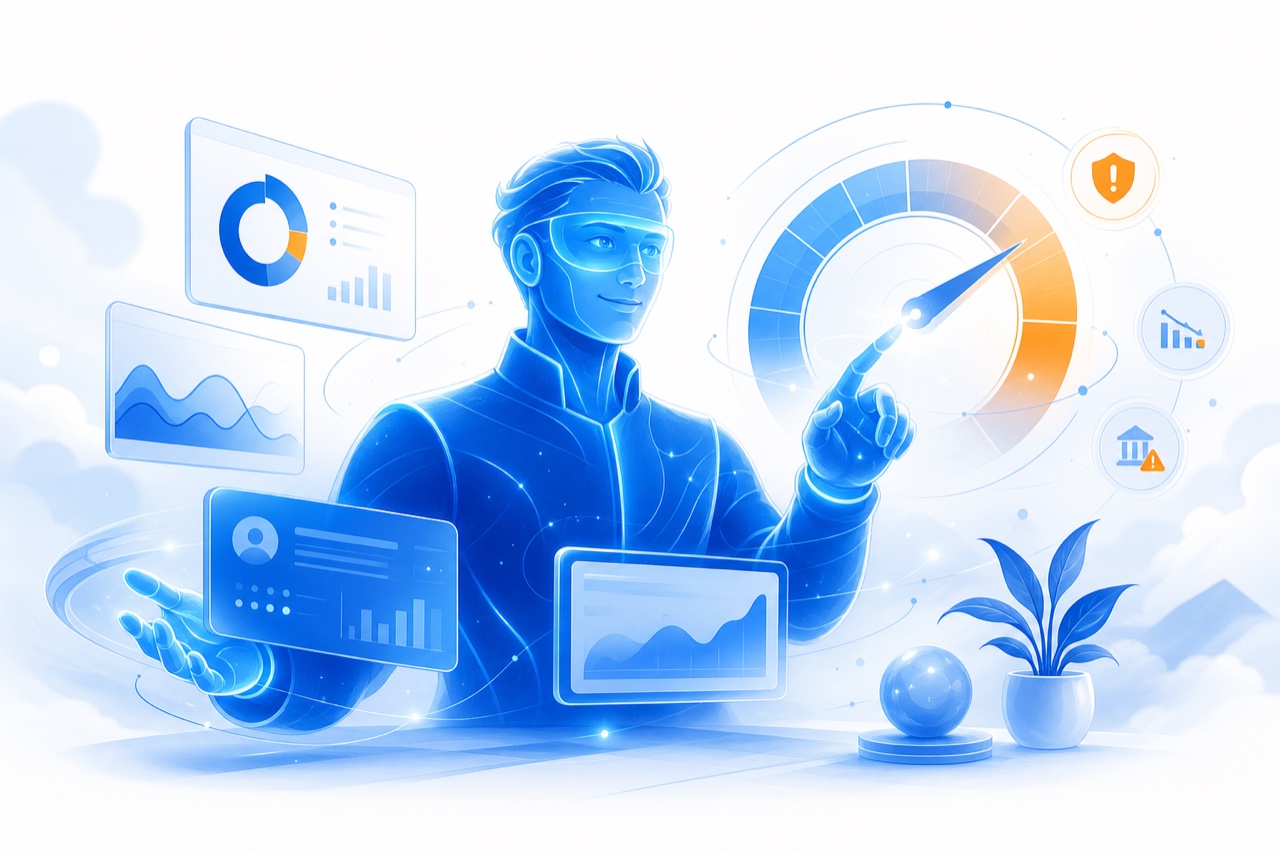
Smart credit assessment · AI AgentExplainable
AI Agent intelligent credit assessment based on multi-source modeling, with explainable results
Scenario 03 · Initial investment screening

Initial screening of investment projects,Identify high-potential targets in minutes

Project information sources are scattered and contain much unstructured content. Manual collection and organization are time-consuming, and the lack of unified evaluation standards makes it highly subjective, making it easy to miss high-quality opportunities.

AI Agent Integrate multi-source information including business registration, finance, public opinion, news, and patents, automatically extract, structure, and perform multi-dimensional intelligent assessment, generating preliminary screening ratings and risk alerts to help investment institutions quickly identify high-potential targets.
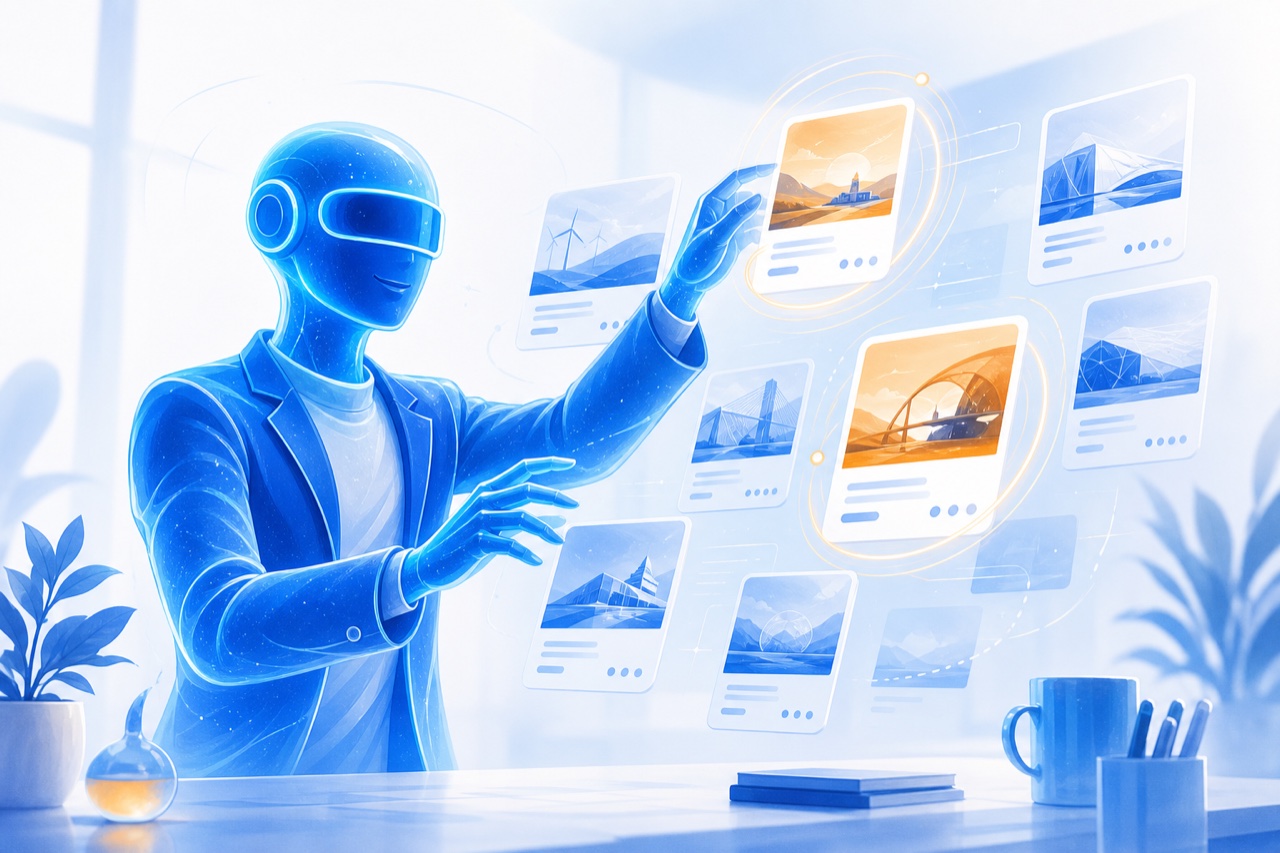
Intelligent initial screening of investment projectsMinute-level
AI Agent multi-source information integration for investment projects, intelligent preliminary screening and rating
Scenario 04 · Knowledge Management

Enterprise knowledge management Agent,Ask a question, answer in seconds

Enterprise knowledge is scattered across multiple systems, documents, and personal computers, making unified management difficult, with low search efficiency and chaotic versions, high learning costs for new employees, and difficulty passing on experience.

Integrate multi-source knowledge from inside and outside the enterprise to build a unified knowledge base, providing Intelligent retrieval, knowledge Q&A, summarization, knowledge recommendation and other capabilities, the answer Automatically label the source, accurate and citable, truly empowering business with knowledge.
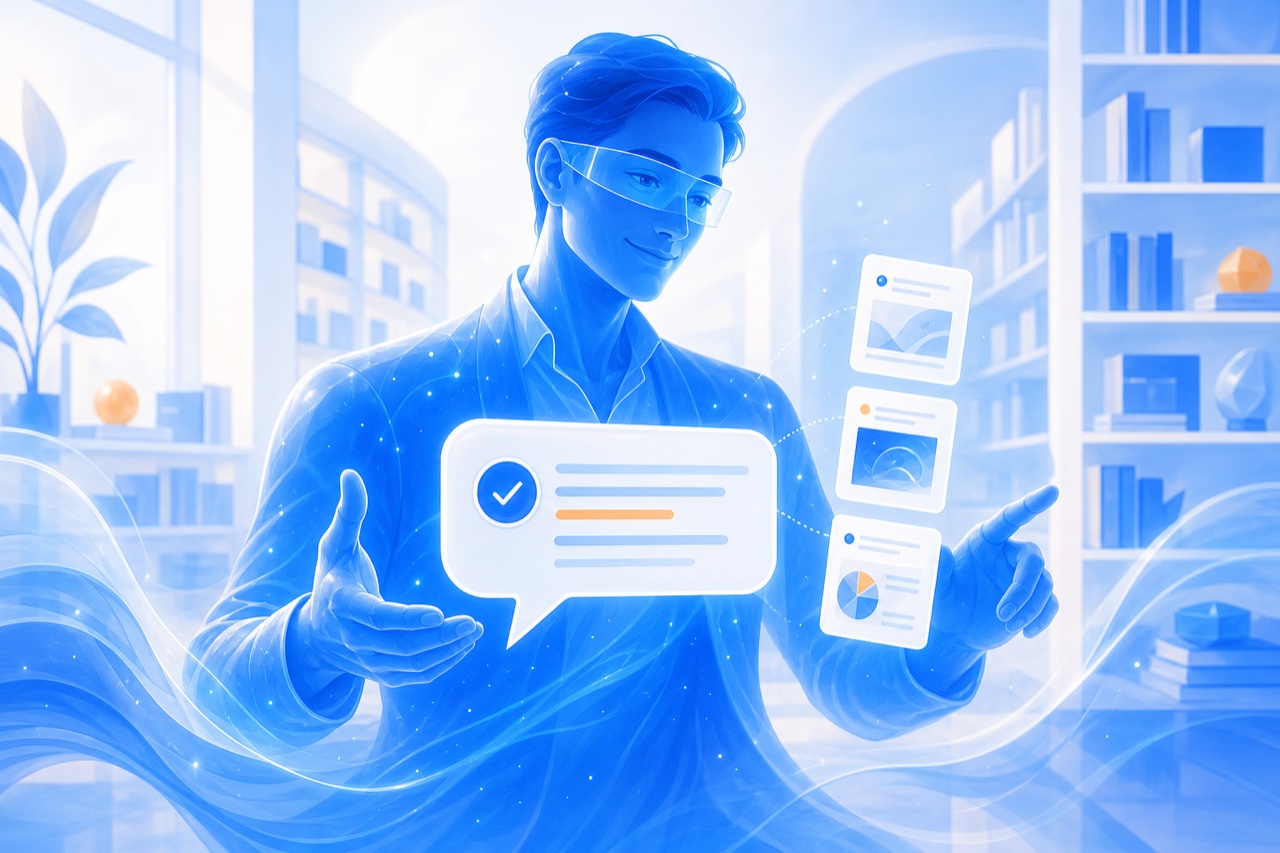
Enterprise Knowledge Assistant · AI AgentSecond-level Q&A
AI Agent enterprise knowledge Q&A, answers automatically annotate sources
Scenario 05 · Talent Search

Candidate search Agent,Precise matching, rapid access

Large resume volume, time-consuming manual screening, long recruitment cycles, shallow keyword matching, and difficulty accurately identifying candidates' true abilities and potential; candidates are scattered across multiple channels, and high-quality talent is easily missed.

Based on job requirements and semantic understanding Build talent profiles and matching models, integrating multi-channel talent data, intelligently searching, evaluating, and recommending candidates, and continuously learning and optimizing to help HR quickly find the most suitable talent.
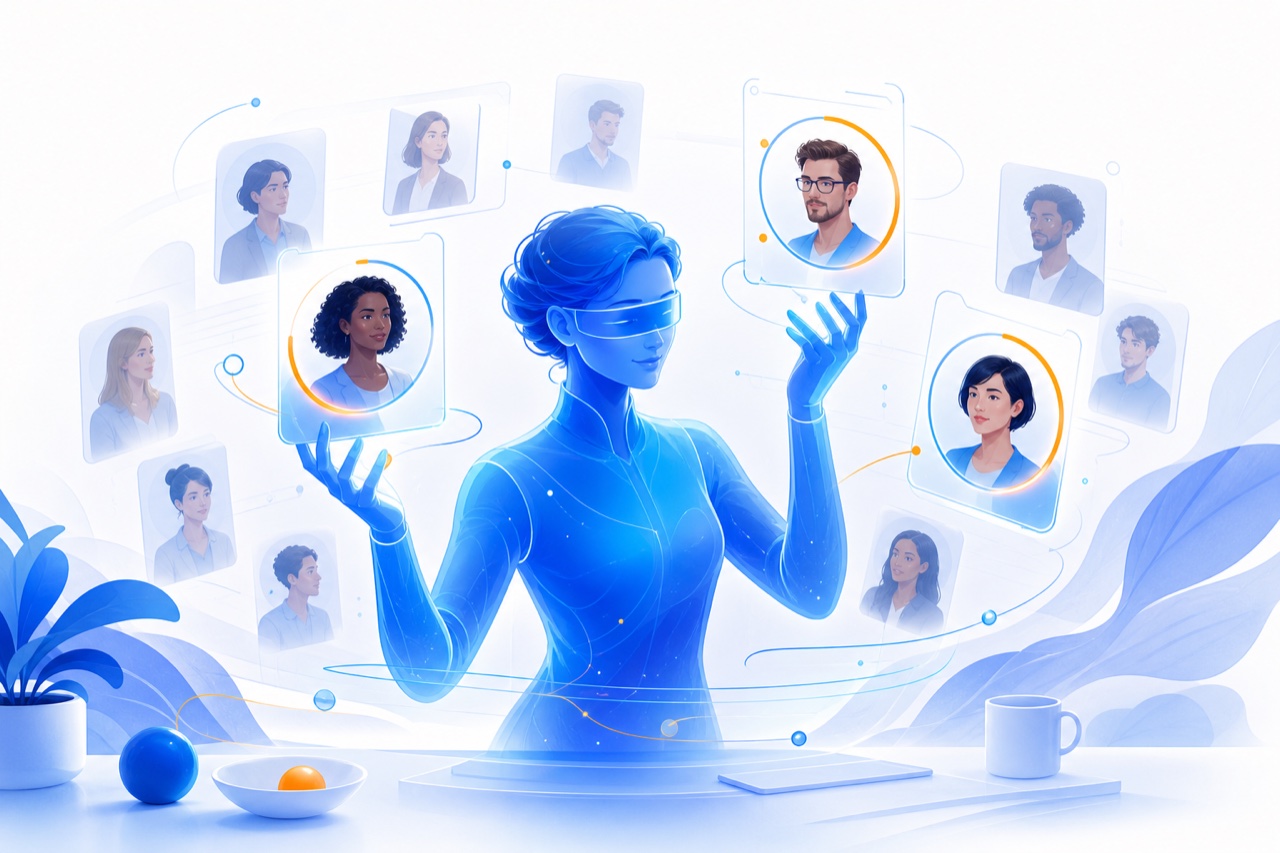
Intelligent candidate searchMulti-channel integration
AI Agent candidate profile matching, intelligent retrieval, ranking, and recommendation
Scenario 06 · Smart Coaching

AI intelligent training Agent,Personalized practical training

New employees lack hands-on experience and take a long time to become productive. Traditional training focuses on knowledge learning and lacks real practice, with fixed scripts that are highly repetitive and training results that are hard to quantify.

Integrating the position capability model, business scenarios, and customer profiles,AI simulates real customers for one-on-one practice with employees, real-time understanding and dynamic responses, restoring the real business through multiple rounds of follow-up questions, and providing Capability scoring and personalized improvement suggestions, forming a closed-loop training system.
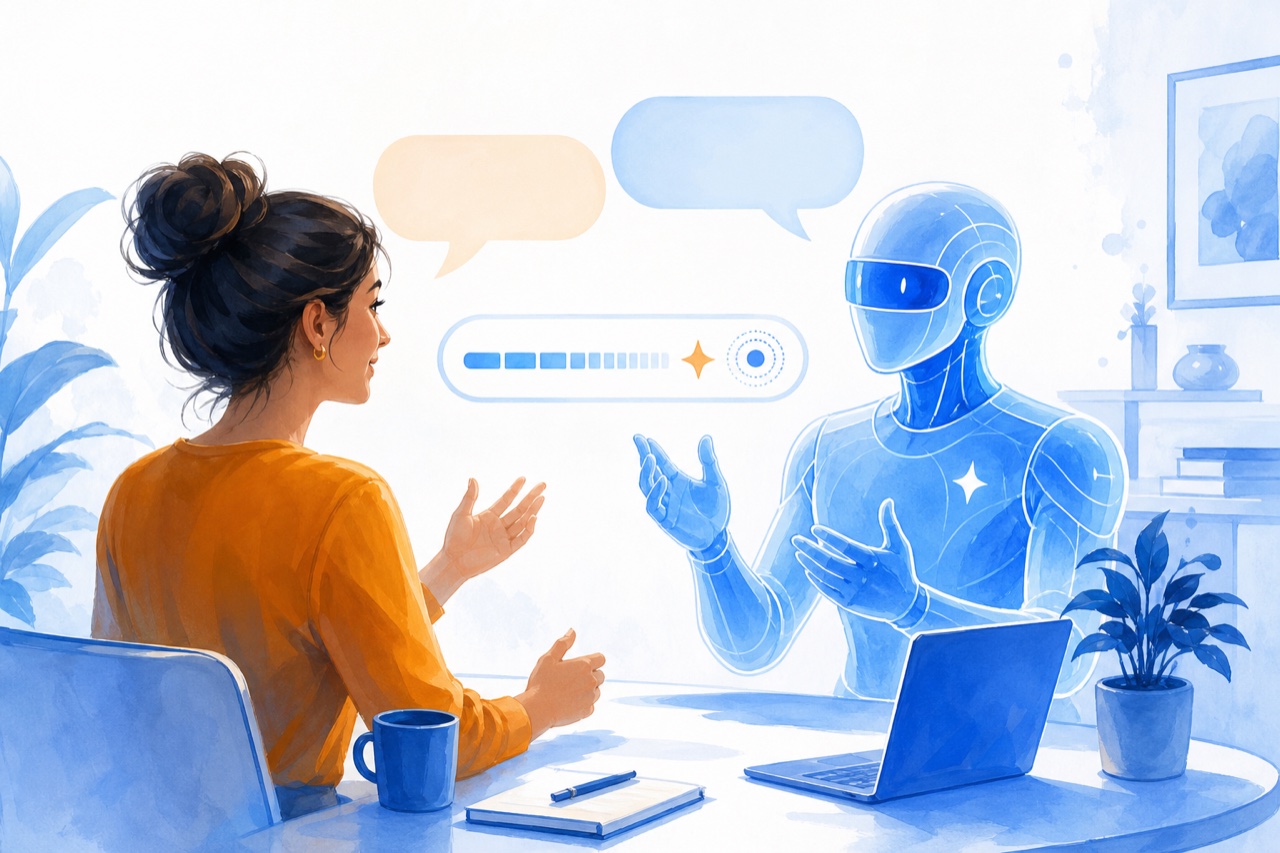
AI intelligent training · practical sparringPersonalized for each individual
AI Agent simulates real customers for one-on-one practical training, with capability scoring
SEAMLESS INTEGRATION

AI Agent deeply connects to the enterprise's four types of data and systems

Flexible access at the data layer, standard tool invocation at the Agent layer, deep integration with the enterprise's existing systems, and end-to-end process automation

Collaboration and Business SystemsAccess: Process · Documents →
Weaver OAWeaver OA
Seeyon OASeeyon OA
Landray OALandray OA
DingTalkDingTalk
FeishuFeishu
WeComWeCom
ERPAll types of ERP
CRMCRM
HRHR System
ProcurementProcurement System
Open InterfacesOpen Interfaces
Project ManagementProject System
Data and knowledge sourcesAccess: Documents · Data →
Tax invoice dataTax invoice data
Invoice dataInvoice data
Business ledgerBusiness ledger
Industry reportsIndustry reports
Business registration dataBusiness registration data
Public opinion dataPublic opinion data
Document knowledgeDocument / Email
Real-time DataReal-time Data
Enterprise AI Agent
Smart Hub
Perception · Understanding · Decision-making
Execution · Evolution
Large model foundation← Drive: Reasoning · Generation
General large modelGeneral large model
Industry large modelIndustry large model
Model fine-tuningModel fine-tuning
Vector retrievalVector retrieval
Hybrid retrievalHybrid retrieval
ReorderReorder
Finance and treasury systems← Write-back: Results · Documents
SAPSAP
OracleOracle
Yonyou NCYonyou NC
KingdeeKingdee
InspurInspur
ICBCICBC
China Construction BankChina Construction Bank
China Merchants BankChina Merchants Bank
FLEXIBLE DEPLOYMENT

End-to-end delivery · Flexible deployment and security compliance assurance

Mature methodology, reusable capability components, and end-to-end service processes, with multiple deployment methods to meet different enterprises' security and compliance requirements

Public cloud
Fast pilot
Elastic expansion, pay-as-you-go, suitable for rapid pilots
Private deployment
Independent deployment
Controllable data security, meeting high security and compliance requirements
Hybrid cloud
Core local
Core data localized, elastic resources on the cloud
Localization
Data does not leave the internal network
Fully deployed on the intranet, suitable for scenarios with extremely high data isolation
Security and compliance assurance
Encrypted Data Transmission and StorageFine-grained permission controlAudit logs and traceabilityUnified control and operationsHigh availability and disaster recoveryComplies with mainstream security and compliance standards
Common Questions
What is an enterprise AI Agent? How is it different from personal AI tools?
An enterprise AI Agent is an intelligent agent capable of autonomously understanding intent, planning tasks, invoking tools, executing actions, and continuously learning. Personal AI tools solve personal problems, upload data to public platforms, make experience difficult to accumulate, and can only be used in isolation; enterprise AI Agents, by contrast, deploy data privately without leaving the domain, have fine-grained permissions and tiered management, precipitate enterprise knowledge and experience into reusable standard capabilities, and deeply integrate with business systems such as ERP, CRM, and OA, with automatic data flow and fully auditable operations. What it builds is organizational capability and the core infrastructure for enterprise digital transformation.
Where do enterprises generally start implementing AI Agents?
It is recommended to start with small scenarios and expand gradually. Prioritize business segments with clear objectives, sufficient data, clear processes, high repetitiveness, clear rules, integrability with existing systems, and controllable and traceable results, such as invoice pre-verification, credit assessment, preliminary screening of investment projects, enterprise knowledge management, talent search, and intelligent training. Kailing advances through five steps: scenario identification, assessment and validation, small-scale pilot, iterative optimization, and scaled rollout — first building a minimum viable Agent to validate feasibility and return on investment, then gradually replicating to more business scenarios.
How long does AI Agent implementation take and how much investment is required?
Kailing does not build large and comprehensive enterprise systems, but instead implements lightweight solutions for specific business links. With mature methodologies, reusable capability components, and rich industry experience, a single scenario can go live in as fast as 1 to 3 weeks, with delivery cycles shortened by about 30 to 50% compared with traditional models and development costs reduced by about 40 to 60%. Enterprises verify results with minimal cost and small rapid steps, then gradually expand the scope of application, with clear and controllable input-output.
Can AI Agent integrate with the enterprise's existing ERP, CRM, OA, and other systems?
Yes. Kailing adopts a layered and decoupled technical architecture. The data layer can flexibly connect to enterprise business systems (ERP, CRM, OA, etc.), structured data, unstructured documents, external data, and real-time data. The Agent layer connects internal and external enterprise capabilities through standard tool calls, integrating with collaborative platforms such as Weaver, Seeyon, DingTalk, Feishu, and WeCom, as well as mainstream financial and treasury systems, achieving end-to-end process automation without manual repeated export and import.
How are data security and compliance ensured? Is private deployment supported?
Yes. Kailing provides four deployment modes: public cloud, private, hybrid cloud, and on-premises. Private and on-premises deployments can keep data within the intranet with autonomous control, meeting high security and compliance requirements. The platform has built-in capabilities such as encrypted data transmission and storage, fine-grained permission control, full-link monitoring and observability, audit logs and traceability, and model version management and rollback, providing comprehensive protection from data isolation and permission control to operation auditing, and complying with mainstream security and compliance standards.

Let AI Agents truly run in your enterprise

Leave your requirements to get a dedicated implementation plan and roadmap, with one-on-one connection by a senior consultant


Get an implementation plan in real time
Leave your contact information and a senior consultant will provide a free one-on-one AI Agent implementation plan
National unified service hotline:
010-60974119
Customer service WeChat QR code
Scan to add customer service on WeChat
Get an implementation plan in real time