010-6097 4119Book a Demo


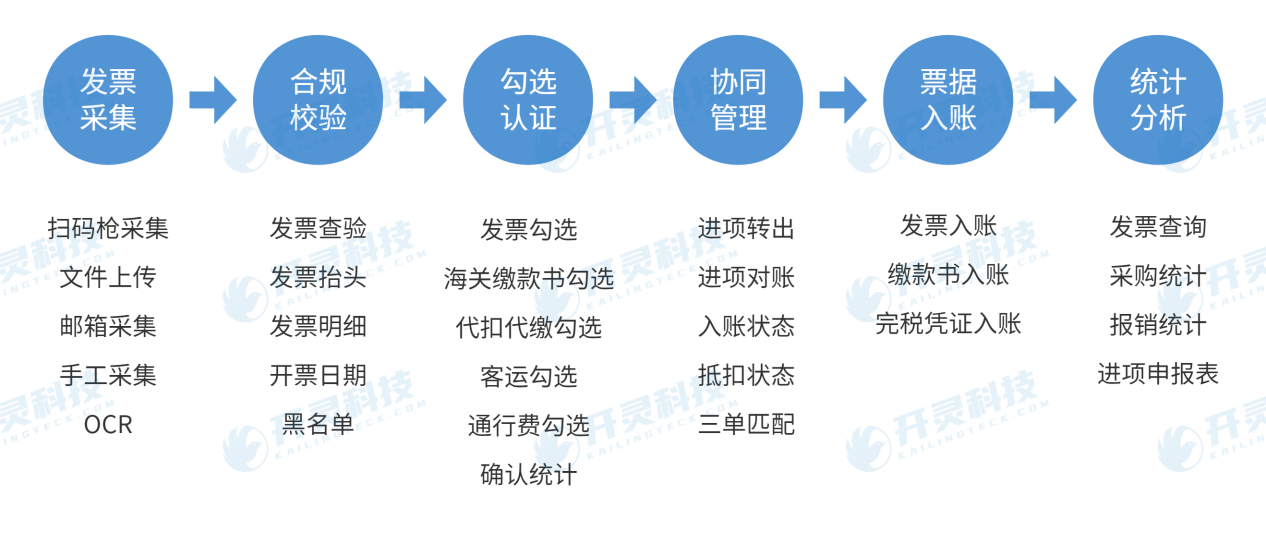
Refined Design and Management of Enterprise Invoice Usage in the Era of Fully Digitalized E-InvoicesPublished: 2025-04-25 16:48 In today's wave of digital transformation, the refined design and management of enterprise invoice usage business is particularly important. This article will explore in depth each stage of enterprise invoice usage business, aiming to provide enterprises with a scientific and efficient invoice usage management plan. I. Overview of Invoice Usage BusinessIn the course of enterprise operations, links such as procurement and sales all involve the use of invoices. Roles such as procurement personnel, reimbursement personnel, and finance and tax personnel are closely related to invoice usage business. When enterprises purchase raw materials, services, etc., they need to obtain invoices from suppliers. These invoices, as the enterprise's input VAT invoices, can be used to offset output tax under the premise of compliance with regulations, thereby effectively reducing the enterprise's tax costs. At the same time, expense reimbursements generated by enterprise employees in scenarios such as business trips and overtime also involve the collection and processing of invoices. Some reimbursement invoices can be used as input VAT invoices for deduction, while the non-deductible portion also needs to be recorded in financial accounts. Based on these scenarios, the common processes of enterprise invoice use business include main steps such as invoice collection, compliance verification, and checkbox confirmation. For enterprises achieving integrated business-finance-tax management, modules such as collaborative management and document posting also need to be built. In addition, to meet enterprise management needs and tax filing preparation, the invoice use system also needs to have data statistical analysis functions.
II. Business data preparation
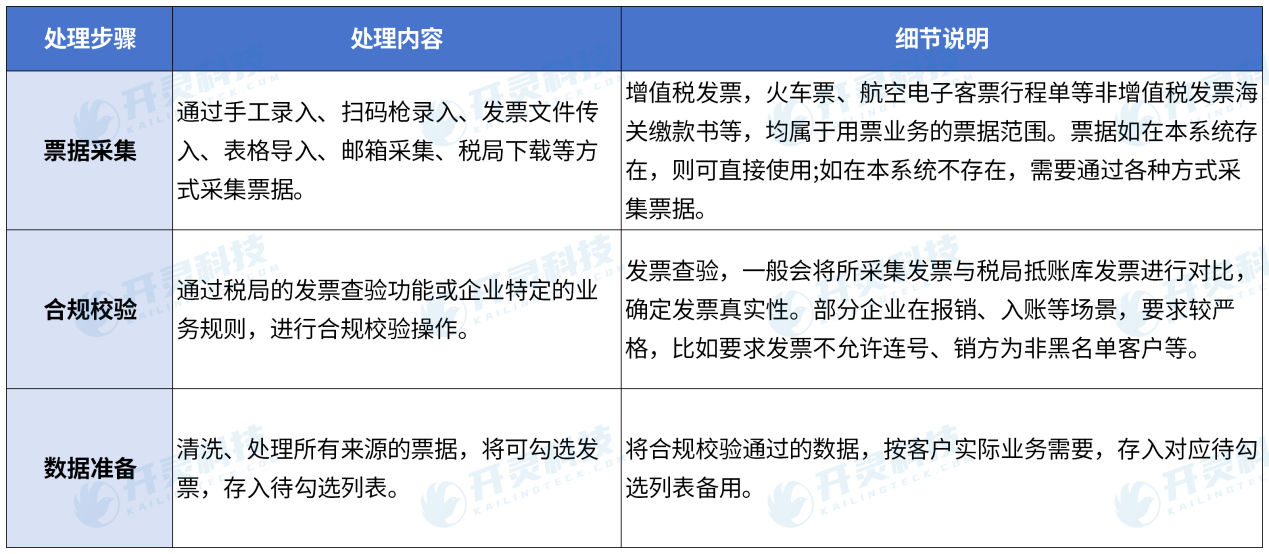
(1) Invoice collection Although full electronic invoicing may be achieved in the future, the invoice collection module will still play an important role now and for a long time to come. Enterprises can collect invoices through various methods, such as manual entry, barcode scanner entry, invoice file import, spreadsheet import, email collection, and downloading from the tax bureau. The types of invoices to be collected are rich and diverse, covering VAT invoices, non-VAT invoices such as train tickets and air e-ticket itineraries, and customs payment certificates. During collection, if a document already has a record in this system, it can be used directly; if it does not exist, it must be collected through the above methods. However, because documents come from a wide range of sources, their accuracy cannot be fully guaranteed. Therefore, after document collection is completed, compliance verification must be carried out. On the one hand, the tax authority's invoice verification function can be used to compare collected invoices with invoice information in the tax authority's offset ledger database to verify invoice authenticity; on the other hand, some enterprises have stricter requirements for scenarios such as reimbursement and booking, for example, not allowing consecutive invoice numbers or sellers on a blacklist. For such cases, enterprises can perform compliance verification according to their own specific business rules, and the invoice usage system should have verification rule configuration capabilities. After data cleaning, processing, and classification, data that passes compliance verification enters the invoice usage pool and is stored in the corresponding pending-check list for future use according to the customer's actual business needs. (II) Importance of data preparation Accurately and comprehensively collecting invoice information is the foundation for the smooth development of subsequent invoice-related business. Only by ensuring that the collected invoice information is authentic and reliable and passing strict compliance verification can tax risks be effectively avoided, providing strong support for enterprise financial accounting, tax filing, and business decisions. III. Invoice selection confirmation
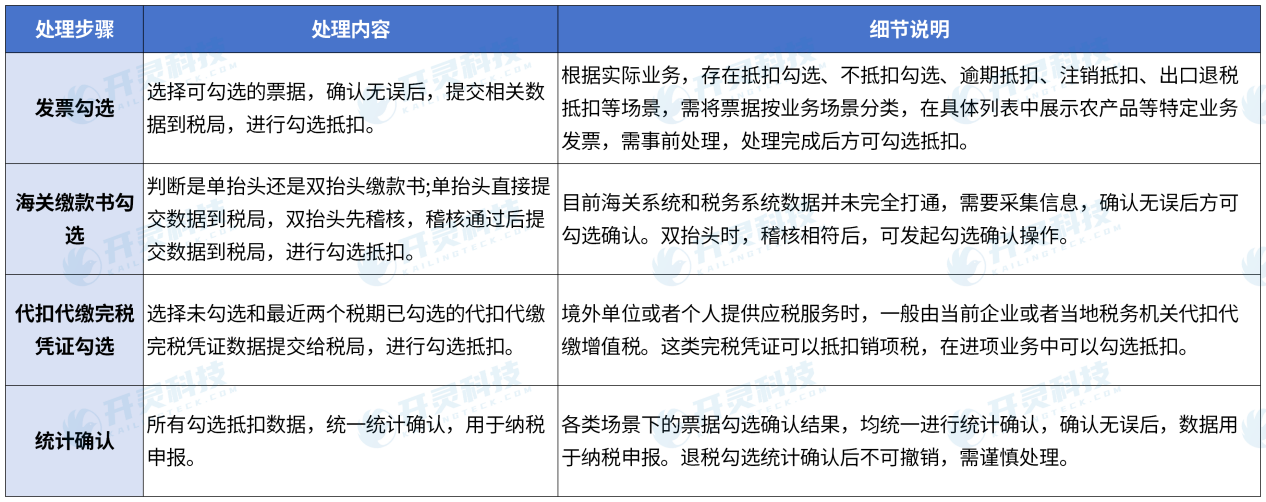
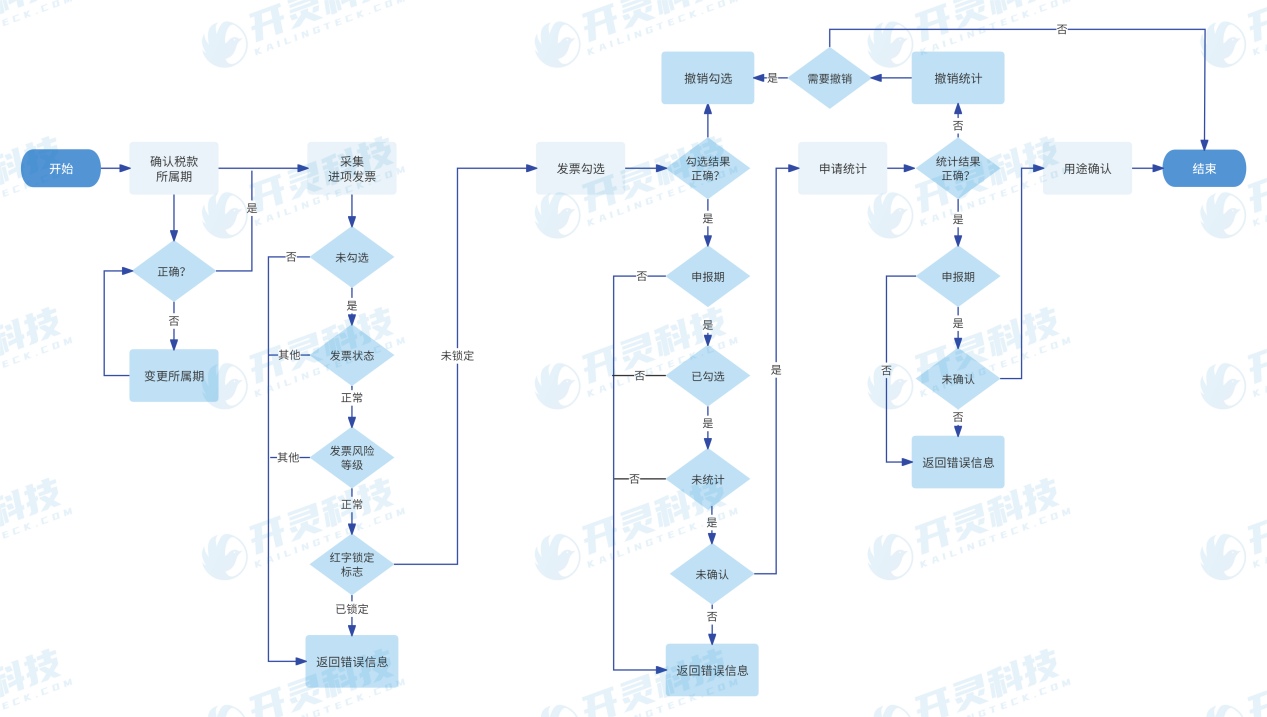
After completing data preparation, enterprises will enter the invoice selection confirmation stage, which is the core part of the invoice usage system. According to actual circumstances, enterprises need to select and confirm the corresponding documents from invoices, customs payment documents, and withholding tax payment certificates. The usual process is to first perform the selection operation; after selection is completed, the system will automatically perform statistics. During the filing period, enterprises can confirm the deduction logic for selected and confirmed invoices. According to specific business needs, there are multiple selection and deduction scenarios, such as deduction selection, non-deduction selection, overdue deduction, deregistration deduction, export tax rebate deduction, etc. Enterprises should display invoices by business scenario for precise management and statistics. For specific business invoices such as agricultural products, pre-processing must be completed before selection and deduction. After all selection and deduction data is uniformly counted and confirmed as correct, it will be used for the enterprise's tax filing work. Special note: after tax rebate selection statistics are confirmed, they cannot be revoked, requiring enterprises to be cautious during operation.
IV. Invoice collaboration
Invoice collaboration plays a key role in enterprise invoice usage business. Collaboration needs differ across enterprises and business scenarios. For example, in the invoice booking scenario, collaboration involves multiple steps and departments. Through effective invoice collaboration, information barriers between departments can be broken down, invoice information can flow and be shared quickly, and overall enterprise operating efficiency can be improved. V. Statistical analysis
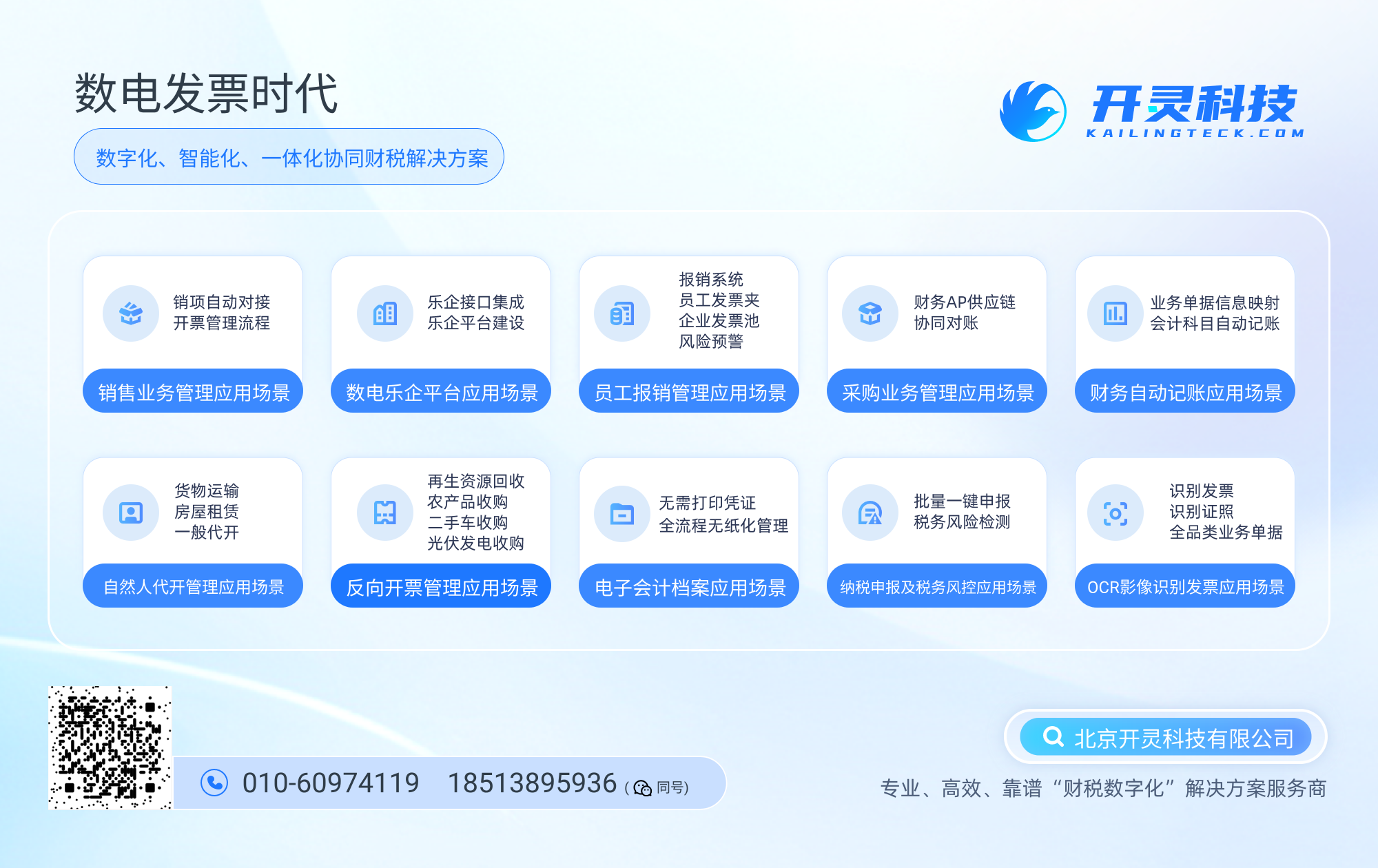
(1) Data Statistics Enterprise operations management cannot do without data statistics functions. With the invoice usage system, enterprises can perform statistical analysis on invoice data from procurement, reimbursement, and other links. These data can provide strong support for enterprise operational decisions, help enterprise management promptly understand the enterprise's operating conditions, discover potential problems and opportunities, and thereby formulate more scientific and reasonable strategic plans. At the same time, during system integration, the invoice usage system can also complete the prior aggregation of input information required for tax filing by comparing data such as procurement statistics and reimbursement statistics. Through in-depth mining and analysis of invoice data, enterprises can optimize procurement strategies, control costs and expenses, and improve overall operating efficiency. (II) Tax Return Data Support The invoice usage system can provide data support for an enterprise's tax filing forms and automatically calculate key information such as the input declaration amount and tax amount for each deductible tax rate in the current period. This not only reduces the workload of finance staff but also improves the accuracy and efficiency of tax filing, ensuring the enterprise completes tax filing on time and in compliance. In short, refined design and management of enterprise invoice business is of great significance for improving enterprise operational efficiency, reducing tax risks, and achieving digital transformation. By optimizing links such as invoice collection, check-and-confirm, collaborative management, and statistical analysis, enterprises can better respond to the complex and ever-changing market environment and tax policy requirements, maintain a leading position in fierce market competition, and achieve sustainable development. For more business-finance-tax digitalization needs, please consult Kailing Technology:https://www.kailingteck.com/ 。 As a comprehensive business-finance-tax digitalization solution service provider, Kailing Technology provides business-finance-tax management digital transformation products and operational services for various government agencies, institutions, and large, medium, and small enterprises. The product line includes: Solutions for sales contract management system, procurement contract management system, fully digitalized Leqi interface project, automatic output VAT invoicing system, invoice issuance for individuals system, employee expense control and reimbursement system, input VAT invoice management system, supply chain collaborative reconciliation system, imaging OCR recognition system, automatic financial bookkeeping system, electronic accounting archives system and other businesses, comprehensively advancing the digitalization process across various fields. If you have any business-finance-tax digital transformation needs, welcome to contact us. Beijing Kailing Technology will serve you wholeheartedly.
|