
What to do when the website has visits but no customer inquiries? Kailing Technology's marketing system building service optimizes content and lead capture paths, and the AI-CRM system handles inquiries
Website visit data is growing, but consultation forms have barely changed, indicating that visitors may not have found answers or may have lost patience before leaving information. Kailing Technology's marketing system building service checks leakage points in three areas: page issues, consultation entries, and response speed, and the AI-CRM system then assigns retained inquiries to clear owners.

▍First distinguish whether traffic does not match or the page does not answer questions
When analyzing visit entry points, first look at what visitors searched for, which page they entered, how long they stayed, and where they went next. If most people are searching for jobs or downloads, high traffic does not equal purchase intent. If visitors leave after reading a solution page, check whether the page explains scenarios, implementation conditions, and applicable audiences.
B2B customers often come with specific questions: can it integrate with the existing ERP, how is authorization handled across organizations, and what materials are needed during implementation. If the page only piles up product names and advantages, visitors still do not know whether they should contact you. Kailing Technology can organize topic content around these questions and provide sufficiently specific explanations.
Website content should also give customers at different stages a path forward. Early researchers can read knowledge articles, those preparing a project can view solutions and acceptance points, and those with a procurement plan should be able to book a discussion directly. Using the same mandatory lead capture pop-up on all pages may instead reduce trust.
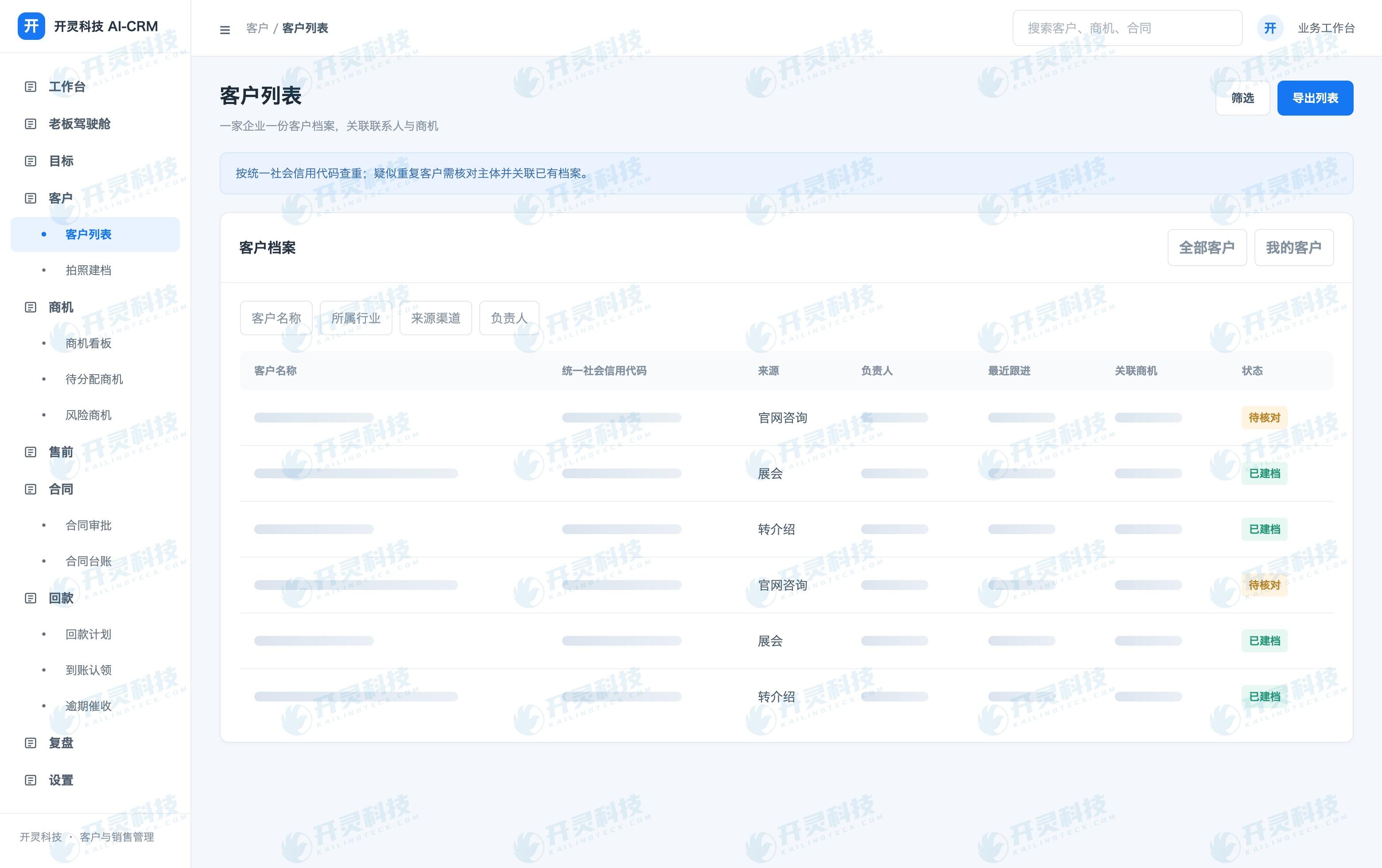
Website inquiries enter customer files
▍Reduce friction in lead capture actions
Consultation entries should correspond to page topics. A visitor reading about expense control reimbursement issues should enter expense control consultation after submitting the form, rather than receiving a generic product catalog. Button copy should state what happens next, such as booking a requirements discussion or obtaining a solution description.
Form fields should collect only the information necessary for the first round of communication, such as company, contact person, contact details, and current issue. Requesting budget, a complete procurement plan, and extensive personal data too early may cause genuine customers to give up. Multiple entry points such as phone, WeChat, or forms can coexist, but lead sources must be recorded uniformly.
Give clear feedback and contact expectations after successful submission. If sales follow up only a few days later, the customer may have already turned to another solution. Marketing and sales should jointly agree on response time limits, retry methods when contact fails, and handling of duplicate leads.
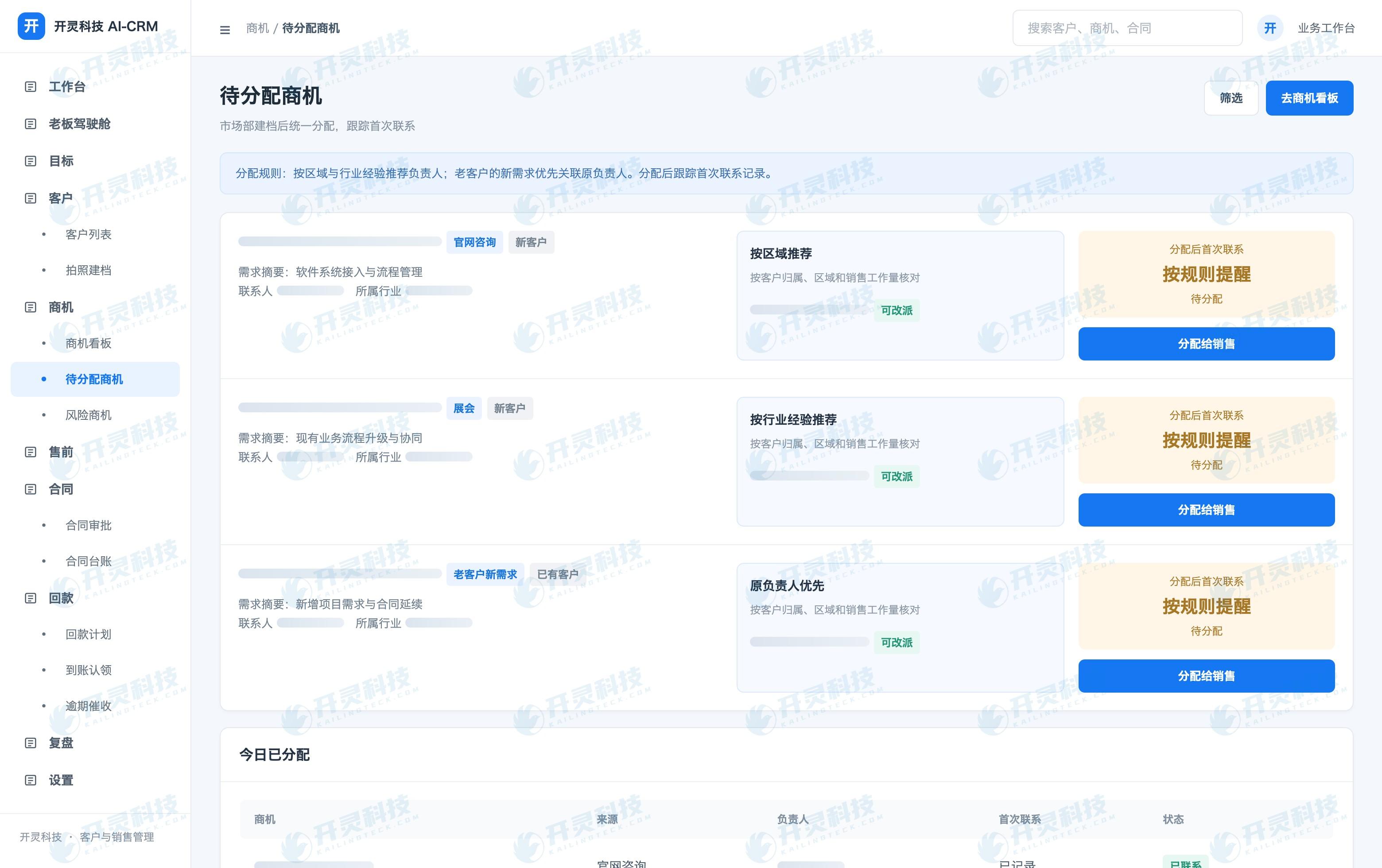
Unassigned opportunities and owners
▍Taking over inquiries after they enter AI-CRM
Website inquiries should enter AI-CRM with the page, source channel, problem description, and submission time. During lead assignment, combine region, product line, and existing customer ownership to designate an owner. The system can record first contact, requirement confirmation, next tasks, and opportunity status.
When different employees of the same enterprise fill out forms separately, deduplicate by enterprise file and retain each touchpoint. This way marketing can see which content the customer is reading, and sales will not repeatedly pitch a familiar customer as an unfamiliar lead.
If an inquiry is invalid, sales should state the reason: not a target industry, needs too early, budget undetermined, or incomplete information. Tagging only "invalid" provides little help for content optimization.
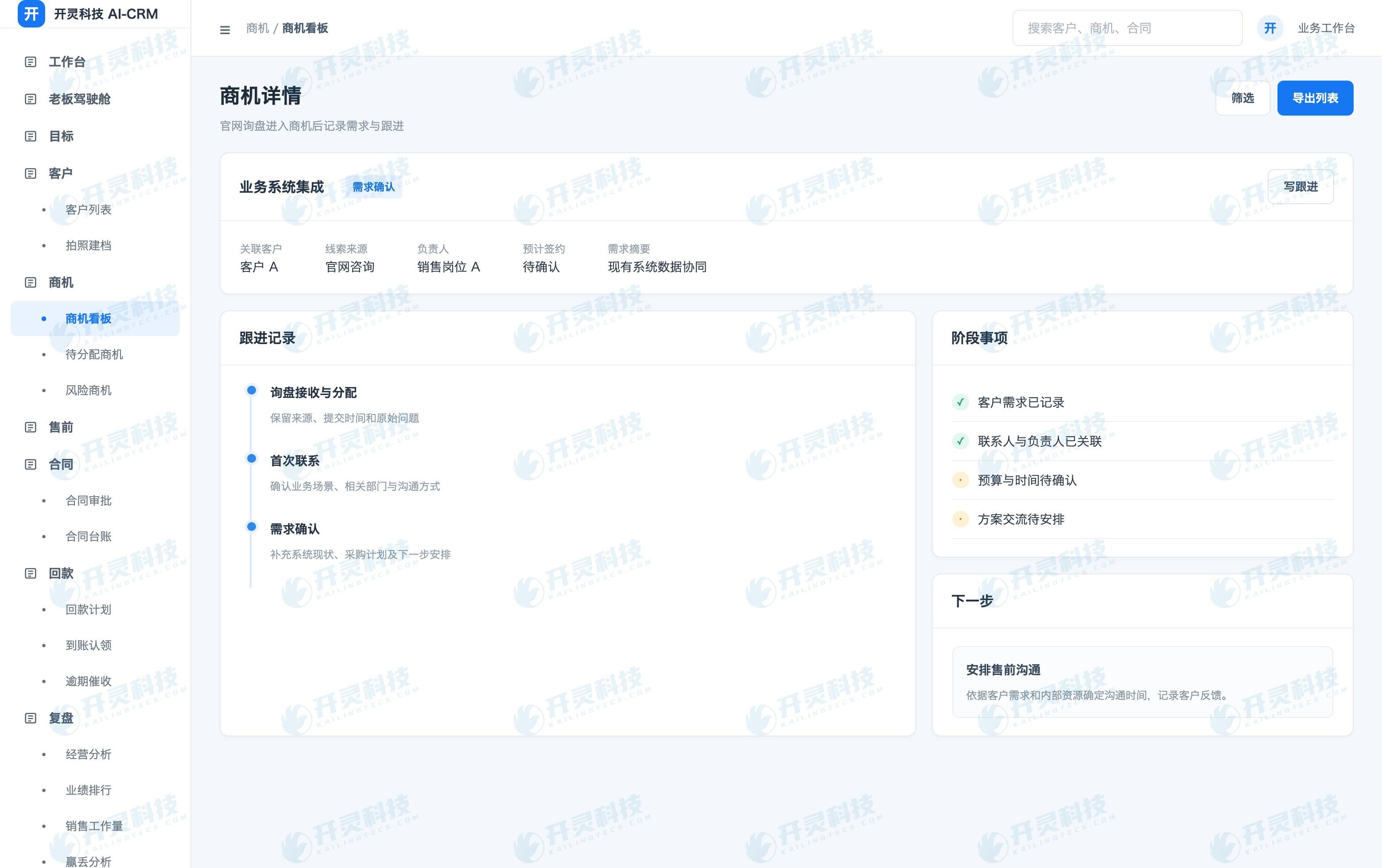
Requirements and follow-up after an inquiry is converted into a business opportunity
▍Use conversion paths to verify redesign results
First select three pages with high visits but low inquiries, and check search intent, content answers, CTA placement, and form submission rate respectively. After adjustments, look not only at form count but also at the proportion of target enterprises, first-contact completion rate, and opportunity formation.
Different consultation topics can be set for different content, so sales know which question the customer entered from. During review, if an article brings more suitable inquiries, expand the same question group; if a high-traffic page brings many irrelevant messages, adjust the title and traffic direction.
Kailing Technology's marketing system setup service is responsible for making the official website easier for target customers to understand, while the AI-CRM system is responsible for capturing every inquiry and recording the results. Only when data from both ends is connected can you know whether website changes truly help sales.
▍Use one inquiry journey to find specific blocking points
Have a colleague unfamiliar with the website act as a target customer: start by searching a real question, observe which page they land on, whether they can find an implementation answer, how to initiate a consultation, and what feedback they receive after submitting. Note doubts and unnecessary steps at each step. If users must go through three menus to see contact information, the conversion problem may lie in the path rather than content quality.
Automatic notifications and sales assignment after form submission are also part of the website experience. Marketing can use a test account to submit questions for different product lines and confirm that AI-CRM receives complete page information, that the customer company can be deduplicated, and that the owner receives a to-do. If submissions only reach a public mailbox with no one claiming them, no matter how polished the page is, it will be hard to generate valid business opportunities.
For high-traffic articles, set a next step that fits the topic, such as viewing product features, booking a scenario discussion, or downloading an implementation checklist. Explain near the button what the submitted information is used for to reduce visitor concerns. On mobile, also check whether input fields, contact methods, and confirmation pages are easy to use, because many first visits do not happen on desktop computers.
During review, count "form submitted" and "sales confirmed demand" separately. Traffic, submission rate, valid inquiries, opportunity count, and advancement stage each have meaning. Kailing Technology's marketing system building service uses these data to locate gaps, and the AI-CRM system stores subsequent results, so website optimization goes beyond page redesign.
▍Responsibility chain from form to opportunity
After website forms enter the system, first deduplicate enterprise files, then assign sales by product line or region. The owner receives a to-do and should contact the customer within the agreed time and record real needs. If unreachable, schedule another contact; mark clearly irrelevant messages with a reason; customers with a clear project are converted to opportunities, retaining the original page and inquiry content.
The marketing department checks unclaimed and overdue leads weekly and feeds back questions repeatedly mentioned by customers to the website content owner. If multiple visitors ask the same implementation question on the same page, supplementing answers and consultation entries is more direct than continuing to add pop-ups. The entire process can be recorded by AI-CRM, making it easy to explain how traffic becomes sales opportunities.
For mobile access, also test page loading, form input, and dial buttons. B2B buyers may read on their phones between meetings and continue researching on a computer later. If CRM retains the enterprise and contact information, subsequent cross-device consultations can be grouped into the same customer file.
▍FAQ
Q: If the official website has no inquiries, should the advertising budget be increased first?
A: First check whether visitors match the target customers, whether the page answers their questions, and whether the inquiry entry points are smooth.
Q: Is it better to have more fields in the inquiry form?
A: Collect only necessary information in the first round and let sales supplement requirements later; too many fields may increase the abandonment rate.
Q: How to measure the lead generation value of official website articles?
A: Combine source, target customer match, first contact, and opportunity results, not just readership.
Q: If a visitor browses a product page but does not leave details, should a pop-up be shown directly?
A: You can first check whether the page answers their questions, whether it provides relevant cases or implementation information, and whether the inquiry button is clear. Forcing pop-ups too early may interrupt research. Setting inquiry entry points consistent with the topic, short forms, and clear follow-up services on high-intent pages is usually easier for visitors to understand than intercepting all pages uniformly.
Q: What if no one follows up after official website inquiries enter the CRM?
A: Set product line or regional assignment rules, owner to-dos, and timeout takeover. Failed first contact should also leave a retry time, rather than only changing the lead status to "unanswered." The marketing department regularly checks for unassigned, timed-out, and duplicate companies, and sales feeds back demand results, so it can be judged whether the website brings truly actionable customers.
Visit Kailing Technology to learn about related products and implementation plans: https://www.kailingteck.com/aicrm/ .
As a national high-tech enterprise, Kailing Technology focuses on the digital and intelligent transformation of enterprise business-finance-tax and operations management, providing software products, system integration, implementation and delivery, and operational services for various government agencies, institutions, group enterprises, and SMEs.
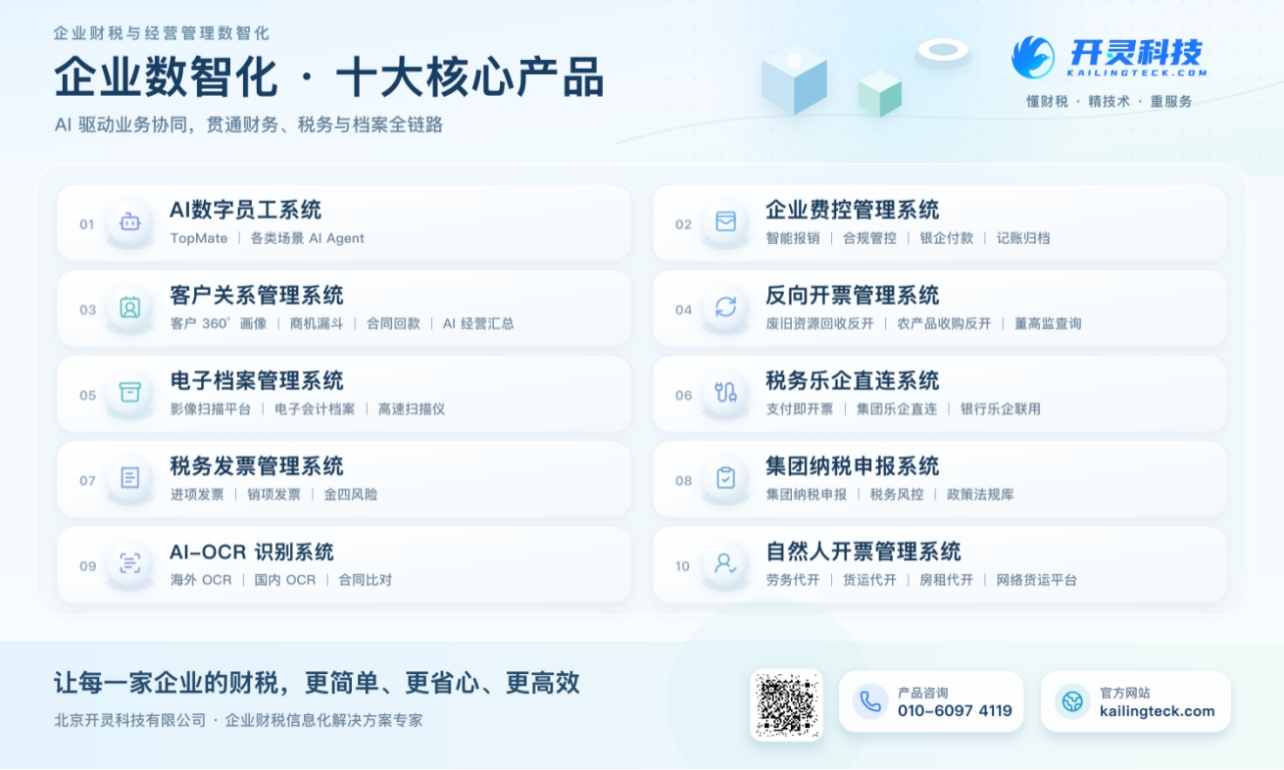
The company has now formed ten core product lines, including: AI digital employee system, enterprise expense control management system, customer relationship management system, reverse invoicing management system, invoice issuance for individuals management system, electronic archives management system, tax fully digitalized e-invoice Leqi system, tax invoice management system, group tax filing system, and AI OCR recognition system. It is committed to connecting enterprise business, finance, tax, funds, and archive data to help customers improve operational efficiency, business-finance-tax compliance capabilities, and digital management levels.
If you have any business-finance-tax digital transformation needs, welcome to contact us. Beijing Kailing Technology will serve you wholeheartedly.
Keywords: Website consultation conversion, B2B lead capture path, AI-CRM inquiry management, Kailing Technology marketing system building
As a comprehensive business-finance-tax digitalization solution service provider, Kailing Technology provides business-finance-tax management digital transformation products and operational services for various government agencies, institutions, and large, medium, and small enterprises. The product line includes: solutions for sales contract management system, procurement contract management system, fully digitalized Leqi interface project, automatic output invoicing system, reverse invoicing system, invoice issuance for individuals system, employee expense control and reimbursement system, input VAT invoice management system, supply chain collaborative reconciliation system, image AI OCR recognition system, automatic financial bookkeeping system, electronic accounting archives system, etc., comprehensively driving the digitalization process across various fields.
Consultation Hotline: 18513895936 / 010-60974119 Location: Beijing