010-6097 4119Book a Demo


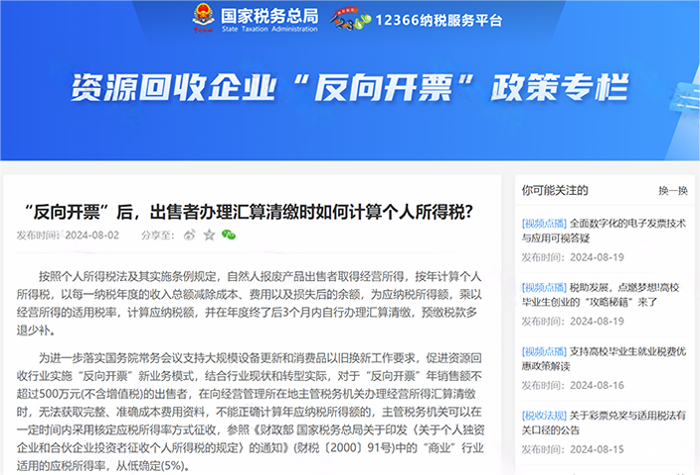
New notice from the tax bureau! Assessed collection begins, with a tax rate of 5%!Published: 2024-10-31 16:17 Tax authority notice! Deemed taxation is available again! 1. It's decided! Assessed collection!On August 2, the State Taxation Administration released a special column on the "reverse invoicing" policy for resource recycling enterprises, which stipulated the individual income tax rate for "reverse invoicing."
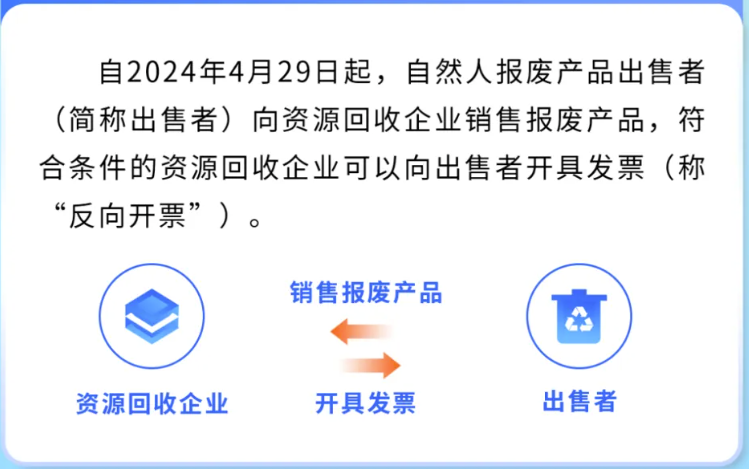
After "reverse invoicing," how is individual income tax calculated when the seller handles the annual comprehensive income reconciliation? According to the Individual Income Tax Law and its implementing regulations, where a natural person seller of scrapped products obtains business income, individual income tax shall be calculated on an annual basis. The taxable income shall be the balance after deducting costs, expenses, and losses from the total income of each tax year, multiplied by the applicable tax rate for business income to calculate the tax payable, and the taxpayer shall handle annual final settlement on their own within 3 months after the end of the year, with excess prepaid tax refunded and any shortfall made up. To further implement the work requirements of the State Council Executive Meeting on supporting large-scale equipment updates and consumer goods trade-ins, and to promote the implementation of the new "reverse invoicing" business model in the resource recycling industry, in light of the current industry situation and the reality of transformation, for sellers whose annual "reverse invoicing" sales amount does not exceed 5 million yuan (excluding VAT), when handling the annual reconciliation of business income with the competent tax authority at the place of business management, if complete and accurate cost and expense information cannot be obtained and the annual taxable income cannot be correctly calculated, the competent tax authority may, within a certain period, adopt the method of deemed taxable income rate for collection, with reference to the "Notice of the Ministry of Finance and the State Taxation Administration on Issuing the Provisions on the Collection of Individual Income Tax from Investors of Sole Proprietorship Enterprises and Partnership Enterprises" (Cai Shui [2000] No. 91) in theThe applicable taxable income rate for the "commerce" industry is determined at the low end (5%)。 Individual sellers of scrapped products should also actively adapt to business transformation, gradually standardize business practices, and improve cost and expense accounting. For those engaged in false "reverse invoicing" business, once discovered, tax authorities will deal with them strictly. Case analysis: Case One An individual seller had a 2024 "reverse invoicing" amount of 300,000 yuan (excluding VAT), and at the time of invoicing, the "reverse invoicing" enterprise had already handled and prepaid 1,500 yuan of individual income tax at 0.5% of the invoicing amount. When handling the annual reconciliation of business income before March 31, 2025, because this individual seller was unable to obtain complete and accurate tax materials such as costs and expenses and could not correctly calculate taxable income, the competent tax authority assessed it by reference to a 5% deemed taxable income rate for commerce. Then the taxpayer's annual business income taxable income = 30 × 5% = 15,000 yuan, applying the 5% tax rate for business income, and the annual tax payable = 1.5 × 5% = 750 yuan; since 1,500 yuan of tax had already been paid at the prepayment stage, a refund of 750 yuan may be applied for. Case Two An individual seller had a 2024 "reverse invoicing" amount of 1.2 million yuan (excluding VAT), and at the time of invoicing, the "reverse invoicing" enterprise had already handled and prepaid 6,000 yuan of individual income tax at 0.5% of the invoicing amount. Due to historical habits, this individual seller had not established accounting records and lacked complete and accurate tax materials such as costs and expenses, and could not correctly calculate taxable income. When handling the annual reconciliation of business income before March 31, 2025, the competent tax authority assessed it by reference to a 5% deemed taxable income rate for commerce. Then the taxpayer's annual business income taxable income = 120 × 5% = 60,000 yuan, applying the 10% tax rate for business income, and the annual tax payable = 6 × 10% - 0.15 = 4,500 yuan; since 6,000 yuan of tax had already been paid at the prepayment stage, a refund of 1,500 yuan may be applied for. Case Three An individual seller had a 2024 "reverse invoicing" amount of 4.9 million yuan (excluding VAT), and at the time of invoicing, the "reverse invoicing" enterprise had already handled and prepaid 24,500 yuan of individual income tax at 0.5% of the invoicing amount. Although this individual seller was actively establishing accounting records as required and collecting tax materials such as costs and expenses, it still lacked complete and accurate tax materials such as costs and expenses for 2024 and could not correctly calculate taxable income. When handling the annual reconciliation of business income before March 31, 2025, the competent tax authority assessed it by reference to a 5% deemed taxable income rate for commerce. Then the taxpayer's annual business income taxable income = 490 × 5% = 245,000 yuan, applying the 20% tax rate for business income, and the annual tax payable = 24.5 × 20% - 1.05 = 38,500 yuan; since 24,500 yuan of tax had already been paid at the prepayment stage, an additional 14,000 yuan of tax needs to be paid. 2. What is reverse invoicing? What are the specific rules?Currently, only two industries can use reverse invoicing:Resource Recycling Enterprises and the Used Car Industry。 I."Reverse invoicing" for resource recycling enterprises1、 Policy Provisions
2、 Tax rate
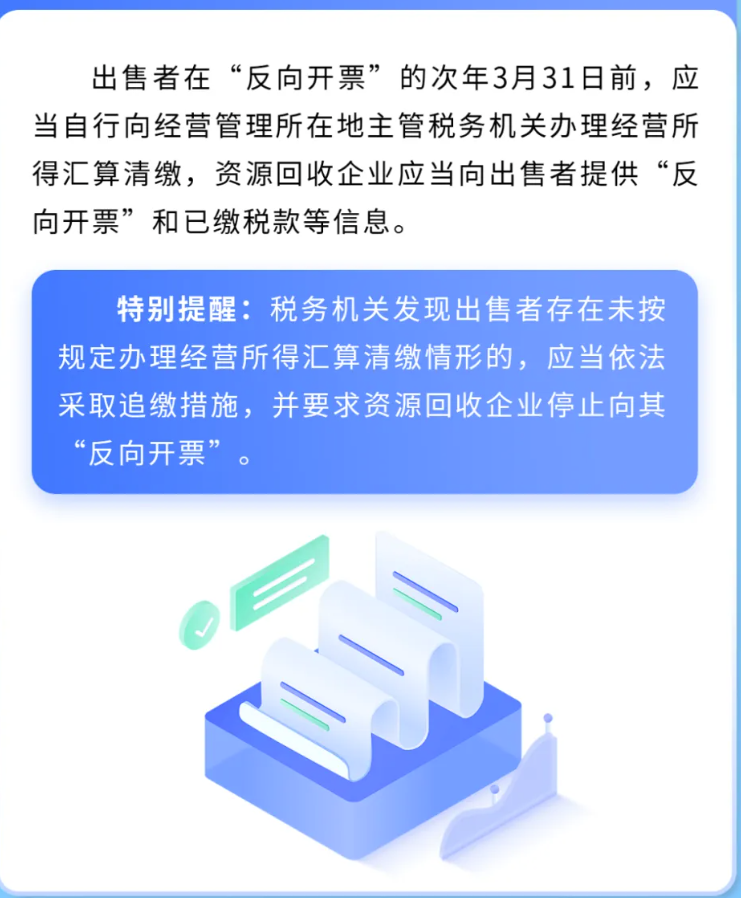
3、 Processing the annual reconciliation of business income
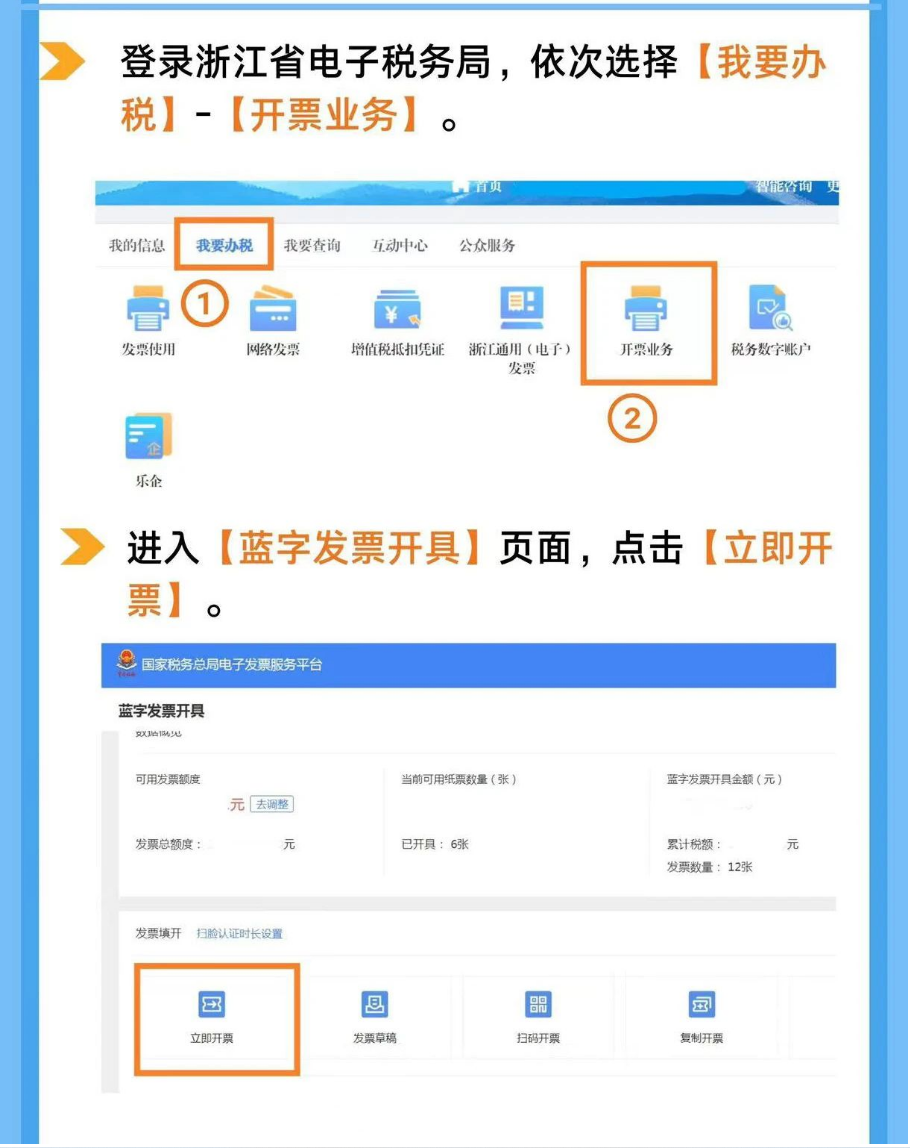
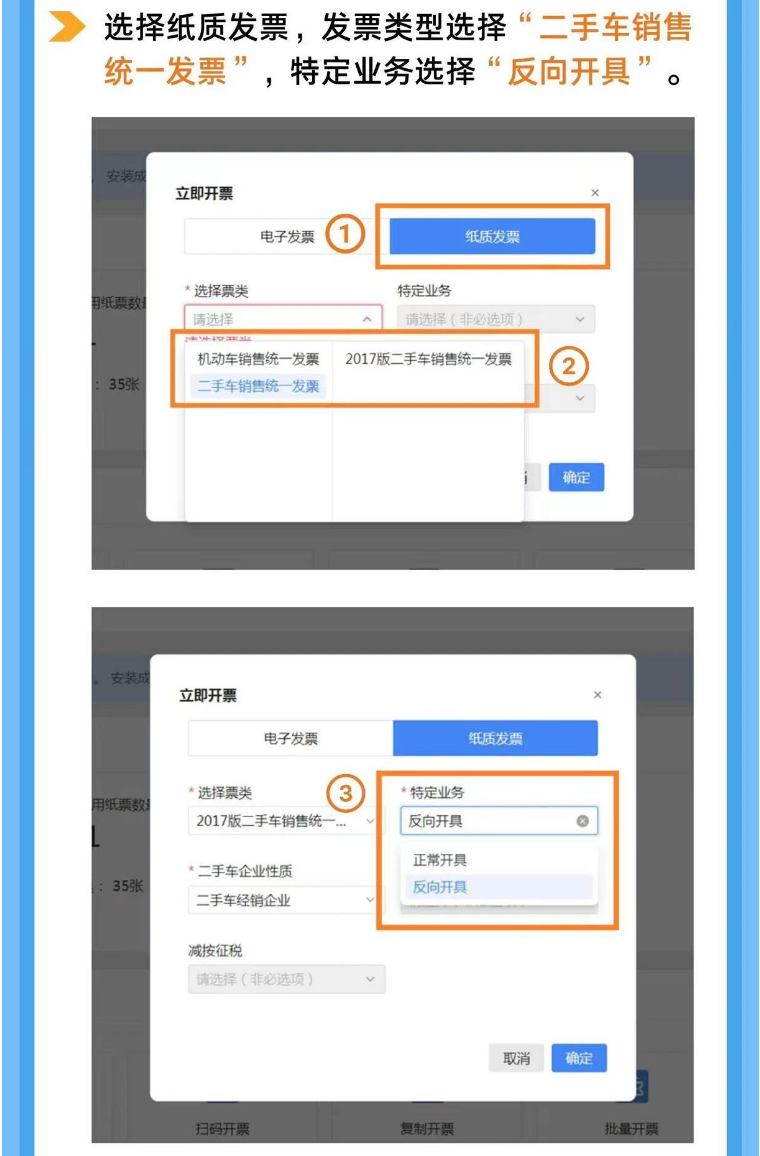
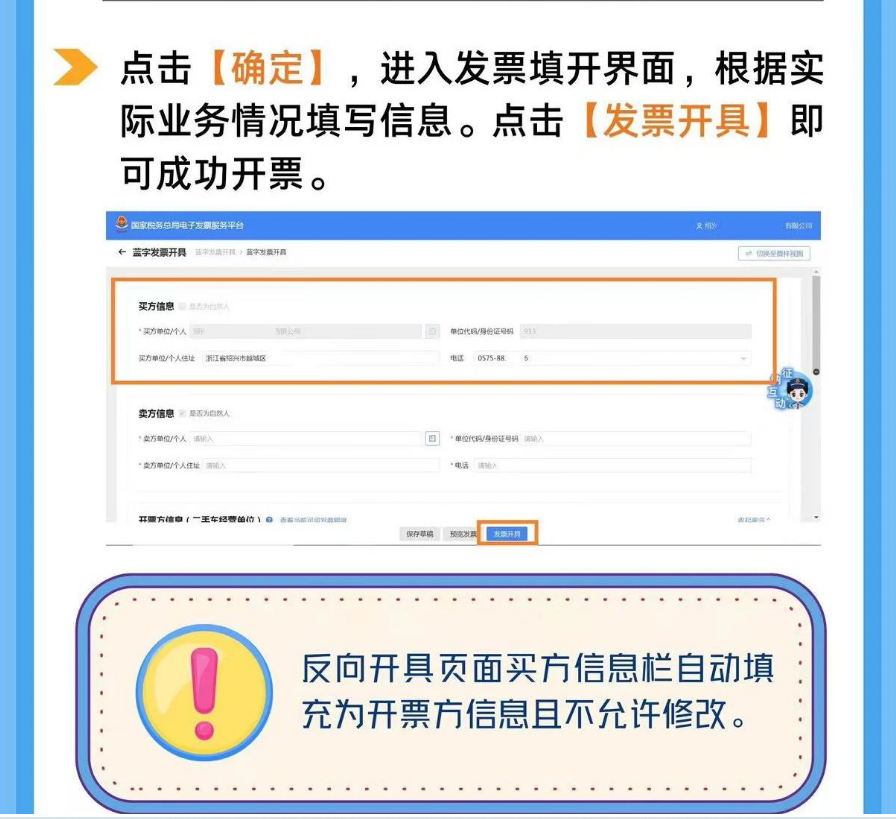
II."Reverse Invoicing" for Second-Hand Cars1、 Policy ProvisionsAnswer: Issuing a reverse invoice for a used car means that when a registered automobile sales enterprise purchases a used car from an individual, since the individual cannot issue an invoice to the purchasing enterprise, to facilitate individual car sales and enterprise operations, the automobile sales enterprise is allowed, as the buyer, to issue a Unified Invoice for Used Car Sales, i.e., a reverse invoice. 2、 Taxation provisions(1) Automobile sales enterprises that have completed filing may use this invoice (reverse invoice) to handle vehicle transfer registration procedures. The reverse invoice issued by the enterprise is a tax-exempt invoice. (2) When an enterprise sells such motor vehicles, VAT is levied at 0.5% under the simplified method. If the enterprise issues a unified invoice for second-hand vehicle sales, and the monthly sales amount does not exceed 100,000 yuan, or the quarterly sales amount does not exceed 300,000 yuan, VAT may be exempted; if the quarterly sales amount exceeds 300,000 yuan, VAT is paid at 0.5% under the simplified method. 3、 Invoicing process
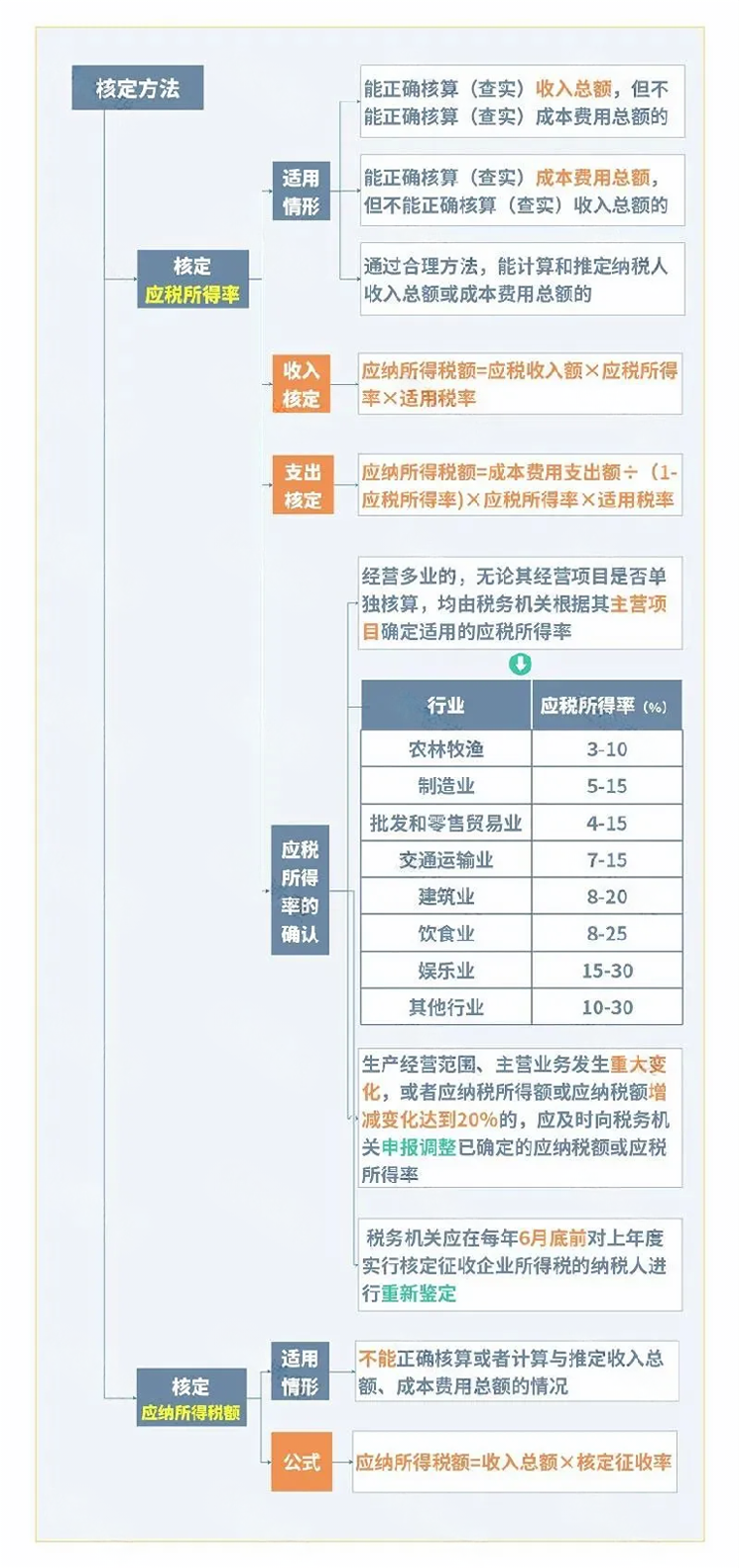
3. About Assessed CollectionI. Under what circumstances can enterprise income tax be assessed on a deemed basis?(1) A taxpayer may adopt deemed profit collection of enterprise income tax under any of the following circumstances: 1. Those that may not set up account books in accordance with laws and administrative regulations; 2. Those that should have set up account books in accordance with laws and administrative regulations but have not done so; 3. Destroying account books without authorization or refusing to provide tax materials; 4. Although account books are set up, the accounts are chaotic or cost materials, income vouchers, and expense vouchers are incomplete, making audit difficult; 5. Where a tax obligation arises but tax filing is not completed within the prescribed time limit, and the tax authority orders filing within a specified period but filing is still not made after the deadline; 6. The tax calculation basis of the filing is obviously low and there is no legitimate reason. (II) Cross-border e-commerce retail export enterprises within comprehensive pilot zones for cross-border e-commerce that simultaneously meet the following conditions may pilot deemed profit collection of enterprise income tax: 1. Registered in the comprehensive pilot zone, and registered the date, name, unit of measurement, quantity, unit price, and amount of export goods on the cross-border e-commerce online comprehensive service platform of the registered place; 2. Export goods go through the customs declaration procedures for e-commerce exports at the customs where the comprehensive pilot zone is located; 3. Export goods that have not obtained valid purchase vouchers and whose VAT and consumption tax enjoy exemption policies. II. Which taxpayers are not subject to deemed corporate income tax collection(1) Enterprises enjoying one or several enterprise income tax preferential policies stipulated in the Enterprise Income Tax Law of the People's Republic of China and its implementation regulations and the State Council (except for preferences that the Ministry of Finance and the State Taxation Administration stipulate that enterprises under assessed collection may enjoy); (II) Consolidated tax filing enterprises; (3) Listed companies; (4) Financial enterprises such as banks, credit unions, microfinance companies, insurance companies, securities companies, futures companies, trust and investment companies, financial asset management companies, financial leasing companies, guarantee companies, finance companies, and pawnshops; (5) Accounting, auditing, asset appraisal, tax, real estate appraisal, land appraisal, engineering cost, lawyer, price verification, notarization institutions, grassroots legal service institutions, patent agency, trademark agency, and other economic verification social intermediary institutions; (6) Enterprises specializing in equity (stock) investment business; (7) Enterprises engaged in real estate development and operation business; (8) Enterprises above a certain scale; (9) Other enterprises stipulated by the State Taxation Administration. III. What methods of deemed corporate income tax collection exist?There are two methods of deemed corporate income tax collection, namely deemed taxable income rate and deemed income tax payable. The specific circumstances of the two methods are shown in the mind map:
Tax authorities are still using deemed taxation to recover taxes, but in recent years tax authorities in various regions have successively introduced policies to cancel deemed taxation for individual industrial and commercial households. Content source: Internet As a comprehensive business-finance-tax digitalization solution service provider, Kailing Technology provides business-finance-tax management digital transformation products and operational services for various government agencies, institutions, and large, medium, and small enterprises. The product line includes: Sales contract management system, procurement contract management system, fully digitalized Leqi interface project, output automatic invoicing system, employee expense controlSolutions for businesses such as the reimbursement system, input VAT invoice management system, supply chain collaboration reconciliation system, image AI OCR recognition system, automated financial accounting system, and electronic accounting archives system, comprehensively advancing digitalization across various fields. If you have any business-finance-tax digital transformation needs, welcome to contact us. Beijing Kailing Technology will serve you wholeheartedly.
|