010-6097 4119Book a Demo


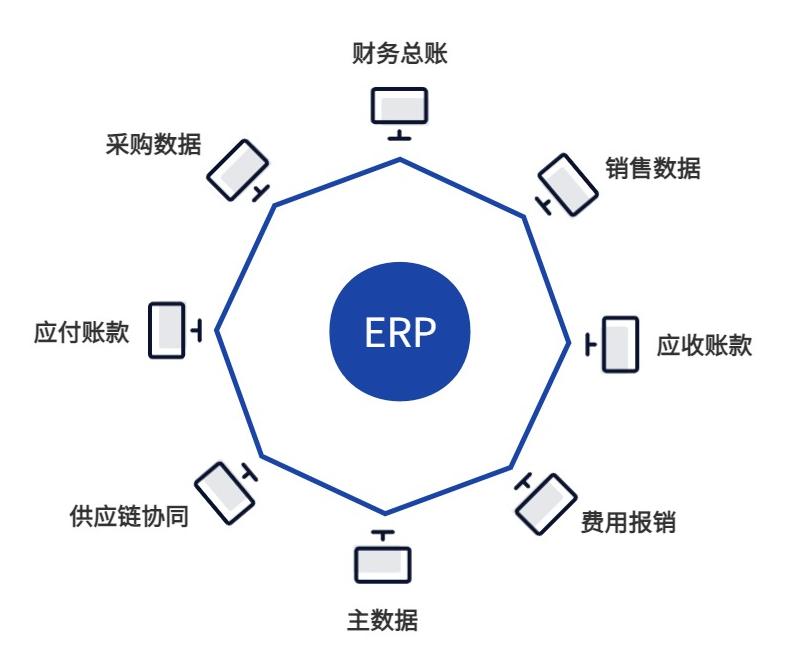
How to respond to complex "fully digitalized e-invoice" application scenariosPublished: 2024-03-22 13:49 Currently, "fully digitalized e-invoices" bring certain challenges to enterprises' existing invoice management systems, job responsibilities, business processes, and the transformation and upgrading of related management systems. For example, changes in invoice circulation forms, invoice face information, booking forms, and management requirements will affect invoice management systems, processes, compliance risk management, data analysis and utilization, ERP-related modules, invoice archive management, and may even lead to process reconstruction. Therefore, when conducting digital invoice management, we suggest not focusing only on invoicing and invoice receipt themselves, but rather using invoices as an entry point to promote the transformation of enterprise tax functions and management improvement. However, during implementation, we need to clearly plan the steps for improving digital invoice management, understand the technical difficulties in building a "fully digitalized e-invoice" system, and understand which functional modules and service capabilities products on the market can provide, so as to make selections. I. Pace of invoice digitalization improvementPhase 1: sort out various scenarios and integrate data from all aspects of the enterprise around the ERP system.
Phase 2: integrate and process data according to established rules.
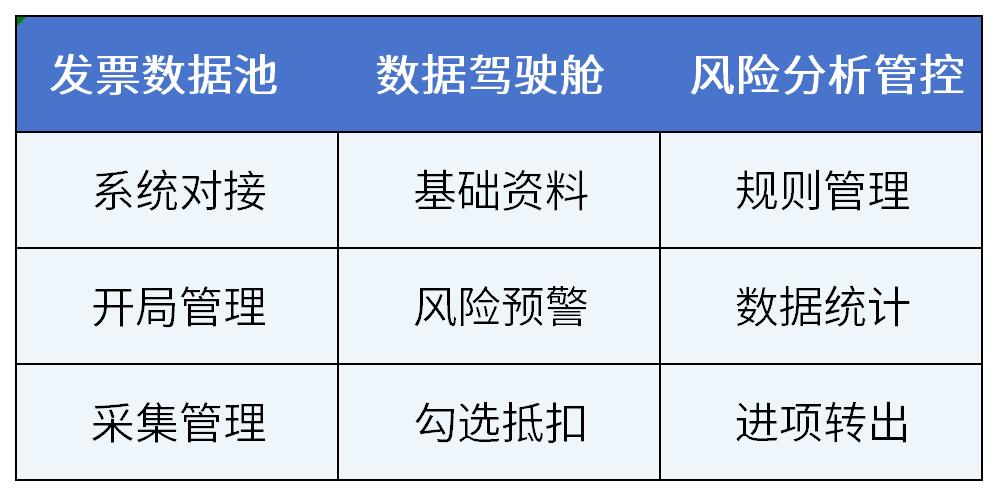
Phase 3: build systems such as the invoice data pool and management cockpit to empower internal and external transformation.
II. Technical difficulties of fully digitalized e-invoices1. Construction plan for the transition periodAlthough the current fully digitalized e-invoice pilot has covered the entire country, traditional tax-control devices, tax UKey, and fully digitalized e-invoices will still coexist for some time. Enterprises should grasp policy trends, prepare transition-period construction plans, and ensure a smooth transition as much as possible to avoid ineffective investment. 2. Build strategy and vendor selectionThere are many suppliers providing invoice-related services; whose products and solutions are most suitable for you?Whether enterprises build in-house or purchase externally?What capabilities are needed for in-house building?How to plan and design the overall solution?How to select purchased solutions? 3. Sorting out invoices and business processesThe full-lifecycle flow of invoices involves multiple departments within the enterprise as well as upstream and downstream suppliers and customers. Large enterprises need to comprehensively sort out the business scenarios, data flows, and workflows involved in input and output invoices. At the same time, they also need to simultaneously consider tax management needs such as VAT tax filing and risk management. 4. Choice of service model and platformWhat are the pros and cons of the Electronic Tax Bureau, the "Leqi Service" self-use mode and other modes, and other facilities??How to ensure data security?What qualifications are required to build a platform in-house?What Are the Technical Thresholds?How to choose at the current stage? 5. Cross-departmental and cross-supply-chain collaborationAn invoice digitalization management system should not be an isolated system. It needs to start from enterprise business scenarios, promote integration of departments, upstream and downstream, data, and systems, and advance related requirement research, data organization, solution design, and system construction through multi-department and multi-system collaboration. III. Kailing Technology LingShuiTong Invoice Management Platform
From the above functional modules, it can be seen that the Ling Shui Tong invoice management platform can not only help enterprises manage the full invoice lifecycle, reduce management costs, break through geographical restrictions, and improve processing efficiency; it can also provide collaborative services for relevant fund documents across the entire financial supply chain process, support end-to-end automation from "fully digitalized e-invoices" to the payment process, greatly shorten settlement cycles, integrate full upstream and downstream receivables and payables information, and further optimize cash flow. can alsoThrough invoice data, optimization nodes and potential risks in the enterprise's invoice-related processes are quickly and effectively identified and captured, improving invoice-related compliance and laying the foundation for automated and intelligent tax management. PlatformSupports seamless integration of modules such as various tax types, tax reports, tax risks, and statistical analysis, providing strong support for the comprehensive digitalization of enterprise tax management and helping enterprises move toward a new stage of smart business-finance-tax development. Beijing Kailing Technology Co., Ltd.——an enterprise business-finance-tax digitalization solution service provider. Kailing Technology provides solutions for sales management systems, procurement management systems, output invoicing systems, input invoice collection systems, imaging management systems, financial posting systems, electronic accounting archives, fully digitalized e-invoice and Leqi interfaces and other businesses according to enterprise needs, professionally and efficiently helping enterprises transform and upgrade their business-finance-tax digital management. If you have any business-finance-tax digital transformation needs, welcome to contact us. Beijing Kailing Technology will serve you wholeheartedly.
|