010-6097 4119Book a Demo


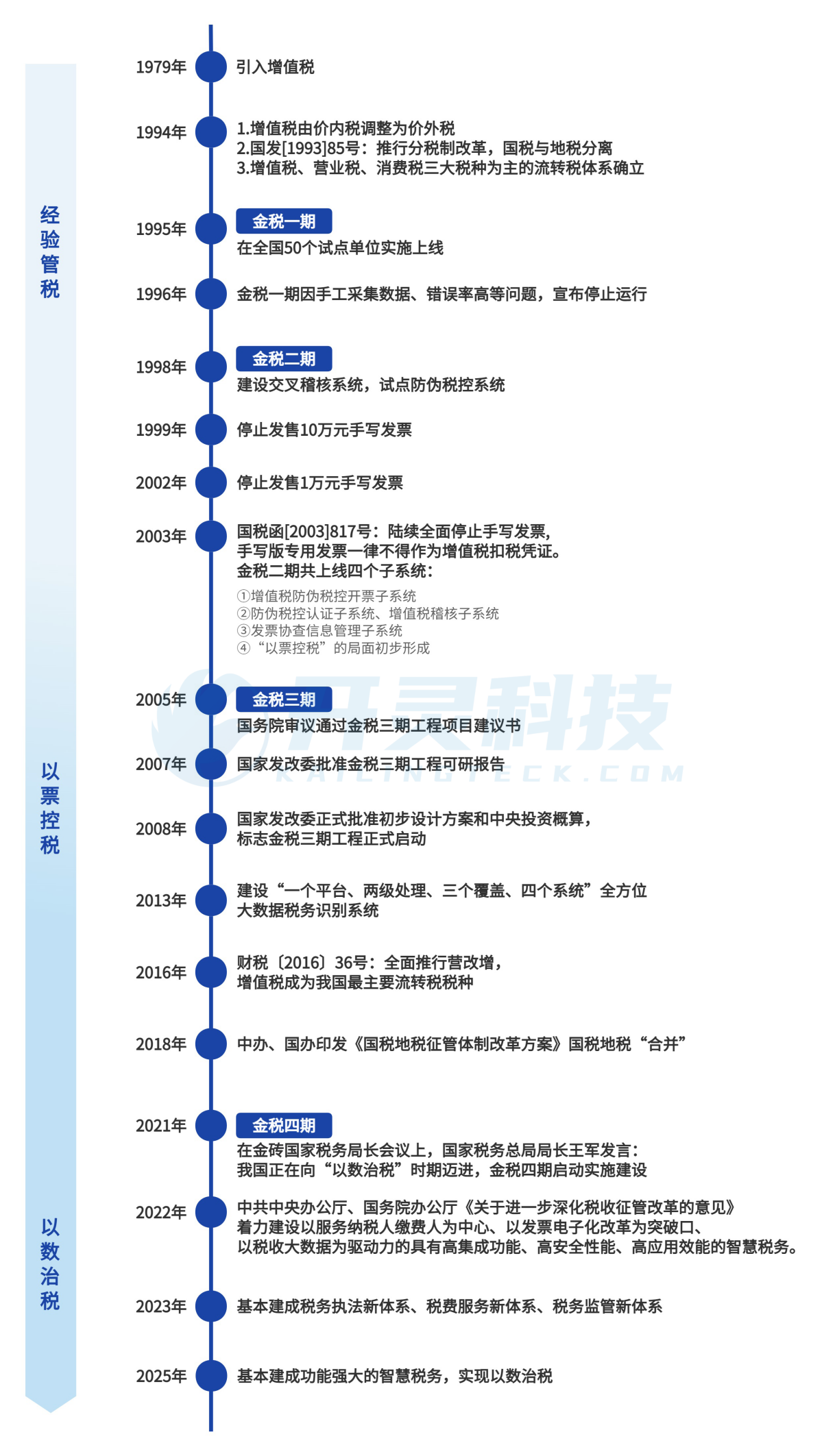
Parsing the ins and outs of China Golden Tax Phase IV, exploring the compliance path in the tax skynet eraPublished: 2024-03-21 16:31 From "collecting tax" to "reporting tax," then upgrading to "calculating tax"; from "going on-machine" to "going online," then leaping to "going on-cloud"; from "experience-based tax management" to "managing tax by invoices," ultimately moving toward "governing tax by data." "Smart taxation" is approaching us. Today let's share the past and present of "China Golden Tax Phase IV," tax risks, and compliant tax planning. I. The Past and Present of "China Golden Tax Phase IV"1. A Brief History of the "Golden Tax Project"
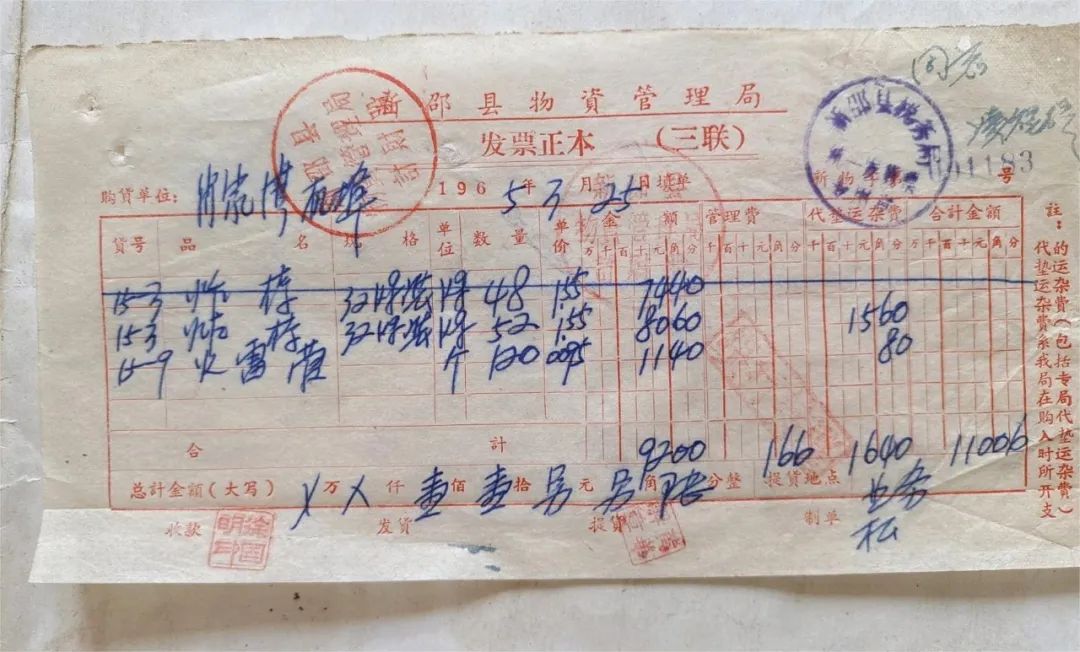
"Golden Tax Phase I"—handwritten invoices:
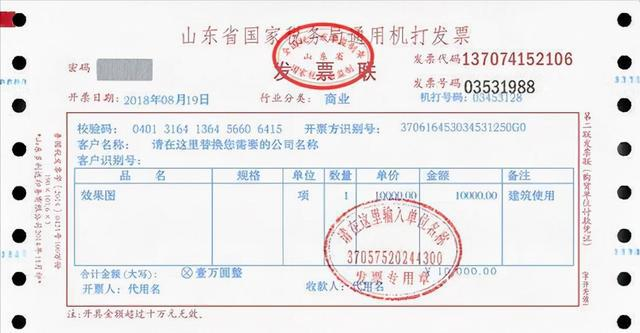
"Golden Tax Phase II"—machine-printed invoices:
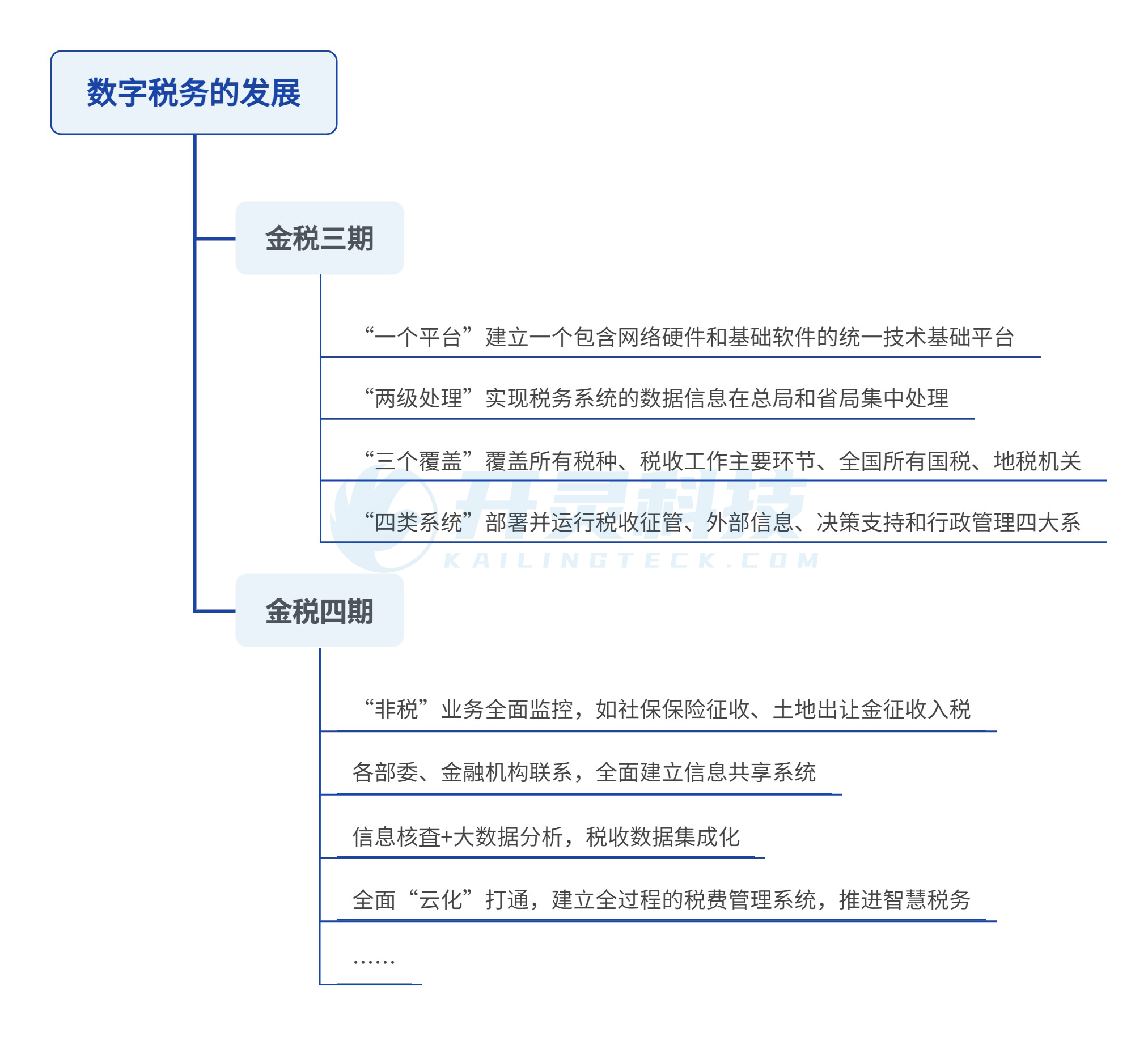
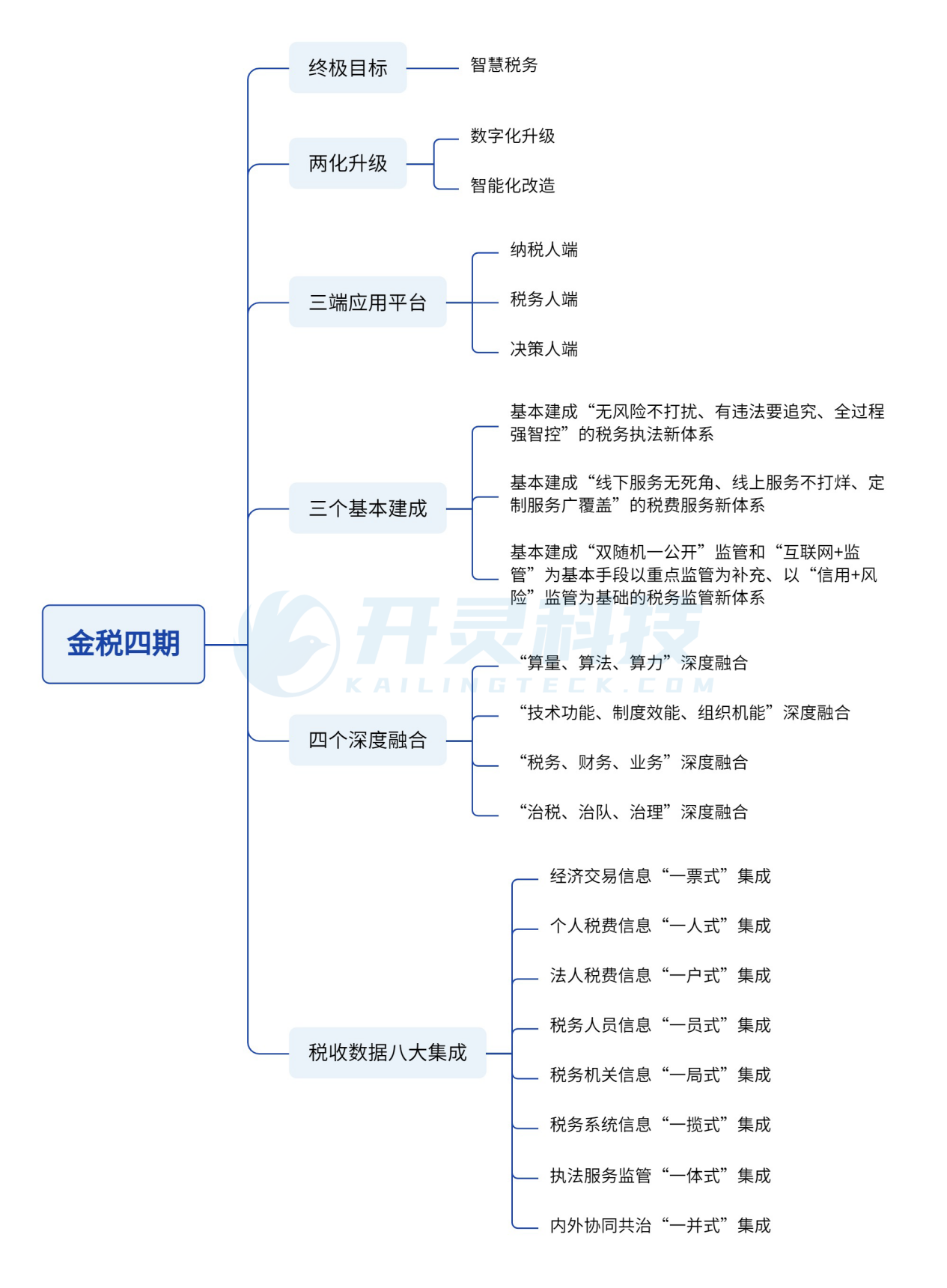
2."Golden Tax Phase III" VS "Golden Tax Phase IV"
3."smart taxation" system
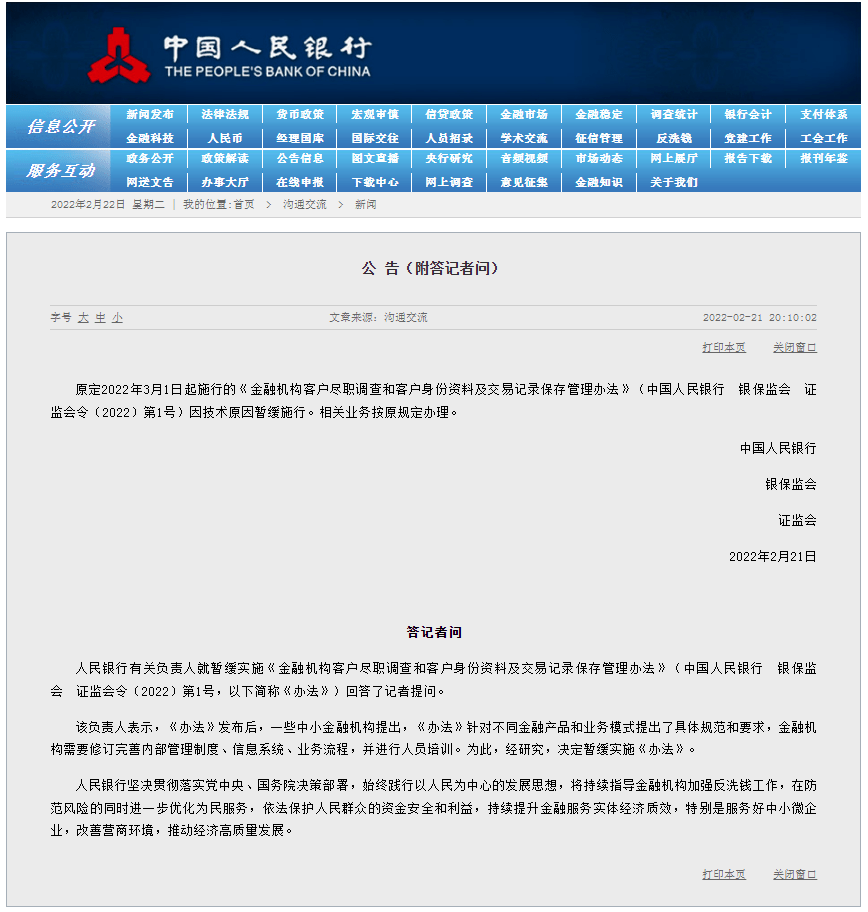
II. Strict regulatory measures accompanying "China Golden Tax Phase IV"1.A natural person handling a single cash deposit or withdrawal of 50,000 yuan or more must register the source and purpose According to Article 10 of the Measures for the Management of Customer Due Diligence and the Preservation of Customer Identity Information and Transaction Records by Financial Institutions, registration is required. Currently, the People's Bank of China has suspended implementation, but suspension does not mean abolition. Considering the promotion of digital currency, cash regulation will inevitably become stricter.
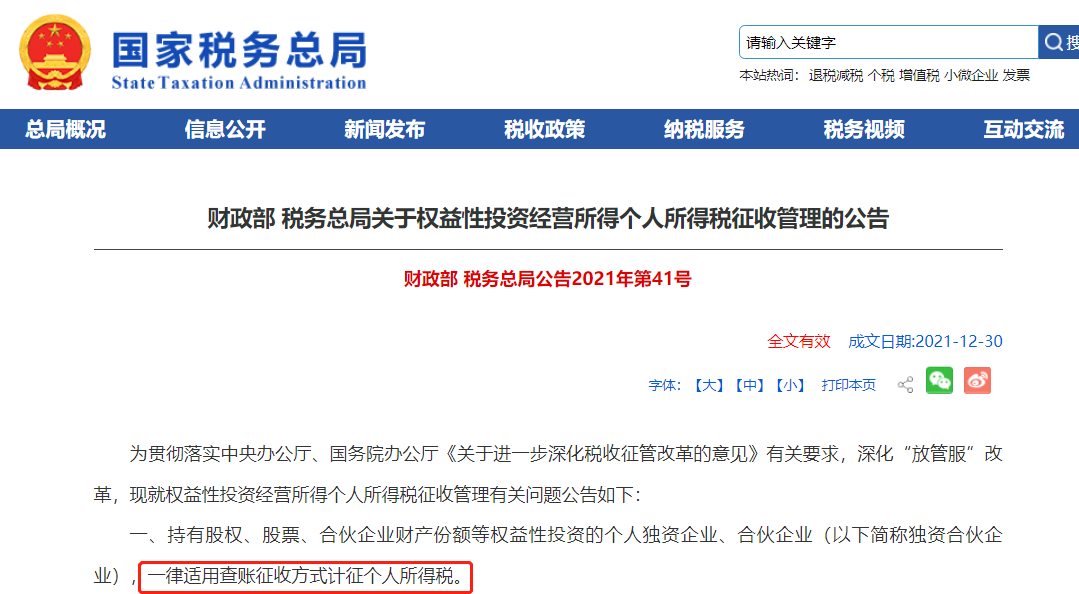
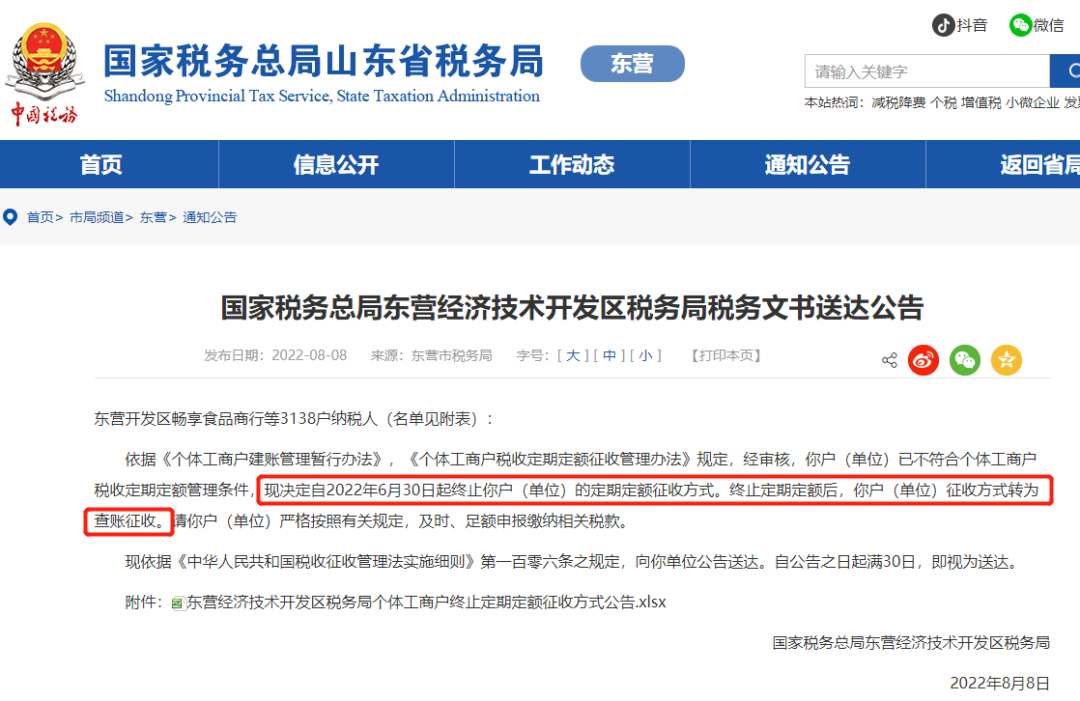
2. Deemed collection may gradually exit the stage of historyDeemed collection can be said to be the most commonly used tax avoidance method by individual businesses, sole proprietorships, and "fan circle" studios. Various regions have gradually narrowed the scope of application. To adapt to "China Golden Tax Phase IV," audit collection has become the development trend.
III. Tax risks under "China Golden Tax Phase IV"Under the major trend of "tax governance by data," many tax risks, such as invoice management, revenue recognition, individual income tax, social insurance contributions, off-book fund circulation, and "shell" companies, will gradually emerge. Below, taking several common matters as examples, we briefly analyze the legal risks involved: 1. Invoice Management RisksThe implementation of "China Golden Tax Phase IV" will drive the transition from "electronic invoices" to "digital invoices," and regulation will enter a new cloud-based stage. Through comparisons of internal and external, upstream and downstream, and financial data, the authenticity and reasonableness of invoices are verified. Due to the characteristics of "digital invoices," it is no longer just the invoice header and amount information that is uploaded; all invoice face information will be subject to tax system regulation. For fraudulent invoicing practices in enterprises (such as issuing invoices without real transactions, invoice amounts inconsistent with transaction amounts, invoices issued by others on behalf, etc.), big data analysis will enable the tax system to identify anomalies more quickly. The tax system's grasp of invoice information may exceed that of the enterprises themselves; therefore, compliance in invoice use management will be an inevitable trend. 2. Revenue and cost accounting risksThe new revenue standard requires enterprises to recognize revenue when the customer obtains control of the relevant goods, but tax law requires consideration of policies for different tax types, which leads to differences between accounting and tax law in revenue recognition. After China Golden Tax Phase IV began operation, the tax system compares enterprise financial statements and tax returns, analyzes the matching of revenue and costs, and conducts linked checks on the business data of upstream and downstream suppliers of tax-related enterprises to see whether there are anomalies. The integration of tax data enables information sharing between the tax system and financial institutions, and off-book revenue will also be subject to supervision. In the era of smart taxation, using the intelligent data aggregation function of information systems, the tax system can still discover tax violations by enterprises. Therefore, standardizing revenue accounting, off-book revenue, and fund use is crucial for preventing tax risks. 3. Legal risks of "shell" companiesCurrently, some intermediary agencies on the market illegally provide tax planning services by registering "shell" companies, forging tax incentive qualifications, and registering in "tax havens," helping taxpayers evade taxes or fraudulently obtain tax incentives. Under China Golden Tax Phase IV, government departments have achieved cloud-based connectivity and information sharing, enabling tax authorities to query the authenticity of enterprises in a multi-dimensional and three-dimensional manner, no longer using the single-point, single-line, one-sided audit methods of the pre-China Golden Tax Phase III era. With the advancement of digital upgrading and intelligent transformation, tax authorities can understand enterprises' operating conditions and account-opening qualifications in detail, precisely cracking down on fraudulent accounts. Therefore, both individuals and enterprises should be clear that tax planning should adopt legal and compliant methods, and registering "shell" companies will inevitably plunge oneself into a vortex of tax risks. IV. Tax compliance and planning under "China Golden Tax Phase IV"Some may ask: in the era of "smart taxation," enterprises and individuals are like "transparent people" before the tax system, so is tax planning still necessary? The answer is that it is certainly necessary. The significance of tax planning lies not only in tax savings, but also in tax compliance, preventing tax risks, and improving the efficiency of capital use. Therefore, there is still room for tax planning. 1. Accurately interpret tax policiesUnder the background of "tax reduction and burden reduction," national and local governments will continuously introduce various tax preferential policies, and rationally using these policies is the foundation of compliant tax planning. Enterprises can, by hiring external tax planning teams or cultivating internal tax management teams or specialists, promptly pay attention to and interpret national or local tax preferential policies, provide analytical opinions to management, and reduce the risk of unreasonable use of tax policies or tax non-compliance caused by decision-making errors. At the same time, strengthen communication with the competent tax authorities, reduce the tax authority-enterprise information gap, and further reduce tax-related risks. 2. Establish a tax risk early-warning mechanismAs mentioned above, enterprises can choose to hire an external tax planning team or set up an internal tax specialist position according to actual circumstances, responsible for identifying and preventing tax risks. In addition, enterprises need to understand the overall tax burden rate situation of their location, and clarify the reasonable tax burden rate range as well as the tax burden rate level that may attract the attention of tax authorities. Enterprises should incorporate financial data such as revenue, costs, and profits into tax risk assessment, set quantitative indicators, and ensure the overall tax burden rate is within a reasonable range. By establishing a tax risk early-warning mechanism, when the enterprise's overall tax burden is low, timely adjustments can be made to reduce the risk of tax audits. 3. Equal emphasis on financial compliance and tax complianceFinancial compliance is the premise and foundation of tax compliance. Only by doing financial compliance well can operational space be provided for tax compliance and planning. At present, many SMEs still have the problem of parallel "external books" and "internal books," and in actual operations there are still issues such as false invoicing, failure to carry forward cross-year revenue, misuse of accounting subjects, long-term hanging accounts and write-off of bad debts, and irregular related-party transactions. With China Golden Tax Phase IV connecting all tax and fee data in the cloud, it is an inevitable trend for enterprises to unify into one set of books. At the same time, standardize financial statement data in accordance with the Accounting Law and enterprise accounting standards, which can both reduce financial risk and ensure tax compliance and planning. Summary The promotion and implementation of "China Golden Tax Phase IV" may make enterprises, in the face of the tax system,BecomeNowhere to hidethe "transparent person". However, compliant tax planning and reducing tax risks remain necessary needs for enterprises. Only by following the digital trend and achieving tax planning goals through compliant methods can enterprises thrive. Content sourced from the internet Beijing Kailing Technology Co., Ltd.——an enterprise business-finance-tax digitalization solution service provider. Kailing Technology provides solutions for sales management systems, procurement management systems, output invoicing systems, input invoice collection systems, imaging management systems, financial posting systems, electronic accounting archives, fully digitalized e-invoice and Leqi interfaces and other businesses according to enterprise needs, professionally and efficiently helping enterprises transform and upgrade their business-finance-tax digital management. If you have any business-finance-tax digital transformation needs, welcome to contact us. Beijing Kailing Technology will serve you wholeheartedly.
|