010-6097 4119Book a Demo


Comprehensive analysis of "fully digitalized e-invoices": New invoice reforms under China Golden Tax Phase IVPublished: 2025-04-22 17:27 Content timeliness statement (updated 2026-08-29) This article was originally published on 2025-04-22. The following are changes to current regulations related to this article since publication:
In an era where the digital wave is sweeping across every industry, the field of tax collection and administration has also ushered in major changes. With the advancement of China Golden Tax Phase IV, "fully digitalized electronic invoices" (abbreviated as "fully digitalized e-invoices"), as a core innovation, are reshaping corporate invoice management models. This article will comprehensively analyze this new tax ecosystem from dimensions such as the core meaning, technological breakthroughs, development trajectory, and corporate response strategies of fully digitalized e-invoices. I. The core essence of fully digitalized e-invoices: a new invoice form disrupting traditionFully digitalized e-invoices are a new invoice system built under China Golden Tax Phase IV, whose core lies in achieving the leap of invoice management from "paper dependence" to "digital native" through full-process digital transformation. Compared with traditional e-invoices, they have three disruptive characteristics: ▪ Paperless form: completely free from paper carriers, no printing or mailing required, completing the entire chain of issuance, circulation, and booking through digital form. ▪ De-dependence on media: abandon dedicated devices such as tax control disks and golden tax disks, rely on network trusted identity authentication technology to achieve "identify the person, not the disk," and taxpayers can issue invoices using only their digital identity. ▪ Extreme simplification of invoice types: integrates multiple invoice types such as VAT special invoices and ordinary invoices into a single electronic invoice type, achieving functional classification through tag-based management (such as "differential taxation" and "non-taxable" tags), solving the problem of numerous traditional invoice types. In addition, fully digitalized e-invoices also feature nationwide unified coding and automatic circulation and delivery. The former ensures invoice uniqueness through nationwide unified coding rules, while the latter automatically pushes invoices to recipients via the tax system, greatly improving invoice circulation efficiency. II. Technical Breakthrough: Intelligent Empowerment for Upgrading Tax GovernanceChina Golden Tax Phase IV endows fully digitalized e-invoices with two major core technological advantages: ▪ Label-based management system: By setting status labels (such as "Issued", "Red-ink reversal", "Voided") and purpose labels (such as "Deduction", "Booking"), the invoice circulation status is collected in real time; tax authorities can precisely track the full lifecycle of invoices, and enterprises can classify and manage invoices more efficiently. ▪ Media-free authentication system: using digital signatures, blockchain and other technologies to build a trusted online identity authentication system. Taxpayers no longer need physical media and can complete identity verification through the electronic tax bureau or the "Leqi" interface, significantly reducing invoicing costs, especially benefiting small and medium-sized enterprises. These technological innovations not only improve tax filing convenience but also drive the transformation of tax supervision from "managing tax by invoice" to "governing tax by data." Tax authorities can achieve precise supervision of corporate tax behavior through real-time collection and analysis of invoice data, optimizing the business environment.
III. Development trajectory: evolution from the Golden Tax Project to the fully digitalized eraThe birth of fully digitalized e-invoices stems from the continuous iteration of the Golden Tax Project: ▪ Golden Tax Project foundation (since 1994): as one of the national-level e-government "Twelve Golden" projects, the Golden Tax Project has undergone three phases of construction, building an informatization system covering VAT management, invoice anti-counterfeiting, and other functions, laying the digital foundation for tax collection and administration. ▪ China Golden Tax Phase IV launch (2021 to present): aiming for "electronicization of all domains, all links, and all elements," the State Taxation Administration launched China Golden Tax Phase IV, focusing on building a unified national new electronic tax bureau, using fully digitalized e-invoices as the entry point to promote "tax governance through data" classified and precise supervision. In this process, tax authorities are transforming from "regulators" to "service providers": through digital means, paper documents and vouchers are converted into standardized electronic data. In the long run, enterprises will enjoy efficiency improvements brought by data interoperability; but in the short term, they need to invest resources to adapt to system upgrades and process reengineering.
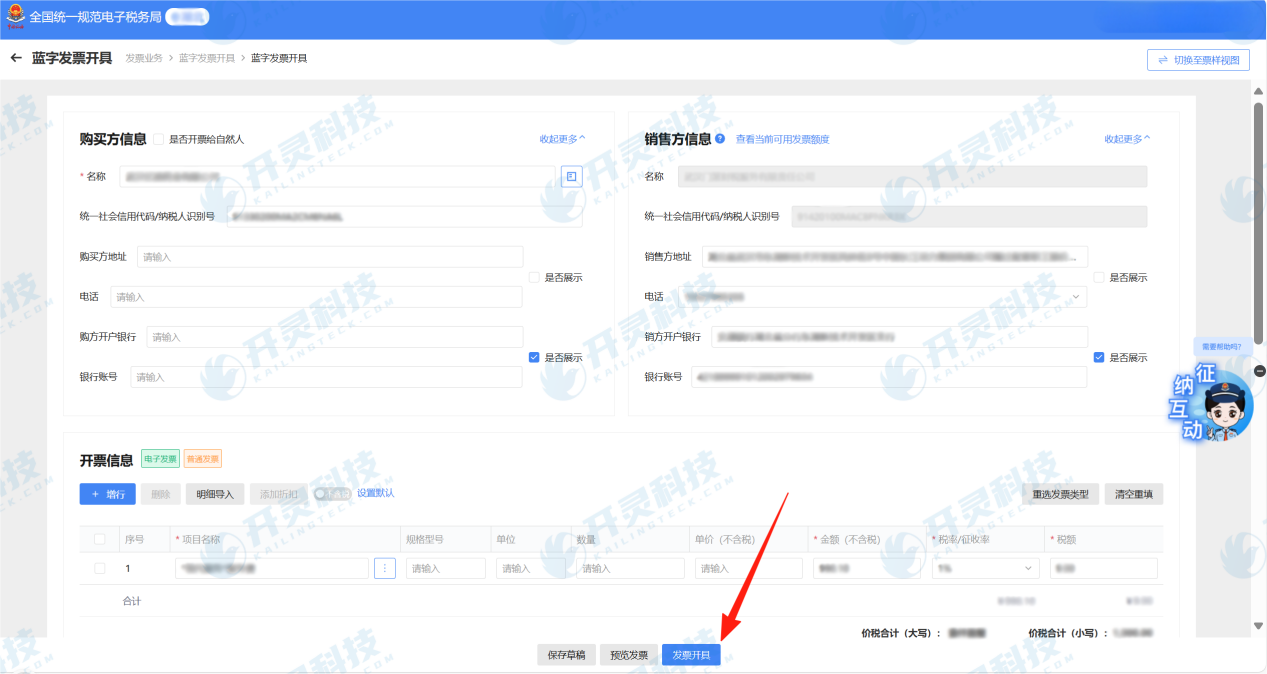
IV. Enterprise response strategies: transformation path under dual-track operationFaced with the rollout of fully digitalized e-invoices, enterprises need to choose an appropriate path based on their own scale and informatization level: ▪ Electronic tax bureau (basic entry): suitable for small, medium and micro enterprises, completing invoicing and invoice usage operations manually by logging into the electronic tax bureau, meeting basic business-finance-tax management needs.
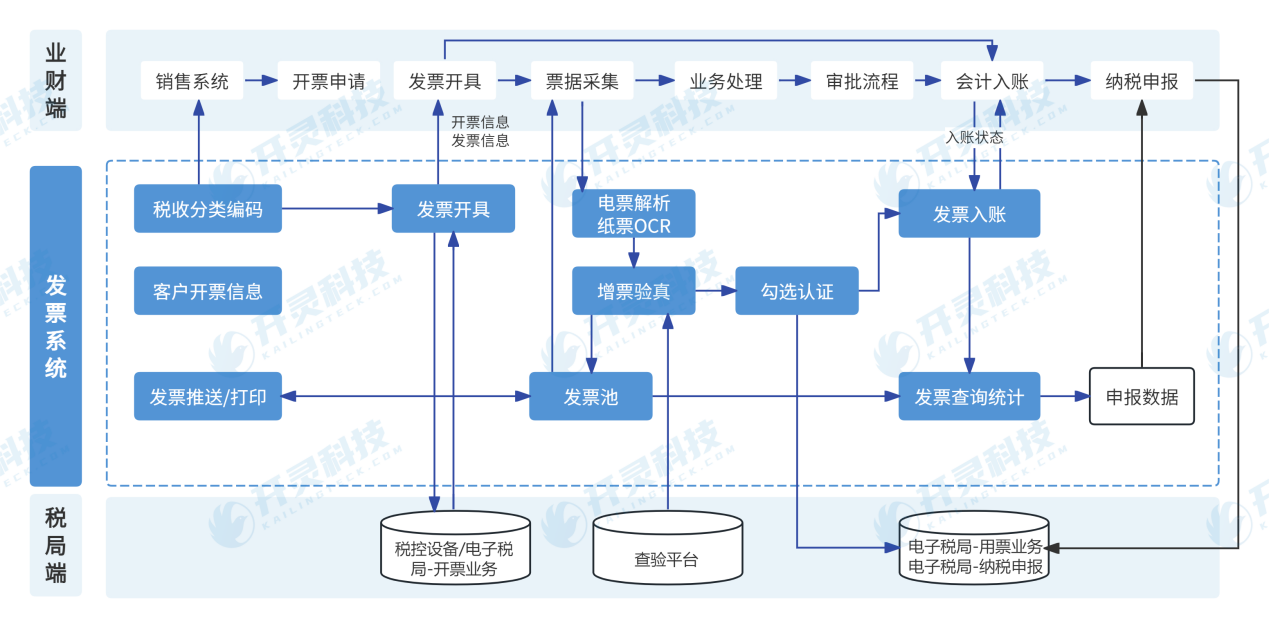
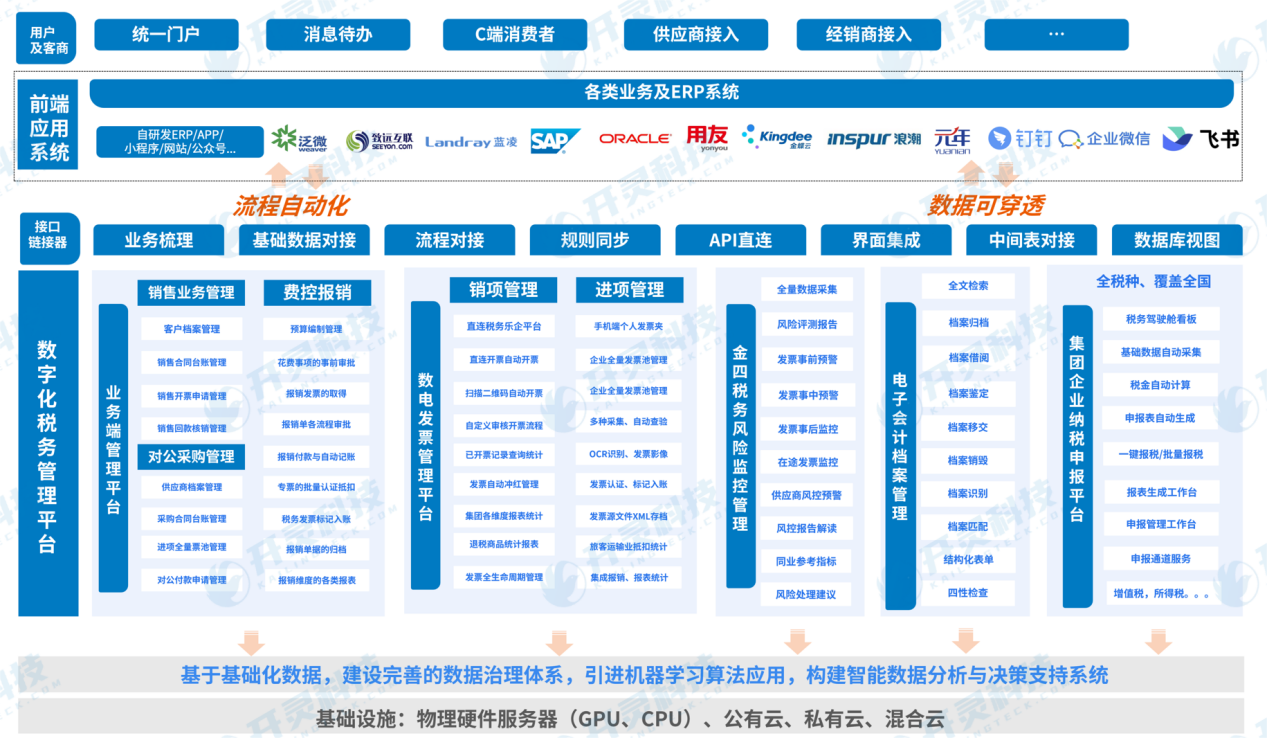
▪ "Leqi" interface (advanced solution): suitable for group enterprises, high-tech enterprises, etc. Through system integration with the tax bureau interface, it enables integrated business-finance-tax management. For example, an enterprise ERP system can directly call the "Leqi" interface to issue invoices, and data is automatically synchronized to the financial system, breaking down data silos among business, finance, and tax.
▪ Invoicing stage: A "dual-track system" is currently implemented, with the electronic tax bureau and the "Leqi" interface coexisting (some special businesses such as motor vehicle invoices have already advanced to a single track). Enterprises can choose the channel based on invoicing frequency and automation needs. ▪ Invoice usage stage: implements a "single-track system", requiring selection of either the electronic tax bureau or the "Leqi" interface to complete operations such as invoice deduction and bookkeeping; enterprises are advised to plan ahead based on the compatibility of their financial systems. The implementation of fully digitalized e-invoices is not only a change in invoice form, but also an important milestone in the modernization of tax governance. With the deepening advancement of China Golden Tax Phase IV, enterprises will face more efficient regulation and more convenient services: breaking down data silos will promote deep business-finance-tax integration and further reduce institutional transaction costs; through intelligent data analysis, tax authorities can precisely identify enterprise needs and provide personalized services. For enterprises, it is necessary to take fully digitalized e-invoices as an opportunity to accelerate digital transformation: in the short term focus on system adaptation and process optimization, in the medium term advance business-finance-tax integration, and in the long term build a data-driven smart business-finance-tax system. Only by actively integrating into the "fully digitalized e-invoice era" can one seize the initiative in the new tax ecosystem and achieve dual improvements in compliance and efficiency. From "managing tax by invoices" to "governing tax by data," fully digitalized e-invoices are opening a new chapter in tax collection and administration. This transformation is both a challenge and a strategic opportunity for enterprises to improve their digital management level. As technology matures and the ecosystem improves, fully digitalized e-invoices will become an important booster for enterprise digital transformation, injecting new momentum into high-quality development. For more business-finance-tax digitalization needs, please consult Kailing Technology:https://www.kailingteck.com/ 。 As a comprehensive business-finance-tax digitalization solution service provider, Kailing Technology provides business-finance-tax management digital transformation products and operational services for various government agencies, institutions, and large, medium, and small enterprises. The product line includes: Sales contract management system, procurement contract management system, fully digitalized LeqiSolutions for enterprise interface projects, automatic output invoicing systems, invoice issuance for individuals systems, employee expense control and reimbursement systems, input VAT invoice management systems, supply chain collaboration reconciliation systems, image AI OCR recognition systems, automatic financial bookkeeping systems, electronic accounting archives systems, and other businesses, comprehensively advancing digitalization in various fields. If you have any business-finance-tax digital transformation needs, welcome to contact us. Beijing Kailing Technology will serve you wholeheartedly.
|