
Kailing Technology helps PELLIOT launch the electronic accounting archives system, connecting the integrated business-finance-archives chain for the outdoor apparel retail chain
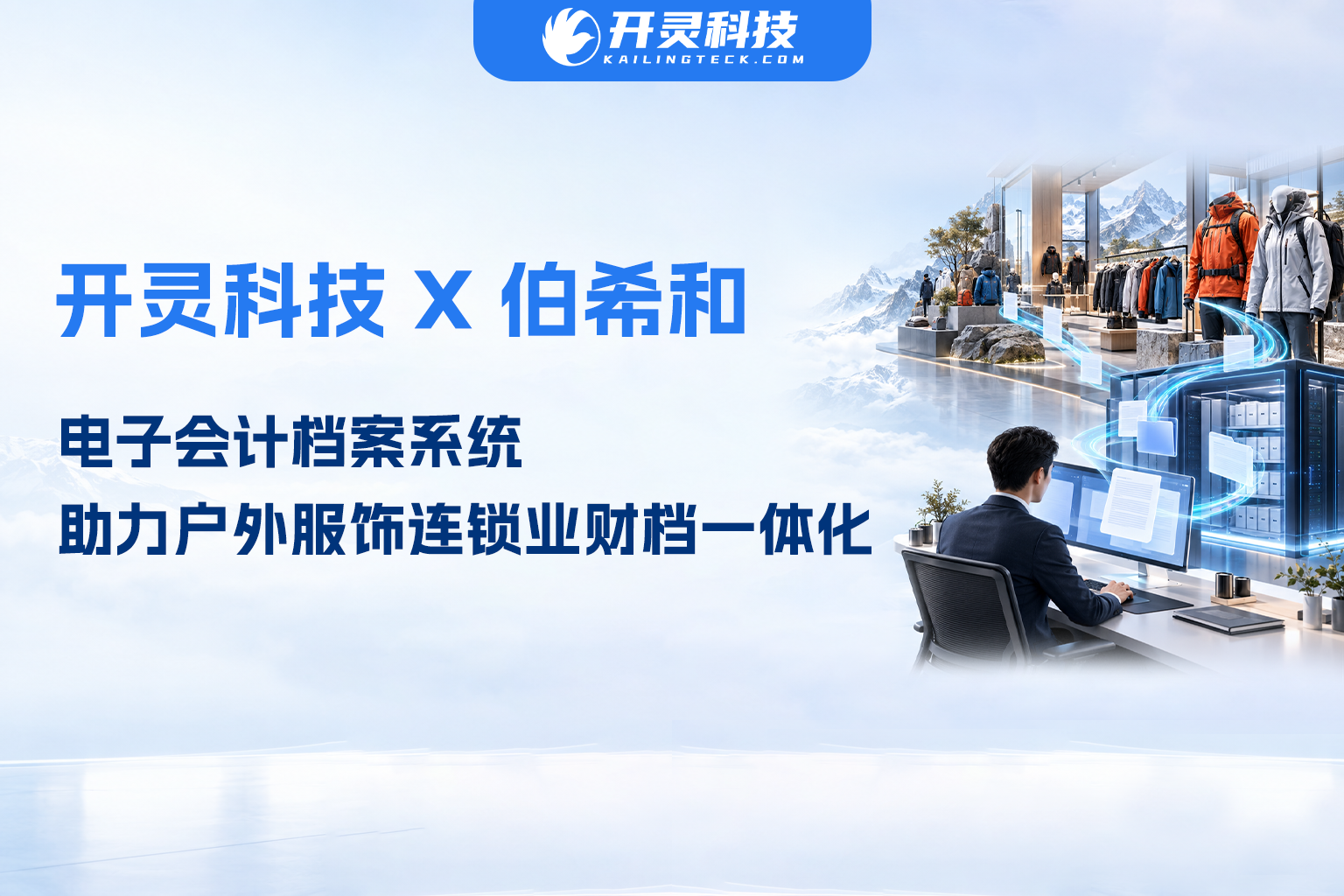
A directly operated store submits an expense reimbursement; headquarters completes approval in Weaver OA; SAP generates the accounting voucher; and the invoice, attachments, and business documents ultimately enter the financial archives. For a fast-growing retail chain, this chain of steps repeats every day. What truly affects management efficiency is often not a single document, but whether, after a voucher is created, the corresponding approval process, purchase order, sales delivery, and original attachments can be quickly found.
Recently, Beijing Kailing Technology Co., Ltd. helped PELLIOT, a high-performance outdoor lifestyle brand, complete the launch of its electronic accounting archive system. The system is privately deployed in the enterprise's own environment and, based on existing business documents and reconciliation rules, connects Weaver OA, SAP and electronic archive management, enabling vouchers, business documents and attachments to be centrally bound into volumes and queried by linkage within a single system, laying a solid foundation for business-finance-archive integration as PELLIOT's chain retail business continues to expand.
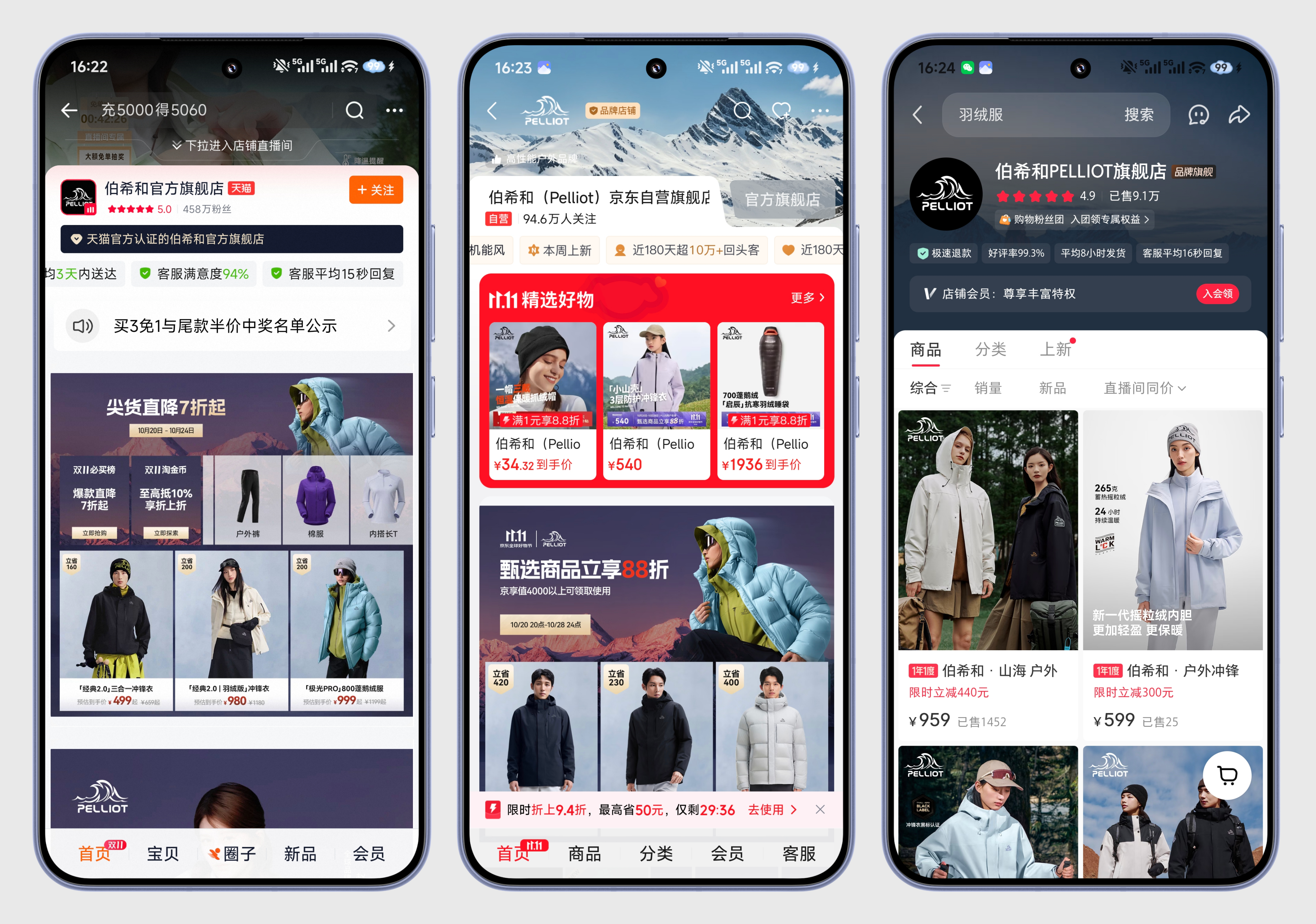
PELLIOT was founded in 2012. Its operating entity is Benfu Ziran Outdoor Sports Group Co., Ltd., headquartered in Beijing. The brand focuses on high-performance outdoor apparel and equipment, continuously serving diverse outdoor scenarios such as hiking, mountaineering, and camping. As a national high-tech enterprise and a specialized, refined, distinctive and innovative (SRDI) enterprise, the group has grown to more than 1,000 employees and has laid out over 100 directly operated stores across North China, South China, and East China.
As online and offline multi-channel retail run in parallel, the number of stores, business types and archiving entities continues to increase, and documents such as expense reimbursements, procurement, sales delivery and asset management grow accordingly. How to bring materials scattered across process systems, financial systems and paper archives back onto the same business chain without changing existing business habits has become an important step for PELLIOT in improving the sophistication of group financial management.

1. Connecting OA, SAP, and paper archives
In the original business environment, Weaver OA carried approval processes such as reimbursement, loans, and payments; SAP carried core data such as financial accounting, purchase orders, and sales delivery; and accounting archives were mainly paper materials. Each of the three links completed its own work, but vouchers, original documents, and attachments did not naturally converge into the same query entry point.
When finance staff need to review a business transaction, they often first find the voucher in SAP, then enter OA to trace the approval records, and if necessary search through paper attachments. As stores and archive entities increase, this manual stitching across systems and carriers not only lengthens the query path but also puts greater pressure on the sorting, binding, storage, and retrieval of paper archives. What PELLIOT needs is not another isolated system, but to truly organize existing business and financial data into a continuous, clear, and traceable set of electronic archives.

2. Reusing existing documents and unifying electronic archiving
Building electronic archives does not mean overturning the business systems an enterprise already runs successfully. Kailing Technology starts from PELLIOT's existing documents and brings business documents such as personal loan applications, travel expense reimbursements and corporate prepayments into electronic archiving, without creating a separate unfamiliar directory or requiring business departments to adapt to a new document language.
Each type of document is presented according to PELLIOT's existing standard templates, with fields, sections and layout kept as consistent as possible with offline documents. When finance staff open an electronic archive, they still see the familiar business structure; the system completes classification, aggregation and binding into volumes in the background. Kailing Technology uses product capabilities to carry forward the customer's existing management approach, so that digital transformation lands in real workflows rather than remaining on a feature list.

3. Automatically linking vouchers and business documents
Unified archiving solves the question of where materials are stored, while automatic linking further answers which business transaction these materials belong to. Around PELLIOT's finance and retail business scenarios, Kailing Technology implemented nearly 50 reconciliation rules that automatically establish links between accounting vouchers and OA approval workflows, SAP purchase orders, sales delivery notes and source attachments.
Finance staff can click on a voucher and view the complete chain from approval to transaction and from business documents to source attachments along the linked relationships. Materials originally scattered across different systems and media are thus organized into a traceable, reviewable evidence chain. For chain retail enterprises, this not only shortens the daily retrieval path but also enables headquarters finance to understand more intuitively the business process behind a voucher.

4. Unified archive management across multiple entities
Archive management for chain retail enterprises must both meet headquarters' unified standards and adapt to the business boundaries of different archiving entities. Kailing Technology's electronic accounting archive system supports unified management of multiple archiving entities under a group, organizing archives, permissions and retrieval scope by entity on the same platform, enabling clear switching between the group view and the entity view.
When PELLIOT subsequently adds archive entities, it can complete onboarding by reusing the templates and rules already established. Standards do not need to be rebuilt, and management methods do not need to be adjusted from scratch. Through "unified foundation, management by entity, and expansion by standard," the system can better follow organizational and business changes, preserving room for continuous growth for group operations.

5. Private deployment and intelligent recognition
This project uses private deployment. The electronic accounting archive system runs in PELLIOT's own environment, and core business data and archive materials remain inside the enterprise. Combined with permission control, classification management and ongoing operations and maintenance support, the group can advance electronic archive use within its existing IT governance framework, better balancing data security, management standards and daily use.
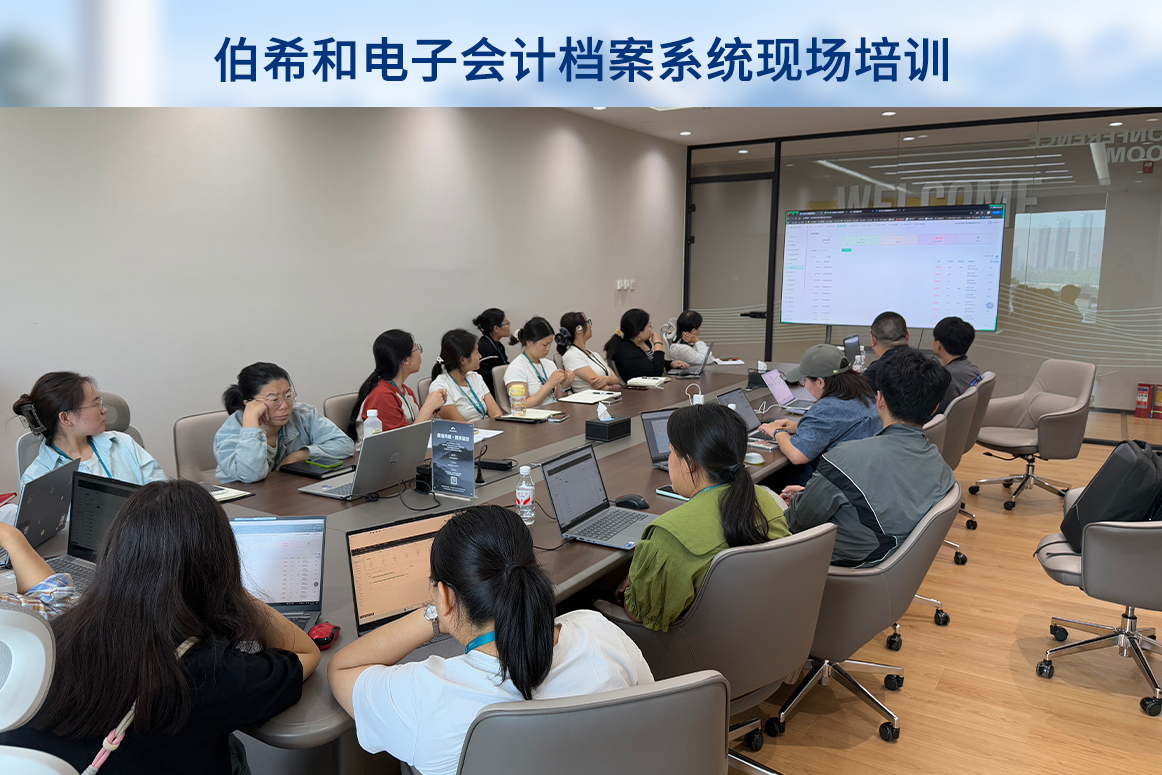
The project also introduced Kailing Technology's AI OCR large-model document intelligent recognition capability, providing intelligent support for scanned copies, image materials and structured information entering electronic archives. Kailing Technology's implementation team worked collaboratively on solution design, system deployment, interface integration testing, rule configuration, user training and go-live support, completing the project in about three months, truly turning product capabilities into a management tool that PELLIOT can use sustainably.
From document sorting to reconciliation rules, from system integration to private environment deployment, this project demonstrates Kailing Technology's comprehensive delivery capability in the electronic accounting archives field: it understands both financial compliance and archive management requirements, and can also go deep into an enterprise's existing processes, completing complex business implementation with a configurable product foundation and professional implementation services.

6. Integrated retrieval of vouchers, documents, and attachments
After the system goes live, vouchers, business documents and attachments can be centrally bound into volumes in one system and retrieved at any time by dimensions such as archiving entity and business type. Materials that previously required searching item by item across OA, SAP and paper archives can now be quickly expanded along a single voucher; finance queries no longer show only accounting results but can also return to the complete process of how the business occurred.
For PELLIOT, the electronic accounting archives system not only undertook the digital transformation of paper archives but also established a unified, stable, and replicable archive foundation for the continuous expansion of the retail chain network. For Kailing Technology, this project once again validated its electronic archive building capability centered on customer business, with system integration as the path and compliance and security as the foundation.
In the future, Kailing Technology will continue to deepen its work in group enterprises and chain retail scenarios, focusing on connecting financial data, business documents and electronic archives, and providing more enterprises with integrated support from product and implementation to ongoing service, so that every voucher can trace its business origin and every archive can quickly deliver value when needed.
About Kailing Technology
As a national high-tech enterprise, Kailing Technology focuses on the digital and intelligent transformation of enterprise business-finance-tax and operations management, providing software products, system integration, implementation and delivery, and operational services for various government agencies, institutions, group enterprises, and SMEs.
The company has now formed ten core product lines, including: AI digital employee system, enterprise expense control management system, customer relationship management system, reverse invoicing management system, invoice issuance for individuals management system, electronic archives management system, tax fully digitalized e-invoice Leqi system, tax invoice management system, group tax filing system, and AI OCR recognition system. It is committed to connecting enterprise business, finance, tax, funds, and archive data to help customers improve operational efficiency, business-finance-tax compliance capabilities, and digital management levels.
Note: Some images in this article come from PELLIOT store screenshots and on-site photos; the remaining images are AI-generated. The images and text are used only for case illustration, and copyright belongs to the original rights holders.
As a comprehensive business-finance-tax digitalization solution service provider, Kailing Technology provides business-finance-tax management digital transformation products and operational services for various government agencies, institutions, and large, medium, and small enterprises. The product line includes: solutions for sales contract management system, procurement contract management system, fully digitalized Leqi interface project, automatic output invoicing system, reverse invoicing system, invoice issuance for individuals system, employee expense control and reimbursement system, input VAT invoice management system, supply chain collaborative reconciliation system, image AI OCR recognition system, automatic financial bookkeeping system, electronic accounting archives system, etc., comprehensively driving the digitalization process across various fields.
Consultation Hotline: 18513895936 / 010-60974119 Location: Beijing