
How can agricultural product procurement avoid mismatching payment and farmers? Kailing Technology's agricultural product purchase reverse invoicing system pays by order
At five in the morning, the procurement vehicle delivered a load of grain to the purchasing point. The contact person handed over a list: the goods came from three farming households, he arranged loading and transportation uniformly, but the payment was planned to be sent entirely to his account. The weighbridge had already measured the total weight, and the warehouse was preparing to unload; if an order were created only by vehicle and total amount, the three households' self-production information, quantities, and payments would be mixed together.
Kailing Technology's agricultural product purchase reverse invoicing system separates four roles from the moment the vehicle arrives: the actual agricultural producer, the purchasing agent contact, the on-site deliverer, and the payee. The system first confirms who owns the goods, then records who handled it, who received payment, and the corresponding basis; afterward it splits the total weight into household-by-household purchase orders, and the payment batch also retains item-by-item details, so that a vehicle of goods has clear farmer attribution from the moment it enters.
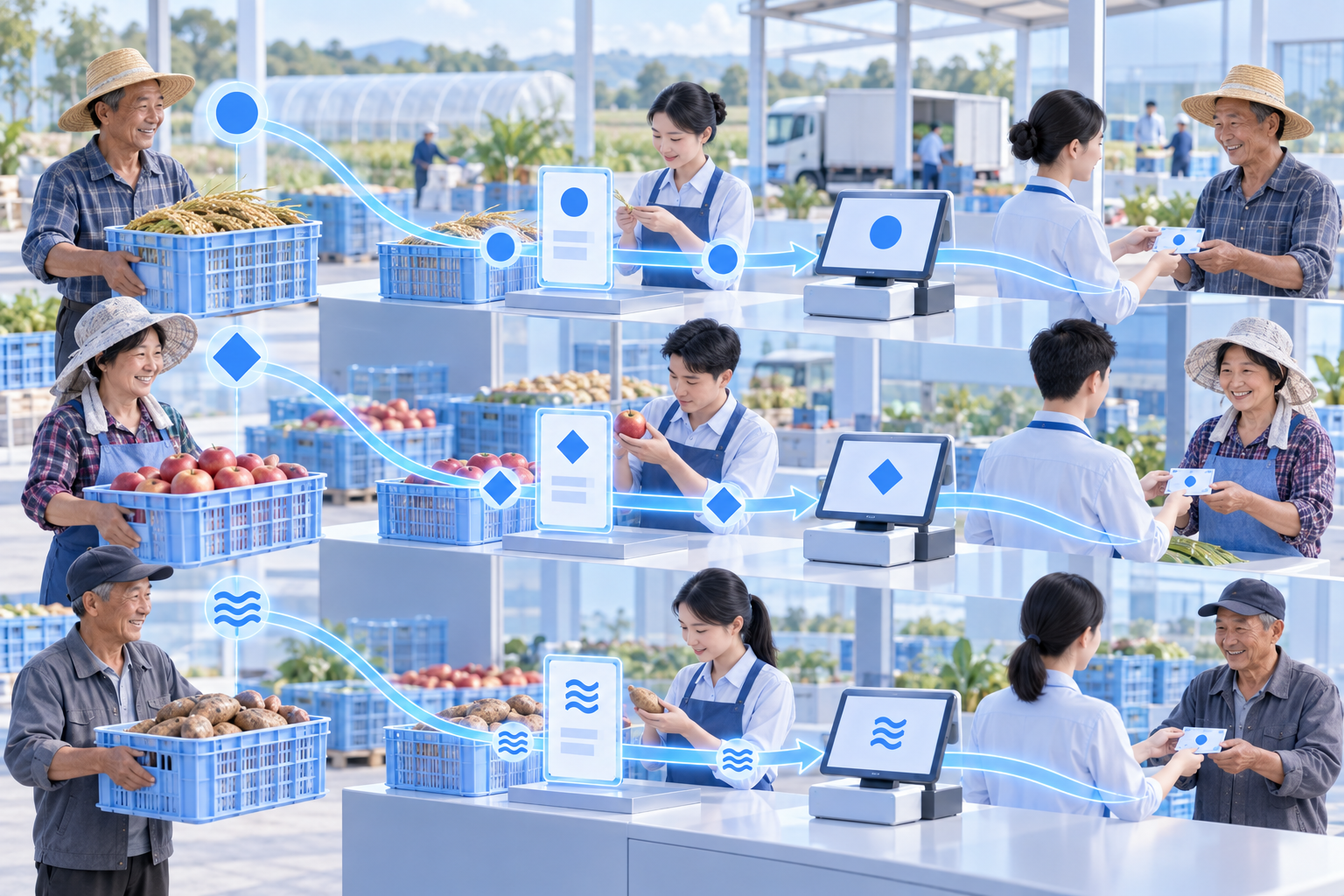
▍When the vehicle arrives, first split three households' goods and one contact person into four role types
The receiving clerk first registers the vehicle, purchasing agent contact, and deliverer, then selects three actual agricultural producers from the farmer profiles. Each farmer's identity, self-produced category, commonly used receiving account, and historical purchase records are displayed independently; the contact only handles this transaction action and does not occupy the farmer entity position.
If the contact person handles price confirmation or on-site receipt on behalf, the system attaches the corresponding authorization materials to this business relationship and indicates the handled matters. The receiver sees three areas on the screen: "goods ownership," "on-site handling," and "payment arrangement," and can detect before unloading the situation where the contact person handles all fields.
After the three households' materials are complete, the system creates a vehicle master record and then generates independent details for each household. The warehouse unloads by whole vehicle, and finance and invoicing positions find the actual farmers along the details.
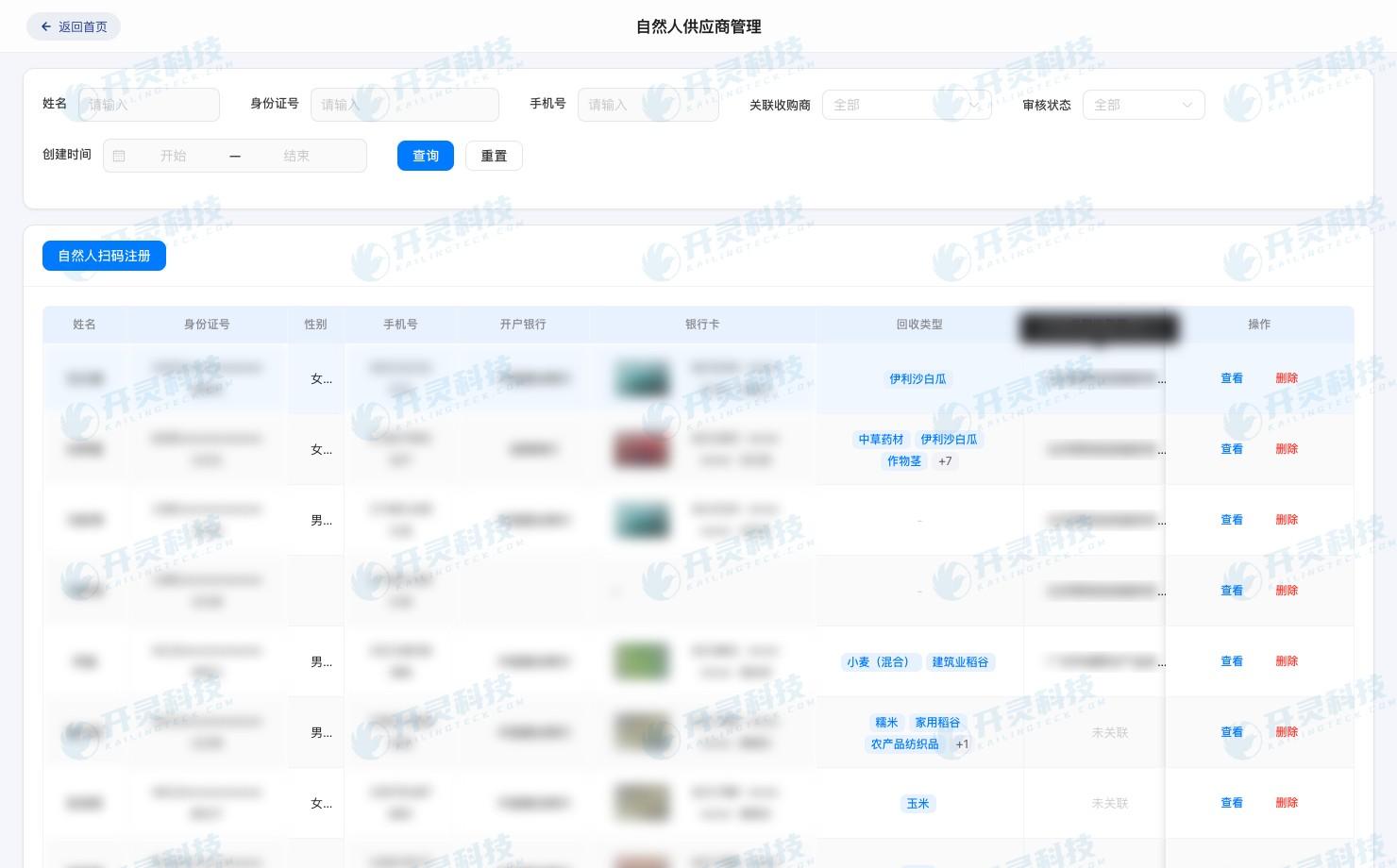
Farmer profile and procurement relationship verification (information desensitized)
▍After the total weight is weighed, immediately split purchase orders by farmer, category, and batch
After the vehicle completes gross weight and tare weight measurement, the weighbridge writes the net weight into the master business record. Based on loading zones, bag counts, batch labels, and tripartite confirmation, the receiver allocates the total weight to the three household details and records category, grade, moisture, impurities, and acceptance results separately.
The system verifies in real time the total quantity per household against the vehicle net weight. If one household is deducted due to sampling inspection, the adjustment applies only to that household's purchase order and is reflected simultaneously in the total; the original weighing, allocation basis, and modification records remain traceable. This way, both the fact of whole-vehicle transportation and how the goods are allocated to each farmer are visible.
When the same farmer delivers a second batch of goods on the same day, it can be aggregated for settlement, while the original batch, quality, and quantity remain separate. Both warehouse staff and finance can view the source of goods and vehicle composition.
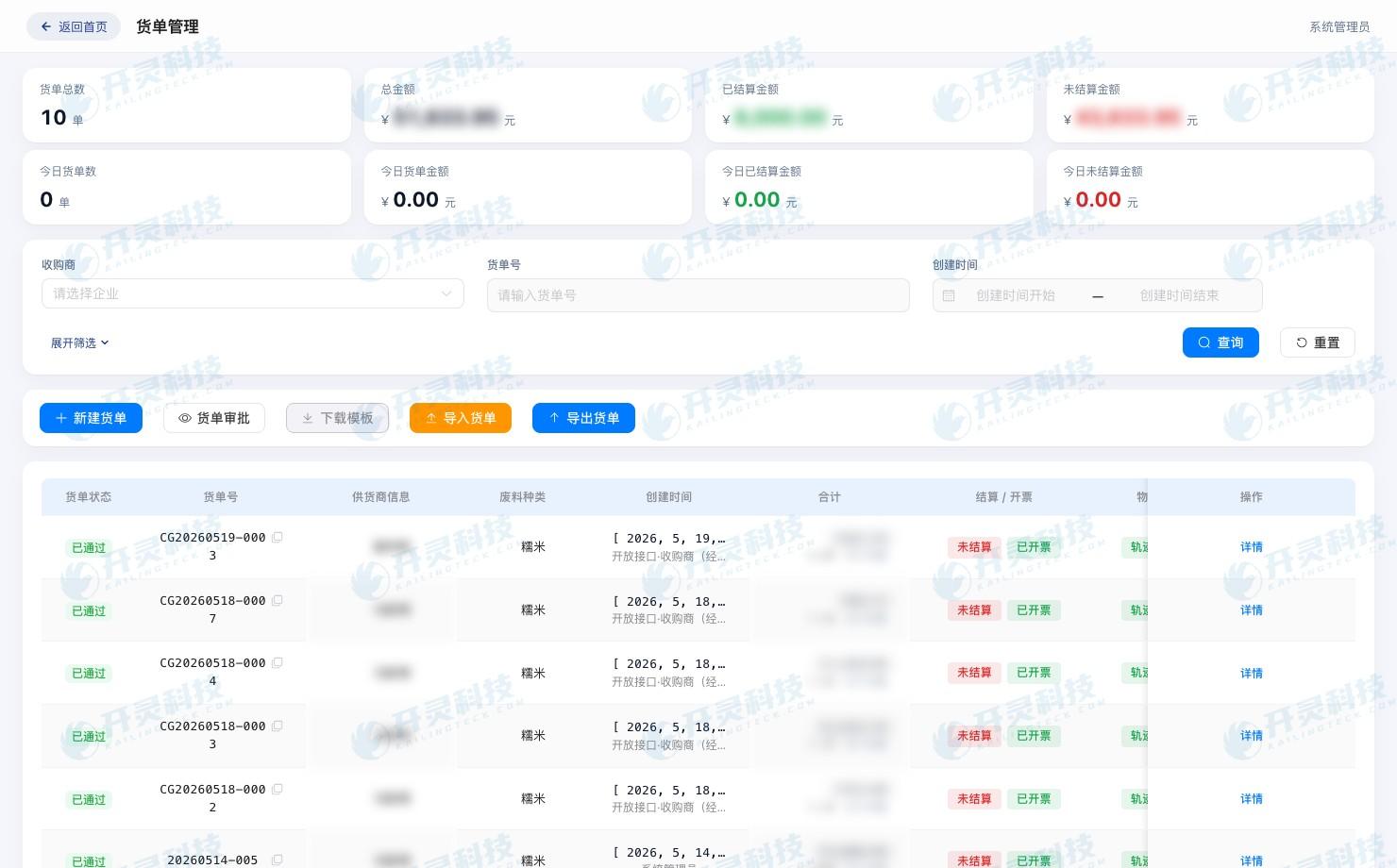
Agricultural product procurement receipt details and batches (information desensitized)
▍Settlement confirmation finalizes quantity, price, and farmer amount at once
After quality inspection is completed, the settlement clerk checks the valid quantity, grade, and price rules household by household. Even if three households arrive in the same vehicle, different unit prices may be formed due to different categories, quality, or agreements. The system calculates the payable amount separately and writes the deduction reason, confirming personnel, and time into each purchase order.
The contact person handles procedures for three households at once, but settlement statements are still generated per farmer. The system can be viewed summarized by vehicle, while invoicing and payment return to per-household amounts, and the two perspectives are reconciled through the same batch.
When a price adjustment occurs, the system generates a new version and prompts the affected purchase orders. Records already in payment approval are marked for review, and tasks not yet submitted automatically refresh the amount. What finance sees is not a suddenly changed total, but exactly which household, which quality item, or which price confirmation changed.
▍Purchase invoices are linked to business and original materials according to the actual agricultural producer
The invoicing role initiates a task from a confirmed purchase order, and the system brings out the farmer profile, self-produced business materials, category, quantity, amount, and on-site records. The purchasing agent contact appears in the handling relationship, the actual agricultural producer enters the invoicing target field, and the deliverer is also retained in the transportation and handover records.
When invoicing is aggregated from multiple batches of one farmer, the system lists each purchase order that makes up this invoice; when one purchase order is invoiced in installments, the invoiced amount and pending amount are clearly displayed. After the issuance result is written back, the invoice file and the original purchase details are automatically linked.
From the invoice, the invoicing role can look forward and see the farmer, self-produced materials, vehicle, receipt, and settlement; from the purchase order, the role can look backward and see the corresponding invoice status. When someone at the window asks "Who is this invoice issued to, and where do the goods come from," the staff can answer with one business chain.
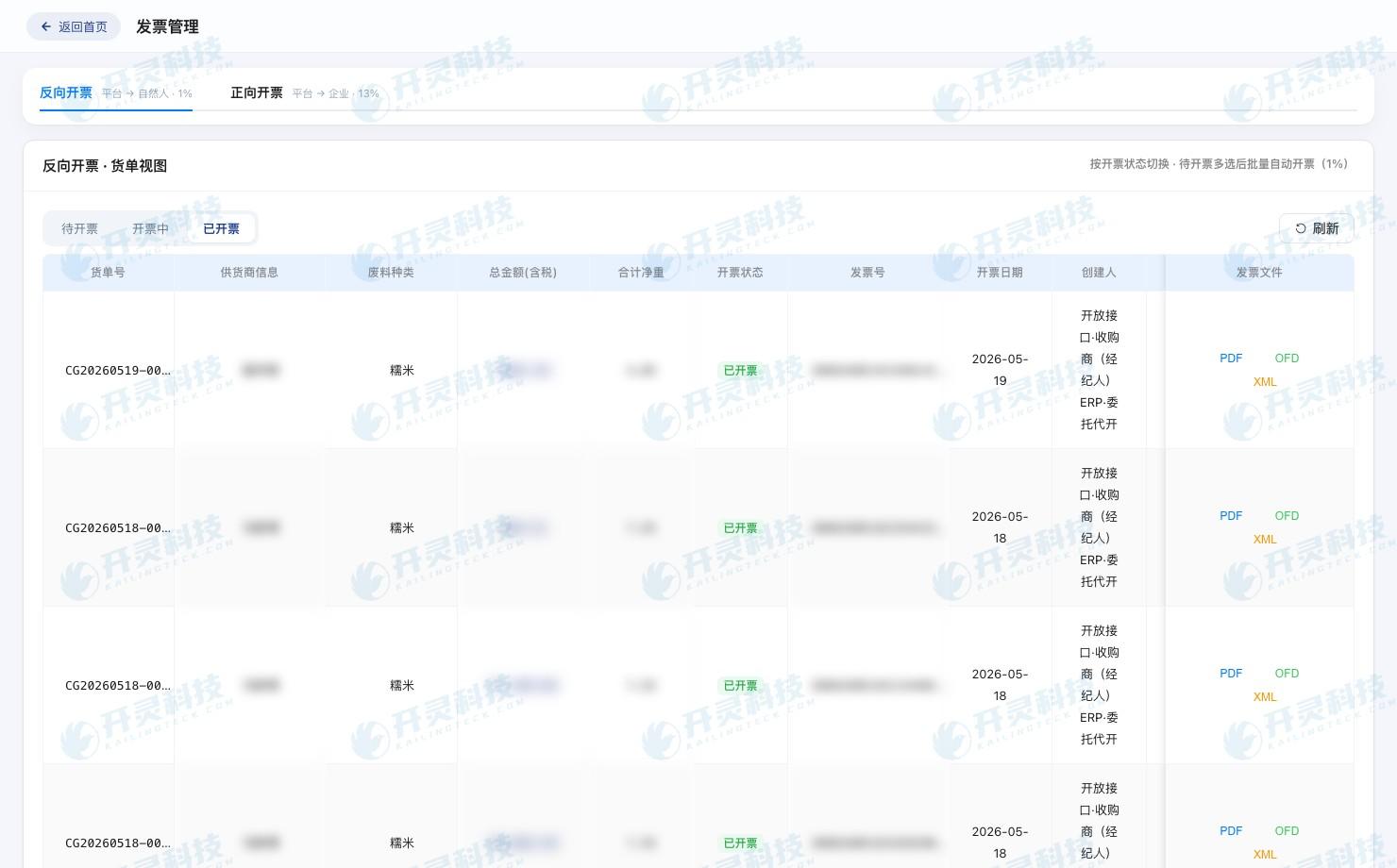
Purchase invoice linked to the actual farmer's business (information desensitized)
▍Lock the payee before payment and display the account relationship
Finance verifies the actual agricultural producer, payee, and verified account on each purchase order. Businesses where the three are consistent enter the pending payment queue; when the contact person, deliverer, and payee overlap, the system displays the differences, handling relationship, and related materials, and sends the business to exception verification without generating a submittable payment instruction for the time being.
In this case, the contact proposed that the payment for three households be concentrated into the same account. The system separately locks the actual farmer and current payee of the three purchase orders, and hands the inconsistent items to business and finance for item-by-item verification according to enterprise processes. Only details whose verification is complete and whose account relationship is confirmed can continue; details with unclear results remain paused, and other normal business is not held up as a whole batch.
When an account changes, the activation times of the old account and new account are both written into the archives. Finance rechecks the account name, account number, amount, and purchase order before submitting to the bank, and the system prevents the same purchase detail from being occupied by two pending payment tasks at the same time, controlling duplicate payment risk before instruction generation.
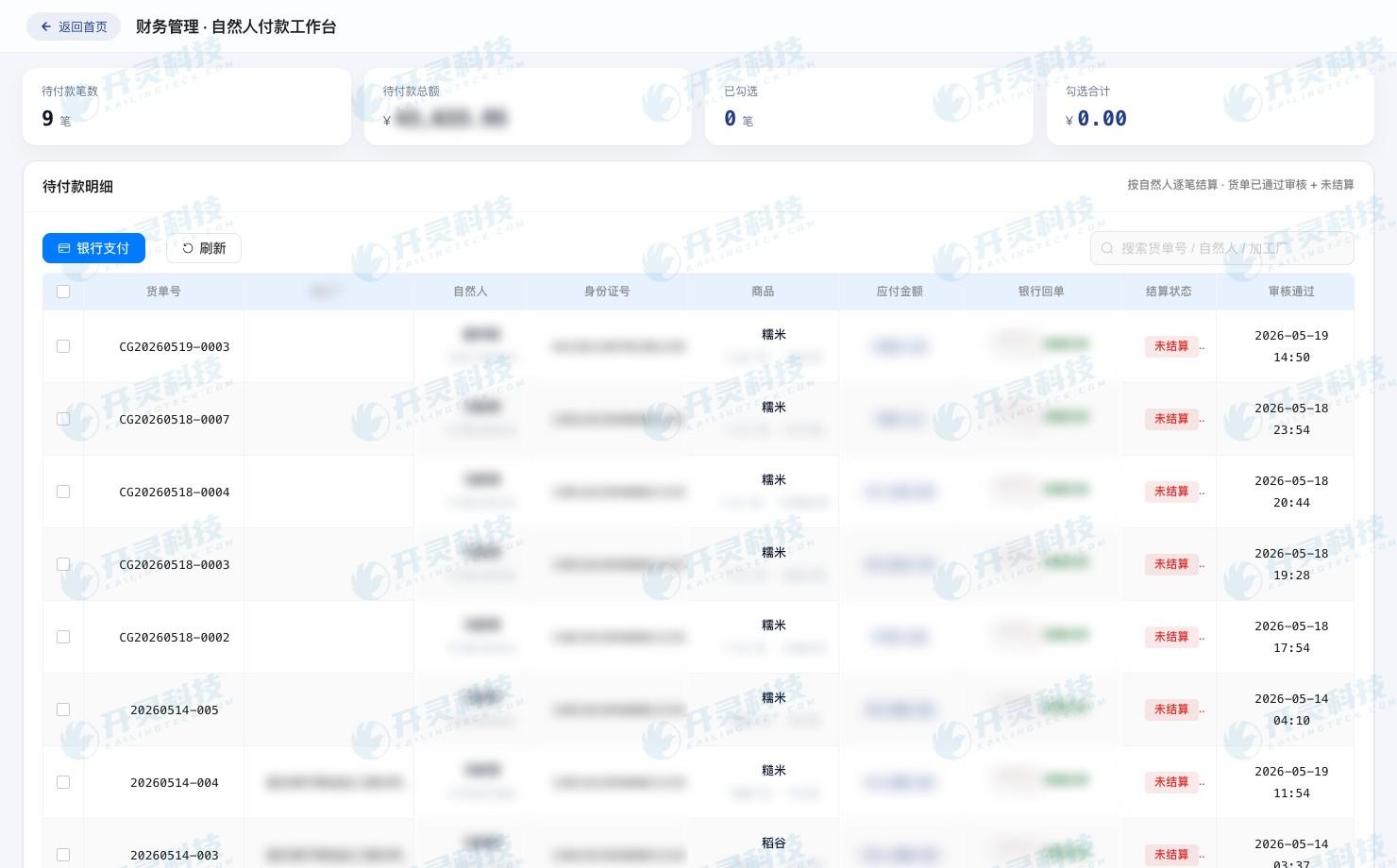
Generate payment tasks by farmer and purchase order (information desensitized)
▍Batch payment submits the overall batch but receives bank write-backs transaction by transaction
The cashier can select three households' payments at once to generate a bank batch. The batch records the operation and approval, while internally three purchase details, three payee relationships, and three amounts are retained. After the bank accepts it, the system records processing, success, return, or failure transaction by transaction, avoiding covering all farmers with one batch result.
If one farmer's account is returned by the bank while the other two farmers receive payment successfully, the successful details are immediately written back as paid and linked to the receipt, and the returned details enter the correction queue. The cashier only reprocesses the exception items, and the new instruction continues to reference the original purchase order and the first failure record, so the farmer will not receive a second payment because of a batch resend.
After the bank receipt arrives, the system first matches by payment instruction number, then rechecks with account, amount, and time. When a farmer calls to inquire, finance can open the corresponding purchase order from the name, see whether the payment has been submitted, accepted, or returned, and provide a clear processing progress.
▍Five-flow archiving links farmers, goods, invoices, and payment into one file
After the business is completed, the system collects five types of materials by purchase order: farmer and self-production materials, entrustment and purchase agreements, vehicle weighbridge and settlement, purchase invoices, and payment instructions and bank receipts.
In the scenario of one vehicle with three households, the total weighbridge ticket can be referenced by three purchase orders, and each purchase order has its own farmer materials, settlement, invoice, and fund records. Reviewers first look at the whole vehicle, then drill down to each household; starting from a contact person, they can also see which farmer businesses he handled.
Materials in the archive maintain their original relationships. When authorization is updated or an account is corrected, new materials are added to the corresponding version, and historical actions continue to be retained. In the future, when there is a farmer payment inquiry, settlement review, or invoice query, staff can open that household's business archive and restore the on-site process.
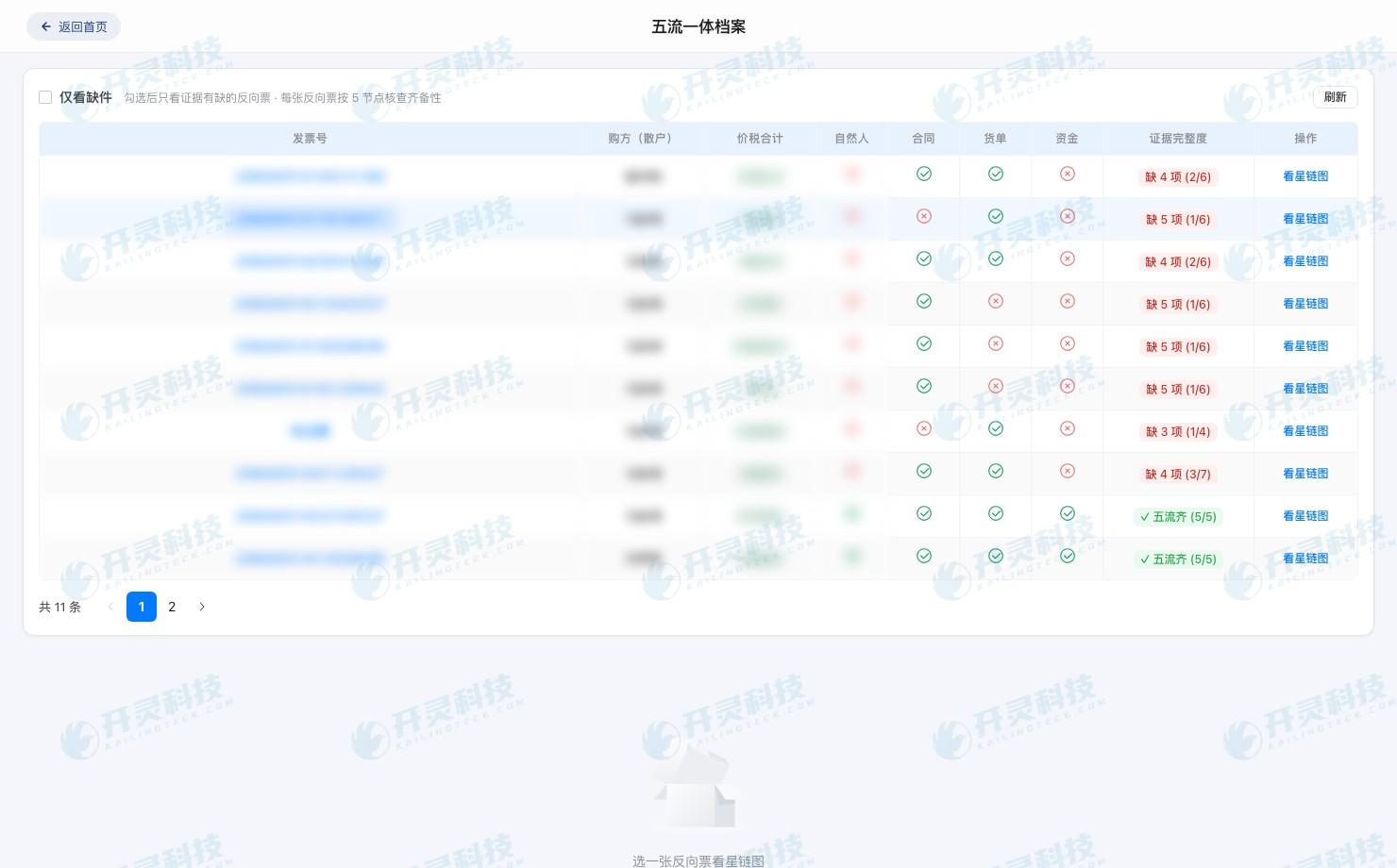
Five-flow evidence of procurement purchases archived by order (information desensitized)
▍Use mismatched samples in launch acceptance to test payment by order
Acceptance first reproduces three types of high-frequency conflicts: the deliverer differs from the farmer, the contact person wants centralized payment, and a vehicle of goods records only total weight. Testers observe whether the system distinguishes roles, whether it requires splitting orders household by household, whether it displays payee differences before payment, and check the records left by each handling.
The second round adds a wrong account for one household, partial return of batch payment, temporary account change by a farmer, and invoice red reversal. The system should isolate success and exceptions transaction by transaction, correction actions continue along the original purchase order, and ticket and payment status remain consistent across the three perspectives of farmer, vehicle, and batch.
When this purchasing-on-behalf vehicle completes handover, each of the three households' goods has a purchase order, the contact person retains only the handling relationship, details with inconsistent payees stop in the exception queue, and verified payment results return to the original orders transaction by transaction. On-site personnel can explain whose goods they are, finance can explain to whom payment is prepared and which transaction is still under verification, and payment by order thus forms a clear visible result.
▍FAQ
Q: Can a contact person be directly used as the invoicing target after delivering goods?
A: The system first confirms the actual agricultural producer and self-produced purchase business, and the contact person is recorded separately according to the on-site handling relationship.
Q: How are weights allocated for one vehicle with three households?
A: It can be split by combining loading zones, bag counts, batch labels, on-site weighing, and confirmation by both parties, and verify the per-household total against the vehicle net weight.
Q: Can payment be made centrally to one contact person?
A: The system will not directly merge payments because of a contact person handling it. Each purchase order first locks the actual farmer and payee, and when the information is inconsistent it enters exception verification, after which subsequent actions are decided.
Q: How is a batch payment handled after one transaction is returned?
A: Keep the other successful details, correct only the returned item, and the new instruction continues to link to the original purchase order and the failed transaction.
Make the procurement agent role, farming household goods, and each payment correspond clearly. Learn about Kailing Technology's agricultural product procurement system: https://www.kailingteck.com/fxncp/ .
As a national high-tech enterprise, Kailing Technology focuses on the digital and intelligent transformation of enterprise business-finance-tax and operations management, providing software products, system integration, implementation and delivery, and operational services for various government agencies, institutions, group enterprises, and SMEs.
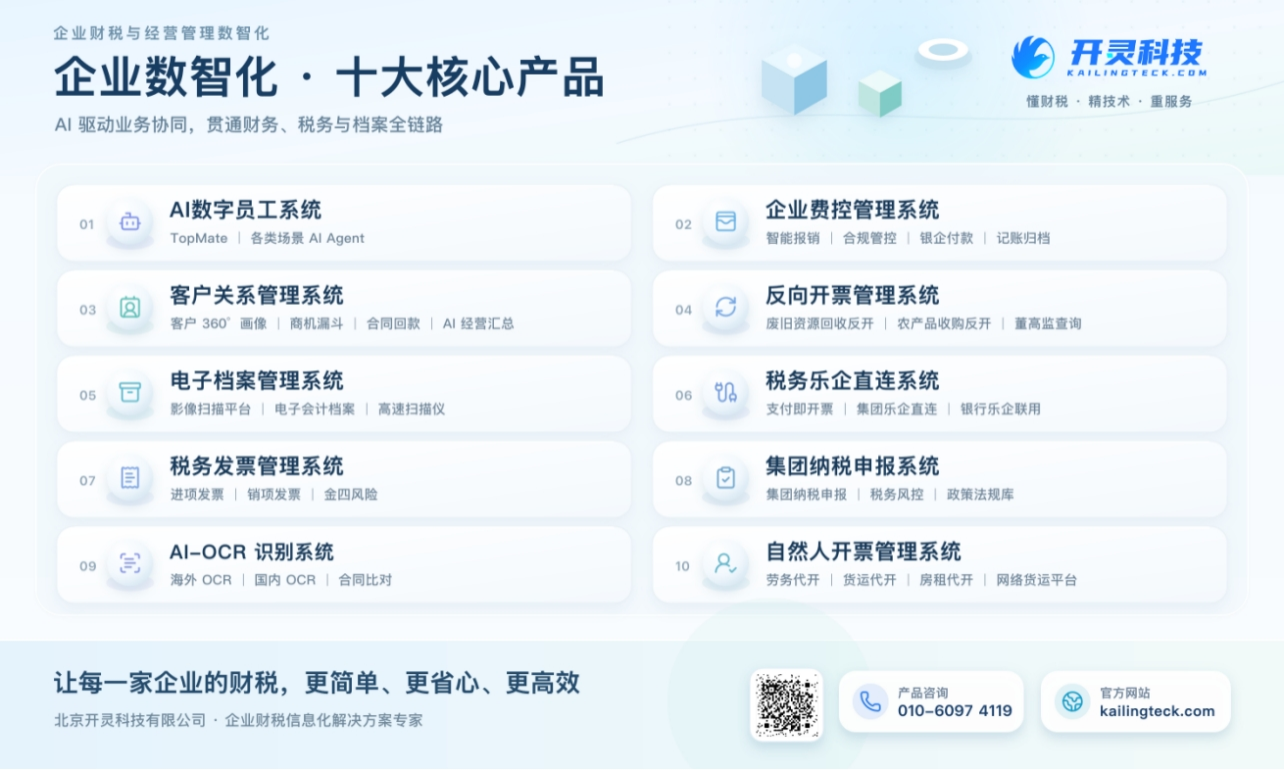
The company has now formed ten core product lines, including: AI digital employee system, enterprise expense control management system, customer relationship management system, reverse invoicing management system, invoice issuance for individuals management system, electronic archives management system, tax fully digitalized e-invoice Leqi system, tax invoice management system, group tax filing system, and AI OCR recognition system. It is committed to connecting enterprise business, finance, tax, funds, and archive data to help customers improve operational efficiency, business-finance-tax compliance capabilities, and digital management levels.
If you have any business-finance-tax digital transformation needs, welcome to contact us. Beijing Kailing Technology will serve you wholeheartedly.
Keywords: Agricultural product procurement payment, payment-farmer mismatch, agricultural product purchase reverse invoicing system, payment by order, farmer profile
As a comprehensive business-finance-tax digitalization solution service provider, Kailing Technology provides business-finance-tax management digital transformation products and operational services for various government agencies, institutions, and large, medium, and small enterprises. The product line includes: solutions for sales contract management system, procurement contract management system, fully digitalized Leqi interface project, automatic output invoicing system, reverse invoicing system, invoice issuance for individuals system, employee expense control and reimbursement system, input VAT invoice management system, supply chain collaborative reconciliation system, image AI OCR recognition system, automatic financial bookkeeping system, electronic accounting archives system, etc., comprehensively driving the digitalization process across various fields.
Consultation Hotline: 18513895936 / 010-60974119 Location: Beijing