
Can sensitive operations be executed by AI? How Kailing Technology AI digital employees set up four-eyes approval and version rollback

Can sensitive operations be executed by AI? How Kailing Technology AI digital employees set up four-eyes approval and version rollback

Sensitive operations can involve AI, but being able to call tools should not be understood as being able to decide execution on its own. Kailing Technology AI digital employees can organize tasks based on permissions and human confirmation, and set appropriate dual review for key matters. Skill version rollback is used to restore a configuration or capability version; it will not automatically reverse completed external business such as payments or invoicing. Only after clarifying these two types of boundaries can enterprises expand AI applications with greater confidence.
▍First distinguish whether AI is helping prepare or has already taken action on behalf of the enterprise
Organizing payment materials and verifying application information is not the same type of risk as actually sending a payment instruction to the bank. Generating a draft text to be sent is also not the same as sending the content to a customer, and they should not use the same authorization just because they are in one task. Only when tasks are clearly split can enterprises place the steps requiring human judgment in the appropriate position.
The degree of sensitivity is also related to the object and scope. Querying a single authorization item, exporting large amounts of information in bulk, and modifying basic configurations may have clearly different impacts. Enterprises can conduct risk grading according to their own management requirements, then decide which operations are allowed to be processed automatically, which must be manually confirmed, and which should not be executed by the current digital employee.
Such grading is not about setting as many obstacles as possible for AI, but about letting work that can be safely handed to tools proceed smoothly, while reserving a small number of key decisions for appropriate people. When users know when the system will stop and wait for confirmation, it is easier to establish stable expectations.
▍Kailing Technology AI digital employees place four-eyes approval at the truly critical position
The four-eyes principle emphasizes that sensitive matters are reviewed and confirmed by more than one person. Specific roles and applicable scope should be set according to enterprise policies. Kailing Technology AI digital employees can arrange manual confirmation at key task nodes, connecting operating conditions with approval results before execution.

The confirmation page should let the approver understand what is about to happen. Who the object is, how large the operation scope is, where the data comes from, and whether there are anomalies should all be clearly presented. Providing only a button asking whether to agree for AI to continue, without showing key content, easily turns approval into a formality without substantive judgment.
Approval should also correspond to a specific version of the request. If the object, amount, or other key content changes after approval, re-confirmation is required according to the rules, rather than continuing to use the original consent result. What a person approves is the matter seen at that time, not a pass that allows the task to change arbitrarily.
▍Account permissions determine how far a digital employee can go
Enterprises can configure accounts and tool permissions for digital employees that match their role tasks. Tasks that require querying do not necessarily require modification rights, and skills that need to generate drafts do not necessarily need formal sending permissions at the same time. Separating capabilities from authorization helps reduce the scope of accidental operations.
Although shared high-privilege accounts may seem convenient for access, they mix personnel and digital employee operations together, making traceability difficult. A more appropriate arrangement is to make the execution identity identifiable, allow operation records to return to specific tasks, and retain necessary manual takeover methods.

Permissions also need to be adjusted as positions and business change. After a task is discontinued, the connected object changes, or personnel responsibilities change, it should be checked whether the related authorization is still necessary. A past approval of one connection does not mean the access scope can remain unchanged forever.
▍Skill rollback can restore a version, but cannot reverse transactions that have already occurred
If problems arise after a skill rule or configuration update, you can return to a suitable version based on the product mechanism, then verify subsequent runs. This type of rollback addresses which set of capabilities the digital employee works with; it does not restore the external world to its state before the operation.
Payments already made, invoices already issued, and messages already sent each have their own actual results. When correction is needed, it should be handled according to the corresponding business and applicable rules. These results cannot be considered automatically revoked just because the skill version was rolled back.
This especially affects handling after an exception. When a task is interrupted, operations personnel should first determine which actions have been completed and which have not yet occurred, then decide whether to continue, supplement processing, or hand over to a person. Directly rerunning from the beginning may repeat external actions that already succeeded; one-click rollback also cannot replace this status verification.
▍Manual takeover must receive the materials and also bear the responsibility
When a digital employee encounters a situation requiring human judgment, it should provide the task object, what has been executed, and the reason it is pending, so the person taking over can continue the work. If there is only a failure notification without context, the person still has to search from the beginning, and the task loses continuity between automation and manual work.

Enterprises can clarify who handles different exceptions. Questions about materials go to business verification, insufficient permissions are confirmed by administrators, and unclear external system results require checking the actual status first. Do not send all messages to the same group and expect someone to happen to claim them.
After takeover ends, the handling conclusion and follow-up arrangements for the task should also be recorded. State separately whether work continues after supplementary materials are provided or this execution is terminated, and whether skill rules need adjustment. In this way, human handling experience can feed back into operations and maintenance, rather than relying on ad hoc rescue every time a similar problem occurs.
▍To steadily expand AI application, start by clarifying one sensitive task
Enterprises can choose a clearly bounded task and discuss preparation, review, approval, and execution separately. Which steps consume the most labor, which must retain judgment, and which results can be queried should all be clarified in combination with real processes before deciding the scope the digital employee undertakes.
The value of Kailing Technology AI digital employees is not in making all approvals disappear, but in placing material organization, rule assistance, and tool operations into manageable role work. Only when enterprises can explain who approved, who executed, and what happened do they have the foundation to hand more suitable tasks to AI.
For tasks that have already stabilized, input sources and permission arrangements should also be checked regularly to see whether they are still suitable. After business scale expands, operations that originally had limited impact may carry different risks; new system features going live may also change execution boundaries. Security arrangements should be maintained along with actual work, not confirmed only once at initial launch.
Approvers also need to understand the scope of the digital employee's work. Which information comes from the original system, which are suggestions generated by the model, and which actions will actually occur after approval should be explained in business language as much as possible. Only by understanding the origin of materials and the consequences of operations can personnel make meaningful confirmation, rather than defaulting to reliable results because the interface looks professional.
For enterprises preparing to promote this, this explanation can be established together with role training, so users know when to continue and when to pause for consultation. Only when rules are truly understood by people can technical controls more easily take effect.
▍FAQ Q&A on handing sensitive operations to AI
Q: If both people clicked agree, is that safe enough?
A: It should also be verified whether they saw the key matters, whether they had appropriate responsibilities, and whether the approval corresponds to the final request. A two-person form cannot replace substantive review.
Q: After rolling back a skill, will erroneous payments be automatically returned?
A: No. Skill versions and bank fund results belong to different scopes. Payments that have already occurred should be handled according to actual business procedures, and the corresponding responsibilities and records should be verified.
Q: If a task times out, can it be run again directly from the beginning?
A: First confirm whether the external action has already been completed. Especially when funds, invoices, or message sending are involved, a timeout cannot simply be treated as total failure and then executed repeatedly.
To draw clear boundaries between approval and execution for sensitive AI tasks, learn about the role-based application of Kailing Technology AI digital employees:https://www.kailingteck.com/de/ 。
As a national high-tech enterprise, Kailing Technology focuses on the digital and intelligent transformation of enterprise business-finance-tax and operations management, providing software products, system integration, implementation and delivery, and operational services for various government agencies, institutions, group enterprises, and SMEs.
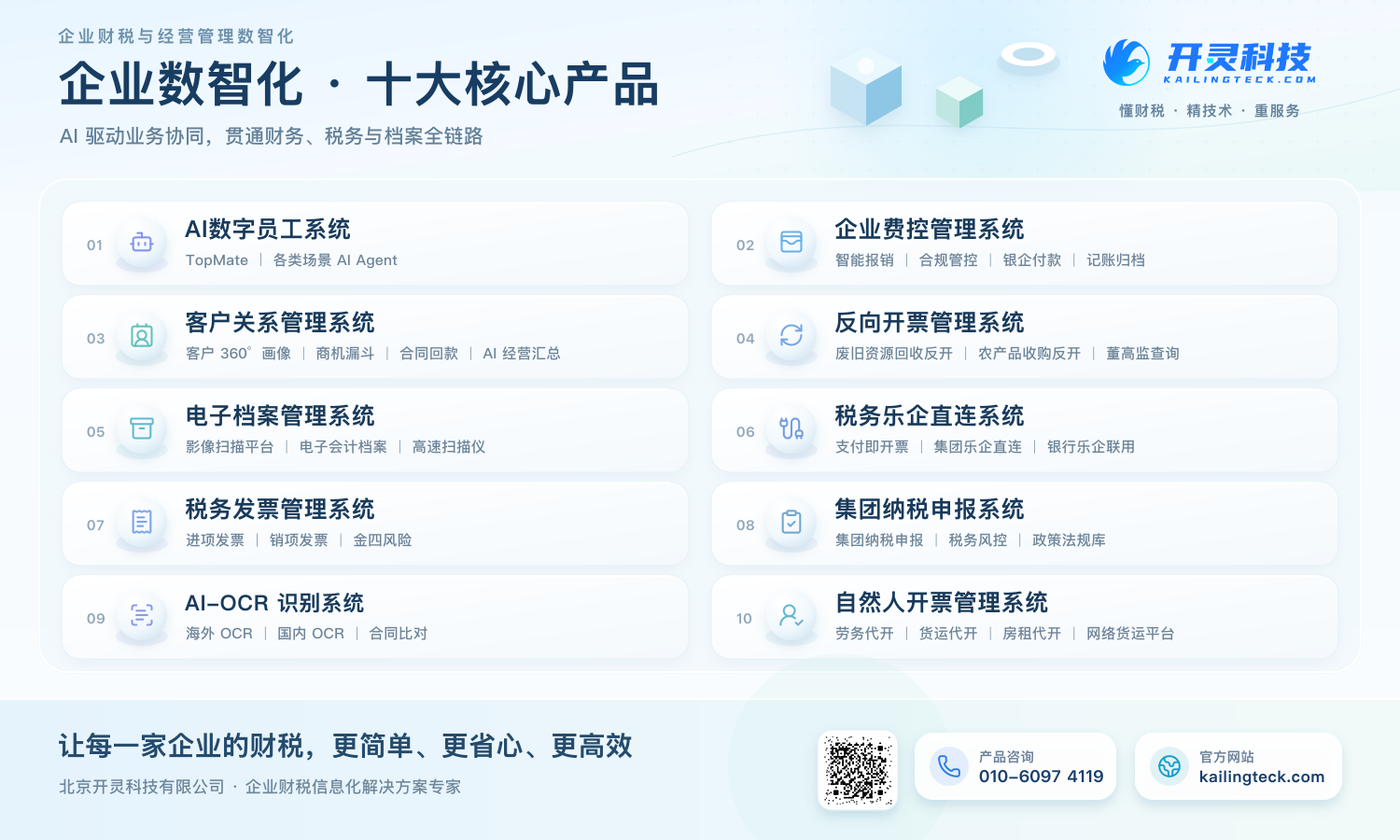
The company has now formed ten core product lines, including: AI digital employee system, enterprise expense control management system, customer relationship management system, reverse invoicing management system, invoice issuance for individuals management system, electronic archives management system, tax fully digitalized e-invoice Leqi system, tax invoice management system, group tax filing system, and AI OCR recognition system. It is committed to connecting enterprise business, finance, tax, funds, and archive data to help customers improve operational efficiency, business-finance-tax compliance capabilities, and digital management levels.
If you have any business-finance-tax digital transformation needs, welcome to contact us. Beijing Kailing Technology will serve you wholeheartedly.
Keywords: AI digital employee, four-eyes approval, version rollback, sensitive operations, human-in-the-loop
As a comprehensive business-finance-tax digitalization solution service provider, Kailing Technology provides business-finance-tax management digital transformation products and operational services for various government agencies, institutions, and large, medium, and small enterprises. The product line includes: solutions for sales contract management system, procurement contract management system, fully digitalized Leqi interface project, automatic output invoicing system, reverse invoicing system, invoice issuance for individuals system, employee expense control and reimbursement system, input VAT invoice management system, supply chain collaborative reconciliation system, image AI OCR recognition system, automatic financial bookkeeping system, electronic accounting archives system, etc., comprehensively driving the digitalization process across various fields.
Consultation Hotline: 18513895936 / 010-60974119 Location: Beijing