
Still manually retrieving receipts after payment? Kailing Technology's Enterprise Expense Control Reimbursement Management System automatically links bank-enterprise receipts to reimbursement forms
After the cashier completes payment via online banking, the expense process does not naturally end. Receipts may be returned the next day, the summary may be truncated by the bank, one reimbursement form may be split into multiple payments, and multiple documents may be merged into a batch. If there is no stable business identifier before payment, finance can only guess the match based on amount, name, and date, and at month-end still has to manually download, rename, and attach documents. Centered on "1. Broken receipt links usually occur before the payment instruction is issued," Kailing Technology's enterprise expense control and reimbursement management system needs to incorporate the relevant relationships into the same business chain.
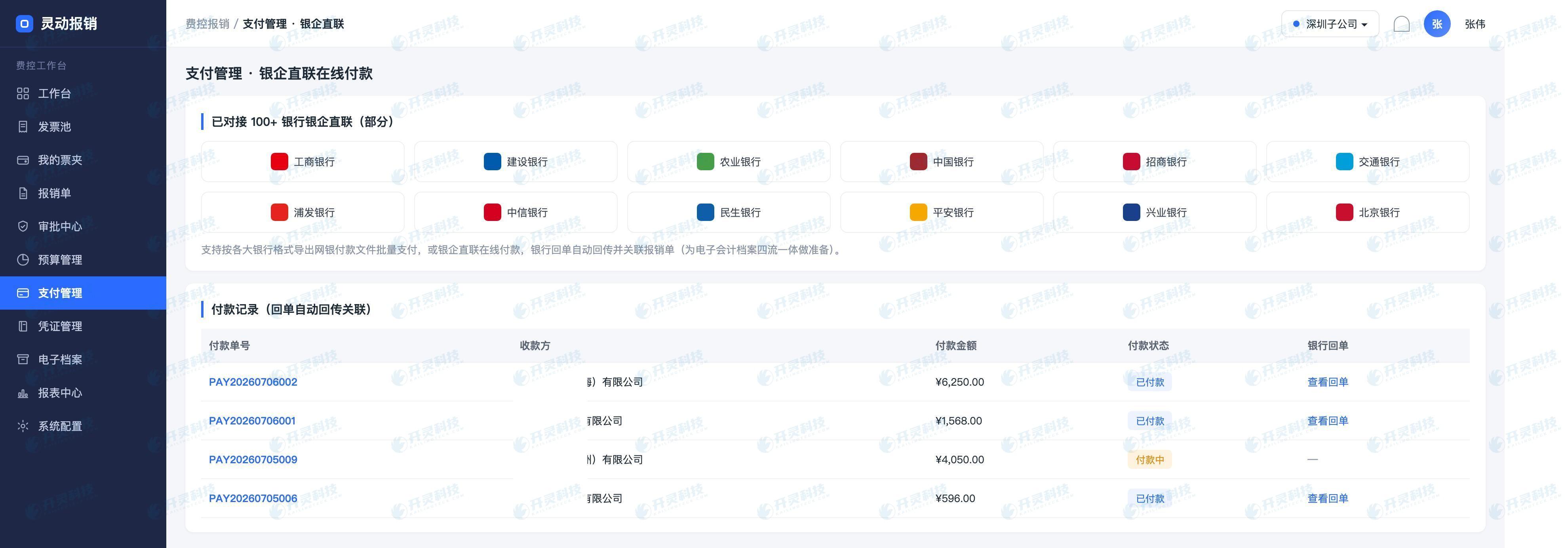
Through bank-enterprise direct payment, bank receipt return, and reimbursement form association, Kailing Technology enterprise expense control and reimbursement management system turns receipts from "post-event attachments" into payment status evidence. Automatic association depends on business keys in payment instructions and returned data; it cannot be assumed that all banks and all exception scenarios can be recognized with zero configuration, so normal matching and exception review must be designed together.
▍1. Receipt chain breaks usually happen before the payment instruction is sent
If the payment task only transmits the payee, account number, and amount, the bank can only return limited information. When amounts are the same, payees are the same, or payments are made in batches, it is difficult for the system to determine which reimbursement form it belongs to. Manually writing the document number after payment may seem flexible, but in practice it cannot guarantee correctness every time, and it is also difficult to handle failed resubmissions.
Therefore, the association design should be moved forward to the payment task generation step: the original reimbursement form number, payment task number, batch number, payee identifier, amount, and time together form the matching basis. Fields that banks allow to be passed through should be used first; for those that are not allowed to be passed through, a mapping table should be retained on the enterprise side to ensure that returned bank statements can find the business matter along the original path.
- The business document number is used to locate the source, and the payment task number is used to identify one actual instruction.
- Batch number management for group sending cannot replace the unique identity of each detail within the batch.
- Resubmitting a payment must generate a new task and link to the old failure record, avoiding statuses overwriting each other.
▍II. The Kailing Technology enterprise expense control and reimbursement management system first prepares multi-field association keys
After reimbursement approval is completed, the system forms a pending payment task based on the settlement result and brings in the organization, payment account, payee, amount, and source document information. The cashier reviews and initiates bank-enterprise payment within the authorized scope, and the system retains the send time, operator, and bank acceptance status. In this way, when the receipt arrives, there is no need to search again from the expense list.
Actual bank interface fields and return timing differ, so each bank must be verified one by one before project integration. It cannot be promised that all banks require no modification, nor can "accepted" be treated as "successful." The system supports bank-enterprise direct connection processing with multiple banks, and the implementation focus is mapping bank-side statuses into business statuses that enterprises can understand.
▍III. Automatic matching must distinguish confirmed, candidate, and unmatched
Those that can be uniquely matched through bank transaction serial numbers or pass-through identifiers can be directly associated and have payment status updated; those lacking unique fields but with multiple matches such as payee, amount, and date can be listed as candidates for confirmation by the cashier; where there are multiple entries with the same amount and same account or conflicting fields, automatic linking should not be forced, and they should enter the unmatched queue.
Matching rules should give reasons rather than only showing a confidence score. After manual confirmation, the basis for selection should be recorded, and unmatched reasons should be classified as missing bank fields, inconsistent enterprise master data, payment resubmission, batch splitting, or other situations. After long-term accumulation, enterprises can determine whether to optimize interfaces, master data, or operating processes.
| "Automatic association pursues a provable unique relationship, not forcing every payment receipt onto some document. |
▍IV. Refunds, failures, and split payments must retain the original chain
When payment fails, the original task retains the failure reason, and a new payment attempt is generated after correcting the account. Refunds should be linked to the original successful transaction and change the business status. Split payments require each subtask to receive its receipt separately, then summarize and display the reimbursement form's completion level. Only when all payable amounts reach the enterprise-defined success status can the expense payment be considered closed.
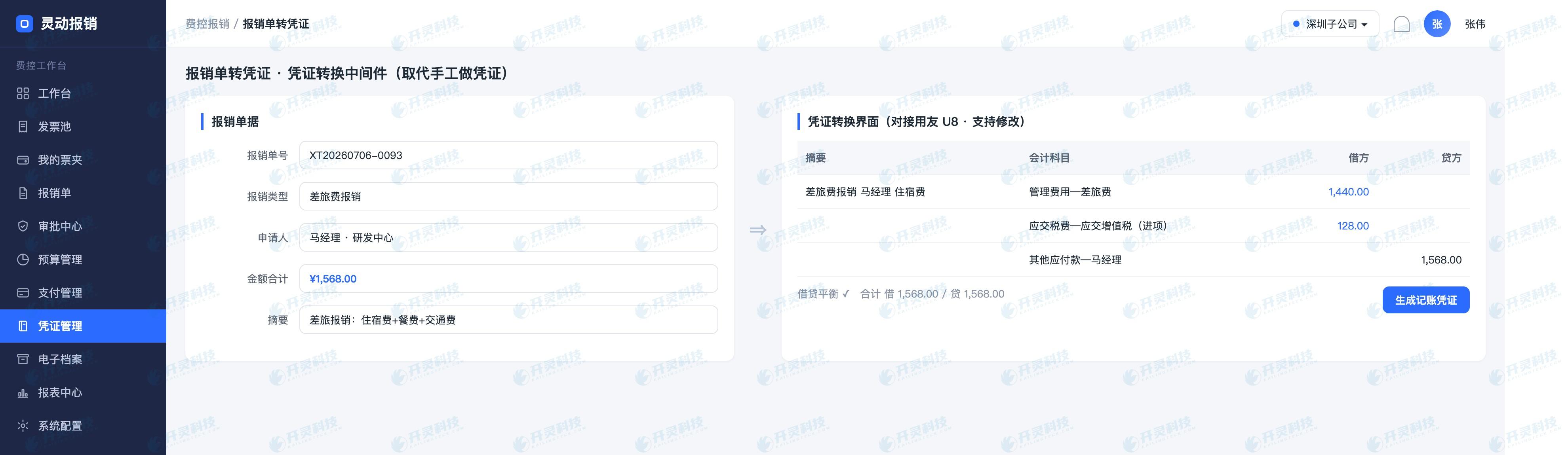
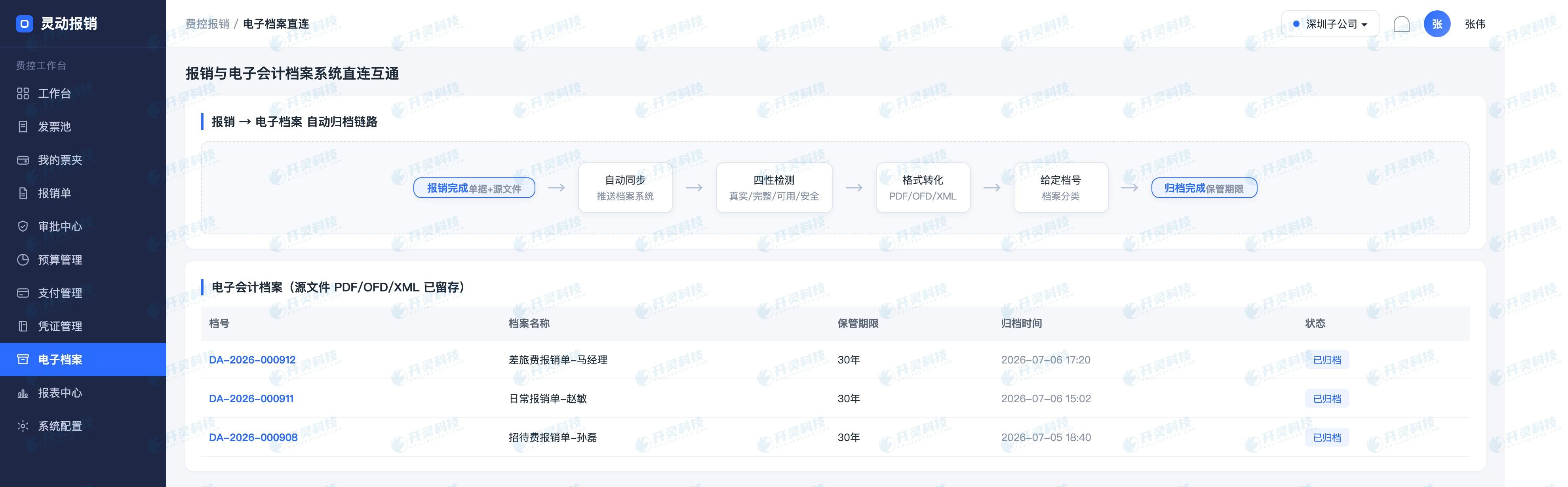
Receipts must also be reused by subsequent vouchers and archives. When vouchers are generated, the actual payment date and bank result can be referenced; during archiving, relationships are established among receipts, reimbursement forms, invoices, and approval materials. Manually downloading a PDF and uploading it to multiple systems increases repetitive work and easily causes receipt versions to be inconsistent with business status.
- Refunds must point to the original successful transaction and trigger subsequent decisions on re-payment or business closure.
- Batch payment failures should be isolated to the detail level, so a single anomaly does not obscure other successful results.
- Receipt files and structured status are retained simultaneously, making them easy to view and easy for systems to reconcile.
▍V. Reconciliation and posting use the same payment evidence
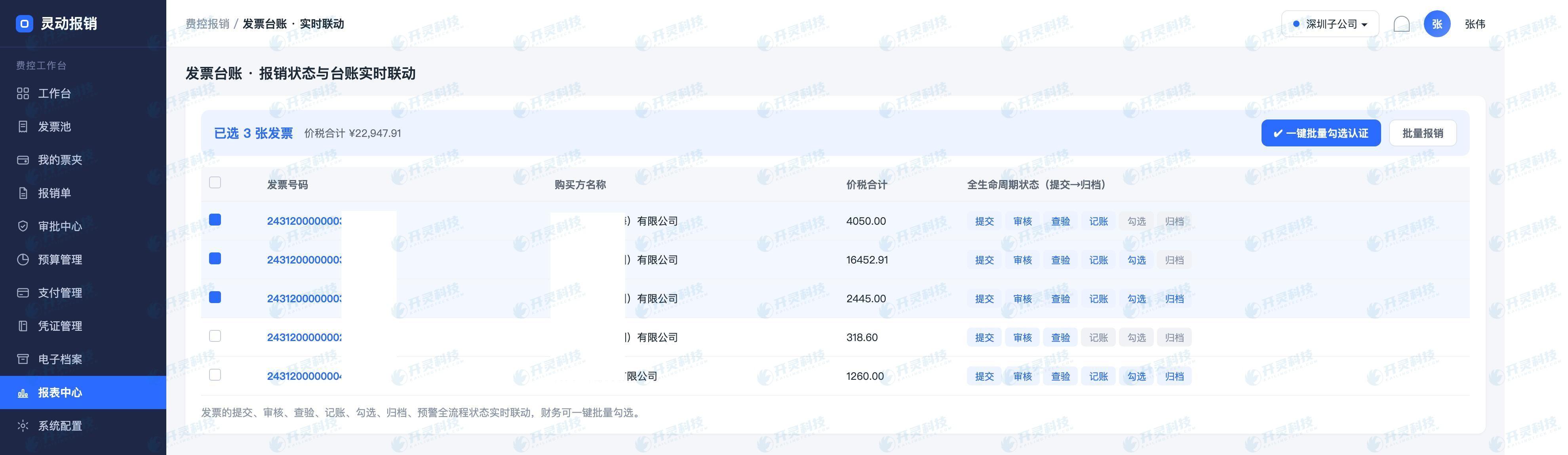
Daily reconciliation should compare the three-party status of enterprise payment tasks, bank statements, and expense documents, focusing on sent but not returned, bank-successful but business not updated, duplicate resubmission, and unprocessed refunds. At month-end, conduct reverse spot checks from vouchers and archives to confirm that receipts have not remained in interface caches or personal computers.
Batch ledger processing can help finance identify unfinished associations, but each type of discrepancy still needs an assigned owner and closing conditions. Technical connections solve data transmission, but business closure also depends on whether the organization clearly defines who handles account errors, who confirms candidate matches, and who approves re-payment after refunds.
- Select a few representative banks to verify fields, timing, and receipt formats, then gradually expand the scope of integration.
- Use scenarios of multiple transactions of the same amount, partial batch failures, and refund re-payments to stress-test matching rules.
- Count unmatched reasons monthly and continuously clean up master data and interface mapping issues.
When payment tasks, bank results, vouchers, and archives share the same business identity, cashiers no longer use file names to find receipts, and expense accountants can directly view payment evidence from reimbursement forms. The automatic association thereby reduces not only download actions, but also a large number of unexplainable status differences during month-end reconciliation.
Permission configuration is equally important. Initiating payments, confirming candidate matches, modifying receiving accounts, and processing refunds should be handled by different responsibilities, and the system records every manual intervention. This way, when mismatches occur, it can be restored who confirmed based on which fields, rather than letting automatic association become an unaccountable black box.
Post-launch service monitoring should also pay attention to receipt delays. If a certain bank returns slowly during a specific period, it should not be misjudged as a large-scale payment failure; trigger an alert only after the agreed window is exceeded, and retain query and re-pull paths. With clear timing criteria, the cashier will not repeatedly initiate instructions out of anxiety.
After delayed recovery, also verify whether duplicate re-pulls or manual re-uploads occurred during the period, ensuring the same receipt is still linked only once.
▍FAQ
Q: If the bank shows acceptance successful, can it be regarded as payment completed?
A: It cannot be generalized. Accepted, processing, success, failure, and returned should be mapped separately, ultimately subject to bank returns and the enterprise's confirmation criteria.
Q: Can all bank receipts be automatically matched?
A: It depends on whether the bank interface provides stable fields and whether the enterprise payment task retains a business key; those that cannot be uniquely matched should enter candidates or a manual queue.
Q: How is one reimbursement form split into multiple payments handled?
A: Each subtask independently records bank status and receipt, then summarizes into the payment progress of the original reimbursement form. The success of the first transaction cannot be used to cover all.
Q: After the receipt is linked, does it still need to be archived?
A: Yes. Payment receipts need to form a traceable relationship with reimbursement, invoices, approvals, and vouchers. The specific archiving scope should follow enterprise policies and applicable requirements.
Let every bank receipt automatically find the original reimbursement, original payment, and original voucher. Welcome to visit Kailing Technology: https://www.kailingteck.com/feikong/ .
As a national high-tech enterprise, Kailing Technology focuses on the digital and intelligent transformation of enterprise business-finance-tax and operations management, providing software products, system integration, implementation and delivery, and operational services for various government agencies, institutions, group enterprises, and SMEs.
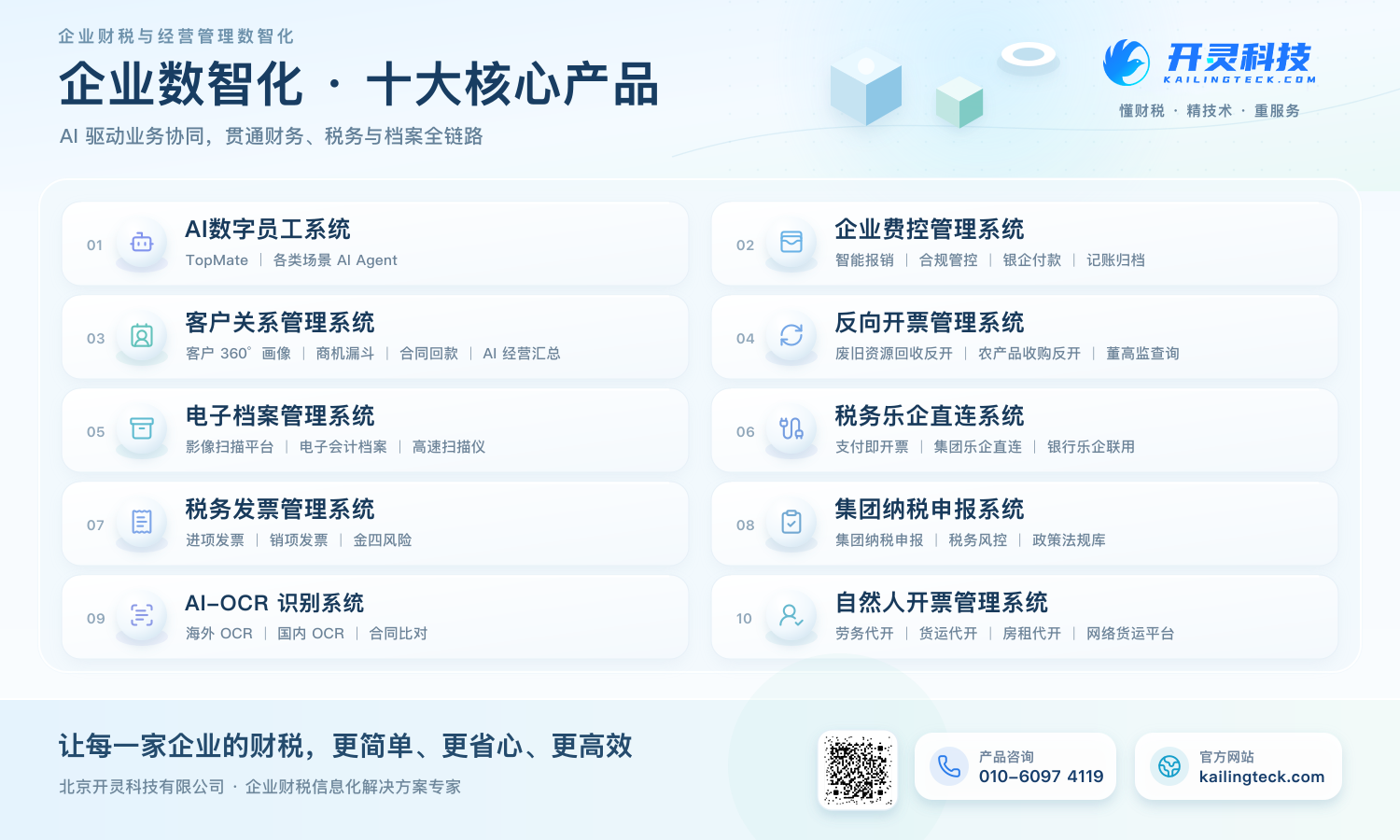
The company has now formed ten core product lines, including: AI digital employee system, enterprise expense control management system, customer relationship management system, reverse invoicing management system, invoice issuance for individuals management system, electronic archives management system, tax fully digitalized e-invoice Leqi system, tax invoice management system, group tax filing system, and AI OCR recognition system. It is committed to connecting enterprise business, finance, tax, funds, and archive data to help customers improve operational efficiency, business-finance-tax compliance capabilities, and digital management levels.
If you have any business-finance-tax digital transformation needs, welcome to contact us. Beijing Kailing Technology will serve you wholeheartedly.
Keywords: Bank-enterprise direct connection, bank receipts, reimbursement payment, Kailing Technology, enterprise expense control and reimbursement management system
As a comprehensive business-finance-tax digitalization solution service provider, Kailing Technology provides business-finance-tax management digital transformation products and operational services for various government agencies, institutions, and large, medium, and small enterprises. The product line includes: solutions for sales contract management system, procurement contract management system, fully digitalized Leqi interface project, automatic output invoicing system, reverse invoicing system, invoice issuance for individuals system, employee expense control and reimbursement system, input VAT invoice management system, supply chain collaborative reconciliation system, image AI OCR recognition system, automatic financial bookkeeping system, electronic accounting archives system, etc., comprehensively driving the digitalization process across various fields.
Consultation Hotline: 18513895936 / 010-60974119 Location: Beijing