
Discovering budget overspending only after expenses occur? Kailing Technology's enterprise expense control and reimbursement management system moves budget control forward to application and consumption

Many enterprises prepare very complete budget reports, yet when money is actually spent there is no constraint. Employees complete spending, get invoices, and submit reimbursements, and only then does finance discover that the department or project is already over budget. At that point, canceling the business is often unrealistic, so they can only approve retroactively, adjust the budget, or push the problem to month-end. If the budget only performs an after-the-fact statistical function, it is hard to change how expenses occur. Around "1. The cost of after-the-fact interception is high because the business is already irreversible," Kailing Technology's enterprise expense control and reimbursement management system needs to bring the related relationships into the same business chain.
Kailing Technology enterprise expense control and reimbursement management system associates budgets with applications, consumption, and reimbursement documents, so that limits are checked before business commitments and updated with withdrawals, rejections, reimbursements, and adjustments. Pre-control does not mean uniformly prohibiting overspending, but placing occupation, release, warnings, special approval, and final execution into the same traceable rule set.
▍1. The cost of post-event interception is high because the business is already irreversible
After an expense occurs, contracts may already be signed, business trips completed, and suppliers may already have delivered. At this point, finance refusing reimbursement cannot eliminate the enterprise's obligations; instead, it creates employee advances, business disputes, and month-end batch approvals. If budget control stops at the reimbursement endpoint, it sees only results, not the decisions that formed them.
The key to pre-emption is finding the node where the enterprise first makes a funding commitment. For travel, it may be a travel application; for procurement, it may be an application or contract; for daily small expenses, it can also be verified at consumption or reimbursement. Different scenarios do not need to forcibly use the same point in time, but it must be agreed which action occupies the budget and which action only verifies without repeated deduction.
- Application approval represents the planned quota and can form a pre-occupation to prevent multiple people from using it simultaneously later.
- When the actual consumption occurs, it should carry forward the original application rather than starting a separate budget consumption unrelated to the plan.
- Reimbursement completion is used to confirm the executed amount and handle the difference between the applied amount and the actual amount.
▍II. Kailing Technology enterprise expense control and reimbursement management system: budget objects must align with document dimensions
Budgets may be prepared by organization, department, project, expense account, period, or personnel. Reimbursement forms must also carry fields that can correspond to these objects. If the budget is controlled by project but the application form has no project, the system cannot determine which quota should be occupied; if the organizational hierarchy changes frequently without a version basis, historical documents and current reports will also be misaligned.
Kailing Technology enterprise expense control and reimbursement management system supports flexibly configured forms and multi-organization scenarios. During implementation, first select the minimum field set that truly participates in budget control, then specify whether fields are automatically populated from master data, selected by employees, or corrected during approval. Fields must be precise enough, while not forcing employees to repeatedly enter multiple sets of classifications for the same business.
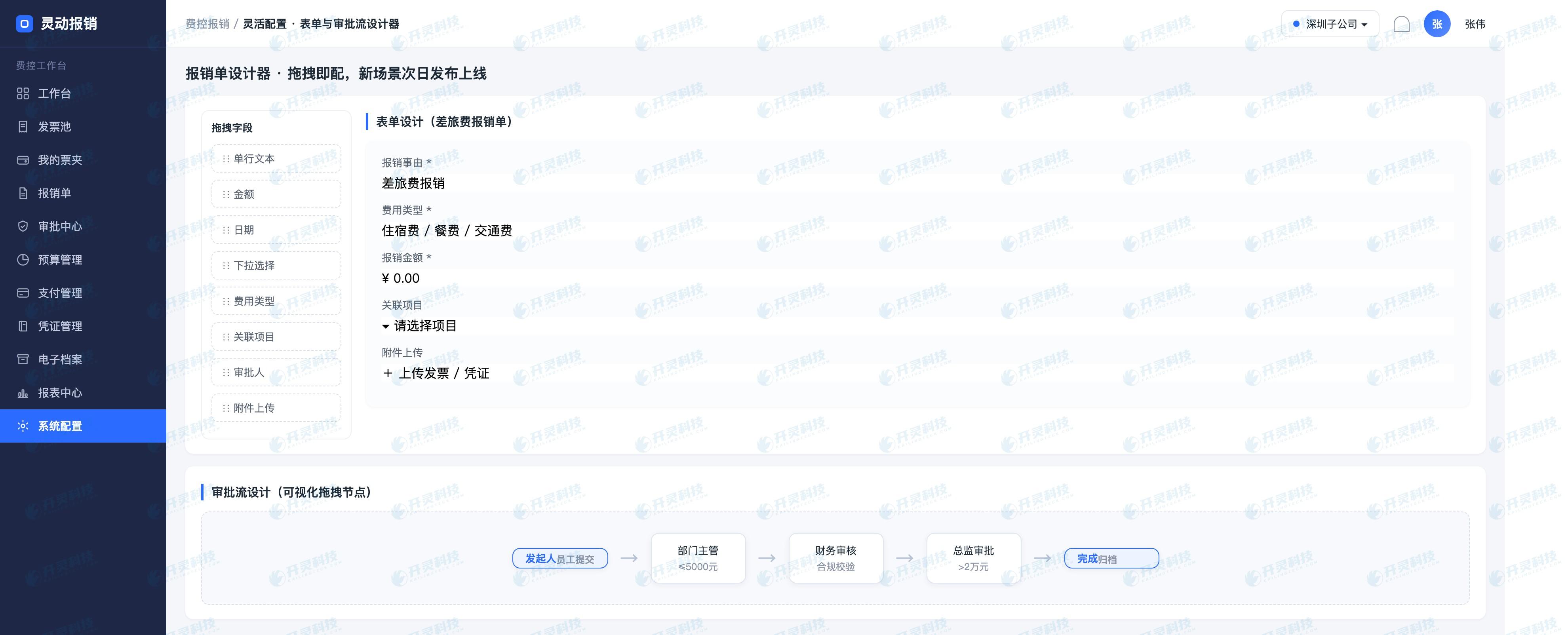
▍3. How do the four nodes update quotas without duplicate deductions?
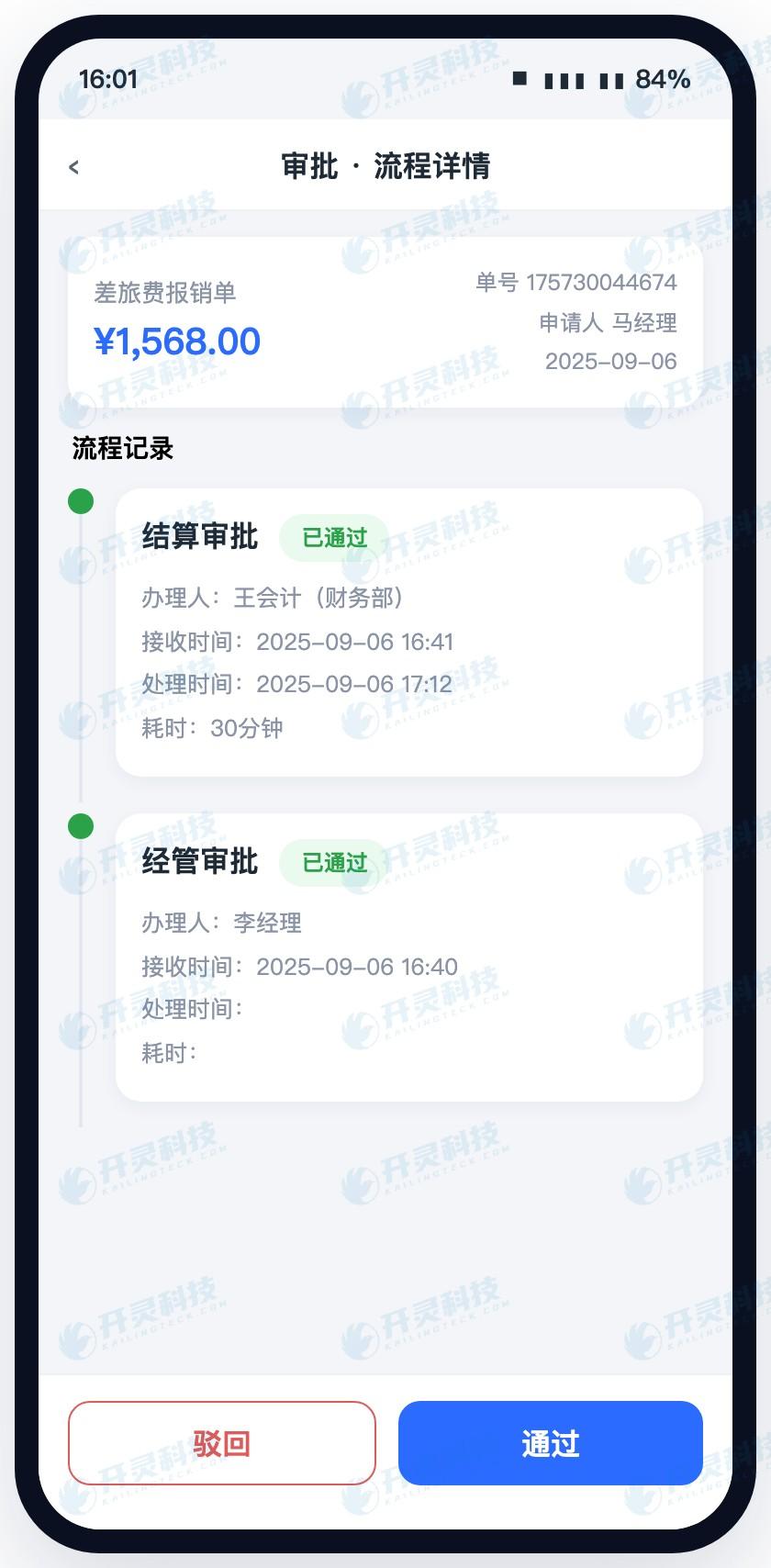
The application node pre-occupies based on the estimated amount; it is released when the application is rejected or canceled. If the consumption node can obtain order or transaction data, it should reference the original application and update the estimated value, and must not fully occupy again. The reimbursement node confirms budget execution based on the reviewed valid amount; when the actual amount is lower than the pre-occupied amount, the difference is released, and when higher, it is handled according to overage rules. The payment node is generally used to confirm fund status and should not deduct again after the budget has been confirmed.
Cross-month business must also clarify in which period the pre-occupation is retained and when it is carried forward or released. Long-unreimbursed applications cannot lock up quota forever, nor can they automatically disappear without confirmation by the responsible person. The system can set reminders and statuses, but the enterprise needs to provide invalidation conditions, extension permissions, and month-end handling methods, so that every change in budget balance has a business basis.
| "Budget pre-control is not adding another approval step, but ensuring the same expense consumes quota only once from planning to reimbursement. |
▍IV. Over-limit cannot have only two answers: "approve" and "block"
Insufficient budget may come from temporary business changes, incorrect classification selection, budget not yet allocated, or genuine overspending. The system should first display the difference, budget object, and existing occupation, and then follow different paths according to the cause: field errors are returned for correction, temporary increases initiate adjustments, necessary expenditures enter authorized special approval, and unreasonable consumption is prevented from continuing. Leaving all situations to finance for verbal approval will lose control traces.
Special approval does not mean modifying the budget. Approvers must clarify whether they are approving this overage, approving a budget adjustment, or agreeing to use another quota; the three actions have different meanings for subsequent reports. The Kailing Technology enterprise expense control and reimbursement management system can carry these results through processes, reminders and reports, but the authorization levels, overage thresholds and adjustment responsibilities are determined by enterprise policies.
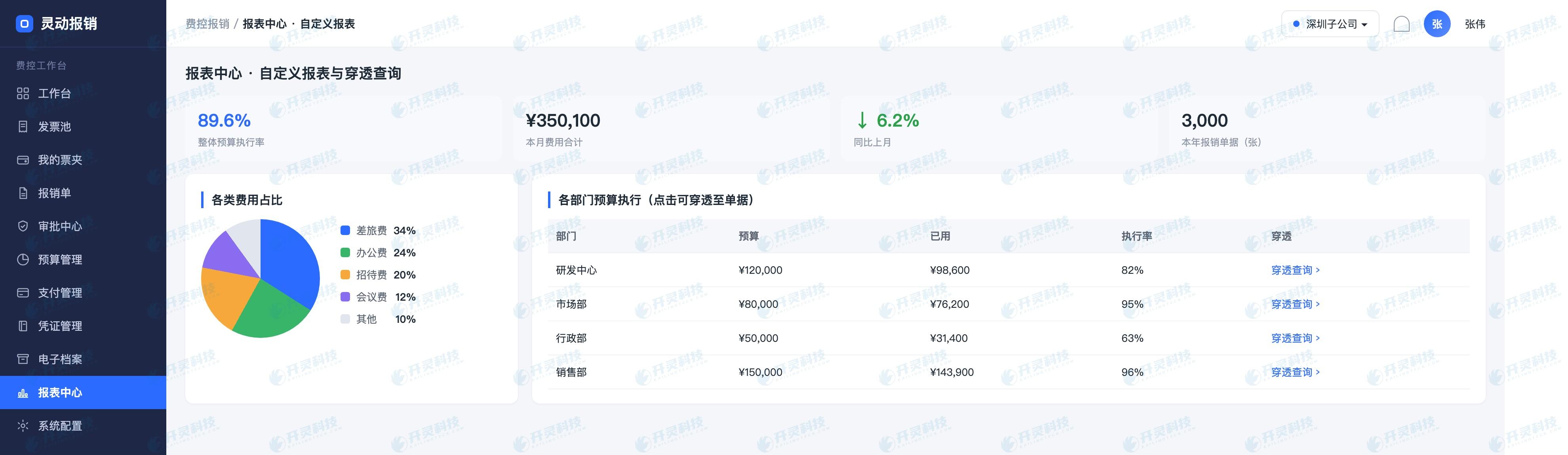
- Display the available amount, occupied amount, and this application amount, so approvers do not see only an over-limit tag.
- Record the reason for special approval and its scope of application to prevent one approval from being carried over to multiple subsequent expenditures.
- Bring frequently overspent objects back into budget preparation, distinguishing execution problems from planning deviations.
▍V. The management dashboard must answer why the balance changed
Only budget amounts, incurred amounts, and execution rates are displayed, making it impossible to identify who occupied the quota and why it has not yet been released. Managers need to drill through from summary reports to applications, reimbursements, and adjustment items to see occupation status, expected completion time, and responsible persons. The mobile end can support managers in viewing key data at any time, but the analysis caliber must remain consistent with the PC end and financial accounting.
Launch acceptance should use scenarios such as multi-person concurrent applications, application withdrawal, actual expenses lower than pre-occupied amounts, excess special approval, budget adjustment, and cross-month unreimbursed expenses, checking balance changes one by one. It should also verify whether historical data is still retained under the original basis after organizational or project adjustments, avoiding recalculation of the past for the current structure.
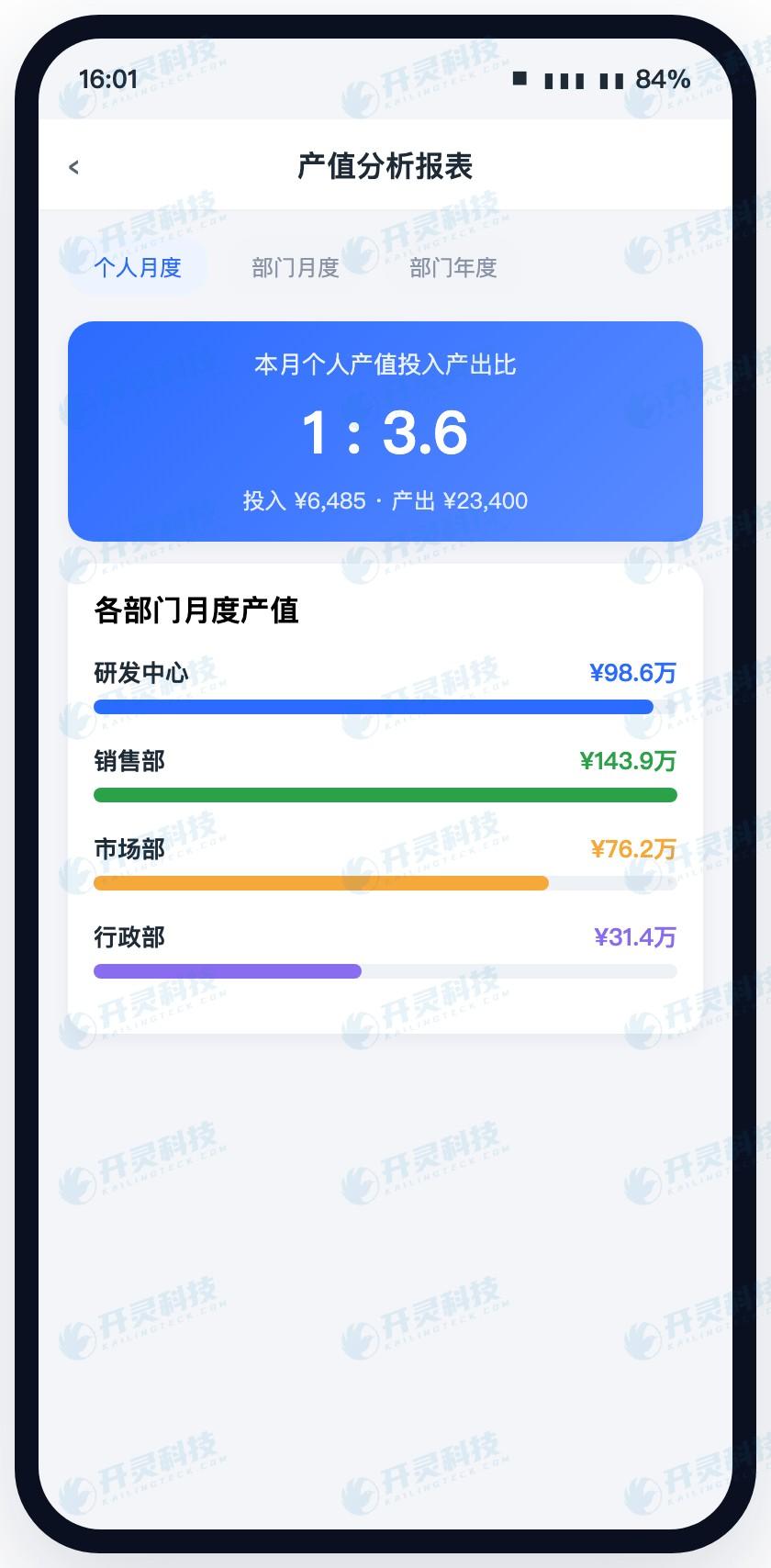
- Finance focuses daily on abnormal occupancy and long-uncompleted items, rather than recalculating balances transaction by transaction.
- Budget owners regularly analyze the reasons for release, addition, and special approval, and revise rules and preparation assumptions.
- System administrators retain rule versions to ensure that documents before and after policy adjustments are explainable.
Once budget is truly moved forward, employees know whether quota is available before committing expenses, approvers can see the impact of this decision on remaining budget, and finance does not have to wait until the end of reimbursement to discover problems. Budget changes from a static number into a management language updated with business documents, so that control and operations fall on the same line.
After stable operation, the accuracy of pre-occupation should also be reviewed: which applications are unused for a long time, which projects always require additional amounts, and which expenses are often occupied on the wrong objects. Bringing these phenomena back to form design and budget preparation can gradually reduce ineffective locks, making upfront control both binding and not overly obstructive to normal business.
▍FAQ
Q: Does budget pre-approval mean all expenses must be applied for in advance?
A: Not necessarily. Enterprises can set different nodes by amount, expense type and risk; small routine expenses can be verified at consumption or reimbursement, while major matters are more suitable for application pre-occupation.
Q: If the applied amount is higher than the actual reimbursement, how is the difference handled?
A: After reimbursement confirms the valid amount, unused pre-occupancy should be released; the release timing and cross-month rules need to be determined before implementation.
Q: Can the process continue when over budget?
A: Yes, it can enter adjustment or authorized special approval according to policy, or it can be hard-blocked. The system is responsible for displaying the difference and executing the path, while the approval scope remains authorized by the enterprise.
Q: Why do budget reports differ from financial accounts?
A: A common reason is that the budget includes in-transit occupation, while the general ledger records only posted results. First align the comparison time point and status basis, then investigate field mapping.
Move budgets forward from month-end reports to every expense decision. Welcome to visit Kailing Technology: https://www.kailingteck.com/feikong/ .
As a national high-tech enterprise, Kailing Technology focuses on the digital and intelligent transformation of enterprise business-finance-tax and operations management, providing software products, system integration, implementation and delivery, and operational services for various government agencies, institutions, group enterprises, and SMEs.
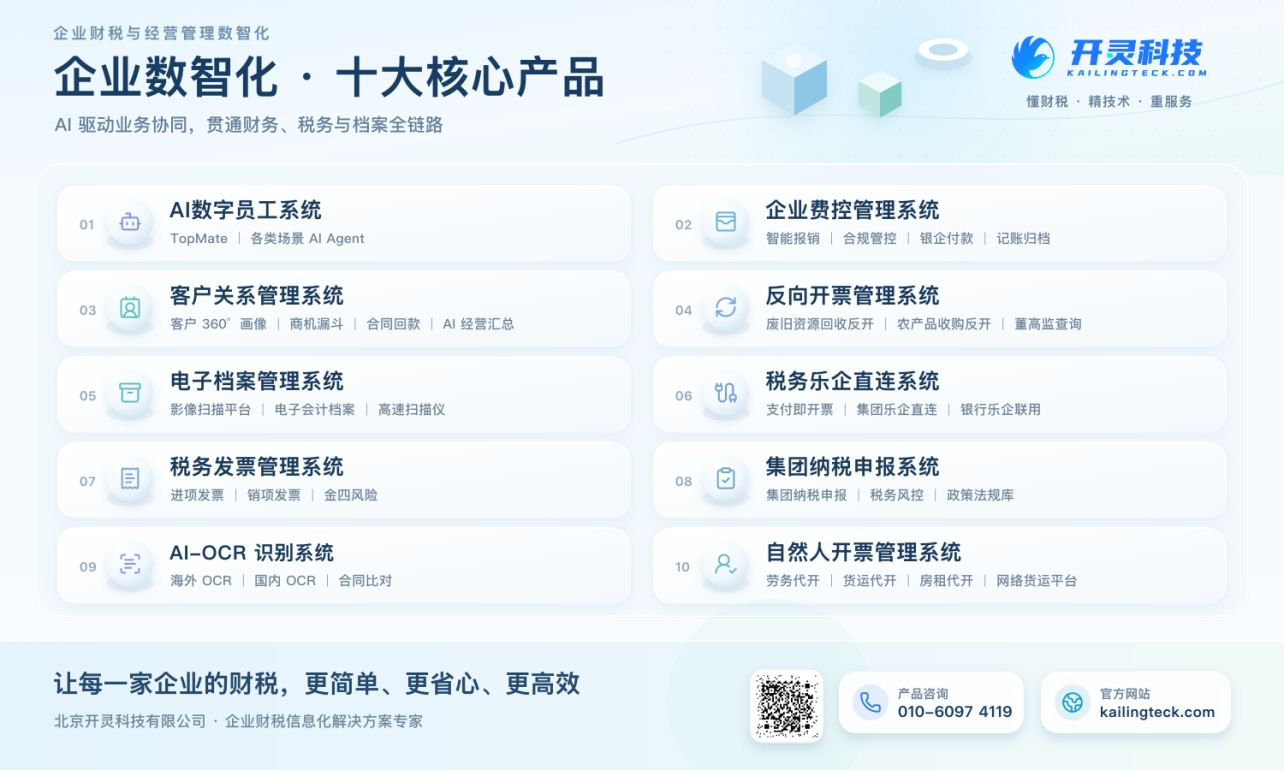
The company has now formed ten core product lines, including: AI digital employee system, enterprise expense control management system, customer relationship management system, reverse invoicing management system, invoice issuance for individuals management system, electronic archives management system, tax fully digitalized e-invoice Leqi system, tax invoice management system, group tax filing system, and AI OCR recognition system. It is committed to connecting enterprise business, finance, tax, funds, and archive data to help customers improve operational efficiency, business-finance-tax compliance capabilities, and digital management levels.
If you have any business-finance-tax digital transformation needs, welcome to contact us. Beijing Kailing Technology will serve you wholeheartedly.
 Keywords: Budget upfront, budget occupation, expense control, Kailing Technology, enterprise expense control reimbursement management system
As a comprehensive business-finance-tax digitalization solution service provider, Kailing Technology provides business-finance-tax management digital transformation products and operational services for various government agencies, institutions, and large, medium, and small enterprises. The product line includes: solutions for sales contract management system, procurement contract management system, fully digitalized Leqi interface project, automatic output invoicing system, reverse invoicing system, invoice issuance for individuals system, employee expense control and reimbursement system, input VAT invoice management system, supply chain collaborative reconciliation system, image AI OCR recognition system, automatic financial bookkeeping system, electronic accounting archives system, etc., comprehensively driving the digitalization process across various fields.
Consultation Hotline: 18513895936 / 010-60974119 Location: Beijing