
Low supply chain reconciliation efficiency? An AI intelligent reconciliation system cracks it
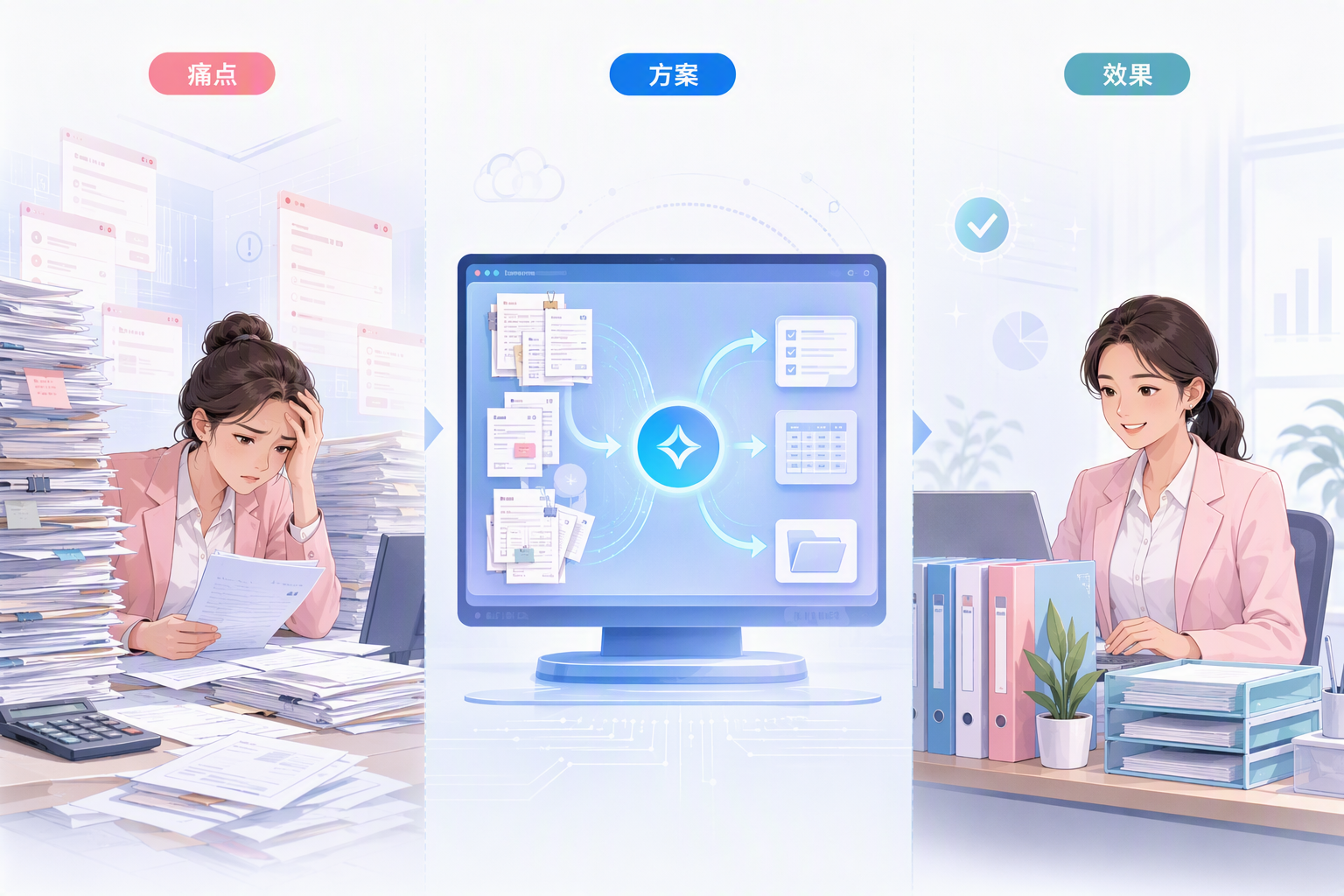
Low supply chain reconciliation efficiency? AI intelligent reconciliation system frees finance from the manual nightmare
At the end of every month, finance faces thousands of invoices, orders, and receiving notes, eyes blurry and accounts still not reconciled; suppliers keep calling to urge payment, business departments pass the buck to each other, and the boss slams the table demanding data. Traditional reconciliation relies on manual work, which is inefficient, error-prone, and long-cycle, not to mention hidden tax risks. Kailing Technology's supply chain reconciliation AI system, with AI OCR recognition and intelligent matching engines at its core, connects the entire chain of orders, invoices, goods receipt, and payment, turning reconciliation from "manual hard labor" into "automatic cruising."
"Reconciliation is not about checking numbers, but about connecting the business and finance ends." |
▍I. Why is supply chain reconciliation always "firefighting"?
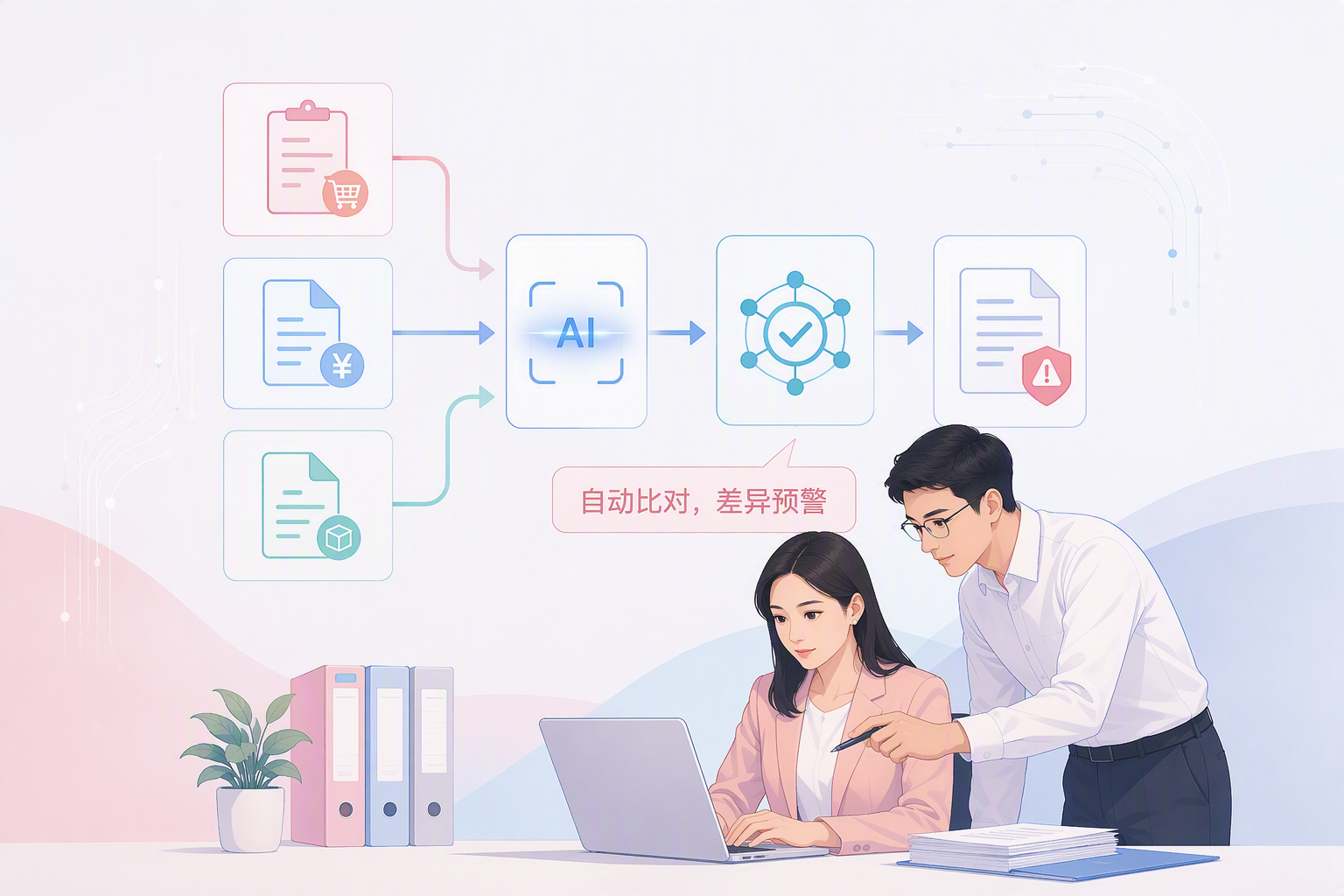
Supply chain reconciliation involves data from multiple parties such as purchase orders, goods receipt notes, invoices, and payment vouchers, with scattered sources and inconsistent formats. Under the traditional manual model, finance must check item by item, which is not only time-consuming and labor-intensive but also prone to errors and omissions due to human oversight. According to the Basic Standard for Enterprise Internal Control, enterprises should strengthen accounting system control over procurement and payment to ensure that accounts match reality. But manual checking struggles to handle massive documents, especially during the month-end closing peak, when reconciliation often becomes a "firefighting" scene, affecting the financial closing progress and capital turnover efficiency.
▍II. How does AI turn reconciliation from "manual" to "automatic"?
Kailing Technology's supply chain reconciliation AI system uses AI OCR technology to automatically recognize invoices, orders, goods receipts, and various other documents, converting unstructured data into structured data, and then uses an intelligent matching engine to automatically compare the relationships among orders, invoices, goods receipt notes, and payment slips. The system supports configuration of multi-dimensional reconciliation rules, such as amount, quantity, tax rate, and supplier, automatically marking discrepancies and generating reconciliation reports. Finance only needs to handle exceptions, greatly reducing manual verification workload and shortening the reconciliation cycle from several days to several hours.
▍III. How to manage reconciliation and tax risks together?
Reconciliation is not only about checking numbers; it is more about tax compliance. Input VAT invoice management is a key part of supply chain reconciliation. The Kailing Technology input VAT invoice management system directly connects to the tax bureau to automatically obtain all invoice sources, automatically verifies and checks for duplicates, and prevents duplicate reimbursement and missed reporting. At the same time, the system can link electronic accounting archives, so vouchers are stored upon scanning and archived upon recognition, ensuring the completeness and traceability of reconciliation evidence. Through the tax risk control module, it scans declaration data for compliance and warns of abnormal indicators, helping enterprises avoid tax risks during reconciliation and achieve integrated business-finance-tax management.
▍IV. How to implement it? Kailing Technology's three steps
Step 1: Integrate AI OCR recognition capabilities to digitize existing paper or electronic documents in batches; Step 2: Configure an intelligent matching engine and set reconciliation rules according to the enterprise's procurement process; Step 3: Connect input VAT invoice management with the electronic accounting archives system to achieve automatic data flow. Kailing Technology provides standardized interfaces that can seamlessly connect with enterprises' existing ERP and financial systems, with a short implementation cycle and no need to change existing business processes. At the same time, AI digital employees can automatically perform reconciliation tasks and regularly generate reports, freeing finance from repetitive work to focus on higher-value analysis and decision-making.
Keywords: Supply chain reconciliation, AI reconciliation, intelligent matching, AI OCR, input VAT invoice, electronic accounting archives, tax risk, Kailing Technology
As a comprehensive business-finance-tax digitalization solution service provider, Kailing Technology provides business-finance-tax management digital transformation products and operational services for various government agencies, institutions, and large, medium, and small enterprises. The product line includes: solutions for sales contract management system, procurement contract management system, fully digitalized Leqi interface project, automatic output invoicing system, reverse invoicing system, invoice issuance for individuals system, employee expense control and reimbursement system, input VAT invoice management system, supply chain collaborative reconciliation system, image AI OCR recognition system, automatic financial bookkeeping system, electronic accounting archives system, etc., comprehensively driving the digitalization process across various fields.
Consultation Hotline: 18513895936 / 010-60974119 Location: Beijing