
How to block duplicate reimbursement, fake invoices, and over-standard expenses? The Kailing Technology expense control reimbursement system blocks risks before submission
The same invoice submitted again under a different reimbursement form, invoice information inconsistent with the enterprise header, travel expenses exceeding policy standards, continued application despite insufficient budget—if these problems are only discovered at month-end or after payment, processing costs multiply.Kailing Technology expense control and reimbursement system“Lingdong Reimbursement" moves invoice verification, duplicate recognition, expense standards, budget control, and exception review forward to before submission, allowing normal documents to pass quickly and questionable tasks to enter manual judgment with reasons attached.
▍1. Why the later risks are discovered, the longer the rework chain
After a reimbursement form is submitted, it is usually already linked to the application, approver, and budget; after payment is completed, bank receipts and accounting vouchers are also generated. If duplicate invoices, overspending, or incomplete business materials are only discovered at this point, you must simultaneously handle rejection, budget release, payment recovery, voucher adjustment, and archive revision.
Many enterprises do not lack systems; rather, the systems remain in documents. Employees cannot see specific judgments when submitting, approvers gatekeep based on impressions, and finance only conducts centralized verification at the final stop. Risk control therefore becomes "finding errors at the end," which is slow and prone to missed checks due to concentrated document volume.
To block risks before submission, first break problems into three categories: whether invoices are authentic and usable, whether expenses comply with enterprise standards, and whether budget and business information support this expenditure. Different problems are handled with different rules and cannot rely only on a single invoice authenticity check.
▍II. How do invoice verification and duplicate checking identify duplicate and abnormal invoices
When an invoice enters the system,Kailing Technology expense control and reimbursement system It can recognize special VAT invoices, general VAT invoices, fully digitalized e-invoices, roll invoices, fixed-amount invoices, motor vehicle invoices, and passenger transport invoices, among other types, and check information such as enterprise name, tax number, bank account number, address, and telephone. Paper invoice numbers can be compared with tax authority information; electronic invoices also require checking the signature and source file status.
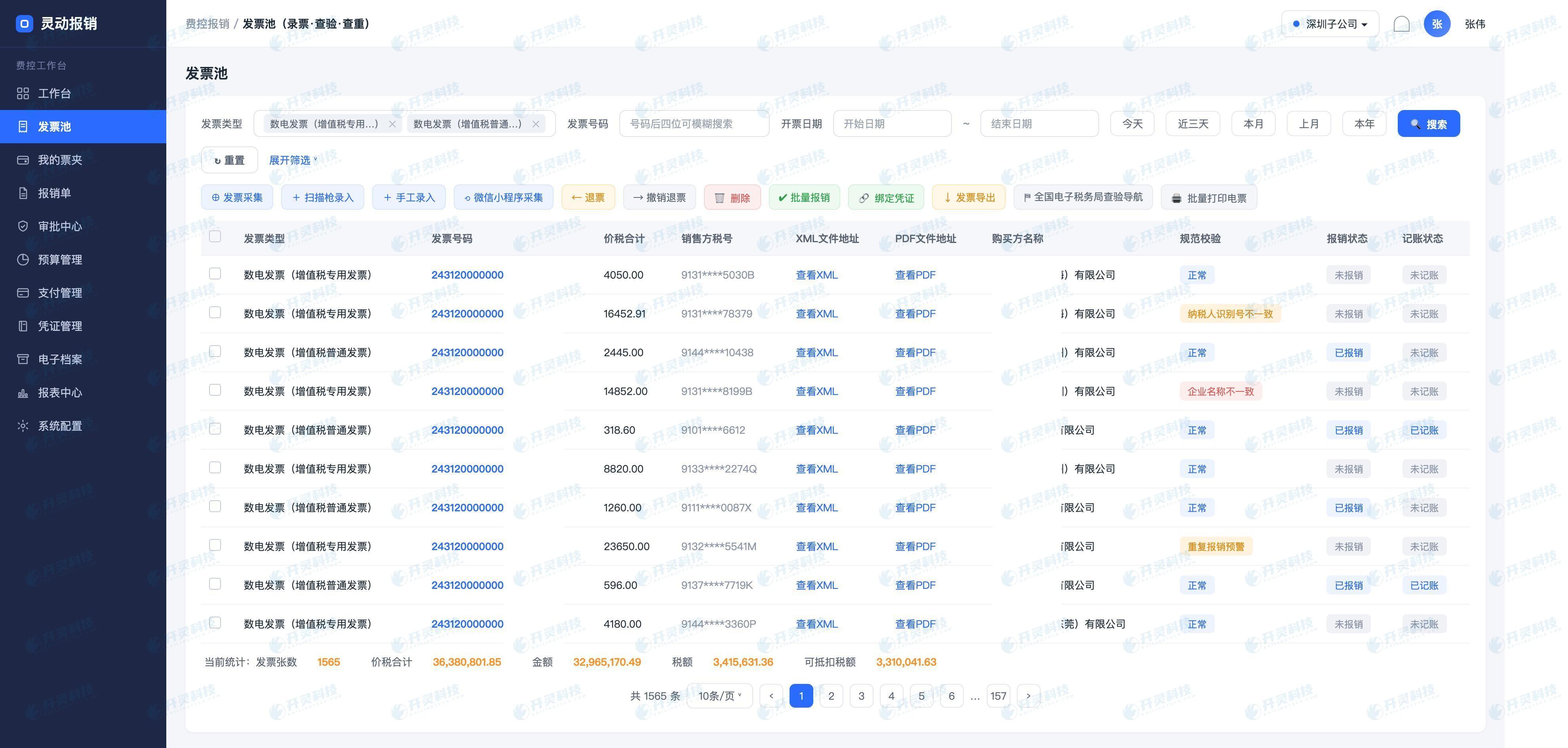
Duplicate risk occurs at at least two points in time. The first is when the same invoice is repeatedly collected; the system prompts or blocks re-adding when it enters the invoice folder. The second is when an invoice is already occupied by another reimbursement form; when a new form is initiated, its reimbursement and tax booking status should be identified.
Fixed-amount invoices can also be judged by combining consecutive number recognition with local verification rules. Once blacklisted items or sellers are hit, the system provides the reason for the anomaly. Finance sees not just "pass/fail," but the specific fields and risk types that need to be checked.
▍III. How expense standards and budgets work together before submission
Fake invoices and duplicate invoices are document risks, while exceeding standards comes from the system. Enterprises can configure requirements such as travel levels, accommodation standards, transportation, and entertainment scope into the corresponding expense scenarios. When employees fill in or associate invoices, the system determines whether standards are exceeded based on conditions such as personnel, department, city, and project.
Budget control addresses "whether there is quota." Expense applications and reimbursement forms can occupy budget according to enterprise rules, avoiding multiple documents reusing the same quota during approval. When budget is insufficient, submission can be prohibited, or the applicant can be allowed to explain the reason and route it to special approval.
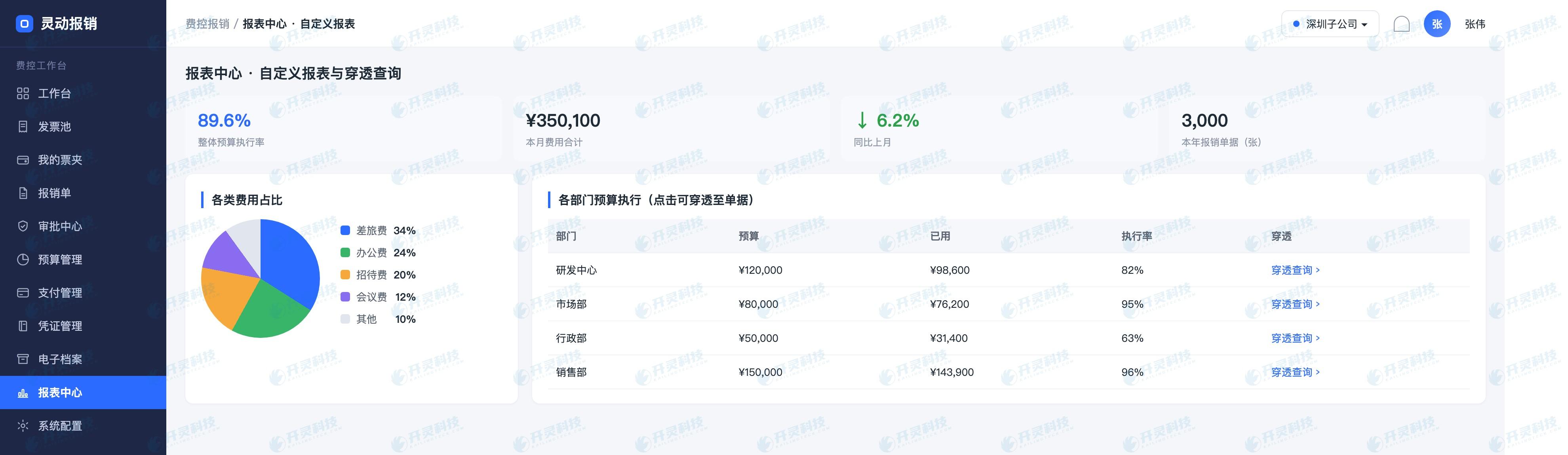
Standards and budgets cannot simply be merged. A certain expense may comply with travel standards, but the project budget has already been used up; or the budget may be sufficient, but it exceeds the individual accommodation standard. The system gives judgments separately so that approvers can know whether what needs adjustment is the expense itself or the budget arrangement.
▍IV. Which exceptions are blocked automatically, and which should go to manual review?
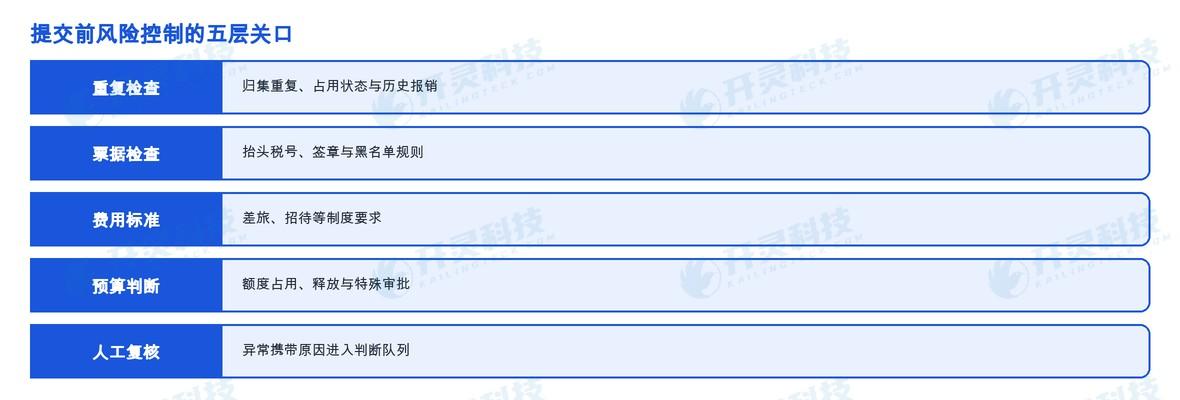
Automation does not mean all issues are directly rejected by the system. Enterprises can classify risk rules into hard blocks, warnings and Manual review Three categories. Clear issues such as duplicate reimbursement and inconsistent key header information can block submission; situations such as approaching the budget cap or missing materials can prompt supplementation; business reasonableness is left to the approver's judgment.
AI digital employees can also pre-review reimbursement forms according to internal rules such as the Employee Allowance and Travel Management Policy, and transfer to humans after exceptions are hit. Approvers receive tasks with policy clauses, exception fields, and original materials, and do not need to search item by item from scratch.
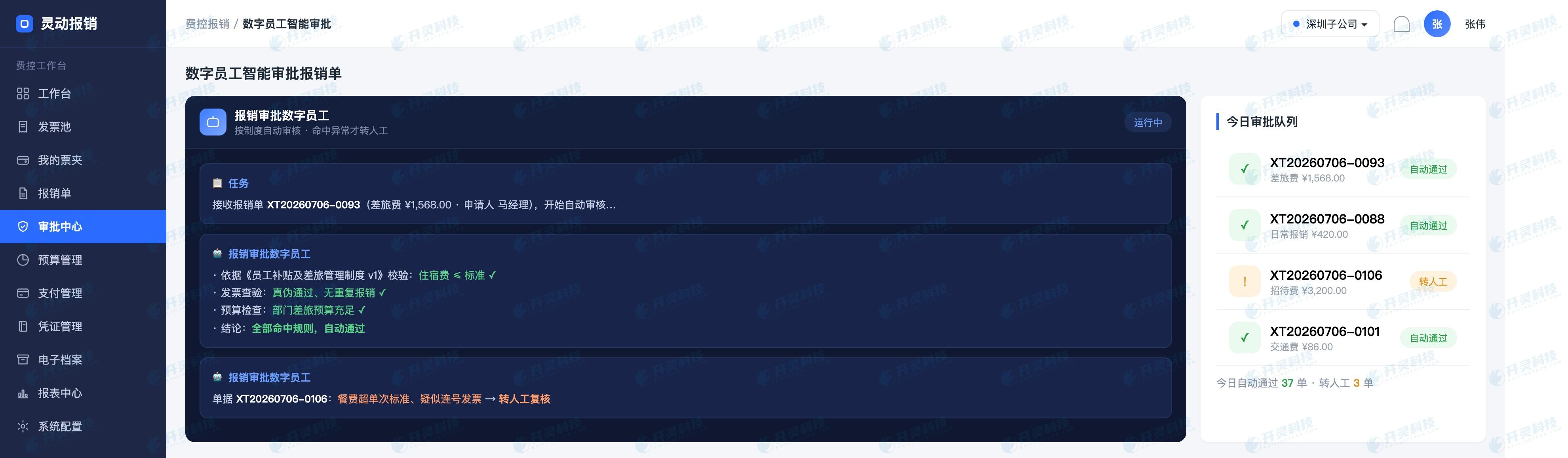
A chain enterprise used to require finance to compare invoices and expense standards one by one, with a large number of documents queuing at month-end. After switching to pre-submission verification, ordinary documents continue through the process, and finance focuses its time on over-standard explanations, special businesses, and ambiguous invoices.
▍V. How Kailing Technology's expense control and reimbursement system makes rules configurable and traceable
Different organizations, positions, and projects have different management scopes.Lingdong Reimbursement Support Multiple organizations Switching and permission isolation allow expense standards, approval paths, and payment accounts to be configured for each company, while headquarters retains a unified view of budgets and risks.
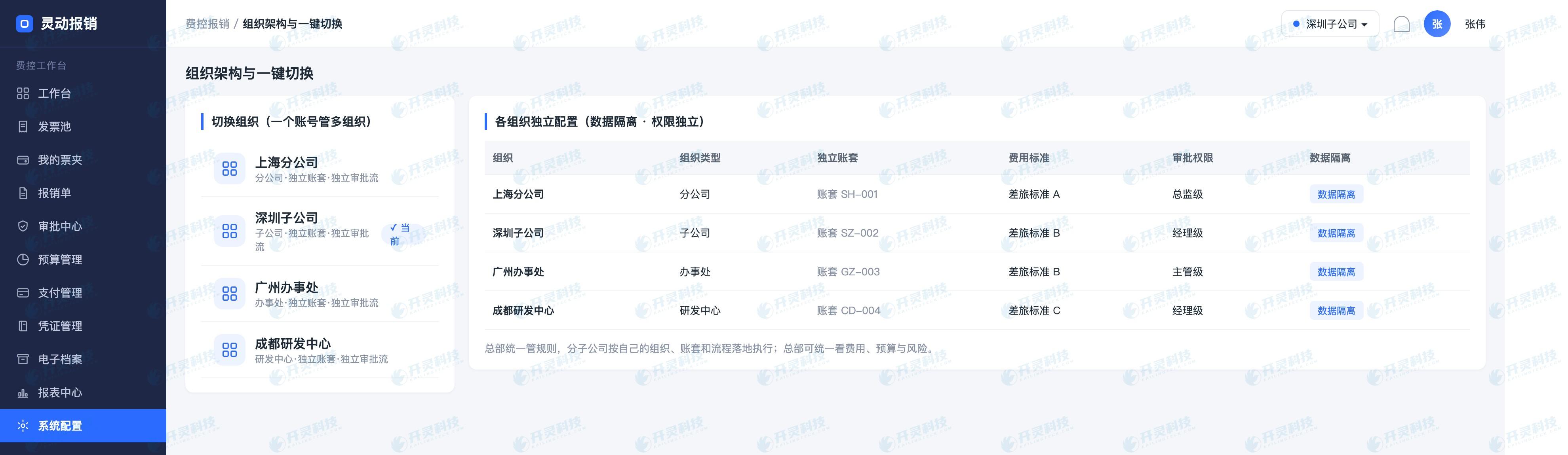
Each verification should also leave a result: when the rule was triggered, which field was hit, whether the employee added an explanation, and who ultimately released it. In this way, risk control is not an invisible black box, but a set of judgment records that can be reviewed and adjusted.
After enterprise policies are updated, forms, approval flows, or validation rules can be adjusted accordingly. For alerts that occur frequently but are ultimately manually released, it should be checked whether the rules are too strict; for issues that still occur afterward, checkpoints should be moved earlier or changed to hard blocks.
▍FAQ
Q: After invoice verification, can duplicate reimbursement still occur?
A: Possibly. Verification answers whether the invoice exists, while duplicate checking also determines whether the same invoice has already been collected, occupied, reimbursed, or posted, so the two types of checks cannot replace each other.
Q: Must all over-standard expenses be automatically rejected?
A: Not necessarily. Enterprises can set rules as interception, warning or escalation to special approval; the key is to clarify who has the authority to release and whether supplementary business explanations are needed.
Q: Is budget occupied only at the time of reimbursement?
A: Yes, it can be occupied at the application or reimbursement stage according to enterprise management practice, and released in statuses such as return or cancellation. The specific nodes need to be configured according to the budget policy.
Q: Will manual review turn back into document-by-document review?
A: Normal documents can continue to flow according to the rules, and manual effort focuses on tasks that hit exceptions. The review volume depends on rule granularity and actual document quality.
Move invoices, expense standards, and budget checks forward to before employees submit. Learn more about Kailing Technology's expense control reimbursement system: https://www.kailingteck.com/feikong/ .
As a national high-tech enterprise, Kailing Technology focuses on the digital and intelligent transformation of enterprise business-finance-tax and operations management, providing software products, system integration, implementation and delivery, and operational services for various government agencies, institutions, group enterprises, and SMEs.
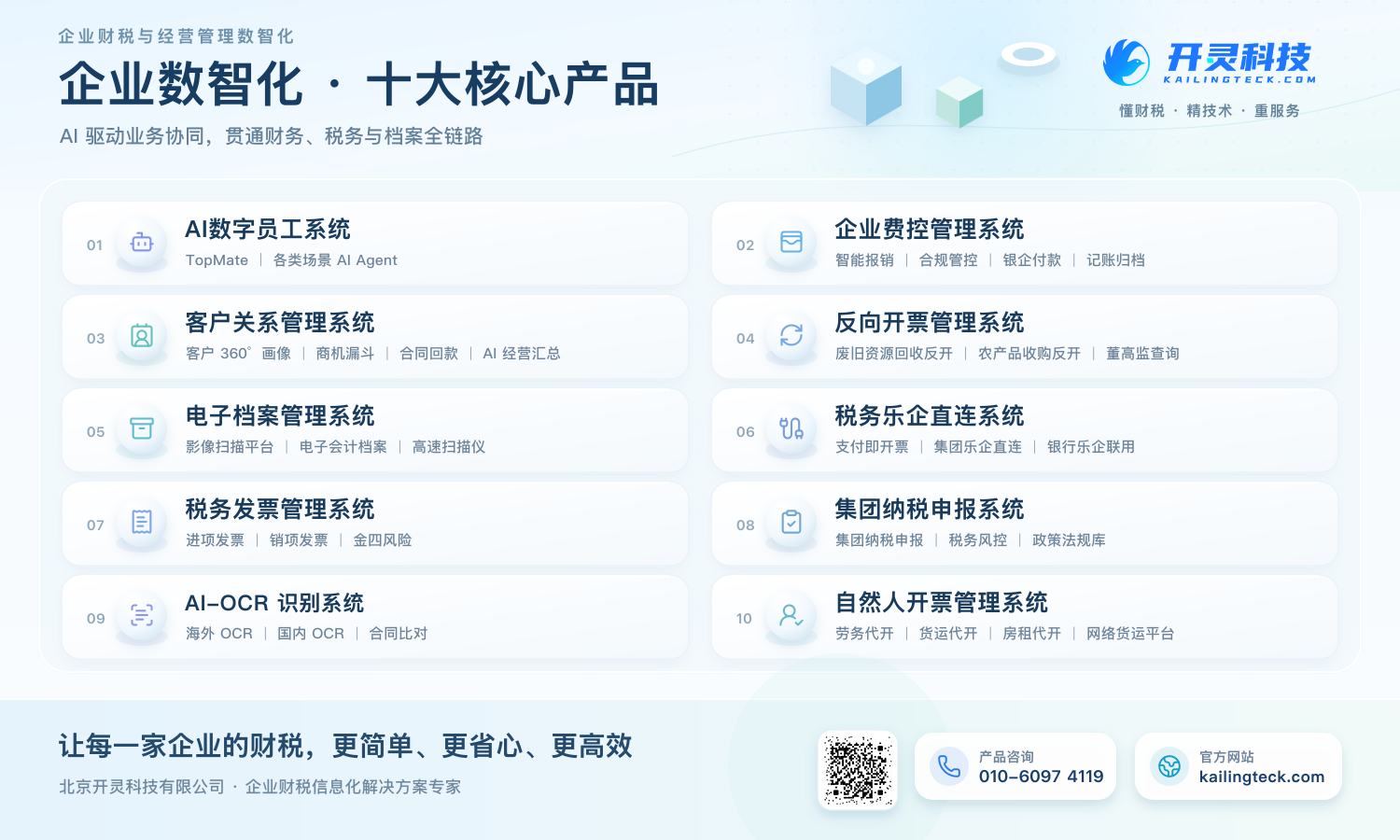
The company has now formed ten core product lines, including: AI digital employee system, enterprise expense control management system, customer relationship management system, reverse invoicing management system, invoice issuance for individuals management system, electronic archives management system, tax fully digitalized e-invoice Leqi system, tax invoice management system, group tax filing system, and AI OCR recognition system. It is committed to connecting enterprise business, finance, tax, funds, and archive data to help customers improve operational efficiency, business-finance-tax compliance capabilities, and digital management levels.
If you have any business-finance-tax digital transformation needs, welcome to contact us. Beijing Kailing Technology will serve you wholeheartedly.
Keywords: Kailing Technology expense control and reimbursement system, duplicate reimbursement interception, invoice authenticity verification and duplicate checking, fake invoice identification, over-standard expense alerts, budget control, manual review, expense control risk management
As a comprehensive business-finance-tax digitalization solution service provider, Kailing Technology provides business-finance-tax management digital transformation products and operational services for various government agencies, institutions, and large, medium, and small enterprises. The product line includes: solutions for sales contract management system, procurement contract management system, fully digitalized Leqi interface project, automatic output invoicing system, reverse invoicing system, invoice issuance for individuals system, employee expense control and reimbursement system, input VAT invoice management system, supply chain collaborative reconciliation system, image AI OCR recognition system, automatic financial bookkeeping system, electronic accounting archives system, etc., comprehensively driving the digitalization process across various fields.
Consultation Hotline: 18513895936 / 010-60974119 Location: Beijing