010-6097 4119Book a Demo


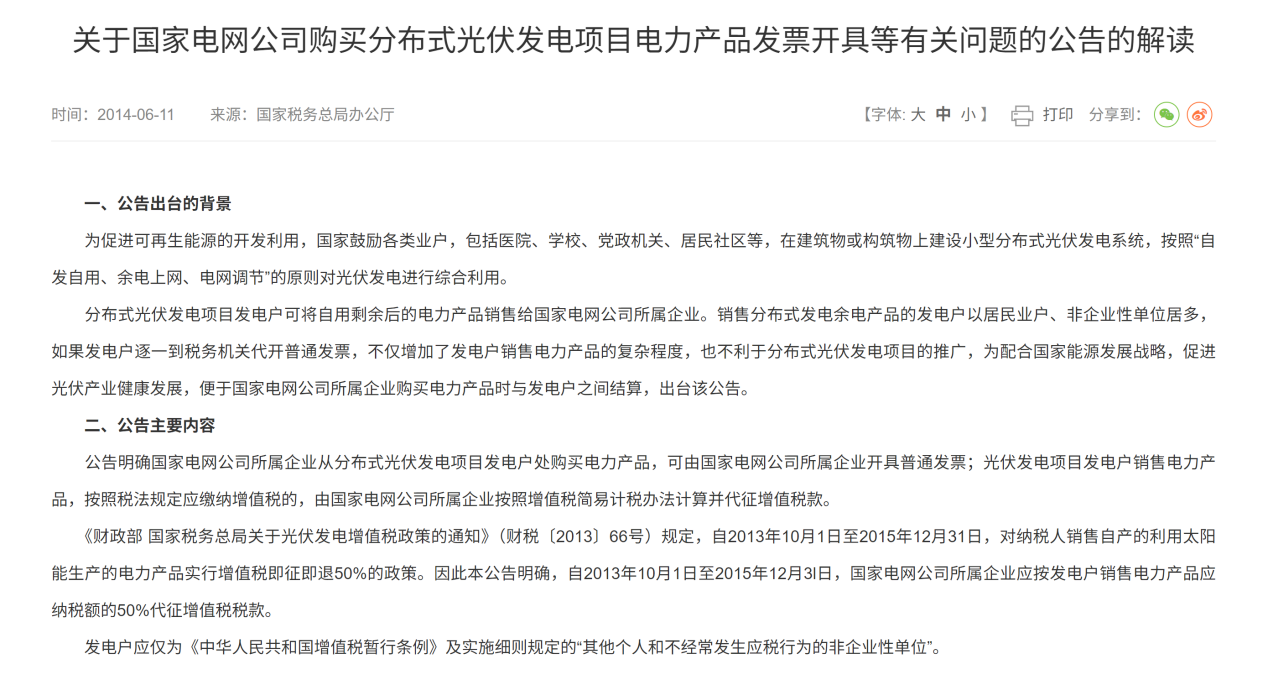
[Official Guidance] "Reverse invoicing" business scenario for electricity fees purchased in photovoltaic power generation; Kailing Technology standardizes tax management in the photovoltaic power generation fieldPublished: 2025-12-16 17:55 Led by the dual carbon goals, the distributed photovoltaic power generation industry has entered a period of rapid development, and the standardization of tax management is an important guarantee for the industry's sustained and healthy progress. Among these, "reverse invoicing" for electricity purchase fees in photovoltaic power generation, as a special tax treatment model, concerns both the legitimate rights and interests of power generation users and the compliant operations of grid enterprises and related entities. Relying on relevant policy guidance from the State Taxation Administration and combining it with Kailing Technology's professional solutions in the field of business-finance-tax digitalization, this article comprehensively analyzes the business scenarios, operational standards, and compliance management paths of "reverse invoicing" in the photovoltaic power generation field, providing industry participants with practical references for the implementation of official policies. I. Policy basis: the official positioning and core rules of "reverse invoicing" for photovoltaic power generation"Reverse invoicing" in the field of photovoltaic power generation is not an independent innovation model of the industry, but has clear policy support and legal boundaries. According to the provisions of the State Taxation Administration Announcement No. 32 of 2014, since July 1, 2014, when enterprises affiliated with the State Grid Corporation purchase electricity products from power generation users of distributed photovoltaic power generation projects, they may directly issue ordinary invoices to the power generation users. This is the core policy basis for "reverse invoicing" in this field. The new policy in 2024 further emphasized the continuity of the "reverse invoicing" policy in the distributed photovoltaic power generation field, aiming to smooth the VAT deduction chain and help the standardized development of the new energy industry.
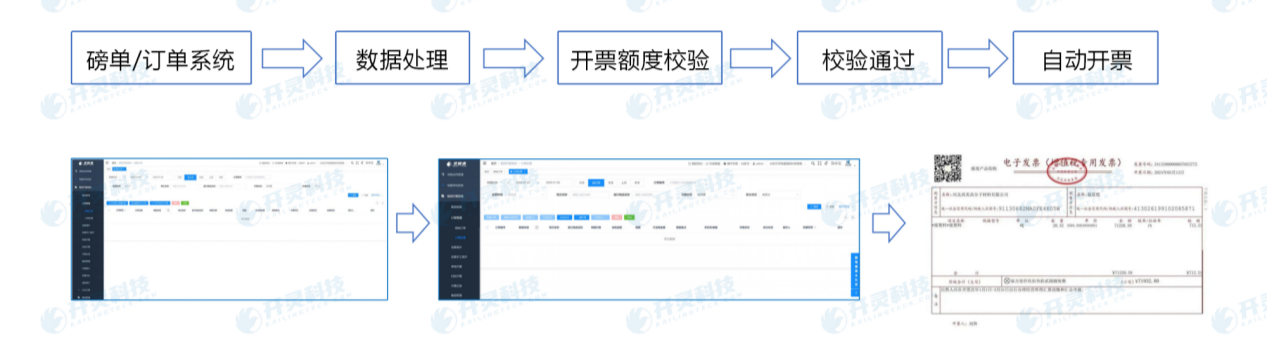
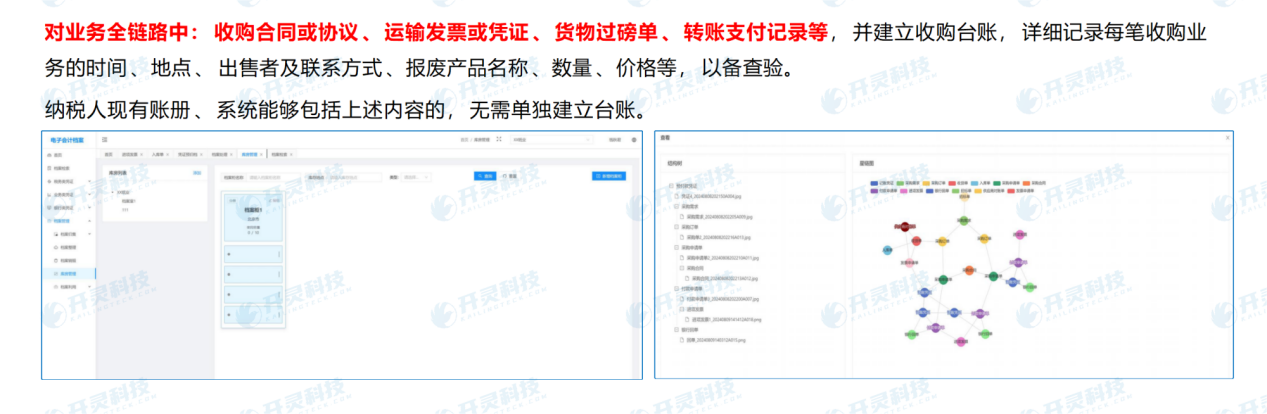
Its core rules can be summarized as the following three points: 1. Limited applicable entities:The invoicing party is an enterprise affiliated with State Grid Corporation of China, and the invoice recipient is a power generation user of a distributed photovoltaic power generation project (including natural persons and related entities); other enterprises do not fall under this policy scenario. 2. Invoice type specifications:Only VAT ordinary invoices may be issued, and VAT special invoices must not be issued. The invoice must clearly indicate information related to the purchase of electricity products to ensure the business attributes are clear. 3. Tax handling methods:If a power generation household needs to pay VAT on sales of electricity products, State Grid Corporation can collect the tax on its behalf under the simplified tax calculation method; if the power generation household meets the VAT exemption policy, an exempt ordinary invoice is issued directly, ensuring policy benefits are delivered directly. The core value of this policy design lies in solving the pain point that entities such as natural-person power generators cannot issue invoices themselves, while standardizing the input tax deduction process for power grid enterprises, achieving a closed loop of tax compliance for both parties to the transaction. II. Business scenario: applicable scope and operating process of "reverse invoicing" for photovoltaic power generation(1) Core Applicable Scenarios In the field of photovoltaic power generation, "reverse invoicing" mainly applies to electricity transactions of distributed photovoltaic power generation projects, specifically including two typical scenarios: 1. Individual distributed power generation scenario:A natural person uses their own residence, courtyard, etc. to build distributed photovoltaic power generation facilities and sells the generated electricity to the State Grid Corporation. Since the natural person has no invoicing qualification, the grid enterprise fulfills the "reverse invoicing" obligation. 2. Small distributed project scenarios:Various small distributed photovoltaic power generation project entities (not registered as general taxpayers or without invoicing capability) complete transaction settlement and tax compliance through reverse invoicing when selling electricity products to grid enterprises. (II) Standardized operational process Combined with Kailing Technology's digital solution practices in the field of reverse invoicing, photovoltaic power generation "reverse invoicing" can achieve full-process standardized and informatized management. The core process is as follows: 1. Entity information filing:Power generation users (including natural persons) need to submit identity information (natural person ID card, enterprise business license, etc.), contact information, power generation facility filing certificates, and other materials to the grid enterprise. The grid enterprise completes information verification and filing to ensure the entity's identity is authentic and valid. 2. Transaction data collection:Through connecting with the power grid trading system and metering system, automatically collect electricity trading data, including core information such as power generation periods, power generation volume, and settlement amounts, forming tamper-proof transaction records to provide data support for invoicing. 3. Invoicing qualification verification:The system automatically verifies whether power generation users qualify for tax exemption policies and whether there are tax violation records, etc., and determines the invoicing tax rate (if exemption applies, it is marked as exempt; if taxation is required, the prescribed tax rate is applied) and the invoicing limit. 4. Reverse invoice issuance:Through the electronic invoice service platform, power grid enterprises issue ordinary invoices based on collected transaction data, marked "electricity product purchase", and invoice information is synchronized in real time to the tax system and power generation user terminals. 5. Tax agency and filing:For power generation users who need to pay VAT, grid enterprises collect taxes on behalf using the simplified tax calculation method. Within the filing period of the following month, they submit the "Tax Collection on Behalf Report Form" through the tax system to complete tax payment and filing; individual income tax involving individual power generation households is withheld in advance and annually reconciled according to relevant regulations. 6. Voucher archiving for future reference:Full transaction process materials are archived through the digital system, establishing a traceable business ledger for tax authority inspection, ensuring "IVflow integration". III. Compliance pain point: The core challenge of "reverse invoicing" for photovoltaic power generation enterprisesIn actual operations, "reverse invoicing" in the photovoltaic power generation sector faces multiple compliance risks and efficiency bottlenecks, mainly concentrated in the following aspects: 1. Difficulty in verifying entity information:Distributed power generation users are scattered, with a high proportion of individuals. The authenticity and completeness of identity information and power generation qualification filing information are difficult to verify efficiently, making fraudulent transaction risks likely. 2. Difficult to trace transaction data:Some small projects lack standardized measurement and transaction systems, and data such as power generation and settlement amounts are mainly recorded manually, making data tampering and omissions likely, resulting in invoices issued not matching actual transactions. 3. Difficulty in policy adaptation and execution:Tax incentive policies (such as VAT exemption thresholds and tax rate application standards) are dynamically adjusted. Enterprises need to track policy changes in real time to avoid invoicing errors caused by misunderstandings of policies. 4. Difficult compliance archive management:The entire business process involves a huge volume of filing materials, transaction vouchers, and invoice archives. Traditional paper archiving is prone to archive loss and inconvenient retrieval, making it difficult to meet the tax authorities' regulatory requirements of "full-volume searchability and full-process traceability." 5. Difficult system integration and collaboration:Power grid enterprises' trading systems, metering systems, tax invoicing systems, and corporate financial systems lack effective integration. Data silos lead to low invoicing efficiency and high error rates, increasing financial accounting costs. IV. Kailing Technology Solutions: Digital empowerment for compliance upgrade of "reverse invoicing" in photovoltaic power generationIn response to the business pain point of reverse invoicing in the photovoltaic power generation sector, Kailing Technology, relying on years of practical experience in the business-finance-tax digital field, has created a full-process, intelligent reverse invoicing solution, achieving dual assurance of policy implementation and enterprise compliance. (1) Full-chain digital management to ensure business authenticity and traceability 1. Digitalized identity verification:Build an online identity verification module, supporting the scanned upload and automatic verification of materials such as natural person ID cards and enterprise business licenses, connecting to authoritative data interfaces such as public security and industry and commerce to ensure the authenticity and validity of entity information; at the same time, complete the online archiving and dynamic updating of power generation qualification filing information, achieving "one file per person, one file per household." 2. Automated collection of transaction data:Through standardized interfaces, it connects to power grid trading systems, metering systems, etc., collecting core data such as power generation, settlement amounts, and transaction times in real time. Encryption technology is used during data transmission to ensure data is not tampered with; it supports data anomaly alerts, automatically prompting verification of transaction data beyond the normal power generation range to prevent fraudulent transactions. 3. Built-in policy rules:Build the State Taxation Administration's policy requirements for "reverse invoicing" for photovoltaic power generation, tax preference standards, and more into the system, automatically adapt to policy changes, and update core parameters such as tax rates and tax exemption amounts in real time, ensuring invoicing behavior fully complies with policy provisions and avoiding human error.
(II) System Integration and Process Optimization, Improving Invoicing Efficiency 1. Seamless connection with multiple systems:Achieve deep integration with the electronic tax bureau, VAT invoice management system, enterprise financial system, and fund system, breaking down data silos; transaction data is automatically synchronized to the invoicing system, and after invoicing is completed, invoice information is returned in real time to the financial and tax systems, achieving full-process automation of "invoicing-bookkeeping-filing" and greatly reducing manual operation costs. 2. Intelligent invoicing and red-flushing:Supports batch invoicing and automatic filling. Invoice information is automatically generated based on transaction data, reducing manual entry errors. For sales returns, invoicing errors, and other situations, the red-letter invoice issuance process can be quickly initiated, automatically filling in the "Red-Letter Invoice Information Confirmation Form", improving exception handling efficiency.
(3) Electronic compliance archives to meet regulatory requirements Build an electronic archives management module to archive online the filing materials, transaction vouchers, invoice stubs, payment records, and tax filing forms for agency tax payments throughout the entire business process, supporting multi-dimensional search and query by invoice number, transaction date, power generation user name, and more; archive storage uses encryption technology and multi-copy backup mechanisms to ensure archives are secure and not lost, while meeting the tax authority's regulatory requirements of "retrievable at any time and fully traceable."
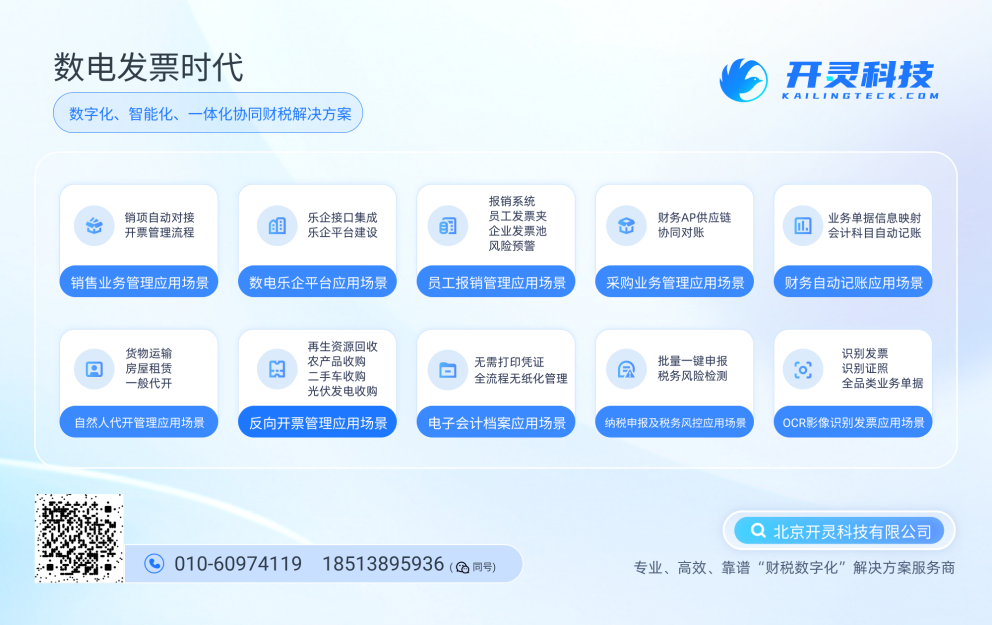
(4) Full-cycle compliance monitoring and operations support The system has built-in a compliance risk control model that monitors invoicing behavior in real time, including invoicing quota validation, tax rate applicability validation, and transaction data consistency validation, promptly identifying compliance risks such as over-limit invoicing and tax rate errors, and automatically triggering warnings and correction prompts.SimultaneouslyProvide round-the-clock technical support for issues such as system failures, policy consultation, and operational questions,Fastresponse; provide policy update interpretation services to ensure enterprises promptly grasp the latest regulatory requirements and dynamically adjust business processes. The "reverse invoicing" policy in the field of photovoltaic power generation is an important measure for the state to support the development of the new energy industry and standardize tax management, and the effective implementation of the policy cannot be separated from the support of digital tools. As a professional enterprise business-finance-tax digital solution service provider, Kailing Technology, with its deep understanding of policies, mature technical architecture, and rich practical experience, provides photovoltaic power generation enterprises with a full-process, compliant reverse invoicing solution, which not only solves the pain points of enterprises in entity verification, data traceability, and compliant archiving, but also helps the industry achieve standardized and intelligent upgrading of tax management. If you have any reverse invoicing or business-finance-taxDigitalizationFor transformation needs, welcome to contactKailing TechnologyContact,Get more industry solutions:https://www.kailingteck.com/h-col-127.html 。 As a comprehensive business-finance-tax digitalization solution service provider, Kailing Technology provides business-finance-tax management digital transformation products and operational services for various government agencies, institutions, and large, medium, and small enterprises. The product line includes: Sales contract management system, procurement contract management system, fully digitalized Leqi interface project, output automatic invoicing system,Reverse invoicing system,Solutions for the invoice issuance for individuals system, employee expense control and reimbursement system, input VAT invoice management system, supply chain collaborative reconciliation system, image AI OCR recognition system, automated financial bookkeeping system, electronic accounting archives system, and other businesses, comprehensively advancing the digitalization process across various fields. If you have any business-finance-tax digital transformation needs, welcome to contact us. Beijing Kailing Technology will serve you wholeheartedly.
#Reverse Invoicing Solution #Reverse Invoicing System #Photovoltaic Power Generation Reverse Invoicing #Resource Recycling Enterprise Reverse Invoicing Solution #Agricultural Product Procurement Reverse Invoicing Solution #Digital Business-Finance-Tax |