010-6097 4119Book a Demo


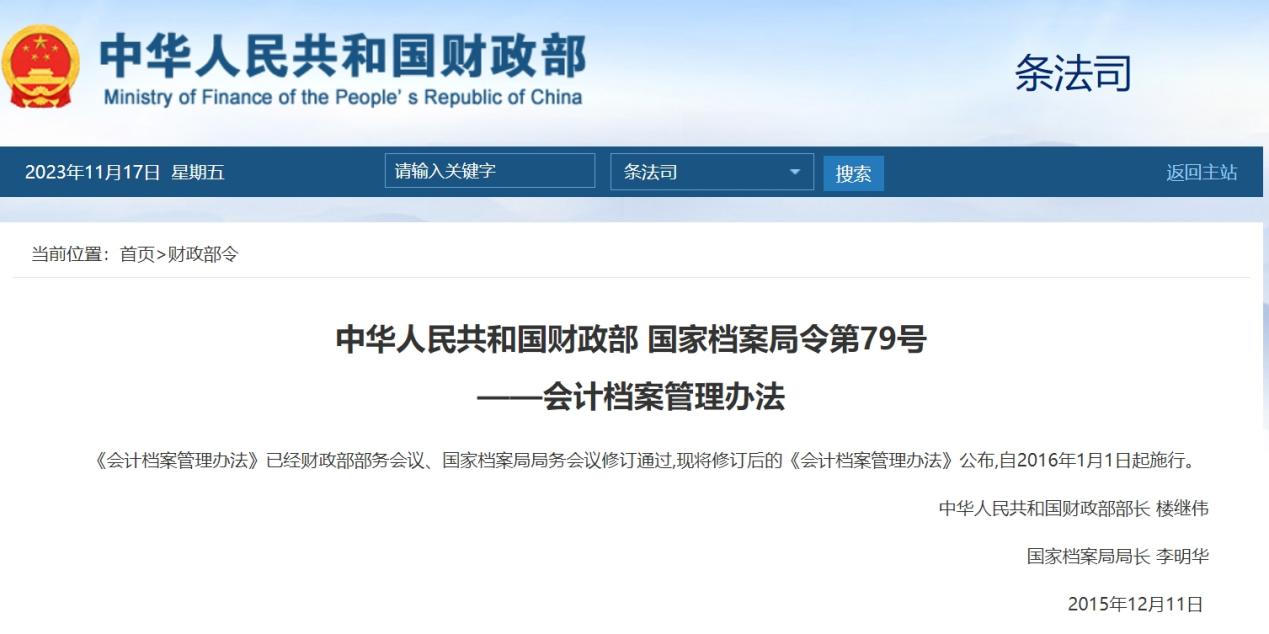
Electronic accounting archives: saying goodbye to paper archives, helping enterprises with business-finance-tax digital transformationPublished: 2023-12-13 15:57 As digital transformation accelerates and the policy on paperless accounting materials advances, accounting archives are gradually achieving electronic construction and development to better meet the needs of the times. Electronic accounting archives management not only overcomes the pain points of traditional paper archive management but also enhances the utilization value of accounting archives through full lifecycle management. It can help enterprises analyze and utilize accounting archive data resources more effectively, thereby better realizing the value of archive management and providing strong support for enterprise development. I. Strengthened Policy Standards Promote the Electronic Development of Accounting ArchivesIn December 2015, the Measures for the Management of Accounting Archives (Order No. 79 of the Ministry of Finance and the National Archives Administration) improved the definition and scope of accounting archives, added and clarified management requirements for electronic accounting archives, and raised the modernization level of accounting archive management.
In March 2020, the Ministry of Finance and the National Archives Administration issued the "Notice on Regulating the Reimbursement, Booking, and Archiving of Electronic Accounting Vouchers," putting forward specific requirements in five aspects regarding the legality and standardization of the reimbursement, booking, and archiving of electronic accounting vouchers, in order to regulate the reimbursement, booking, and archiving of paper printouts of electronic accounting vouchers and promote the full-process electronicization of the reimbursement, booking, and archiving of accounting vouchers.
In April 2022, the National Archives Administration issued "DA/T 94—2022 Specification for Electronic Accounting Archives Management," which stipulates requirements for the formation, collection, organization, and archiving of electronic accounting materials, as well as the custody, statistics, utilization, appraisal, and disposal of electronic accounting archives, promoting enterprises to carry out electronic accounting archives management activities.
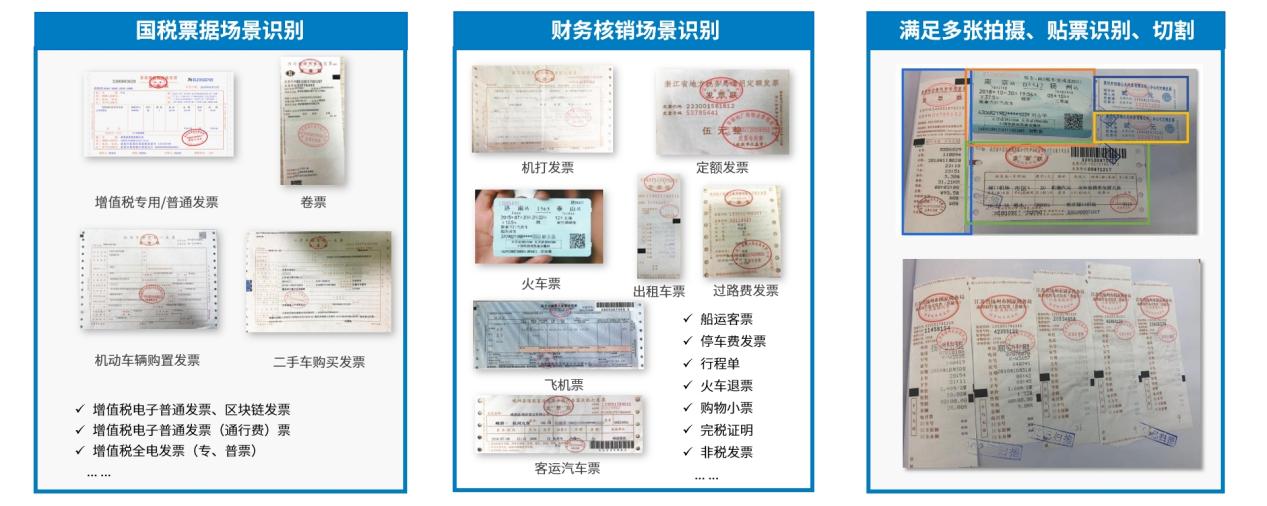
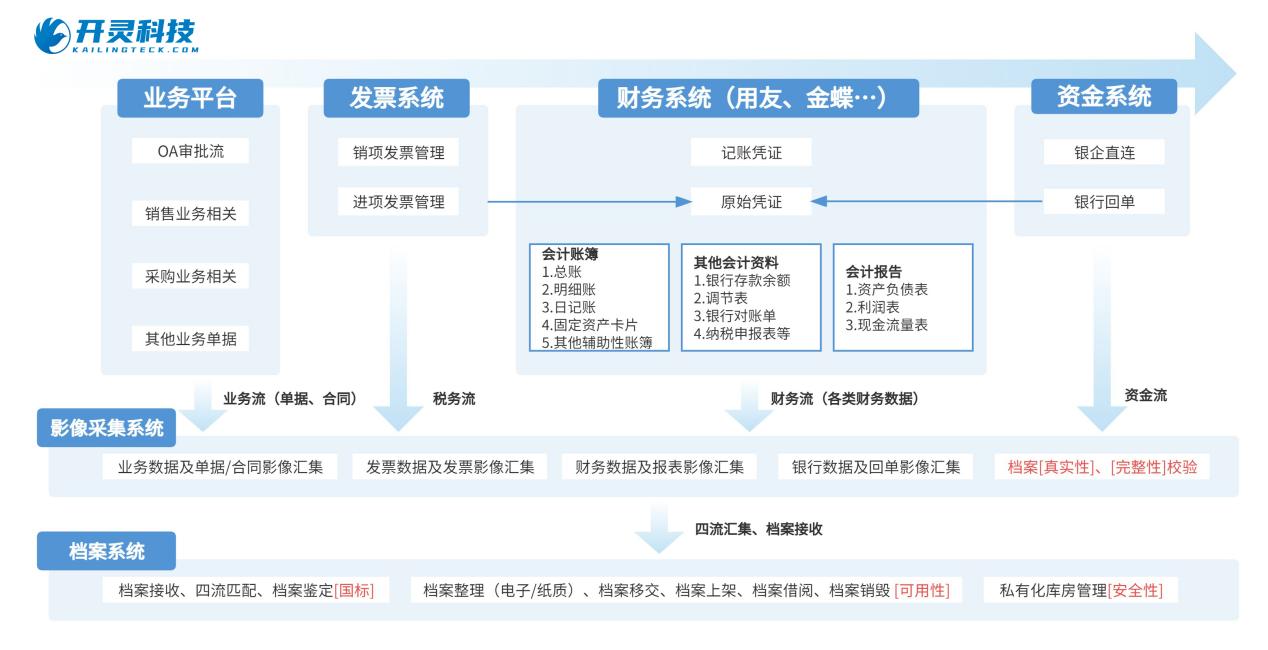
II. Pain points in traditional electronic accounting archives management urgently need to be resolvedTraditional electronic accounting archives management adopts a paper-based management model. Business such as enterprise reimbursement and booking requires the transmission, review, and archiving of paper accounting materials. Archives also face problems during storage and use, including cumbersome archiving steps, high management costs, difficult retrieval, low utilization, non-standard management, and major security risks. 1、 Complex archiving processesArchiving paper documents requires finance staff to manually match, divide into volumes, and bind them. The archiving steps are cumbersome and basically rely on manual processing, with a very low degree of automation. 2、 High management costsPaper document output has high consumable costs and occupies a large amount of space, with high long-term maintenance costs and manual management costs, consuming a large amount of manpower and material resources in the archiving and preservation process. 3、 Restricted archive accessTraditional archive management is limited by geography, with archiving locations not centralized. Cross-region archive borrowing and review require mailing, increasing the risk of archive loss and damage, and archive status cannot be obtained in a timely manner. 4、 Low archive utilization rateAccounting archives are limited by paper carriers, fail to fully serve accounting practice, and have not truly achieved the unification and sharing of accounting archive information. 5、 Non-standard management of electronic materialsUsing paper printouts of e-invoices as the sole voucher for posting and archiving is non-compliant, and the archiving management of e-invoices and other related electronic materials is not standardized, with inconsistent standards. 6、 Insufficient regulatory enforcementPaper accounting materials are easily tampered with and forged, and lack effective supervision means, making it difficult to ensure the authenticity, integrity, and security of archives. III. Construction and Application of Electronic Accounting Archives SystemKailing Technology's Electronic Accounting Archives Management SystemCan provide customers with full lifecycle management from paper archives to electronic archives, realizing full-process management of electronic archives including collection, generation, archiving, borrowing, statistics, utilization, appraisal, and destruction. Electronic accounting archive solutions to end the high cost, inconvenient access, and easy loss of traditional archive management. After digitizing data, the archive data chain is improved to facilitate financial sharing and solve issues such as centralized sharing of physical invoices and documents in financial sharing. 1、 Full lifecycle archive managementKailing TechnologyThe electronic archives system fully interprets the latest national electronic archives management and business-finance-tax policies, helping enterprises standardize the management of mixed paper-electronic archives or purely electronic archives, and enabling enterprises to achieve full lifecycle archive management of "business flow + data flow + physical flow"。 2. All-round collection, intelligent recognition The electronic archives system supports diverse archive collection methods, varying according to electronic/paper media and with/without interfaces, supporting comprehensive archive information collection across different business scenarios. · System interface capture: directly obtain data from front-end systems through interface docking with front-end systems, including vouchers, account balance sheets, financial statements, bank receipts, etc. · Image capture: integrates multiple methods such as mobile phones, high-speed document cameras, and scanners to capture and upload image materials of original paper archives. · Local electronic file capture: upload and capture electronic document file information through local file upload. Combined with OCR and other technologies, the collected archive information is intelligently recognized, including recognition of multiple invoice types, reimbursement forms, and business documents, and converted into structured information for storage.
3. Automatic classification and storage, intelligent matching of document associations According to the classification principles for electronic accounting archives in the Specifications for the Management of Electronic Accounting Archives, the collected accounting materials are classified and stored, automatically categorized by accounting material form into the following categories, while also dividing by fiscal year, retention period, organizational structure, etc. For different archive management modes such as pure electronic and electronic + physical, the electronic accounting archives system has built-in coding rules, establishes a precise matching management mode, creates bidirectional indexes between physical and electronic, and intelligently matches and associates documents, images, and vouchers. Invoices, business documents, vouchers, etc. establish indexes with each other based on unique identifiers such as invoice numbers, business order numbers, and voucher numbers, and match associations according to rules, automatically forming volumes, and automatically detecting archive completeness. Under this model, the matching of physical archives with electronic archives is achieved, and the association among vouchers, documents, and invoices is realized, bringing great convenience to subsequent archive query, borrowing, and management work. 4、 Fast Archive Search and BorrowingBased on structured data in the electronic accounting archives system, including document numbers, organizational units, archive classifications, physical status, and keywords, quickly query and retrieve the required archive information, effectively reducing the cost of information access. Archive borrowing is divided into electronic borrowing and physical borrowing, each with slightly different processes and characteristics: · Electronic borrowing: the electronic borrowing process is mainly set as application-approval-opening temporary archive borrowing permissions-automatic permission recovery upon expiration. Electronic borrowing can be lent to multiple people at the same time, is not subject to geographical restrictions, automatically recovers borrowing permissions on a regular basis, carries dynamic watermarks during electronic borrowing to prevent leakage, and supports download as well as borrowing by volume or by individual file within a volume. · Physical borrowing: the physical borrowing process is mainly set as application-approval-physical lending registration-physical return registration, recording the physical status. Physical borrowing can only be lent to one person at the same time, is subject to geographical restrictions, requires shelving and unshelving and regular inventory to prevent loss or damage, and can only be borrowed by volume, not by individual volume. The electronic archives system retains the electronic signatures of electronic documents, sets archive confidentiality levels, and configures archive background watermarks and borrowing templates, fully ensuring the security of electronic archive storage and borrowing.
IV. Application Value of Electronic Accounting ArchivesDriven by national policies and the digital economy, the development prospects and application value of electronic accounting archives are becoming increasingly prominent,AlsoIt marks an important advance in paperless accounting informatization. Electronic accounting archives realize automated archive filing and efficient retrieval and query, improve the security and completeness of archive management, reduce management costs, and improve management efficiency. At the same time, in the process of electronic accounting archive management, the data value of accounting archives can be fully tapped, expanding their application value in enterprise operation and management, creating greater value for enterprises, and helping enterprises smoothly achieveFinance and TaxDigital transformation. Some text is from the internet Beijing Kailing Technology Co., Ltd.——an enterprise business-finance-tax digitalization solution service provider. Kailing Technology provides solutions for sales management systems, procurement management systems, output invoicing systems, input invoice collection systems, imaging management systems, financial posting systems, electronic accounting archives and other businesses according to enterprise needs, professionally and efficiently helping enterprises transform and upgrade their business-finance-tax digital management. If you have any business-finance-tax digital transformation needs, welcome to contact us. Beijing Kailing Technology will serve you wholeheartedly. |