010-6097 4119Book a Demo


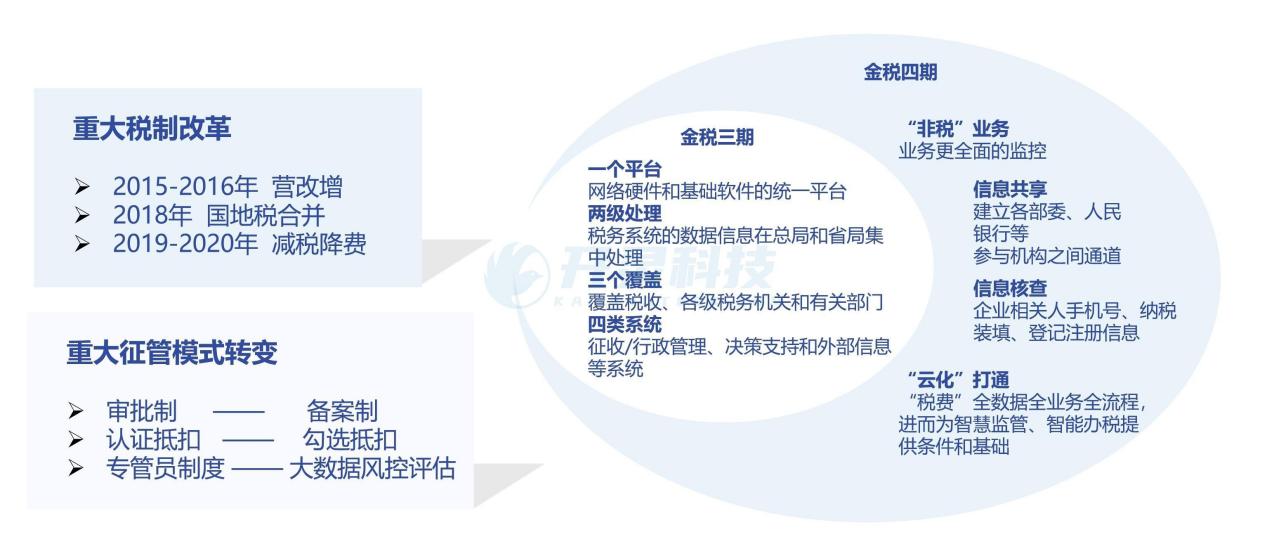
Analysis of Enterprise Tax Risk Control and Comprehensive Tax Risk Management Solutions under China Golden Tax Phase IVPublished: 2024-09-14 16:34 I. Policy Background1. Major tax system reform2015 - 2016: Business tax to VAT reform 2018: Merger of national and local tax authorities 2019 - 2020: Tax and fee reductions 2. Major shift in tax administration modelsApproval system -> filing system Verification and deduction -> selection and deduction Dedicated administrator system -> big data risk control assessment Manual management -> Information management -> Data-driven 3. The Evolution from China Golden Tax Phase III to China Golden Tax Phase IVChina Golden Tax Phase III: One Platform, Two-Level Processing, Three Coverages, Four System Types。 China Golden Tax Phase IV: more comprehensive monitoring of "non-tax" business, "cloud-based" connectivity, information verification and sharing。
4. Changes in tax audit methodsTax authorities: build an integrated application platform covering all links, all processes, and all entities of tax collection and administration, comprehensively aggregating various internal and external standardized data.
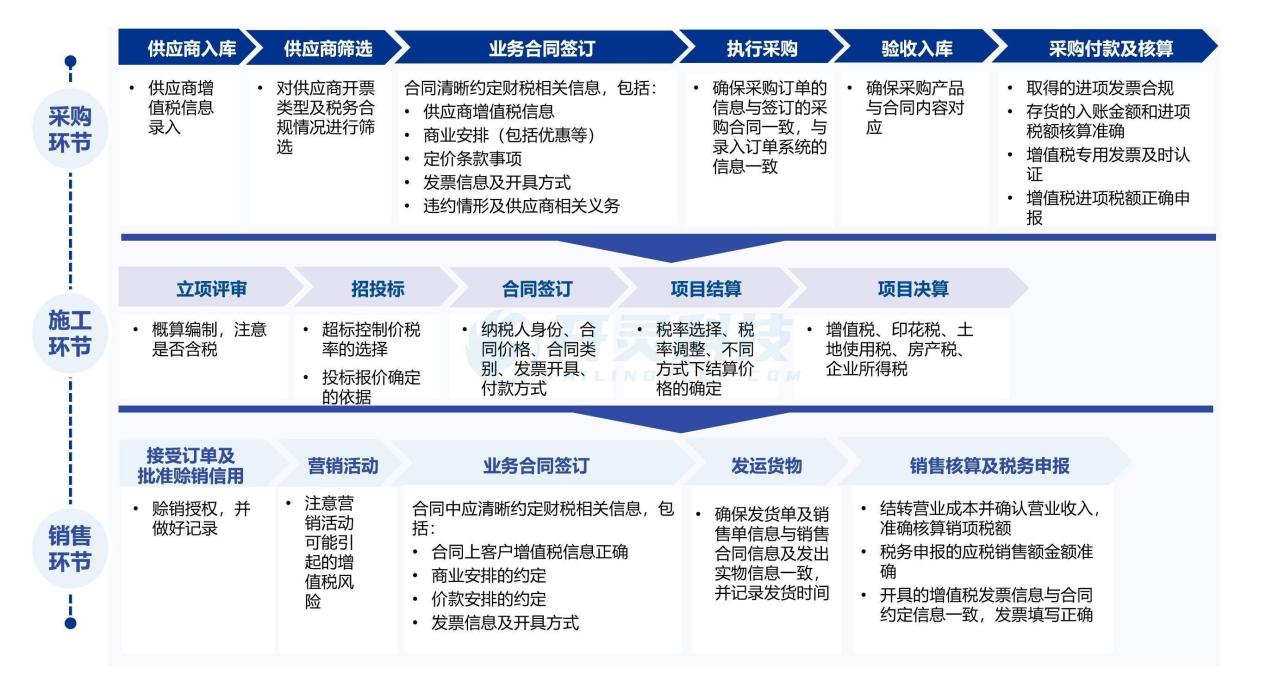
5. Changes in the Tax Collection and Administration Environment under China Golden Tax Phase IVComprehensive monitoring links: incorporate "non-tax" business to achieve more comprehensive monitoring of business. Intelligent monitoring methods: use tax big data to create "precise portraits" and "pulse checks" for enterprises. Digitalized monitoring methods: Taking the digitalized e-invoice reform as a breakthrough, standardize and digitize various businesses, so that the full volume of tax and fee data can be collected, compared, connected and aggregated. Monitoring channels opened up:Establish channels with ministries, commissions, banks, and other institutions for information sharing。 Improved monitoring efficiency: Based on new-generation information technologies such as big data, cloud computing, artificial intelligence and blockchain, flexibly combine tax and fee collection and administration information after digital upgrading, and use it to reflect the status quo, reveal problems and predict the future, so as to better prevent and resolve collection and administration risks. II. Which enterprises are easily listed as key targets of tax audits?1. Overall operations unreasonableThe enterprise has long-term losses or thin profits, but its operating scale continues to expand. Large revenue with thin margins, and a single sales target or order source. Profits are high during the tax incentive period, and profits drop sharply after the incentive period. The enterprise has strong profitability, but the declared personal income tax amount is noticeably low. 2. Specific business violates common practiceEnterprises that sell scraps and waste materials but have no other business profits. Enterprises that have not conducted inventory surplus or shortage for a long time. Enterprises that have direct long-term equity investment or other affiliated relationships but do not file related-party transaction reports. Enterprises with huge capital reserve items, current account balances, and inventory item balances. 3. Abnormal business-finance-tax indicator dataEnterprises with abnormal tax burden rate logic and changes. Tax burden rate lower than the industry. The proportion of enterprise intangible assets is relatively large and shows a growth trend. The profit margin declared in the income statement tends to converge with prepaid income tax over the long term. Where the balance of the undistributed profit item drops significantly. Incorrect relationship between financial statement and tax filing form items. 4. Abnormalities listed as random inspection targetsTax risk level is high risk. Where tax violations exist in entrusted assistance investigation matters. Those with long-term abnormal tax filing. Tax credit rating is D. Those listed by relevant departments for joint disciplinary action for illegal and dishonest conduct. III. Challenges Facing Enterprise Tax Risk Management1. Non-compliantLack of informatization means makes real-time risk monitoring difficult. Tax data is fragmented and difficult to manage uniformly. Without a unified tax management platform or database, it is difficult to query historical data. 2. Difficult to manageNo before-the-event warning, compliance risks exist. Tax filing process lacks standard specifications, operations are not transparent, complianceNatureDifficult to control. Group/company tax policy handling is not unified or standardized. Tax-related information of member companies cannot be centrally shared and cannot be synchronized. 3. Non-compliantUnable to examine internal risks and responses from a regulatory perspective. Group headquarters has few tax personnel but heavy responsibility for tax risk management. 4. Not timelySlow response to risk management; low feedback efficiency on risk indicators pushed by tax authorities. Tax planning and risk control cannot be managed in sync. Tax policies are complex, with many changes across industries, regions, and times, and tax reporting errors occur from time to time. Tax regulations cannot be applied to business processes in a timely manner. IV. The Current State and Transformation Trends of Enterprise Tax Risk Management1. Current situation and challengesData collection: Manual query, entry, and form filling of data, aggregated layer by layer, with high labor and time costs. Unable to accurately locate the required data sources, with high time costs and error rates, and no subsequent data tracking system has been established. Risk Identification: Enterprise tax personnel cannot predict the industry or timing of tax authority audits, cannot identify tax risks due to their own capabilities, have no corresponding risk response plans for tax risks, and respond passively after tax risks are pushed by tax authorities. Risk response: lacking an overall logic for risk collection, identification, response, and follow-up tracking; business, finance, and tax systems lack connection, creating information silos; a large amount of manual verification is needed to ensure data accuracy; and compliance filing, internal control, risk, and statistics functions have fragmented data. 2. Improvement AreasData collection: Provide standard data source collection interfaces, automatically connect with front-end tax-related business and financial system data, and achieve account mapping. Risk Identification: Improve the tax internal control system, form real-time monitoring and identification of business, finance, and tax compliance data, and set up comprehensive risk identification indicators and thresholds. Risk response: proactively respond to risks and predict risks. Follow-up tracking: based on horizontal and vertical indicator comparisons, track and prevent subsequent risks, and conduct statistical analysis of common risk points in tax authority inspections and common risk points in taxpayer filing and management. V. Implementation Path of Enterprise Tax Risk Management under China Golden Tax Phase IV1. Current situation review and diagnosisLearn about the company's internal structure, functions, and responsibilities. Identify the tax implications of key processes. Identify existing control measures. Review the tax risk management process and related issues. Analyze and evaluate tax risk management processes and systems. Form a tax status diagnosis report. 2. Control system planningEstablish a tax control model, optimize the governance structure and control processes, and define management objects. In response to the current state of group tax control, propose optimization suggestions and implementation paths, and form a tax risk control improvement plan. Based on the company's current informatization status, form a tax informatization business plan. 3. Tax InformatizationBased on the company's existing systems, form a tax risk management informatization plan. Phased implementation and development plan for group tax management informatization. Implement system development and deployment step by step. 4. Offline tax management toolSort out the tax management processes and tax-related risks of each tax type according to the specific tax types involved, and prepare tax risk management manuals. Prepare tax management manuals by business line according to the needs of business departments. Six, Example of Tax Risk Scenario Mapping
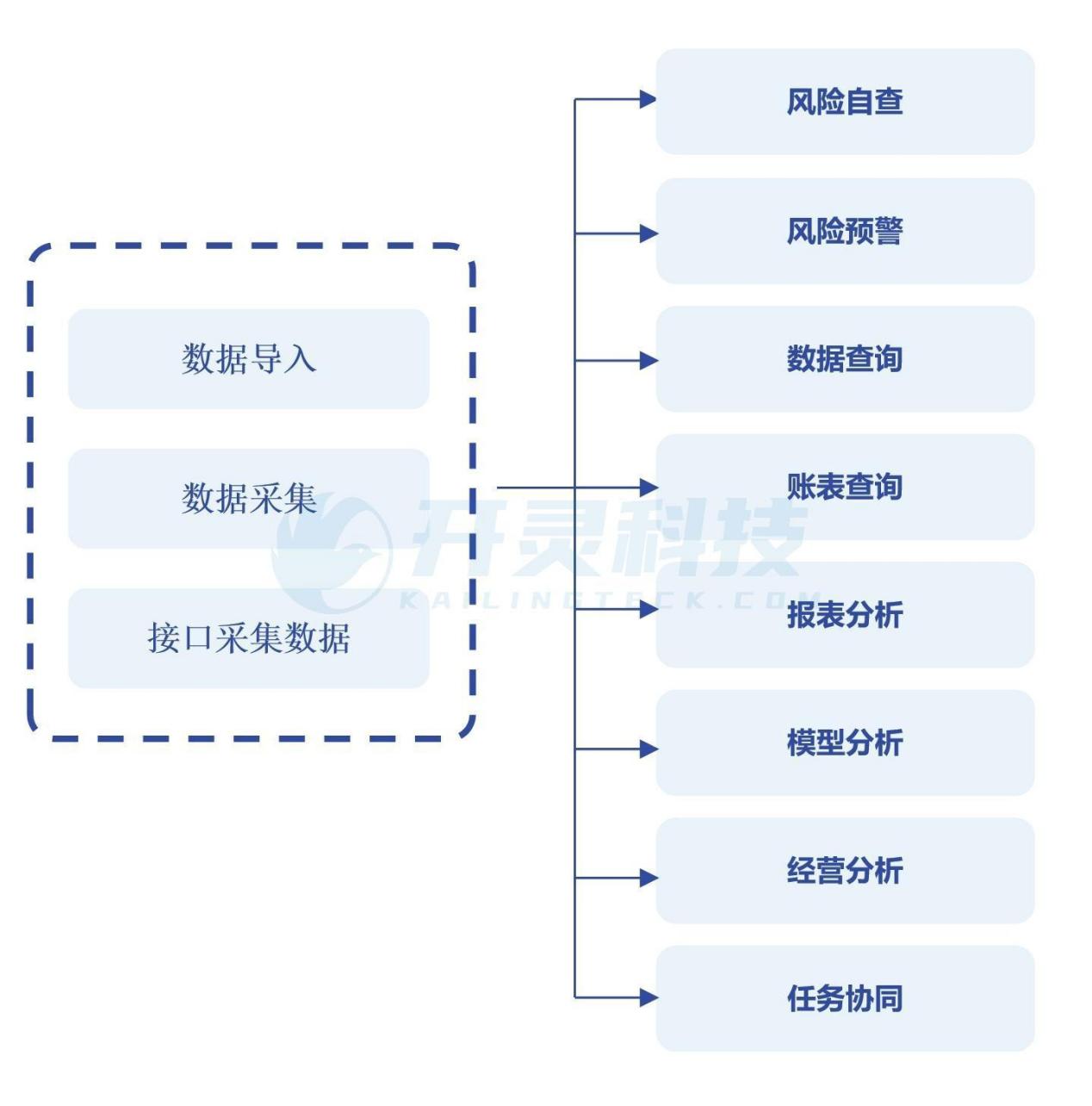
Seven, Systematic Tax Risk Management Solution1. Enterprise business-finance-tax risk detection systemUsed for tax-related risk assessment, risk response, and risk self-inspection for group enterprises, as well as tax-related risk management, task allocation, and decision analysis for subordinate subsidiaries. Based on the enterprise's financial data, filing data, and invoice data, and grounded in tax policies and regulations, it combines analytical experience and risk models with the software's tax health algorithm to assist group enterprises in multi-scenario, multi-dimensional, and all-round risk control over their own and subordinate subsidiaries' tax-related data. System operation process:Includes data collection, risk warning, risk self-inspection, data query, account and statement query, report analysis, model analysis, business analysis, task collaboration, and other stages.
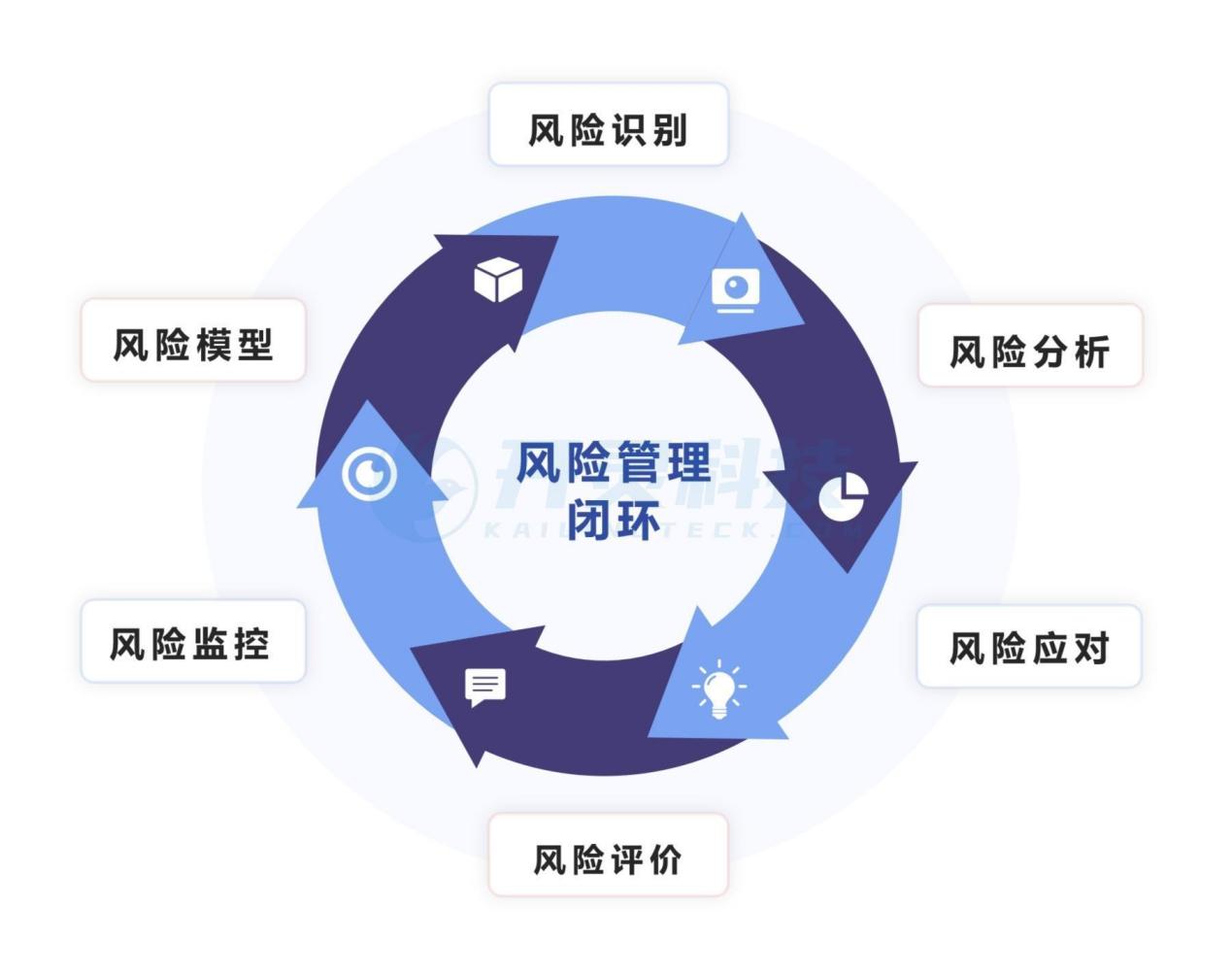
Business process:Covering processes such as risk models, risk evaluation, risk analysis, risk monitoring, risk response, and risk identification, forming a closed loop of risk management.
2. Data Fusion CenterData collection: Collect data through interfaces, automatically + report external data, including public opinion data, customs data, bank data, business registration data, public security data, etc. Data extraction capability: intelligent collection of financial data, industry data, and cloud data, covering 400+ categories, 5,000+ interfaces, and 600+ versions. Data factory: Extract, govern, and analyze data from enterprise operations and project management systems, enterprise financial management systems, financial systems, tax systems, etc., to achieve data sharing. 3. Task collaborationConvenient collaboration: detected risks automatically create tasks, tasks automatically carry the problematic documents, support referencing business-finance-tax documents, reports and attachments, and allow multi-person voice calls to be initiated at any time for task issues. Process visualization: transparent workflows, intuitively visualizing each person's work tasks and task distribution, exposing problems and driving improvement and optimization, maximizing value output. Measure and manage flow: globally manage the processing status of each work item across enterprises, whether work is completed by the target time, and use data analysis to identify problems. 4. Positioning of tax-related risk controlReview risks: including tax filing risk review, financial report risk review, and invoice risk review. Guided response: provide abnormal risk details, display of involved data, penetrating analysis and positioning, as well as risk detail descriptions, abnormal warning dissection, intelligent matching guidance, and analysis, judgment, and response. Positioning data: conduct account fluctuation analysis, intelligent voucher assessment, tax-related indicator analysis, and sensitive business analysis. Comprehensive self-inspection: Achieve full-chain tax risk monitoring, monitor various tax-related risks across all business scenarios, and generate a health check report with one click. 5. One-click intelligent detectionData collection: Obtain account balance data, invoice data, fixed asset data, report data, detailed ledger data, etc. from data sources such as financial systems, invoice platforms, and tax bureau filings. Data processing: classify data and unify standards, and through process judgment and data push, transmit data to business systems for processing. Risk detection: combine operating capacity, profitability, development capacity, and cash flow capacity to sort out indicator categories, integrating financial indicators, tax indicators, business indicators, enterprise operating indicators, etc., to monitor enterprise-wide tax risks across the full chain and generate a health check report with one click. 6. Tax Compliance Detection EngineIndicator sorting: combining the tax authority's risk indicator design and risk survey results, summarizing usable risk compliance indicators. Indicator selection: through enterprise business, confirm compliance detection indicators that fit the enterprise's actual business scenarios. Model construction: retrieve sample companies' business data, financial data and tax return data, and use the model to verify the feasibility of the risk screening model. Model optimization: based on comparison with risks identified through enterprise analysis and combined with research results, adjust indicator weights to optimize the risk screening model so that its risk investigation results are more accurate. Indicator expansion: supplementing the indicator library with new indicators. 7. One-click report generationRisk detection: according to preset indicators and data retrieval logic, automatically retrieve data from relevant systems, automatically calculate indicator results, and compare and analyze indicators to identify tax-related risks. Report content: includes basic enterprise information, operating indicators, enterprise risk overview, revenue-related risks, cost and expense-related risks, etc., with detailed descriptions of risk details and risk guidance provided. 8. Guided responseRisk introduction: introduce internal and external risks and provide intelligent guided response. Intelligent matching: Based on risk detection results, intelligently match response plans. Response execution: Conduct risk response according to the response plan. Response report: Record the response process and results, forming a response report. Retrieval and query: convenient for users to retrieve and query risk response related information. 9. Risk Self-inspectionTax type inspection: lists a large number of common tax-related issues by tax type, and automatically displays the relevant models required for inspection based on these issues. Intelligent self-inspection: covers comparison analysis, model analysis, project analysis, and industry analysis. Free account viewing: general ledger - subsidiary ledger - vouchers - fixed assets - inventory, with various analysis tools. Self-inspection report: manual analysis + intelligent analysis results are summarized to form a self-inspection report. Derived Tools: Provides various commonly used and efficient analysis tools such as sorting, red-letter detection, and voucher filtering. Anomaly handling: Tax-related issues in the operation process are recorded at any time, forming self-check documents that are traceable, auditable, and printable. 10. Leadership cockpit (business performance analysis)Revenue statistics, cost and expenses, profit statistics,Assets and Liabilities: Display the enterprise's revenue, costs, profits, assets and liabilities, and other conditions. Input - Sales, regional statistics, invoice type statistics, trend statistics: analyze statistics and trend changes of input, sales, regions, invoice types, etc. VAT - income tax, tax amount statistics, tax burden statistics, trend changes: display tax amount statistics, tax burden statistics, and trend changes for VAT and income tax. Risk statistics, internal risks, trend statistics: statistics on risk situations, including trend statistics of internal risks. Financial analysis, invoice analysis, filing analysis, business analysis, risk introduction: conduct comprehensive visual analysis across the five dimensions of finance, invoices, filing, operations, and risk, providing users with strategic support such as statistical analysis and decision-making planning. Enterprises should strengthen tax risk management and establish a complete tax risk control system to respond to changes in the tax collection and management environment under China Golden Tax Phase IV. ThroughKailing Tax Risk Control Monitoring System Solution, enterprises can promptly identify and resolve potential tax risks, improve financial management, reduce tax costs, and enhance market competitiveness. If your enterprise wants to learn more about relevant information and tax solutions, you are welcome to contactKailing TechnologyContact. Kailing Technology provides enterprise business-finance-tax digital product lines according to enterprise needs: Solutions for businesses including sales contract management system, procurement contract management system, fully digitalized Leqi interface project, output automatic invoicing system, employee expense control and reimbursement system, input VAT invoice management system, supply chain collaborative reconciliation system, image OCR recognition system, automatic financial bookkeeping system, and electronic accounting archives system, professionally and efficiently supporting the transformation and upgrading of enterprise business-finance-tax digital management. If you have any business-finance-tax digital transformation needs, welcome to contact us. Beijing Kailing Technology will serve you wholeheartedly.
|