010-6097 4119Book a Demo


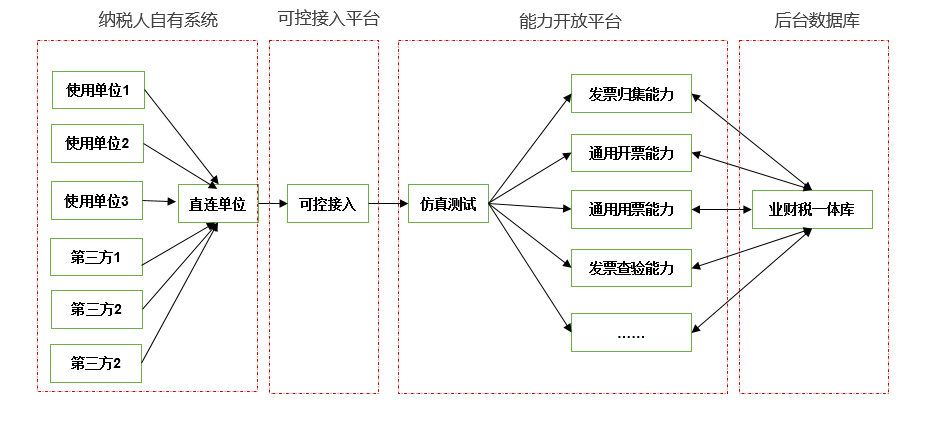
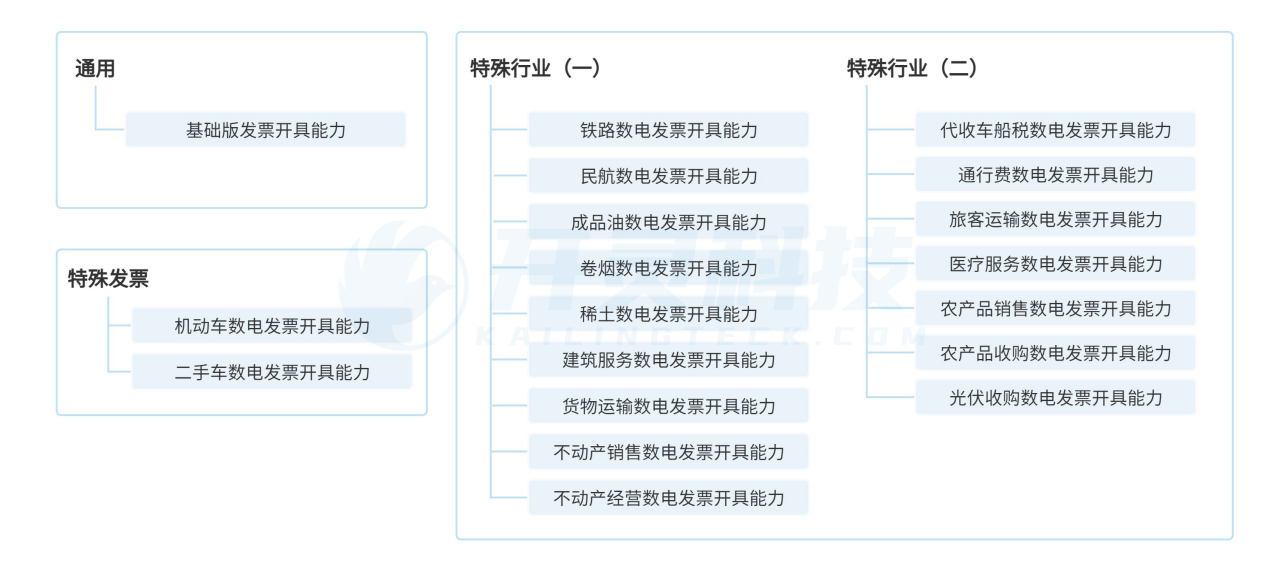
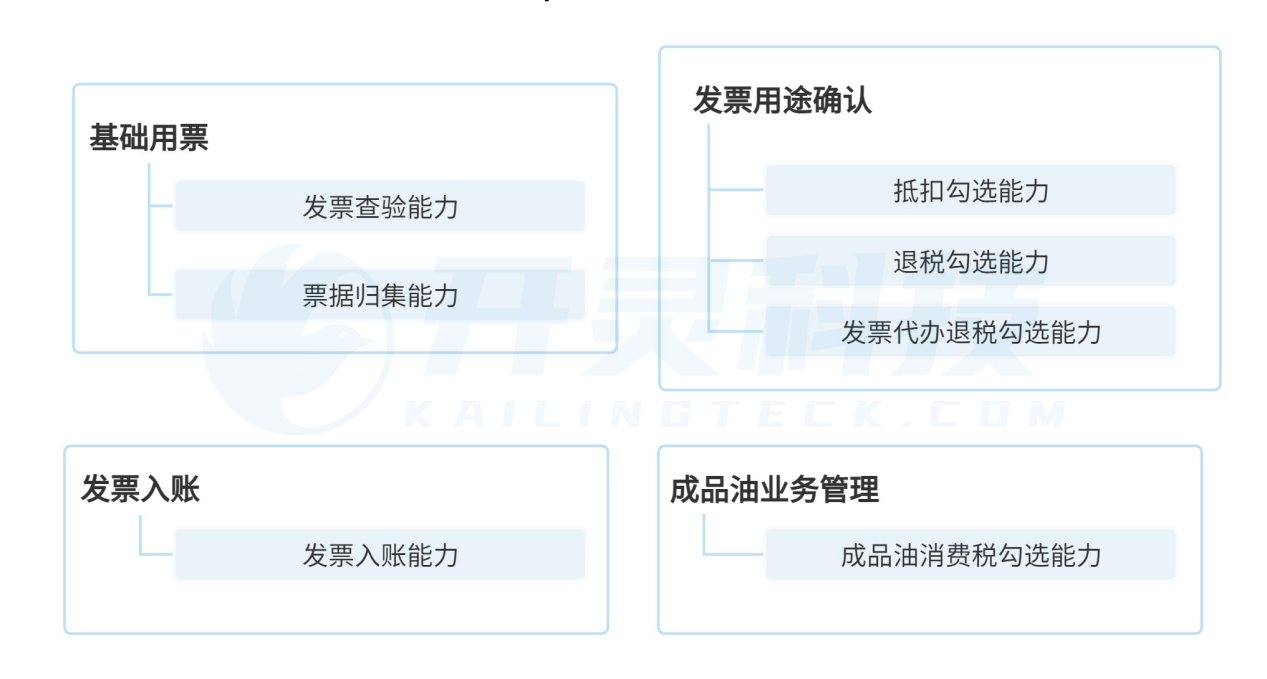
Development and characteristics of the Leqi PlatformPublished: 2024-03-12 11:10 01 Leqi Terminology Explanation Leqi (Natural System) is a platform through which the tax system provides rules-open, standards-unified tax-related services such as fully digitalized e-invoices. The enterprise's own information system can embed the corresponding rules, promoting the compliance of enterprise transaction behavior and improving the degree of cooperation between the tax authority and enterprises and taxpayer compliance. 02 Leqi Construction Background International On December 8, 2020, at the 13th OECD Forum on Tax Administration, "Tax Administration 3.0: The Digital Transformation of Tax Administration" was released, proposing the core elements of future tax administration: -Embedded within taxpayer natural systems -Part of a resilient "system of systems" -Real-time tax certainty provider -Transparent and trustworthy -An integrated part of whole of government -A human touch and high tech adaptive organization Domestic Core content and key milestones of the "Opinions on Further Deepening the Reform of Tax Administration" issued by the General Office of the CPC Central Committee and the General Office of the State Council in 2021: -Centered on serving taxpayers and fee payers, with e-invoice reform as the breakthrough and tax big data as the driving force; -Precise law enforcement, fine service, precise supervision, and sincere co-governance; -Comprehensively advance the digital upgrading and intelligent transformation of tax collection and administration; -One household style, one person style, one member style, one bureau style; -Technological change drives business change, business change drives organizational change; -In 2021, build a nationwide unified electronic invoice service platform; enterprises handle matters online, individuals handle matters on mobile; -In 2022, invoice electronicization in the railway and civil aviation fields; a nationwide unified and standardized electronic tax bureau; -In 2023, automatic tax calculation, automatic pre-filling, and confirmatory tax declaration and payment; realizing the transformation from "managing tax by invoices" to "governing tax by data" with classified and precise regulation; -In 2025, invoices will be electronic across all fields, all links, and all elements; nationwide handling will be basically achieved。 China's invoice management models and main stages The era of paper anti-counterfeiting invoices:Introduce RMB anti-counterfeiting technology, tax supervision, special paper, pre-printed invoice code and number, manual collection; one-time handwritten information for each copy of the invoice. Early stage of invoice digitalization:Golden Tax Project Phase I and Phase II, VAT anti-counterfeiting tax control system; tax control devices; input-output tax reporting; paper input VAT invoice scanning and verification; data collection and cross-checking of invoice copies and deduction copies; manual entry of invoice information, machine-printed invoice copies. Mid-stage of invoice digitalization:Golden Tax Project Phase III, Invoice Management System 2.0; seller personnel face-scan login; manual entry of invoice information, machine-printed or issued electronic invoices (electronic special, electronic ordinary); spontaneously formed by the market: centralized hosting of tax disks or Ukeys, API interface embedding, external plug-ins bypassing tax invoicing software, automatic invoice filling, automatic issuance; few vendors can provide hosting and interface transformation, and API transformation access costs are high. Invoice digitalization reform:E-invoice Service Platform (e-invoice platform) + Leqi Digital Open Platform (Leqi platform); removing media (paperless, no tax control device), removing format; the e-invoice platform replaces Invoice Management 2.0; the Leqi platform replaces the embedded model spontaneously formed by the market. Two channels for issuing and using fully digitalized e-invoices E-invoice platform:Real-person authentication, face-scan login, Browser/Server architecture with no client, no interface/anti-cheating, real-time online invoice issuance, manual entry of invoice information, issuance sheet by sheet, real-time generation of invoice numbers, real-time credit limit deduction sheet by sheet, system-locked invoice date, automatic cross-month locking of monthly output data, manual item-by-item selection on input deduction/refund/booking pages, XML\PDF\OFD invoice files generated by the e-invoice platform, taxpayers can download and deliver or send the download address to the invoice recipient. Business scenario characteristics: taxpayers with few branches, low invoice volume, and a low degree of internetization and automation in business Leqi Platform:No client, no real-person authentication, no face-scan login; package "interfaces + rules" into capabilities, realizing a shift from the past low-level openness of "interfaces + technology" to high-level openness of "business + capabilities"; open business rules through capability description documents and open data through interfaces; interfaces are embedded in enterprise systems; batch code assignment for invoice numbers; invoices automatically issued offline along with business; batch upload of invoice data; batch download of credit limits for offline use or full credit granting; offline batch selection and batch upload for input deduction/tax refund/accounting; PDF\OFD invoice files are generated and delivered by enterprises themselves. Business scenario characteristics: taxpayers with many branches, high invoice volume, and a high degree of internetization and automation in business 03 Leqi Application Scenarios Main features of "invoice business" on the Leqi Platform Open Philosophy:Leqi opens business rules and data to enterprises through the capability openness platform, opening invoice business rules to eligible taxpayers in the form of capability description documents, and processing business based on the rules and data that taxpayers can obtain by invoking capabilities, thereby achieving information symmetry between the tax authority and taxpayers in terms of rules and data. Implementation method:Leqi is a channel through which tax authorities compliantly open rules and data to qualified taxpayers; taxpayers voluntarily choose to embed the open rules into their own business systems and complete invoicing and invoice usage within their own business systems and are responsible for the results; tax authorities only provide functions such as upload, clearing, and download to help issuers and recipients complete invoice delivery and help invoice users upload invoice usage data. Leqi Innovation Capabilities White-box rules:Change the previous management model of "taxpayers input data, tax authorities output results": guided by the idea of "turning the black box into no box," business and technical rules are fully disclosed to taxpayers. Taxpayers can transform their own business systems at low cost based on the open rule documents. Business digitalization:Change the previous tax administration model in which "tax authorities issue policies and taxpayers read and apply them": with "digitization of business rules" at the core, "business rules expressed in natural language" are converted into "business rules expressed in digital language," gradually narrowing the room for policy interpretation and eliminating the uncertainty of tax compliance outcomes caused by inconsistent business execution standards. Automatic upon accessization:1. The controllable access platform upgrades the previous paper document filing, manual acceptance review and manual joint debugging testing into a new access model of multi-channel filing, intelligent testing and fully online circulation. Functions such as direct connection unit access application, direct connection unit application review, access application progress inquiry, and unbinding of user units have been launched. 2. The capability open platform provides business support for taxpayers' on-demand subscription and tax authorities' refined management. Through control of the scope of application and invocation frequency of digital business rules, it plays a dynamic risk control role of authorization and blocking management, and functions such as interface service management and capability release management have been launched.
Open and Scaled:Introduce the "mainstream internet data open architecture" to achieve controllable access and capability subscription 24/7 fully online, providing the Leqi capability open implementation principles—rules + interfaces, as well as invoicing capabilities and invoice usage capabilities.
04 Leqi Connection Transformation Leqi Connection Process Leqi's overall access process includes 5 stages: access application, capability subscription, access development, sandbox testing, and official launch. After an enterprise applies for access to the Leqi platform, it must authorize its subsidiaries to access the Leqi platform. Subsidiaries submit applications to their competent tax authorities based on authorized qualifications and access the Leqi platform.
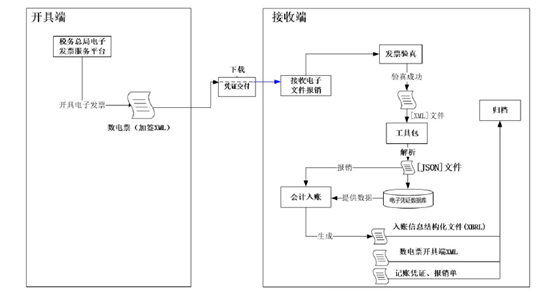
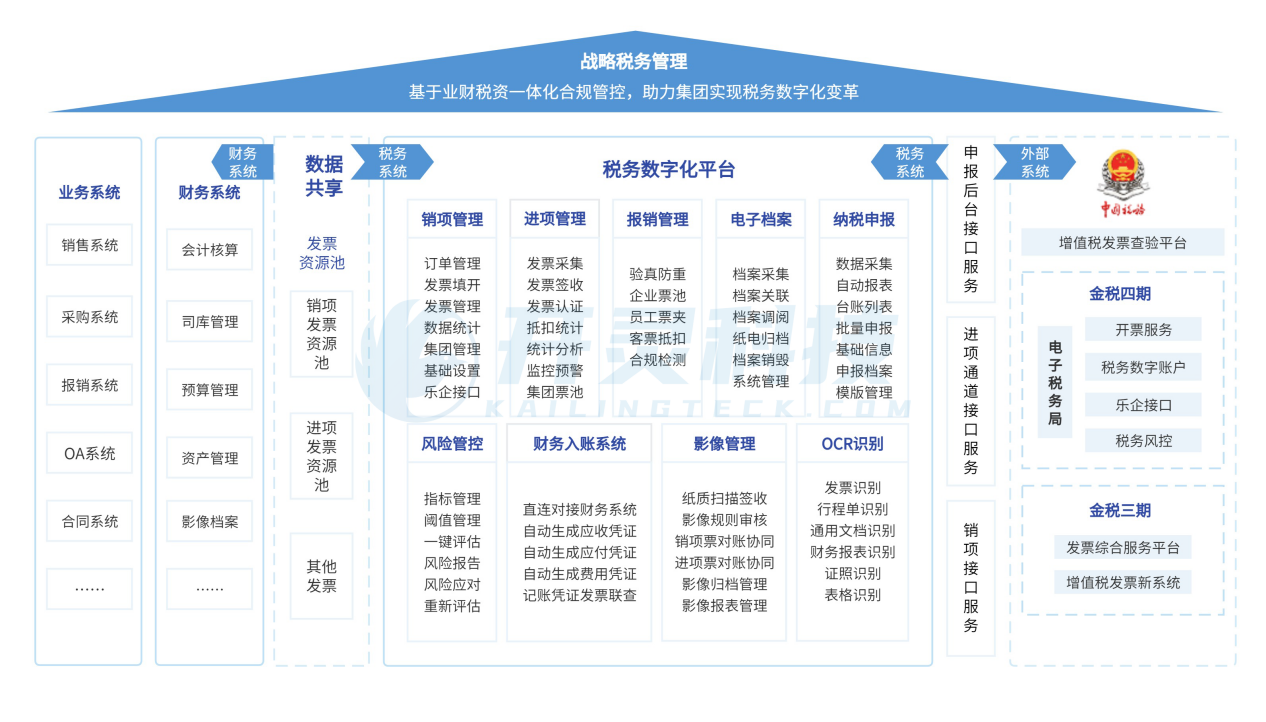
Leqi Invoice Management Invoice business construction process: in accordance with the Accounting Data Standards for Electronic Vouchers
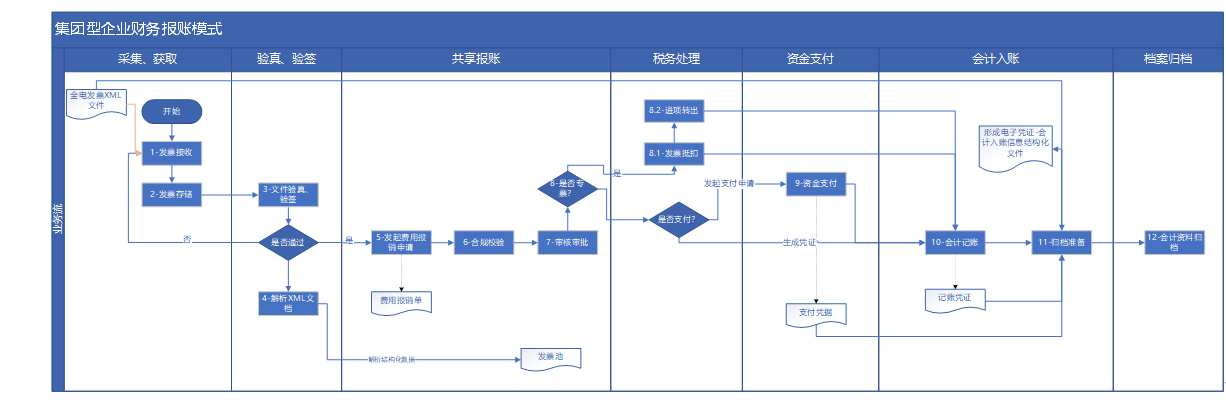
Financial reimbursement model for group enterprises: Based on the "Electronic Voucher Accounting Data Standard"
Kailing TechnologySolve enterprise pain points: -Complex business processing under the coexistence of paper and electronic invoices -Business processes change according to new regulations -Higher compliance requirements for tax management -Enterprise digital transformation management challenges
Some content and images are from the internet Beijing Kailing Technology Co., Ltd.——an enterprise business-finance-tax digitalization solution service provider. Kailing Technology provides solutions for sales management systems, procurement management systems, output invoicing systems, input invoice collection systems, imaging management systems, financial posting systems, electronic accounting archives, fully digitalized e-invoice and Leqi interfaces and other businesses according to enterprise needs, professionally and efficiently helping enterprises transform and upgrade their business-finance-tax digital management. If you have any business-finance-tax digital transformation needs, welcome to contact us. Beijing Kailing Technology will serve you wholeheartedly.
|