
Can't prevent duplicate reimbursement and malicious red-ink reversal? The Kailing Technology expense control reimbursement system automatically intercepts and holds the bottom line of paperless risk control

Can't prevent duplicate reimbursement and malicious red-ink reversal? The Kailing Technology expense control reimbursement system automatically intercepts and holds the bottom line of paperless risk control
When many enterprises adopt paperless reimbursement, the first question they ask is "can it be faster?" Speed is certainly important, but finance leaders know better: once risk control is missed on the reimbursement line, speed becomes a leak. One invoice is uploaded by two people and reimbursed twice, one meal expense is split into entertainment and travel and reimbursed twice, an invoice already booked into accounts is quietly red-flushed on the seller's side, and settlements are made year-round with only one or two suppliers of unknown origin — these actions are often inconspicuous, and by the time finance discovers them during month-end reconciliation, the money has long been paid out.
So paperless should not only pursue "speed"; it must first hold the bottom line. Kailing Technology's expense control and reimbursement system embeds risk control into every step of "invoice capture—reimbursement—booking—archiving": as soon as an invoice enters the system, it is verified and checked for duplicates; once reimbursement is initiated, the invoice's tax booking status is locked; multi-dimensional rules are automatically validated; and abnormal invoices and abnormal suppliers are continuously monitored. Below, following the four types of pitfalls a reimbursement form can encounter, we explain clearly how interception happens.

▍The same invoice reimbursed twice: the human eye simply cannot catch it
Duplicate reimbursement is the most common and most easily underestimated loophole. The same invoice may be reimbursed again by the same person in a later month, or pasted into separate forms by different people; a single hospitality meal may also be split into "business entertainment" and "travel meal allowance" and reimbursed twice. In the paper era, finance relied on flipping through forms and comparing numbers to prevent this. With hundreds or thousands of invoices a month, the human eye cannot keep up, and missing one or two is the norm.
Kailing Technology's expense control and reimbursement system's approach is to move duplicate checking forward to the moment of "invoice entry." As soon as an invoice enters the personal invoice folder, the system performs uniqueness verification based on invoice code and number: if the same invoice is to be collected again, it directly prompts and disallows addition; if an invoice has already been reimbursed or recorded, the ledger status will intercept it in real time when someone tries to select it for a new form. In other words, duplicate invoices are stopped at the "pool entry" stage, never reaching the approval stage, let alone payment.
▍Invoices red-letter reversed after being reported and booked are the most hidden type of false accounting
Red-flush reversal itself is a normal red-letter invoice mechanism, but when used for reimbursement it can become problematic: an invoice is normally reimbursed and recorded, deducted before tax, and later the seller red-flushes and voids it, while the enterprise still carries this already-deducted cost on its books—inflated input VAT and inflated costs. Once investigated, it is a problem, and it is extremely difficult to prove innocence. Such operations occur at the invoicing end outside the enterprise, and traditional reimbursement systems cannot detect them at all.
Kailing's countermeasure is to add a "status lock" to invoices. In Kailing Technology's expense control reimbursement system, once a reimbursement form is initiated, the associated invoice is automatically locked in its tax accounting status—already accounted for and used for pre-tax deduction, already accounted for but not deducted, or accounting revoked—and the status is clearly recorded on the invoice. Once the invoice's accounting status is locked and traceable, if the seller side performs a red-letter reversal, any discrepancy between the books and reality can be verified with evidence, and the path of malicious red-letter reversal for fake accounting is blocked.
"The real threshold of paperless is not "scanning fast," but "locking securely"—once an invoice enters the reimbursement process, its posting status should be pinned down and traceable, exposing every red reversal in plain sight. |
▍Whether an invoice is real or fake and whether it can be deducted must be viewed across multiple dimensions
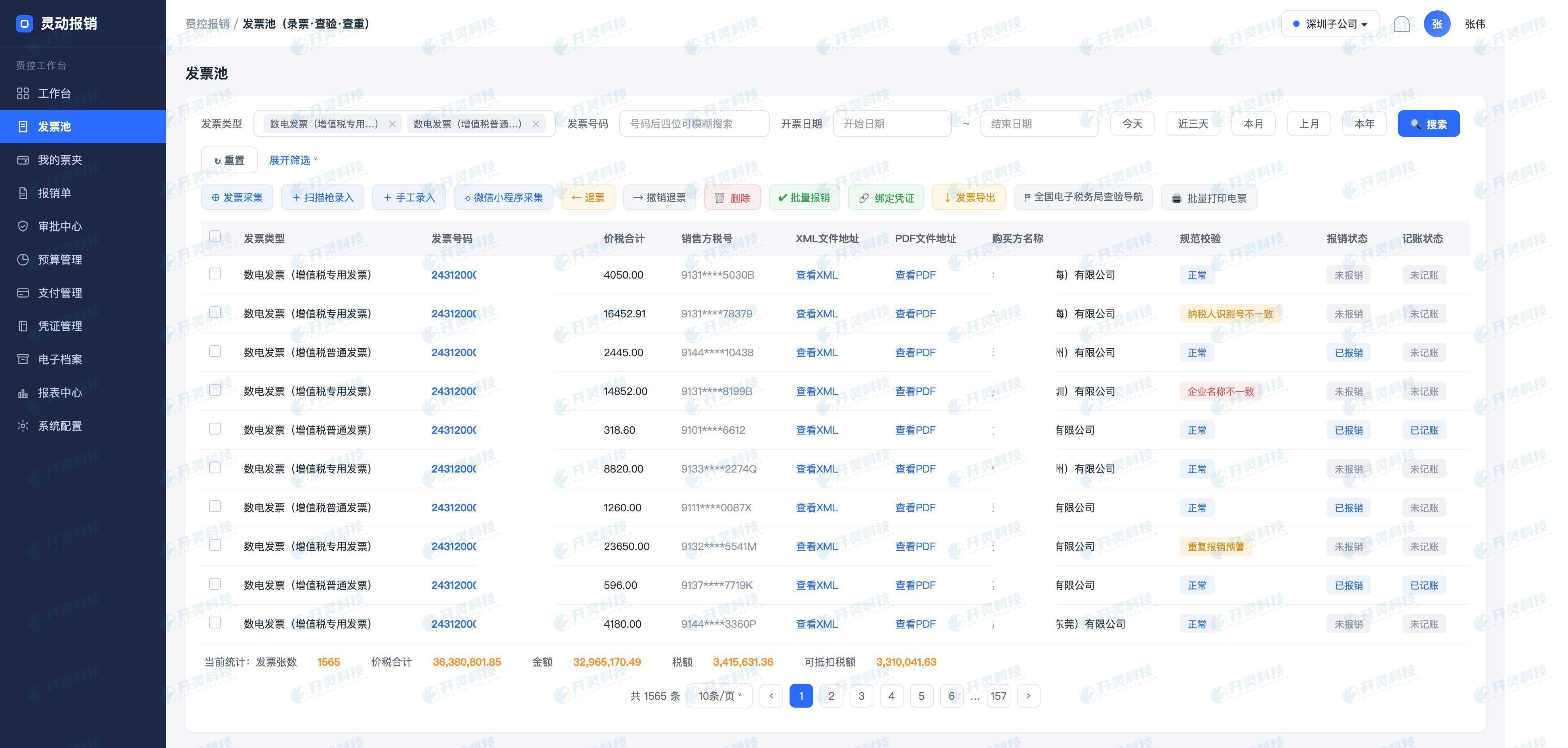
Checking for duplicates alone is not enough. Do the invoice title, tax number, address and phone, and bank account match? Does the paper invoice number match the one at the Electronic Tax Bureau? Has the electronic invoice seal been tampered with? Are the seller and goods on the blacklist? Looking at any one item alone is insufficient; they must be cross-judged together.
Kailing Technology's expense control and reimbursement system turns these into a multi-dimensional risk verification set: checking whether the header, tax number, address and phone, and bank account are consistent, comparing paper invoice numbers with the electronic tax bureau, electronic invoice signature anti-tampering verification, and blacklist commodity and seller screening. Verification results are marked directly on the invoice, such as "taxpayer identification number inconsistent," "enterprise name inconsistent," or "normal," at a glance; fixed-amount invoices also support consecutive number identification and embedded local verification. If an invoice has any doubt, approvers don't need to guess—the system has already made it clear.
▍Anomalous invoices and anomalous suppliers need someone watching at all times
Some risks are not problems with a single invoice, but problems in trends: a certain supplier's invoices frequently show abnormalities, or settlements are long concentrated in one or two entities with unclear origins—such signals cannot be seen by looking invoice by invoice; they require continuous monitoring from an overall perspective.
Kailing has set up two lines in the system: abnormal invoice monitoring and abnormal supplier monitoring. It aggregates anomalies scattered across individual documents and tracks them continuously, so finance and risk control can see early signs in advance rather than going back through the books after something happens. Four gates—invoice entry duplicate checking, reimbursement locking, multi-dimensional verification, and anomaly monitoring—together form the complete logic by which the Kailing Technology expense control and reimbursement system holds the bottom line of paperless risk control: not relying on after-the-fact remediation, but making every step block problems.

▍Speed only matters if you hold the bottom line
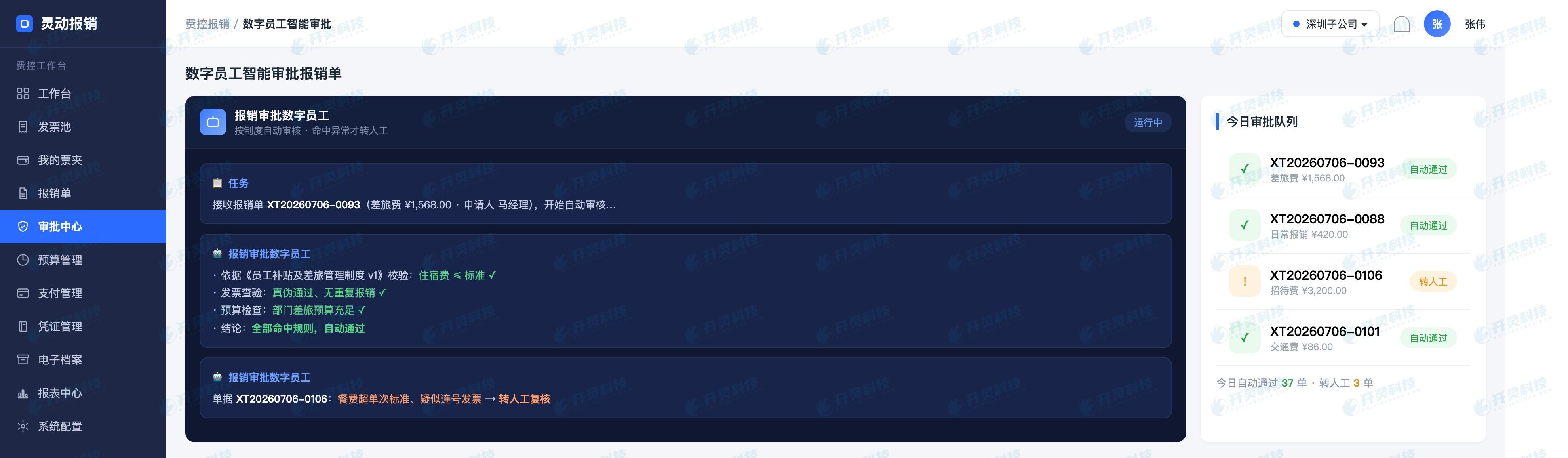
Link these four gates together: duplicate invoices cannot enter the pool, invoices already reported and booked have their status locked, suspicious invoices are flagged red on the spot, and abnormal suppliers are continuously monitored. Risk control is no longer a one-time check during month-end reconciliation but an automatic action embedded in the entire reimbursement process—employees scan codes and reimburse as usual, approvals are clicked on phones as usual, and the bottom line is silently guarded behind the scenes. The value of paperless operations has never been as simple as moving paper into computers; its true significance is managing risk while accelerating speed. This is also what Kailing Technology's expense control reimbursement system aims to help enterprises achieve: fast and stable.
▍FAQ
Q: At which step does duplicate reimbursement interception take effect?
A: It is moved forward to the invoice entry stage. When invoices are collected into the personal invoice folder, uniqueness is checked by invoice code and number, and duplicate invoices are not allowed to be added again; invoices already reimbursed or posted are blocked in real time by the ledger status if someone tries to select them into a new reimbursement form, so they never reach approval and payment.
Q: What exactly is locked when an invoice locks its tax posting status?
A: Once a reimbursement form is initiated, the associated invoice is automatically marked and its tax bookkeeping status is locked—booked for pre-tax deduction, booked but not deductible, or bookkeeping revoked. The status is recorded on the invoice with a trail. If the seller later reverses the invoice, the discrepancy between the books and reality is traceable and self-provable, preventing fake accounting through reversal.
Q: What kind of results will multi-dimensional risk verification produce?
A: The system checks whether the title, tax number, address and phone, and bank account are consistent, compares paper invoice numbers with the electronic tax bureau, verifies electronic invoice signatures, screens blacklisted goods and sellers, and directly labels the results as "Normal," "Taxpayer identification number inconsistent," "Enterprise name inconsistent," etc., so approvers can identify them at a glance. Fixed-amount invoices also support consecutive number recognition and embedded local verification.
Q: How are abnormal invoices and abnormal suppliers monitored?
A: The system has two lines: abnormal invoice monitoring and abnormal supplier monitoring. It aggregates and continuously tracks abnormal signals scattered across various documents, helping finance and risk control discover warning signs globally in advance, rather than passively remediating only when month-end reconciliation occurs.
Want paperless reimbursement to run fast while also holding the bottom line of risk control? Welcome to learn about the Kailing Technology expense control and reimbursement system: www.kailingteck.com .
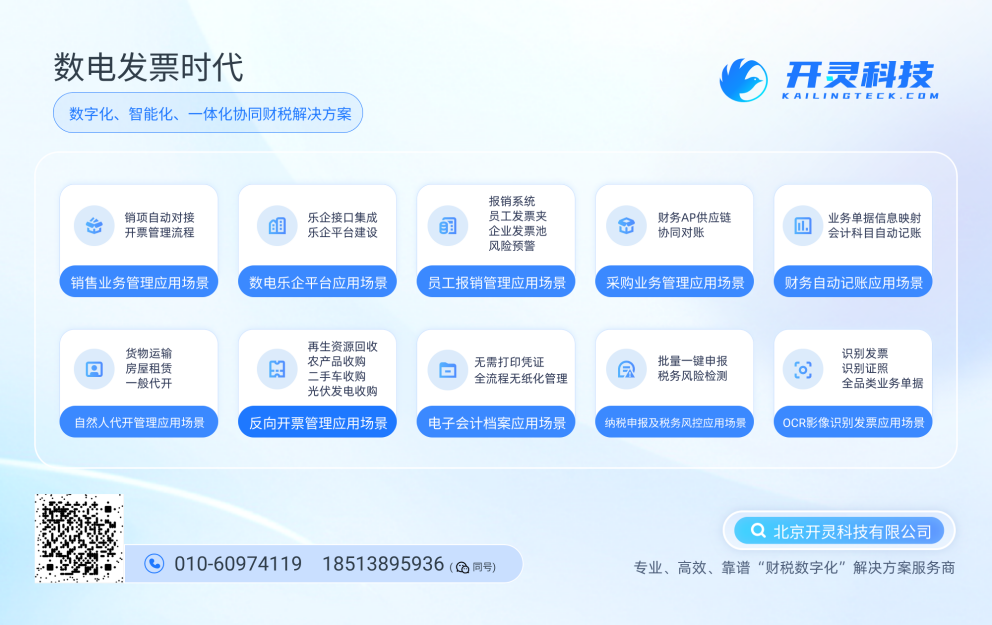
As a comprehensive business-finance-tax digitalization solution service provider, Kailing Technology provides business-finance-tax management digital transformation products and operational services for various government agencies, institutions, and large, medium, and small enterprises. The product line includes:
Solutions for businesses including sales contract management system, procurement contract management system, fully digitalized Leqi interface project, output automatic invoicing system, reverse invoicing system, invoice issuance for individuals system, employee expense control and reimbursement system, input VAT invoice management system, supply chain collaborative reconciliation system, image OCR recognition system, automatic financial bookkeeping system, and electronic accounting archives system, comprehensively driving the digitalization process across various fields.
If you have any business-finance-tax digital transformation needs, welcome to contact us. Beijing Kailing Technology will serve you wholeheartedly.
Keywords: Kailing Technology expense control and reimbursement system, duplicate reimbursement interception, invoice locking, malicious red-ink reversal, paperless reimbursement risk control, abnormal invoice monitoring, multi-dimensional risk verification
As a comprehensive business-finance-tax digitalization solution service provider, Kailing Technology provides business-finance-tax management digital transformation products and operational services for various government agencies, institutions, and large, medium, and small enterprises. The product line includes: solutions for sales contract management system, procurement contract management system, fully digitalized Leqi interface project, automatic output invoicing system, reverse invoicing system, invoice issuance for individuals system, employee expense control and reimbursement system, input VAT invoice management system, supply chain collaborative reconciliation system, image AI OCR recognition system, automatic financial bookkeeping system, electronic accounting archives system, etc., comprehensively driving the digitalization process across various fields.
Consultation Hotline: 18513895936 / 010-60974119 Location: Beijing