
For shrimp purchases, from pond-side weighing to cold-chain plant arrival, how do you verify each household's purchase invoice? The Kailing Technology agricultural product purchase reverse invoicing system aggregates five-flow evidence by order
Shrimp must be weighed and loaded quickly at pond-side delivery, then temperature-checked, quality-checked, and quantity-rechecked at the plant. If the purchase order records only the transport trip, the farmer's original weight and the final invoice amount may lose their connection. The Kailing Technology agricultural product purchase reverse invoicing system aggregates pond-side weighing, cold-chain transportation, plant acceptance, and invoice payment by household and by batch.
▍Establish purchase batches by farmer at the pond first
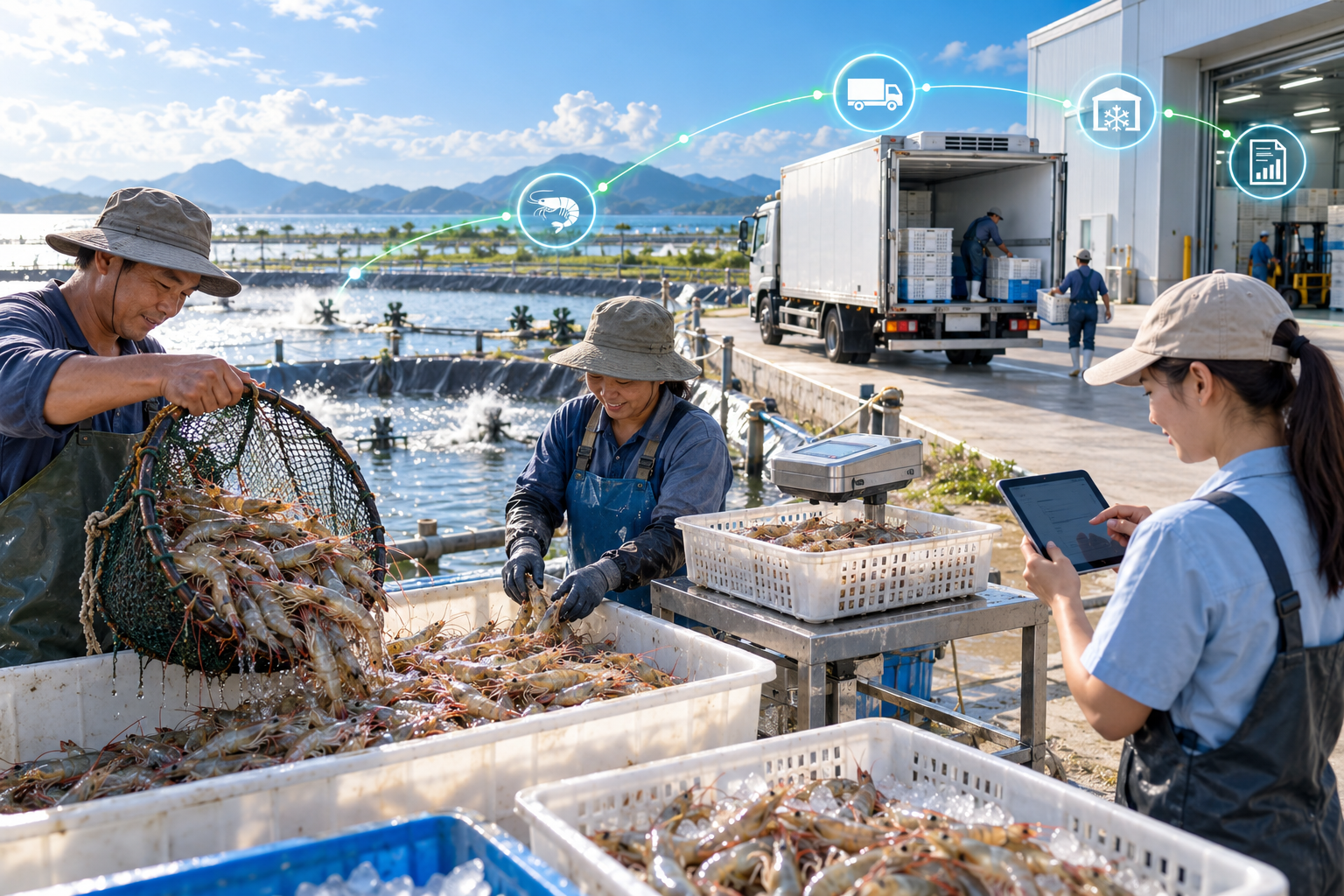
Multiple farmers may deliver shrimp in the same area at the same time; purchasers should record each household's identity, self-production materials, delivery time, specifications, weighing results, and purchase order number at the pond side. For proxy delivery and shared vehicles, the actual quantity of each household must be distinguished. Whether ice water, turnover baskets, and packaging are included in tare weight should be clearly recorded according to agreement to avoid being unable to recalculate net weight after arrival at the factory.
On-site photos, weighing equipment records, and farmer confirmations together explain how this batch of prawns left the pond. Because aquatic products are perishable, weighing time, boxing, and loading time are especially important. If specifications are temporarily changed or part of the goods is returned, both the original records and the reasons for adjustment must remain under the original batch.
Pond-side weighing and plant-arrival status of shrimp
▍Cold-chain transport keeps batches identifiable
The loading sheet should be linked to the pondside acquisition sheet, recording the vehicle, box number or batch identifier, loading quantity, and temperature control requirements. When multiple households share a vehicle, each household's boxes and weight can still be distinguished; if the vehicle is changed or transshipped en route, handover nodes should be retained. The total weight of the cold-chain vehicle matching must not lead to the presumption that each household's quantity is necessarily correct.
Temperature records, arrival times, and exception notes during transport help assess cargo condition. Enterprises can link these materials to batch numbers, so when a quality dispute arises, the specific boxes and purchase order can be located first. The Kailing Technology system connects transport status to the original purchase order, making it easy for on-site and factory personnel to use the same batch number.
▍Plant-arrival discrepancies determine final settlement
After arrival at the factory, recheck weight, specifications, and quality; when natural loss, packaging damage, or quality changes are found, record the differences according to the contract and acceptance rules. The final settlement quantity must have a confirmation path with the farmer or an agreed representative; factory weighing must not simply override the original pond-side figures. Only when both sets of data coexist can finance explain whether the difference came from transport or on-site entry.
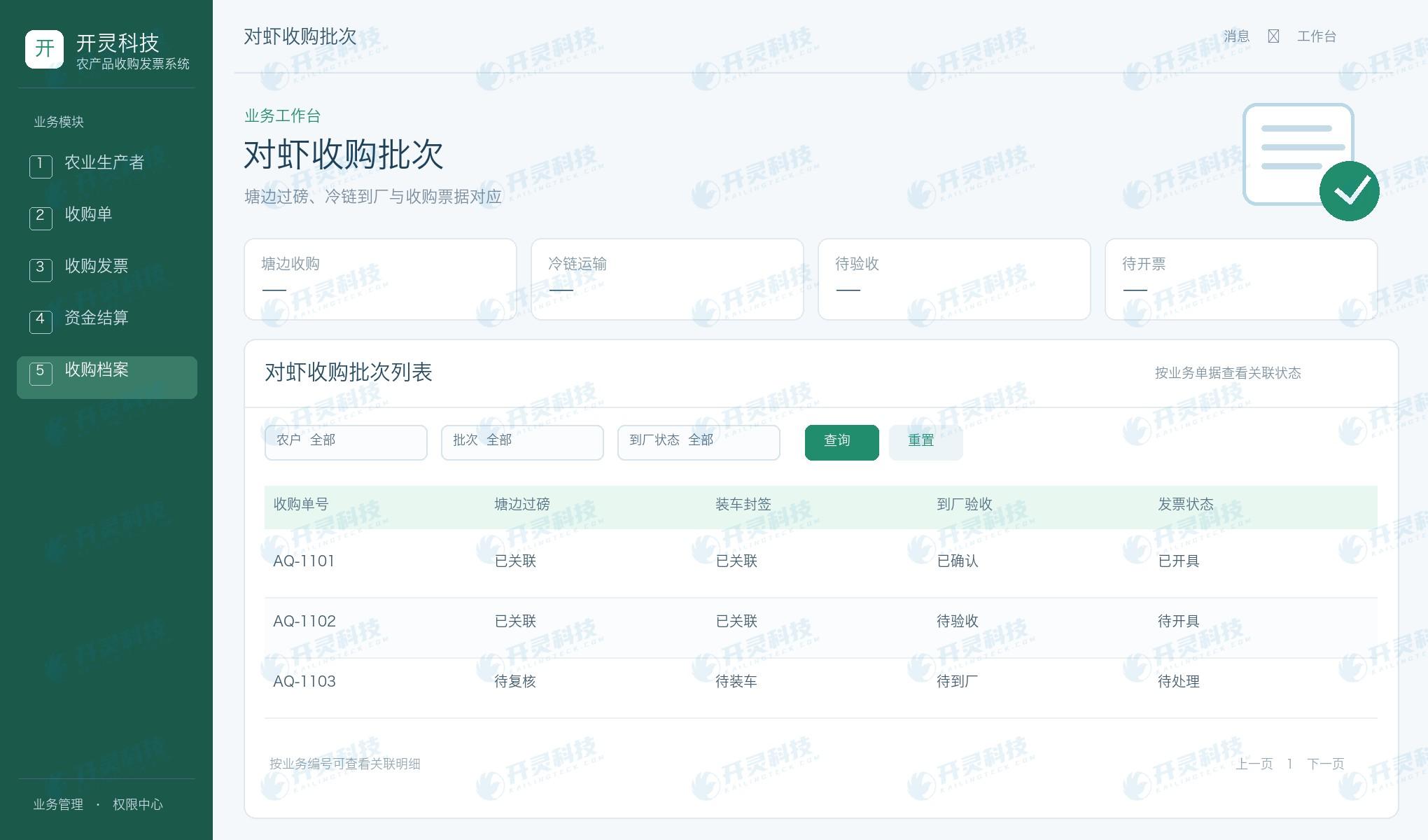
If a total quantity difference occurs for multiple households in one vehicle, batches should first be distinguished and then handled household by household, without spreading the difference evenly among all farmers. The settlement statement lists the original pondside weight, confirmed factory arrival quantity, price, and adjustment items, and payment and invoicing are based on the same confirmed result.
View aquatic product purchase orders by household
▍Five-flow archives by household, not just by vehicle
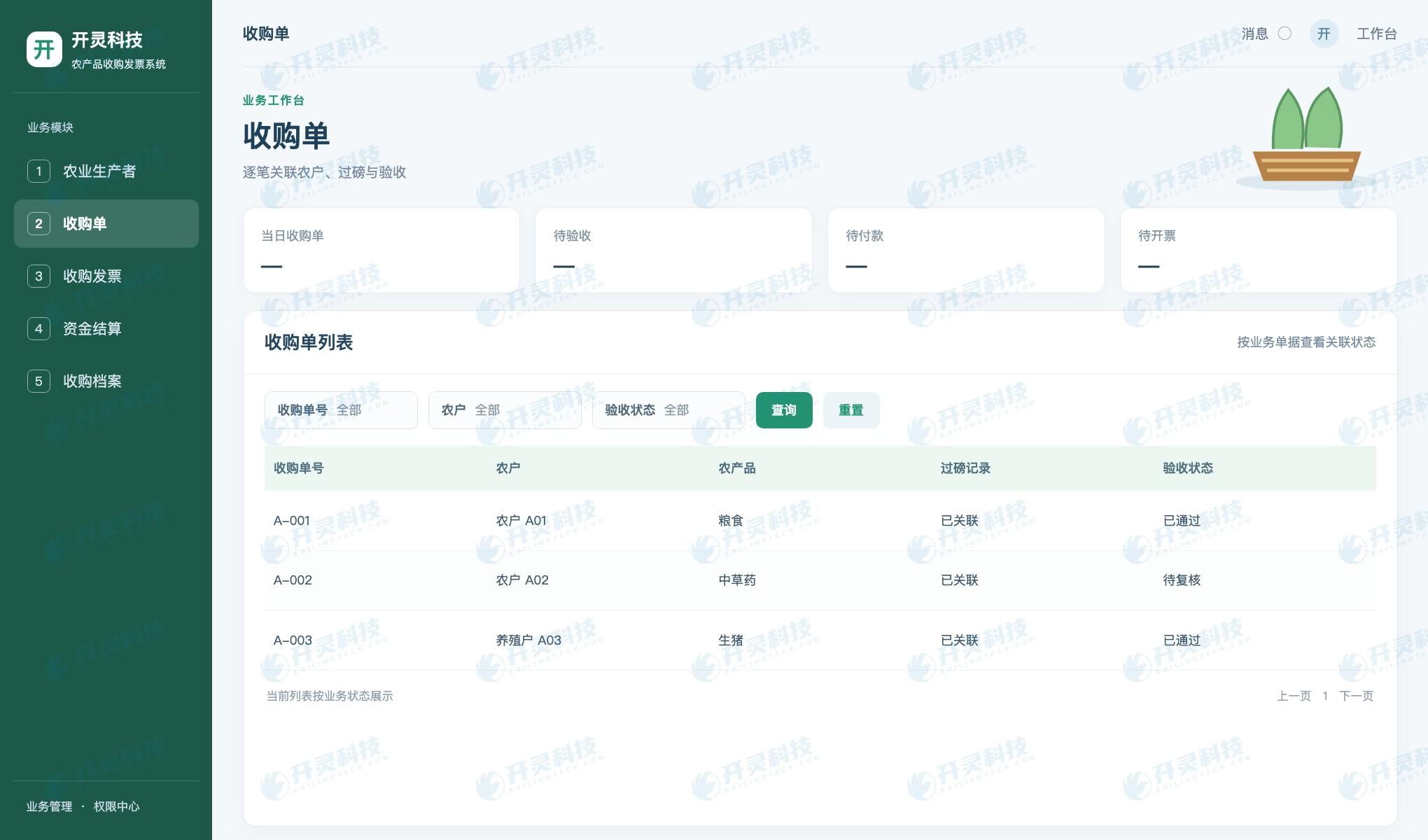
Key materials for agricultural product purchases include farmer and self-production information, actual shrimp handover, settlement confirmation, bank payment, and purchase invoices. Link these nodes with the purchase order number, so that from the invoice you can trace back to the pond-side weighing and factory acceptance; from the pond-side order you can also find the corresponding payment and invoice. Cold chain vehicle trips are an important auxiliary index but should not replace each household's file.
The Kailing Technology agricultural product purchase reverse invoicing system supports viewing five-flow evidence and missing items by order. Payment succeeded but invoice pending, farmer information pending review, or plant weight unconfirmed should be displayed as separate statuses for handling by different roles. Invoice eligibility and documentation requirements are configured according to applicable local regulations.
▍Peak-season spot checks focus on discrepancy orders
The pilot can use five types of samples: single-household direct delivery, multi-household shared vehicle, vehicle-change transport, factory-arrival shortage, and quality downgrade. Finance randomly selects an acquisition invoice and traces back to the farmer, pondside weighing, cold-chain records, and final settlement, checking whether the bank receipt was paid to the correct party.
High-frequency aquatic product purchasing relies on clear batches and statuses to reduce disputes. The Kailing Technology solution connects key records from pond-side to invoice, but quality determination and discrepancy handling still require business positions to confirm based on on-site facts.
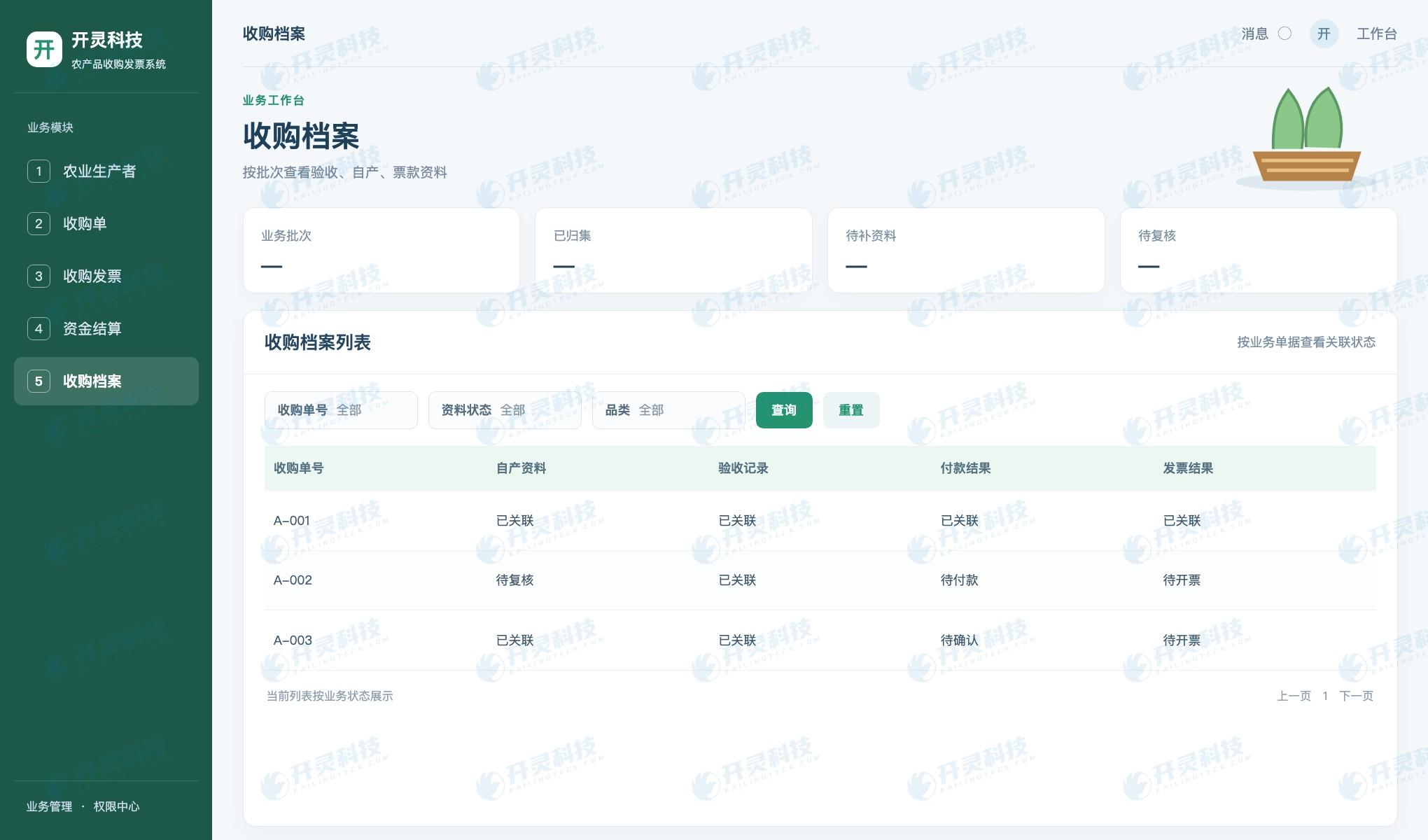
Five-flow evidence for acquisition batches
▍Shrimp batch verification must span time and temperature
Pond-side purchasing is usually rushed, with weighing, boxing, and sealing occurring almost continuously. Purchasers can use the same batch number to record the weighing equipment, basket tare weight, boxed quantity, and farmer confirmation, and the cold chain driver checks the boxes upon receipt. In this way, even if the goods leave the pond quickly, the original transaction can still be traced back to the specific farmer.
Transport temperature and factory arrival time affect acceptance judgment, but should not be simply converted into purchase amounts. The system can attach temperature control records to the batch while allowing factory acceptance staff to record quality opinions separately; only deductions or returns confirmed according to agreement enter final settlement. Automatically deducting payment for temperature anomalies easily leads to disputes.
Aquatic product specifications may be adjusted after sampling inspection upon factory arrival. The sampling ratio, specification results, and adjustment scope must be explained; a single box sample must not unreasonably change the price for all farmers in the whole vehicle. When multiple households share a vehicle, the system retains the batch and box-item association, trying to locate quality differences to the corresponding acquisition sheet.
For a single shrimp purchase invoice, finance should be able to see the household's self-production documentation, pond-side weighing, loading, factory acceptance, final settlement, and bank receipt. If payment and invoicing are processed together in batches, the platform should still show success and failure for each household. One farmer account being returned should not cause an entire truckload of transactions to be marked as unpaid.
After the peak season ends, difference sheets can be spot-checked by farmer, vehicle trip, and cold-chain batch: weight differences between pondside and factory arrival, temperature anomalies, mismatches between invoice and payment amounts, and missing confirmations on acquisition sheets. Only when each type of anomaly can be traced to a responsible position can the five-flow evidence truly be used in daily management.
▍Separate the two confirmations at the pond and at the plant
Pond-side confirmation states how many shrimp the farmer handed over and the specifications at that time; transport handover states which boxes the cold chain vehicle received; factory inspection states what the enterprise ultimately received and accepted. The three records should not override each other. Even if final settlement uses the factory-confirmed quantity, the original pond-side weight is still used to explain differences en route.
After aquatic products arrive at the factory, returns or price reductions may occur. The enterprise must map handling opinions to specific farmers and batches; if multiple households are mixed in boxes, first verify the scope of responsibility, and the difference must not be split evenly among all people. Finance checks whether disputes are closed before invoicing, avoiding issuing documents for amounts not yet confirmed.
Cold chain records help explain transport conditions but do not directly replace farmers' self-production certificates, purchase orders, and bank receipts. Collecting different types of evidence by order is the only way to separately answer "where the goods came from," "who received the payment," and "how the amount was formed" during invoice verification.
Shrimp purchases also need a clear net-weight basis after packing. The weight of turnover boxes, preservation ice, and the shrimp themselves should be separated as agreed; plant rechecks should use the same measurement basis to be comparable. If different equipment or units are used, the system records the conversion and the reviewer to avoid mistaking measurement differences for transport loss.
The review results should give each farmer a clear way to check.
▍FAQ
Q: If the weight at the plant is less than at the pond, which number is the invoice issued on?
A: Based on the quantity agreed by both parties and the final confirmed settlement quantity, and retain both weighings and the discrepancy handling.
Q: Can multiple households' shrimp in the same vehicle be covered by only one purchase invoice?
A: The actual self-produced seller should be identified, transaction and invoice-payment relationships should be retained by household, and the specific invoicing method should follow applicable regulations.
Q: Can cold-chain temperature records replace the purchase order?
A: No. Temperature records indicate transport conditions, while the purchase order and weighing acceptance indicate transaction quantity and amount.
Visit Kailing Technology to learn about related products and implementation plans: https://www.kailingteck.com/fxncp/ .
As a national high-tech enterprise, Kailing Technology focuses on the digital and intelligent transformation of enterprise business-finance-tax and operations management, providing software products, system integration, implementation and delivery, and operational services for various government agencies, institutions, group enterprises, and SMEs.
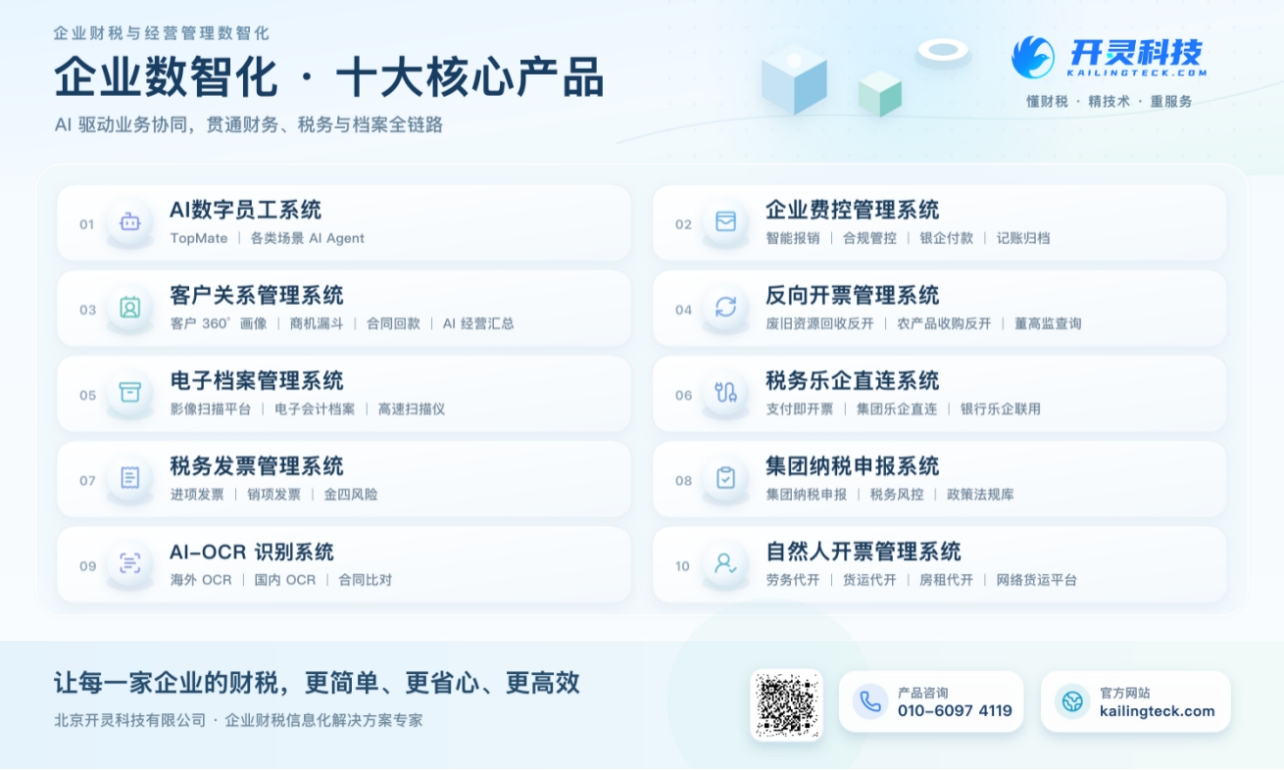
The company has now formed ten core product lines, including: AI digital employee system, enterprise expense control management system, customer relationship management system, reverse invoicing management system, invoice issuance for individuals management system, electronic archives management system, tax fully digitalized e-invoice Leqi system, tax invoice management system, group tax filing system, and AI OCR recognition system. It is committed to connecting enterprise business, finance, tax, funds, and archive data to help customers improve operational efficiency, business-finance-tax compliance capabilities, and digital management levels.
If you have any business-finance-tax digital transformation needs, welcome to contact us. Beijing Kailing Technology will serve you wholeheartedly.
Keywords: Shrimp purchase invoice, pond-side weighing, cold-chain plant arrival, five-flow evidence, Kailing Technology
As a comprehensive business-finance-tax digitalization solution service provider, Kailing Technology provides business-finance-tax management digital transformation products and operational services for various government agencies, institutions, and large, medium, and small enterprises. The product line includes: solutions for sales contract management system, procurement contract management system, fully digitalized Leqi interface project, automatic output invoicing system, reverse invoicing system, invoice issuance for individuals system, employee expense control and reimbursement system, input VAT invoice management system, supply chain collaborative reconciliation system, image AI OCR recognition system, automatic financial bookkeeping system, electronic accounting archives system, etc., comprehensively driving the digitalization process across various fields.
Consultation Hotline: 18513895936 / 010-60974119 Location: Beijing