
How do weighbridge tickets and cargo photos from scrap copper purchases correspond to invoices? Kailing Technology's resource recycling reverse invoicing system uses a five-stream chain diagram to achieve one-invoice-one-file compliance management.
After a truckload of scrap copper enters the plant, the weighbridge operator saves the weighbridge ticket, the inspector photographs the cargo, the cashier obtains the payment receipt, and finance then issues the invoice. The materials appear complete, but they may be stored in four separate folders. Kailing Technology's resource recycling reverse invoicing system uses the purchase order as the thread to connect the transaction facts corresponding to each invoice into a file that can be traced back.

▍Which shipment does an invoice point to first
To check a reverse invoice, finance must first find the corresponding actual purchase record. Scrap copper may arrive at the plant in multiple vehicles in one day, or even the same seller may deliver in batches; matching only by name and date can easily mix weigh tickets from nearby trips into the file. In receiving, a stable link should be established among vehicle trips, purchase orders, and settlement details; when one invoice covers multiple confirmed purchases, each component must also be listed.
Cargo materials entering the archive should not have only a "scrap copper" label. Copper wire, copper pipes, and mixed materials may have different acceptance and pricing bases; photos should state the vehicle trip, location, and time, and be stored together with weighing and grading records. If on-site re-sorting or re-weighing occurs, the original photos, original weigh tickets, and adjusted records should all be retained, so the final amount can always be traced to its formation process.
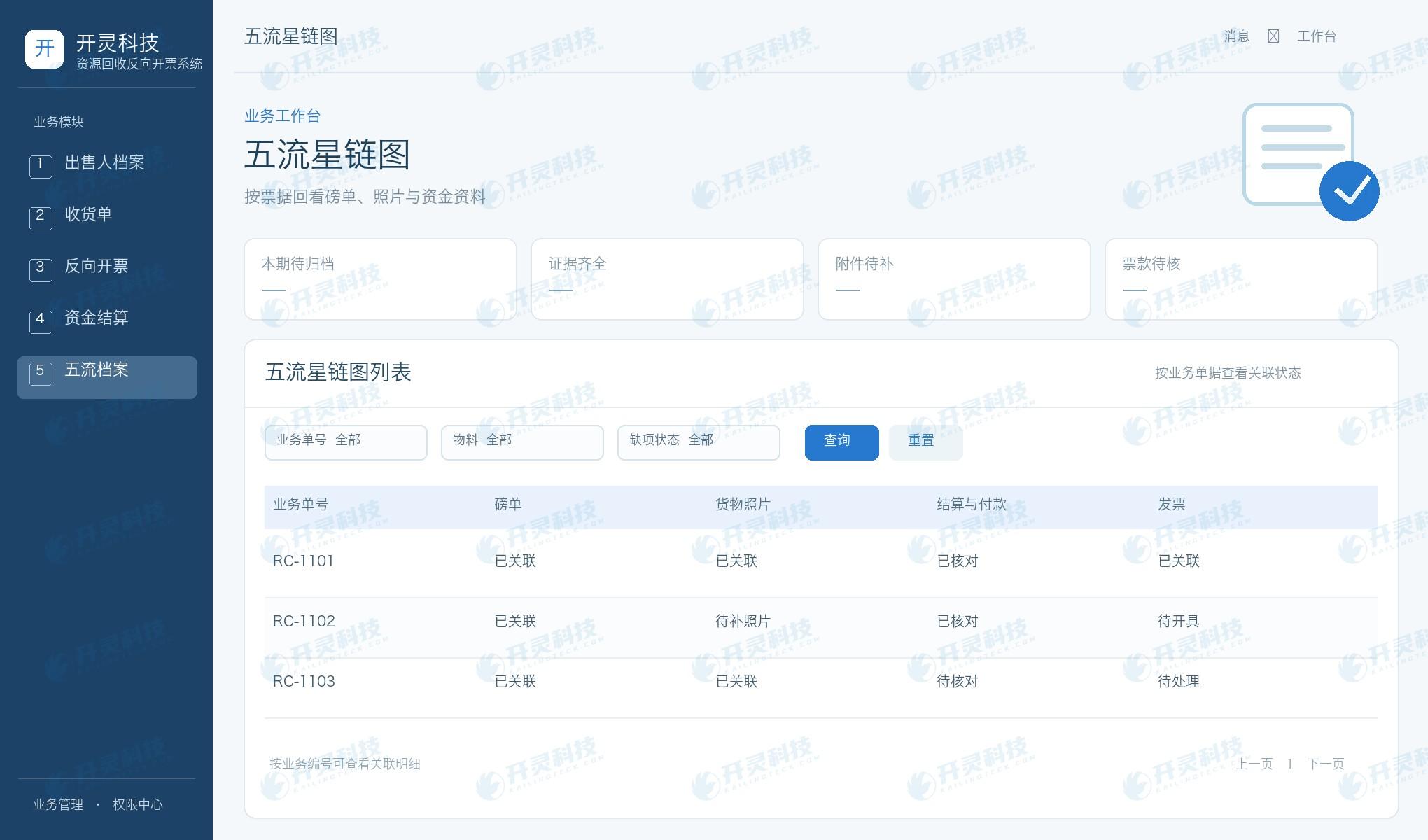
The five-flow chain diagram links weighbridge tickets, photos, and invoices
▍Weighbridge tickets, photos, and settlement must identify each other
The weighbridge ticket answers where the weight comes from, cargo photos help reconstruct the arrival condition, and the settlement statement explains grade, unit price, and deductions. Each of the three types of materials has its own evidentiary role. If photos are only placed in a chat group, finance may have the files but not know which weighing they correspond to; attaching the vehicle number, weighbridge ticket number, and photo batch to the same purchase order prevents retrieval from relying on the handler's verbal explanation.
Scrap copper settlement may be adjusted after initial inspection due to disputes over impurities, moisture content, or grade. At this point, record the original quantity, adjusted quantity, basis for negotiation, reviewer, and seller confirmation, and then have funds and invoices reference the final confirmed settlement amount. If the system covers only the final number, auditors will find it difficult to determine whether a change was normal acceptance or a later modification.
▍How the five-flow chain diagram traces gaps
The Five-Flow Star Chain Diagram of Kailing Technology's resource recycling reverse invoicing system links the seller, goods, funds, invoices, and corresponding materials through business documents. When checking an invoice, you can expand the associated purchase order to see whether identity verification, vehicle and weighing, settlement, bank results, and electronic invoices form a closed loop; starting from a weighbridge ticket, you can also find where the invoice went. The value of the star chain lies in traceability between nodes, not just piling files together.
For example, if a truckload of goods has photos and an invoice but no payment receipt can be found, the interface should leave the funds node in pending verification; if payment succeeds but the invoice has not yet been issued, it should also be displayed separately rather than marking the transaction as uniformly complete. Business, cashier, and finance complete their respective to-dos, and the reviewer then checks whether the new attachments truly belong to this scrap copper purchase.
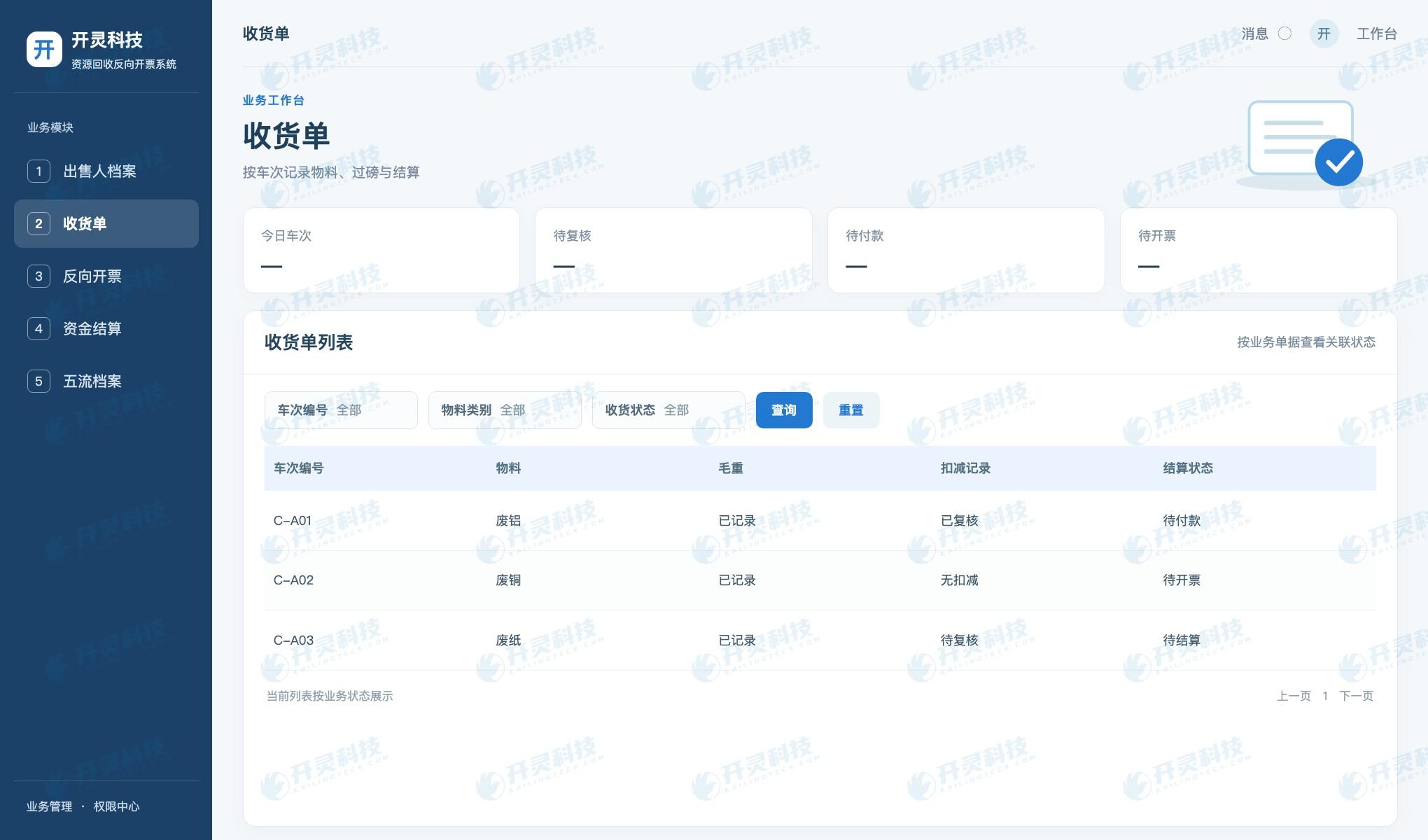
Scrap copper receiving and weighing records
▍One-invoice-one-file still requires verification of eligibility
When resource recycling enterprises issue reverse invoices to natural persons who sell scrapped products, they must first verify whether the enterprise and the seller meet the applicable conditions. Driver delivery on behalf of others, station collection on behalf of others, and the actual seller are not the same concept; identity documents, transaction confirmation, and payee account name must correspond. A complete document chain cannot replace subject determination; especially for natural persons with frequent short-term transactions, cumulative transactions and identity changes should be continuously monitored.
Before invoicing, finance can view seller verification, actual receipt, final settlement, and payment status from the same record, then decide whether to submit. If an issued invoice is red-flushed or reissued, its relationship with the original purchase order must also be retained. This way, historical archives can explain every change, rather than leaving only the latest invoice.
▍Accept the system based on abnormal transactions
At launch, consider selecting three types of scrap copper samples: one truckload mixed with multiple grades, one person delivering but another selling, and a price adjustment after re-weighing. On-site personnel complete receiving, finance then traces photos and weighbridge tickets back from the invoice using only the system, and the cashier verifies the funds; if any step cannot find a link, it indicates that numbering or business responsibilities still need adjustment.
Enterprises can also regularly spot-check documents beyond those marked "materials complete": photos pending supplementation, returned payments, invoice red-letter reversals, and settlement discrepancies. Kailing Technology's solution places these statuses on the transaction chain so responsible persons can handle them promptly. The ultimate measure is whether each shipment, each payment, and each invoice can explain each other.
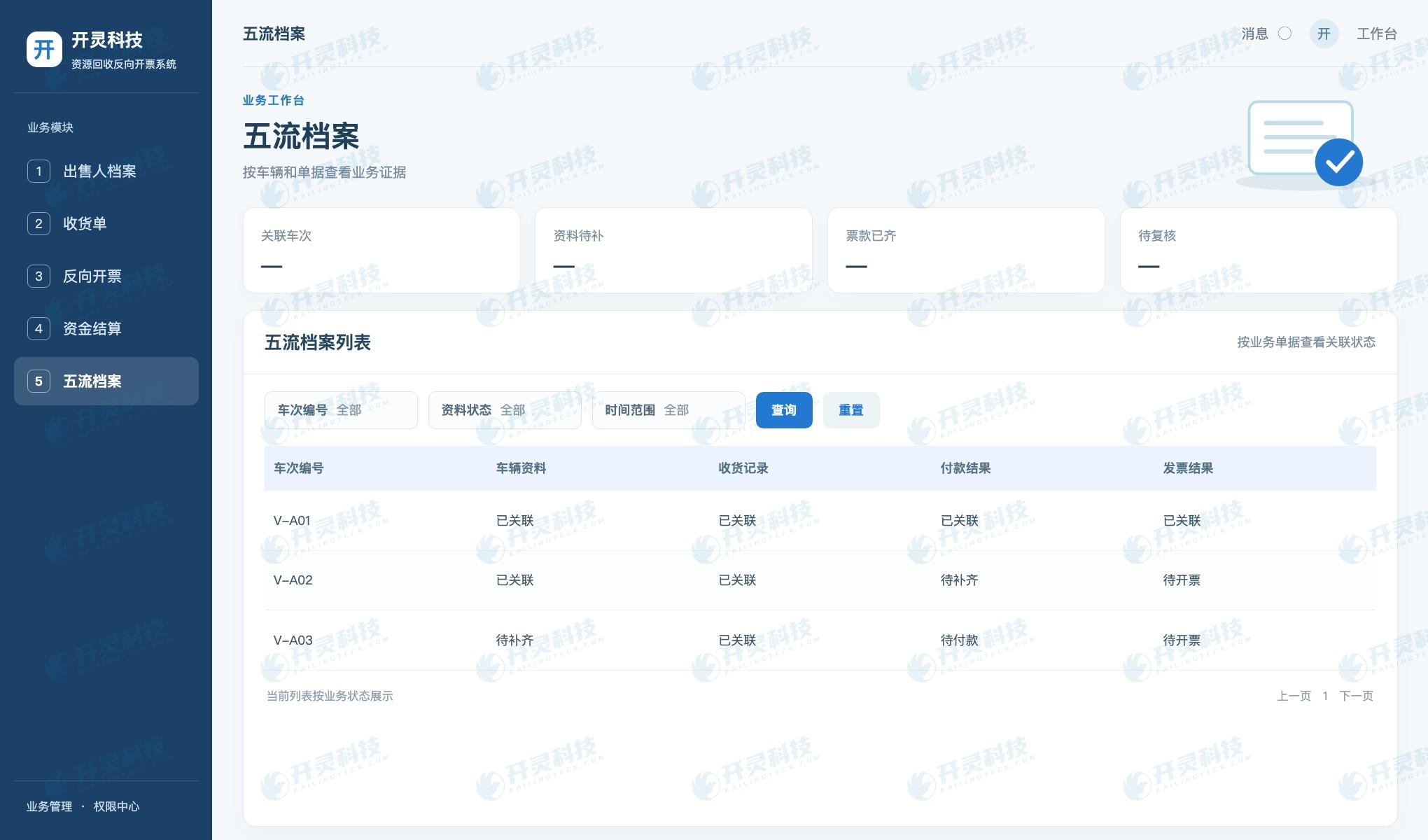
View transaction files by order
▍Make the scrap copper evidence chain a daily routine
On-site photos are best taken at two points: handover and grading. The former shows the arrival of the full vehicle and the license plate; the latter shows the grade and inclusions. When files enter the system, record the trip number, shooting time, uploader, and corresponding weighbridge ticket, so that original images can be found during re-weighing. Photos do not need to be numerous; the key is that they can explain the disputed point. The same generic photo must not be attached to multiple transactions.
For cases where one invoice corresponds to multiple goods transactions, the archive should have detail-level mapping. Finance can click the invoice amount to see the settlement amount of each purchase order; click one vehicle to see weight, price, and payment allocation. If there is only the invoice total and an attachment list of several weighbridge tickets, it may look complete but still cannot prove how each document constitutes that invoice.
Scrap copper transactions are often affected by market price changes. The time of quote confirmation, the price version, and adjustments after grading should be recorded separately. Only after the seller confirms the final settlement amount may the cashier make payment accordingly; finance must not choose a different unconfirmed unit price for invoicing. During a price dispute, the system keeps the status as pending and locks the related materials, reducing invoice-payment discrepancies caused by paying first and changing later on the same batch of goods.
At month-end, managers can spot-check by seller, site, and invoice status: whether the same weighbridge ticket is referenced by two invoices, the same photo is reused across orders, the payment account is inconsistent with the seller, or a new invoice is missing after an invoice is red-flushed. Spot-check results return to the original business order, not just an independent checklist. Only when discovery, supplementation, review, and closure are all recorded does the Five-Flow Star Chain truly enter internal control.
During implementation acceptance, having finance staff who did not participate in on-site receiving independently pick invoices for reverse lookup is more effective than business staff demonstrating documents they are familiar with. Pilot results can list practical observation items such as "steps required from invoice to weighbridge ticket," "questions requiring manual inquiry," and "whether missing-item responsibility is clear," and then decide which fields must be completed on the day of receipt.
▍Viewing role handover through single-invoice files
The work completed by the weighbridge operator, inspector, cashier, and finance should each fall into different nodes of the same purchase order. On-site staff only need to enter facts they know; finance should not fill in the shooting time of cargo photos on their behalf at month-end; finance is responsible for checking before invoicing whether these facts form an explainable chain. With clear division of labor, the five-flow chain diagram will not become a folder where one person supplements materials.
The link between images and documents must also withstand staff changes. After an employee leaves, a new handler can find the original weighbridge ticket, photos, and grading adjustments from the invoice number without asking who was present at the time. Enterprises can use "reconstructing the transaction without the original handler" as an archive acceptance criterion to continuously identify business fields that need supplementation.
For actual situations of one invoice covering multiple vehicles or one vehicle covered by multiple invoices, the system allows many-to-many relationships to be established, but each relationship must have amount and quantity ranges. When reviewing, managers can clearly see why a split or consolidation was made, rather than having details obscured by a "linked successfully" status.
▍FAQ
Q: Can one reverse invoice correspond to multiple weighbridge tickets?
A: It can be handled according to the actual transaction and invoicing rules, but the detailed relationship between each weighbridge ticket, purchase order, settlement amount, and invoice must be retained.
Q: If there are cargo photos, are weighbridge tickets still needed?
A: Yes. Photos record the arrival condition, and weighbridge tickets record the measurement results; the two corroborate each other and cannot replace each other.
Q: How does the file display it when payment is later than invoicing?
A: Record the actual status of the invoice and the bank separately, and link the result back to the original purchase order after payment is completed.
Visit Kailing Technology to learn about related products and implementation plans: https://www.kailingteck.com/fxzy/ .
As a national high-tech enterprise, Kailing Technology focuses on the digital and intelligent transformation of enterprise business-finance-tax and operations management, providing software products, system integration, implementation and delivery, and operational services for various government agencies, institutions, group enterprises, and SMEs.
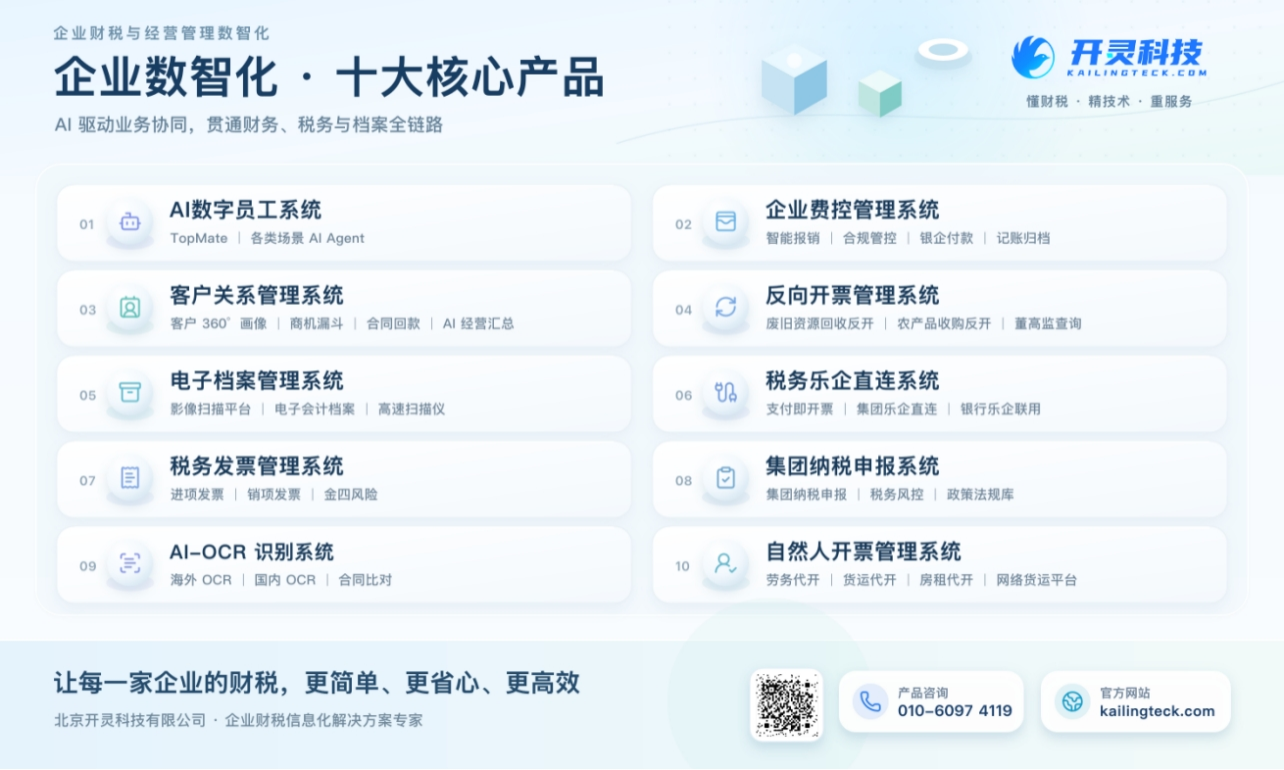
The company has now formed ten core product lines, including: AI digital employee system, enterprise expense control management system, customer relationship management system, reverse invoicing management system, invoice issuance for individuals management system, electronic archives management system, tax fully digitalized e-invoice Leqi system, tax invoice management system, group tax filing system, and AI OCR recognition system. It is committed to connecting enterprise business, finance, tax, funds, and archive data to help customers improve operational efficiency, business-finance-tax compliance capabilities, and digital management levels.
If you have any business-finance-tax digital transformation needs, welcome to contact us. Beijing Kailing Technology will serve you wholeheartedly.
Keywords: Scrap copper purchasing reverse invoicing, Five-Flow Star Chain Diagram, one invoice one file, weighbridge ticket cargo photos, Kailing Technology
As a comprehensive business-finance-tax digitalization solution service provider, Kailing Technology provides business-finance-tax management digital transformation products and operational services for various government agencies, institutions, and large, medium, and small enterprises. The product line includes: solutions for sales contract management system, procurement contract management system, fully digitalized Leqi interface project, automatic output invoicing system, reverse invoicing system, invoice issuance for individuals system, employee expense control and reimbursement system, input VAT invoice management system, supply chain collaborative reconciliation system, image AI OCR recognition system, automatic financial bookkeeping system, electronic accounting archives system, etc., comprehensively driving the digitalization process across various fields.
Consultation Hotline: 18513895936 / 010-60974119 Location: Beijing