
Kailing Technology agricultural product purchase reverse invoicing system: During peak season, a tea processing factory purchases fresh leaves from tea farmers. After weighing and grading, how should invoicing be done?
When a tea processing factory purchases fresh leaves from tea farmers, the invoicing basis after weighing and grading should come from the real producer's identity, actual purchase details, and settlement information confirmed by both parties. Kailing Technology's agricultural product purchase reverse invoicing system organizes these materials around agricultural product procurement. The term "reverse invoicing" here describes the business direction in which the purchaser issues a purchase invoice, and should not be confused with reverse invoicing policies in the resource recycling field; the two types of business have different applicable conditions.
▍When fresh leaves just arrive at the factory, what is the first thing that needs to be confirmed on site?
During peak season, purchasing moves at a tight pace, and fresh leaves need to be weighed and processed promptly. Receiving staff focus on quantity and quality, tea farmers care about grade and settlement, and finance needs to know who these fresh leaves came from and whether they qualify as self-produced agricultural products. All three needs exist at the same time; you cannot satisfy only on-site speed and wait until invoicing to fill in identity and source.
Fresh leaves produced by tea farmers themselves and fresh leaves purchased by intermediaries and resold may look similar, but the invoicing basis cannot be directly regarded as the same. Enterprises should verify the actual supplying identity and production source, and cannot treat everything as a self-produced agricultural product purchase simply because the seller is an individual.
Purchase points can organize necessary material requirements in advance and explain the purpose and provision method to cooperating tea farmers. Basic information of long-term partners can be reasonably reused, while each delivery should still have an independent record. This reduces duplicate registration without letting familiar relationships replace verification of the real source.
▍Weighing gives quantity, grading explains settlement conditions
The weight and grade of the same batch of fresh leaves affect different business judgments. Weighing should retain the source and result, while grading should be confirmed according to both parties' agreement and actual quality. If only one final payable total is kept, it will be difficult afterward to explain why the amount was formed that way.
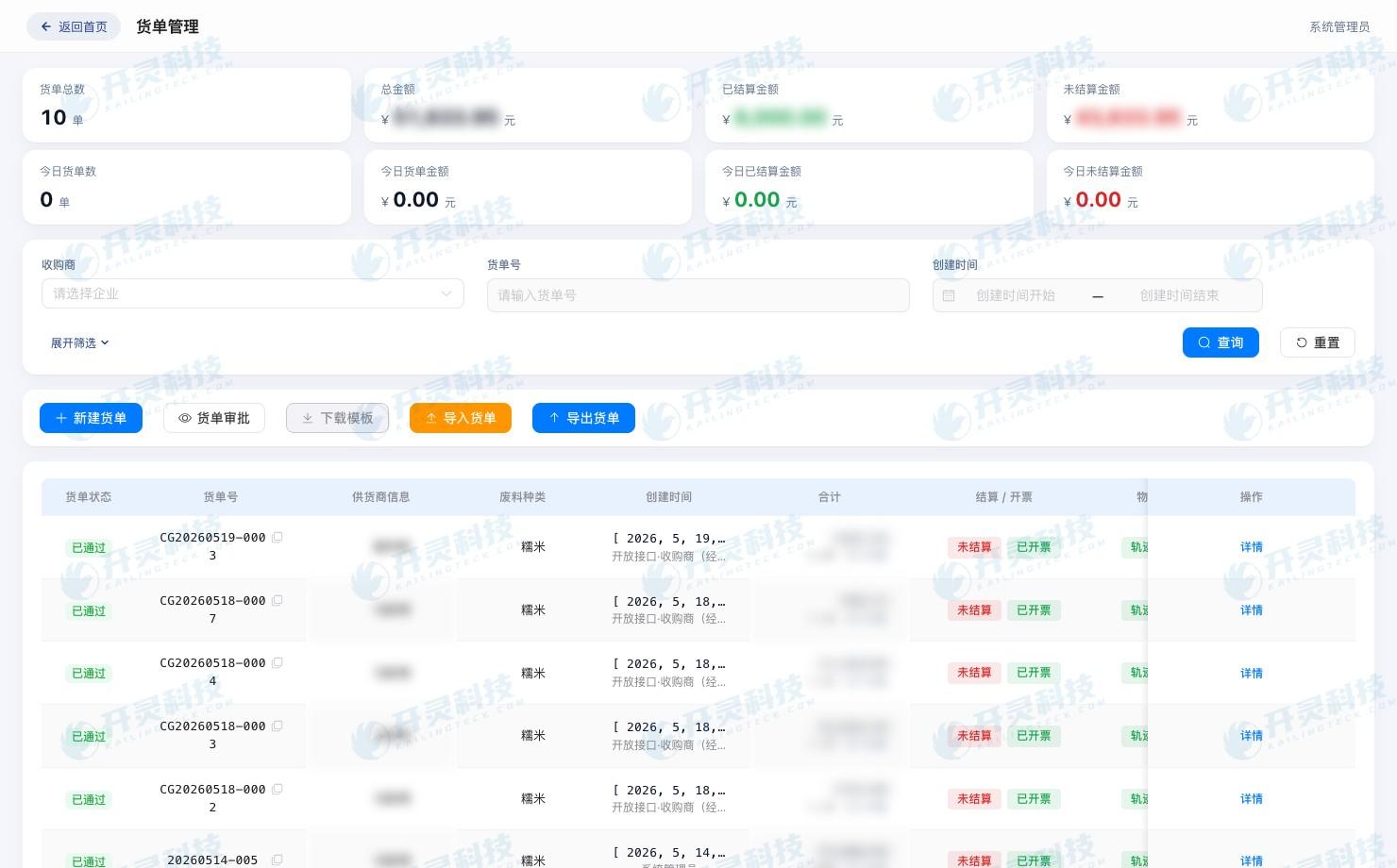
Grade standards should not be hidden in one receiver's experience. Enterprises can form criteria that are easy to understand on site and keep records of actual confirmation results; when differences arise, both parties can verify around the specific batch. The system carries these conclusions and should not declare on its own that fresh leaves belong to a certain grade when reliable evidence is lacking.
Factors such as packaging, impurities, or reweighing should also be handled according to actual agreements. Adjustments affecting quantity or settlement should have a source and explanation, so finance does not need to contact the site again afterward to verify. Linking weighing records with settlement details helps keep the same batch of fresh leaves explainable across receipt, payment, and invoices.
▍When there is a dispute, leave the right of confirmation with the actual transaction parties
If tea farmers have questions about weight or grade, they can review according to on-site arrangements and explain the conclusion. Content that needs adjustment should retain its before-and-after connection; there is no need to delete the original record as if the first judgment never happened. After the review result is formed, downstream users use the corresponding confirmed data to avoid old values continuing into payment or invoicing.
If an enterprise allows settlement in batches or installments, it should also explain which purchase records are included this time and which still need confirmation. Fresh leaves from different tea farmers cannot be mixed into the business of one seller just because they are transported in the same vehicle. Multiple deliveries by the same tea farmer should also retain the basis for each purchase. Transportation attribution and purchase attribution are two issues that need to be identified separately.
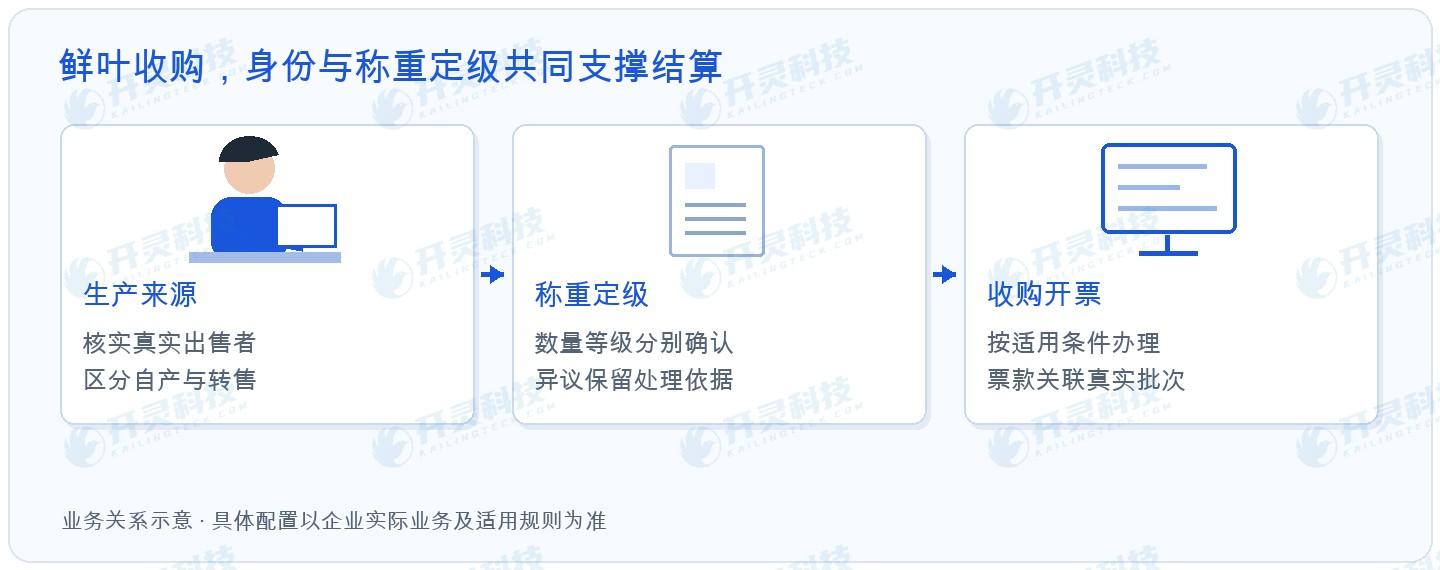
For the site, these records do not need to become complicated long reports. Being able to clarify the seller, batch, quantity, grade, and confirmation result is already easier to support collaboration than several unrelated receipts. When information is recorded clearly as it occurs, the backend can reduce duplicate collection.
▍Kailing Technology agricultural product procurement invoicing solution builds links around real purchases
Kailing Technology's agricultural product purchase solution can connect supplier information, receipt details, settlement, and invoice status, enabling finance to return from invoicing applications to specific procurement. Enterprises should first confirm the applicable conditions, invoicing permissions, and processing requirements for purchase invoices, and then connect business data to the corresponding process. Resource recycling policies cannot be used as a direct basis for agricultural product invoicing.
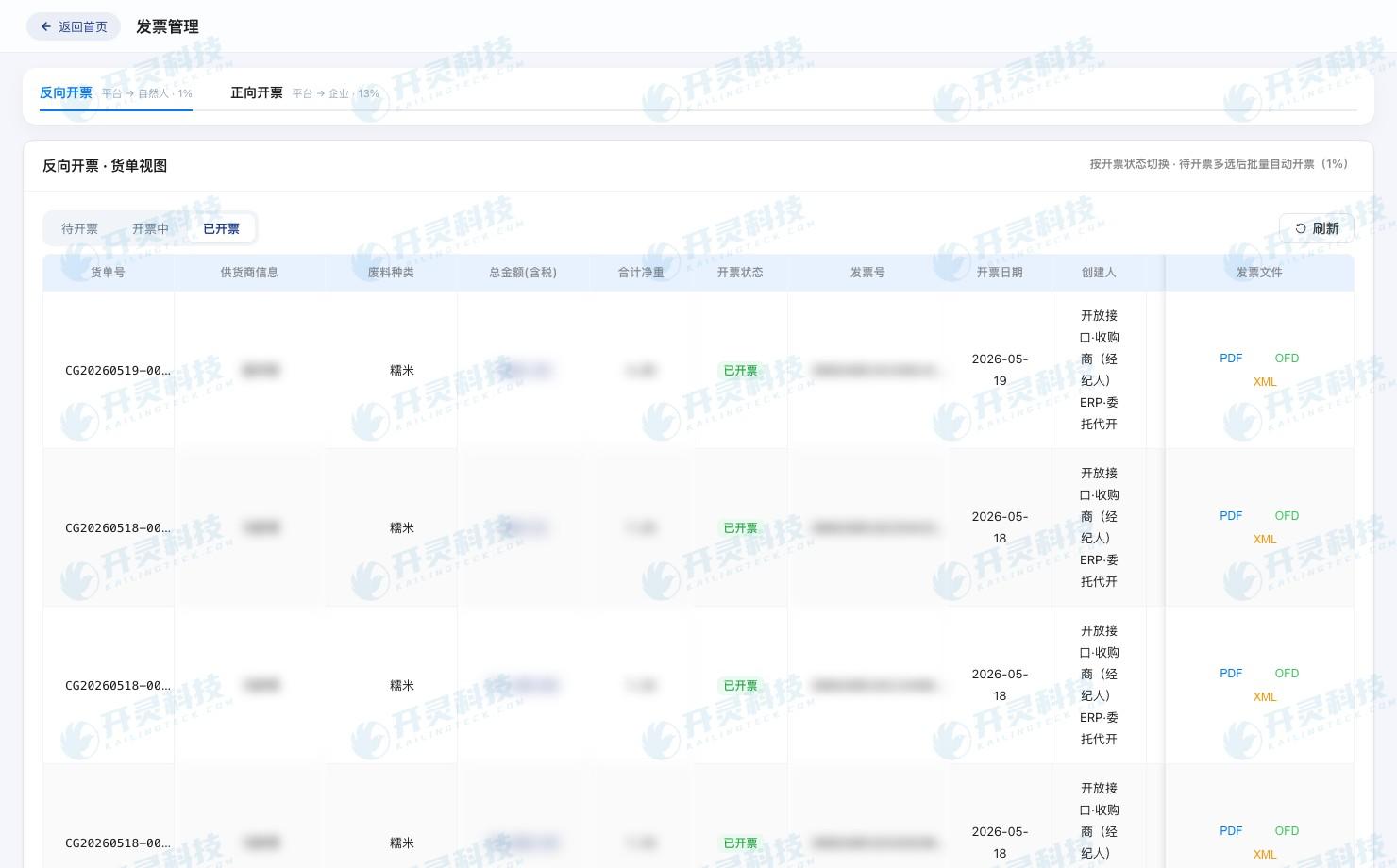
The distinction between self-produced status and purchased-for-resale should be emphasized on the procurement side. Having only an ID document, a receiving account, and a weighing slip does not automatically prove eligibility as a self-produced agricultural product. Necessary identity, production, and transaction materials need to be verified against actual business; the system's collection of materials cannot replace these factual judgments.
After obtaining purchase invoices, the related tax handling still needs to meet applicable regulations. Successful invoicing cannot be directly understood as meaning all purchases naturally meet deduction or input VAT credit requirements, nor can one uniform tax rate cover different business situations. Finance should confirm based on actual transactions and current rules, while the system provides traceable supporting information.
▍The value of six types of evidence is leaving fewer gaps in the procurement process
In a more complete procurement management design, evidence can be organized around six types of information: identity qualifications, contracts, goods and weighing logistics, invoices, funds, and risk records. This is a solution design perspective. It does not mean all modules have already been delivered in every project, and it certainly does not mean that having all six tables automatically proves that all transactions are compliant.
For fresh leaf purchasing, what is most worth supplementing first is the actual collaboration gap. If on-site weighing and financial settlement are often inconsistent, first establish batch relationships; if seller information is unclear only at invoicing, first improve procurement information confirmation; if payment is difficult to match to receipt after payment, then improve the link between funds and settlement. The construction order should be determined by real problems.
Kailing Technology can discuss, based on the enterprise's current purchasing method, which capabilities can be directly reused and which fields and collaboration rules need to be configured. Existing weighbridges or business systems can continue to provide source data, and new management capabilities can be connected around the gaps, so tea farmers and receiving personnel do not have to bear unnecessary duplicate reporting for backend construction.
▍After peak season ends, what remains is not just total purchase volume
Clear procurement records can help enterprises review settlement disputes, missing materials, and processing progress. Which grade criteria need further explanation, which batches have more supplementary entries, and which payments are still pending verification can all become clues for improving next season's collaboration.
For tea farmers, a stable and transparent confirmation method also helps maintain cooperative trust. Being able to check purchase details after delivery, understand differences at settlement, and know whom to ask when questions arise means the convenience brought by the system does not only occur in the finance office, but can also be reflected in daily communication between both sides of procurement.
Basic data collection should also remain moderate. Explain the purpose of use and which positions can view it, to avoid expanding the flow of personal information due to increased staff during peak season. While procurement collaboration becomes smoother, tea farmer data should still receive protection commensurate with its purpose.
▍FAQ: Q&A on invoicing for tea leaf purchases
Q: Can all tea leaves delivered by an individual be invoiced as purchases of self-produced agricultural products?
A: It cannot be judged on personal identity alone. The source of production and transaction should be verified. Situations such as resale after purchase cannot directly apply the rules for purchasing self-produced agricultural products.
Q: If fresh leaves are mixed in one vehicle, can settlement and invoicing be unified by driver?
A: The actual sellers and their respective purchase details should be identified. The transporter is not necessarily the owner or producer of the goods, and entities cannot be merged solely by vehicle.
Q: If the six-flow documents are complete, does that guarantee there are no tax handling issues?
A: No. Organizing evidence helps explain the business, but authenticity still needs to be verified and specific invoicing and tax applicability conditions still need to be met. It is not an automatic compliance guarantee.
From weighing and grading to linking invoices with payments, make the fresh leaf purchasing process clearer. Learn about Kailing Technology's agricultural product procurement solution: https://www.kailingteck.com/fxncp/ .
As a national high-tech enterprise, Kailing Technology focuses on the digital and intelligent transformation of enterprise business-finance-tax and operations management, providing software products, system integration, implementation and delivery, and operational services for various government agencies, institutions, group enterprises, and SMEs.
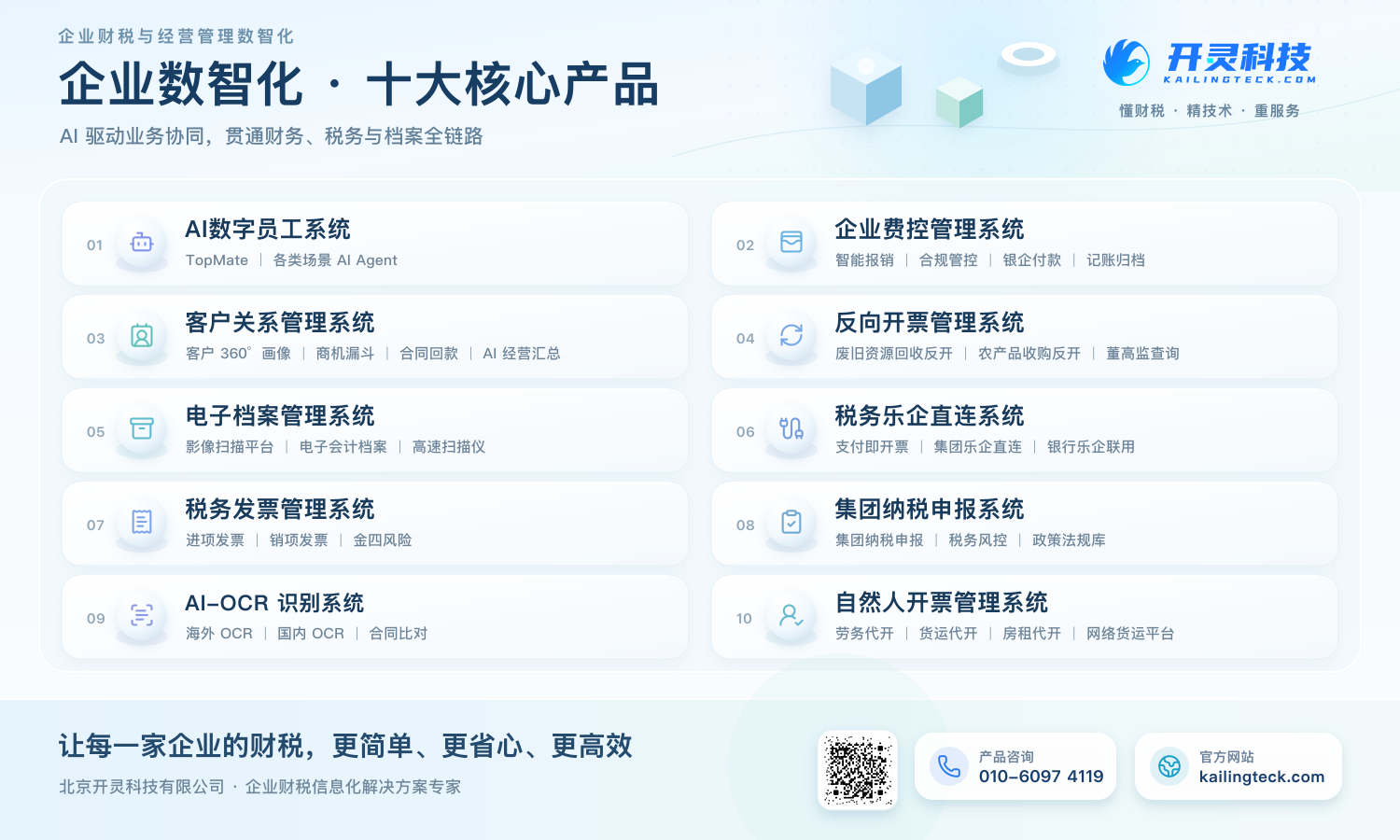
The company has now formed ten core product lines, including: AI digital employee system, enterprise expense control management system, customer relationship management system, reverse invoicing management system, invoice issuance for individuals management system, electronic archives management system, tax fully digitalized e-invoice Leqi system, tax invoice management system, group tax filing system, and AI OCR recognition system. It is committed to connecting enterprise business, finance, tax, funds, and archive data to help customers improve operational efficiency, business-finance-tax compliance capabilities, and digital management levels.
If you have any business-finance-tax digital transformation needs, welcome to contact us. Beijing Kailing Technology will serve you wholeheartedly.
Keywords: Agricultural product procurement reverse invoicing system, tea purchase invoices, fresh leaf weighing and grading, tea farmer purchases, agricultural product procurement management
As a comprehensive business-finance-tax digitalization solution service provider, Kailing Technology provides business-finance-tax management digital transformation products and operational services for various government agencies, institutions, and large, medium, and small enterprises. The product line includes: solutions for sales contract management system, procurement contract management system, fully digitalized Leqi interface project, automatic output invoicing system, reverse invoicing system, invoice issuance for individuals system, employee expense control and reimbursement system, input VAT invoice management system, supply chain collaborative reconciliation system, image AI OCR recognition system, automatic financial bookkeeping system, electronic accounting archives system, etc., comprehensively driving the digitalization process across various fields.
Consultation Hotline: 18513895936 / 010-60974119 Location: Beijing