
How is reverse invoicing operated? The material checklist explained in one article

How is reverse invoicing operated? Complete Guide to 2026 SME Compliance Operations and Material Preparation
Individual suppliers, costs without invoices, hard-to-control risks—this is a common pain point for agricultural product procurement and renewable resource recycling enterprises. The reverse invoicing policy offers a way out, but cumbersome operations, hard-to-collect vouchers, and chaotic ledgers deter many enterprises. In fact, by combining policy logic with system tools, reverse invoicing can change from a "troublesome matter" into a "standard action." The Kailing Technology reverse invoicing system was born exactly for this.
"Reverse invoicing is not simply issuing an invoice in reverse, but a systematic project rooted in business authenticity and taking the five-flow integration ledger as its lifeline." |
▍1. Which scenarios exactly apply to reverse invoicing? What is the policy basis?
Reverse invoicing mainly targets two scenarios: first, renewable resource recycling enterprises purchasing scrap materials from individual sellers; second, agricultural product procurement enterprises purchasing self-produced agricultural products from farmers. The policy basis is State Taxation Administration Announcement No. 5 of 2024 and subsequent supporting documents. Enterprises need to first determine whether their business falls within the applicable scope, noting that the seller must be an individual and the procurement must actually occur. If the business does not fall within the scope of reverse invoicing, it cannot be applied; otherwise, there will be a risk of false invoicing.
▍II. What are the operating steps for reverse invoicing?
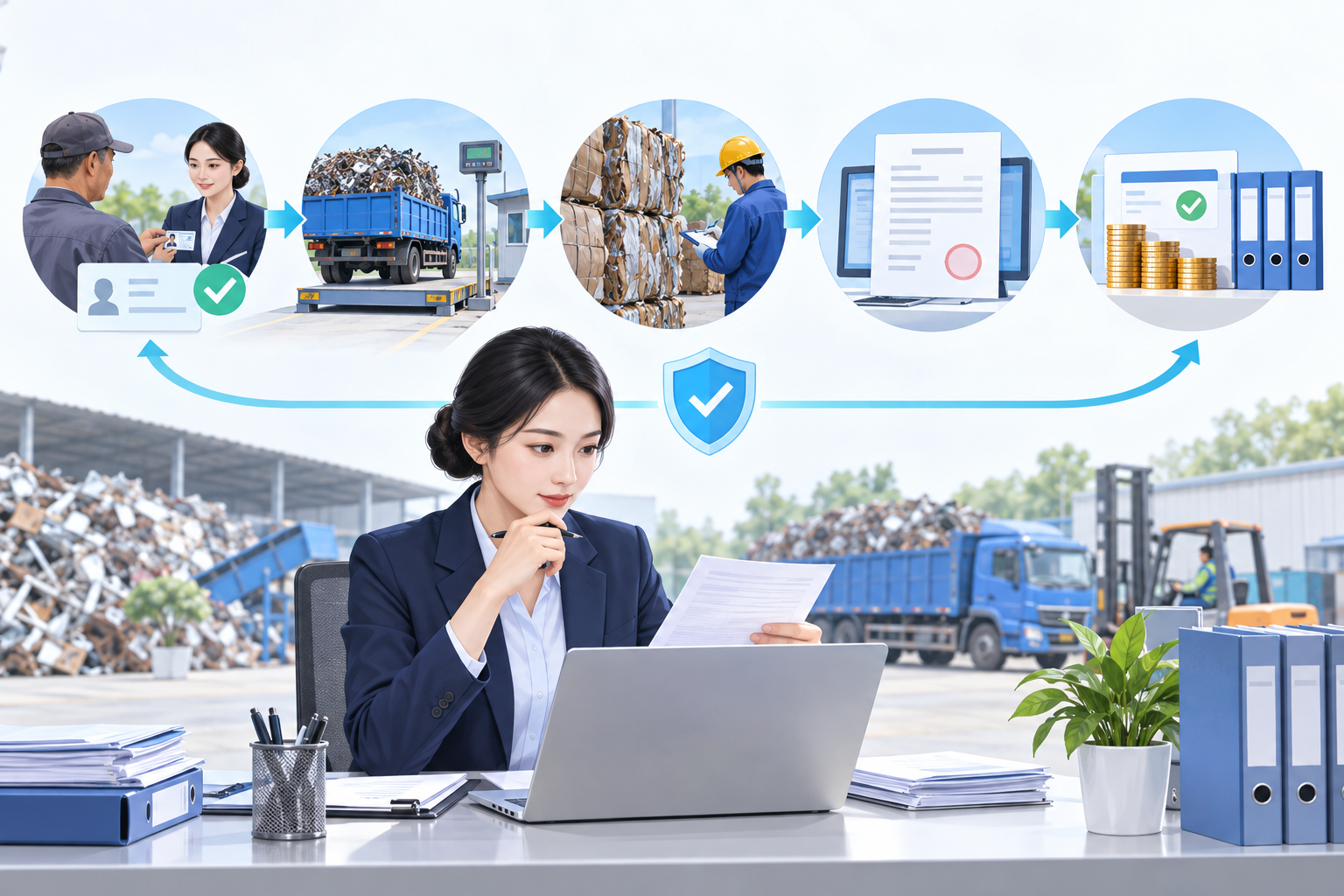
Step 1: The enterprise must complete the reverse invoicing qualification recognition in the electronic tax bureau and maintain seller files (including name, ID number, contact information, etc.). Step 2: When a purchase transaction occurs, collect original vouchers, such as weighbridge tickets, quality inspection sheets, warehouse receipts, payment vouchers, etc. Step 3: Issue a reverse invoice through the system or the electronic tax bureau, and simultaneously generate a purchase ledger. Step 4: Link and archive the invoice with the original vouchers to form a complete business chain. Kailing Technology's reverse invoicing system can integrate the above process, support invoicing upon purchase, and automatically generate a five-flow-in-one ledger, greatly improving efficiency.
▍III. What materials need to be prepared? Checklist and notes
Core materials include: a copy of the seller's identity certificate, purchase business contract or agreement, weighing slip/measurement slip, quality inspection report, warehousing receipt, and payment voucher (bank receipt or cash receipt). In addition, transportation records, on-site photos, and other supporting materials need to be kept to corroborate the authenticity of the business. Note: all materials must be consistent with the invoice information; otherwise they may be deemed non-compliant. Kailing Technology AI OCR can automatically recognize and archive these invoices, realizing "scan to enter the warehouse, recognize to archive," reducing manual sorting workload.
▍IV. How to ensure compliance? The five-flows-in-one ledger is key
Five-Flow Integration means the contract flow, goods flow, capital flow, invoice flow, and information flow mutually corroborate one another. Enterprises should establish a ledger linking the seller, vehicle, weighbridge ticket, warehousing, payment, and invoice of each purchase business to achieve "one invoice one file". The Kailing Technology reverse invoicing system uses the business primary key as an index to automatically collect five-flow materials, supports retrieval at any time, and responds to tax inspections. The system also connects to the Leqi platform to synchronize online payment, invoicing, and tax payment, safeguarding business authenticity from the source.
Keywords: reverse invoicing, operating steps, materials checklist, five flows in one, agricultural product procurement, renewable resource recycling, Kailing Technology, compliance ledger
As a comprehensive business-finance-tax digitalization solution service provider, Kailing Technology provides business-finance-tax management digital transformation products and operational services for various government agencies, institutions, and large, medium, and small enterprises. The product line includes: solutions for sales contract management system, procurement contract management system, fully digitalized Leqi interface project, automatic output invoicing system, reverse invoicing system, invoice issuance for individuals system, employee expense control and reimbursement system, input VAT invoice management system, supply chain collaborative reconciliation system, image AI OCR recognition system, automatic financial bookkeeping system, electronic accounting archives system, etc., comprehensively driving the digitalization process across various fields.
Consultation Hotline: 18513895936 / 010-60974119 Location: Beijing