
How is reverse invoicing operated? 2026 SME Compliance Guide
How to operate reverse invoicing in 2026? A compliance guide that SME owners and finance heads must read
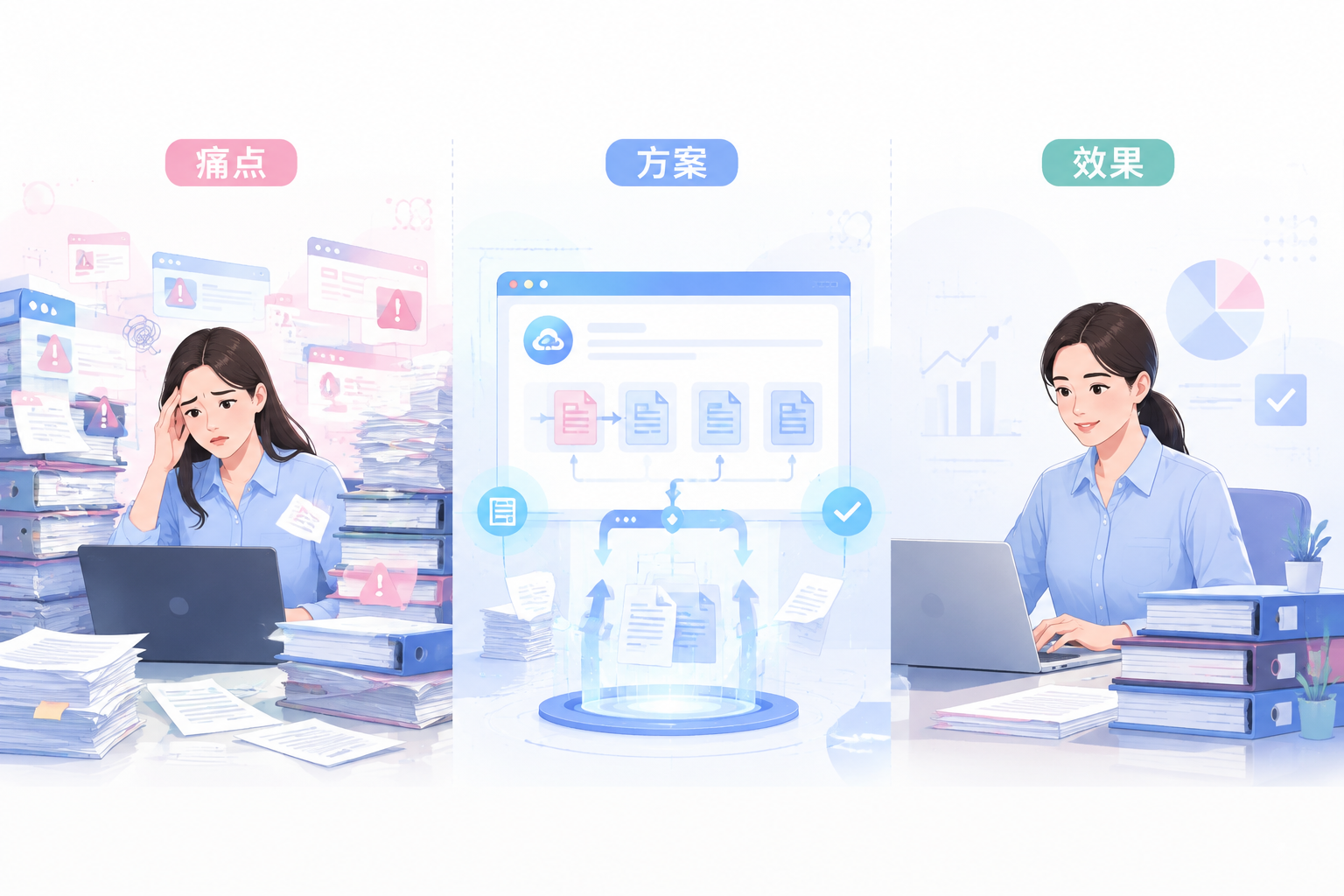
Individual suppliers, costs without invoices, hard-to-control risks—this is a common pain point for agricultural product procurement and renewable resource recycling enterprises. The reverse invoicing policy offers a way out, but cumbersome operations, hard-to-collect vouchers, and chaotic ledgers deter many enterprises. In fact, by combining policy logic with system tools, reverse invoicing can change from a "troublesome matter" into a "standard action." The Kailing Technology reverse invoicing system was born exactly for this.
"Reverse invoicing is not simply issuing an invoice in reverse, but a systematic project rooted in business authenticity and taking the five-flow integration ledger as its lifeline." |
▍1. Which scenarios exactly apply to reverse invoicing? What is the policy basis?
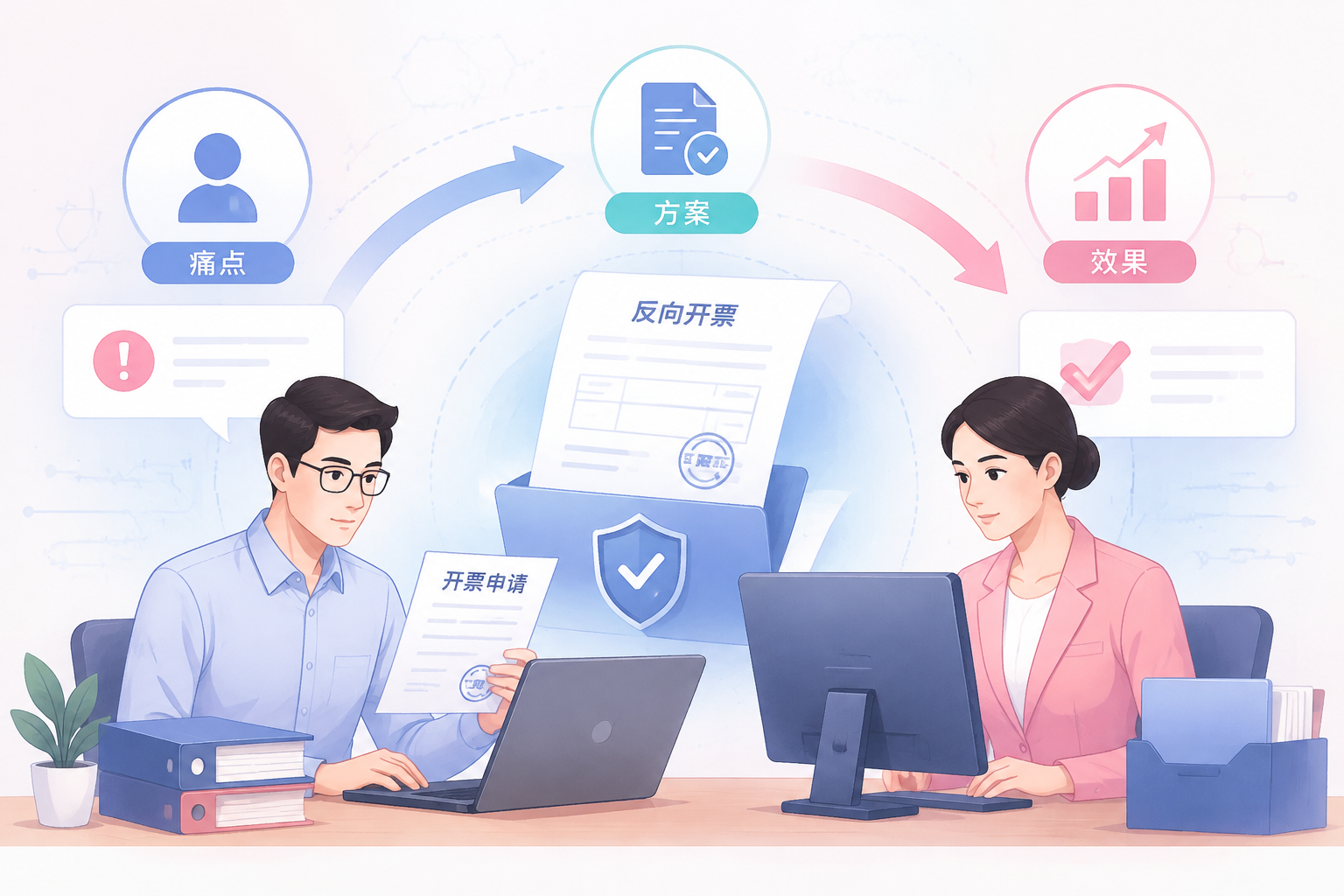
Reverse invoicing mainly targets two scenarios: first, renewable resource recycling enterprises purchasing scrap materials from individual sellers; second, agricultural product procurement enterprises purchasing self-produced agricultural products from farmers. The policy basis includes the Measures of the People's Republic of China for Invoice Administration and relevant State Taxation Administration announcements (such as No. 5 of 2024). The core logic is: the payer (enterprise) issues an invoice to the payee (individual), solving the difficulty of individuals being unable to issue invoices themselves. Enterprises need to pay attention to applicable entities, quota limits, and retained materials for inspection to ensure the business is authentic.
▍II. What are the key steps in the reverse invoicing operation process on the electronic tax bureau?
To operate reverse invoicing on the electronic tax bureau, the following steps are usually required: 1. The enterprise conducts reverse invoicing qualification recognition or filing; 2. Collect and verify the individual's identity information; 3. Enter acquisition business information, including goods name, quantity, amount, etc.; 4. Issue and deliver the invoice; 5. Save relevant vouchers. The process seems simple, but the difficulty lies in the fact that each transaction must correspond to a complete contract, weighbridge ticket, payment record, etc., and manual operations are highly prone to omissions. The Kailing Technology reverse invoicing system uses an "invoice upon acquisition" model to automatically bring business data into the invoicing process, reducing manual entry errors.
▍III. With many individual suppliers, how to ensure identity verification and quota management stay under control?
With many individual suppliers and high frequency, identity information changes and cumulative quota management are the biggest challenges. Kailing Technology's resource recycling reverse invoicing system supports identity verification when creating files for natural person sellers, updates the ledger with each transaction, automatically blocks inapplicable entities, and records quota usage. The system links the business primary key (such as the receiving order number) with vehicles, weighbridge tickets, warehousing, settlement, and payment to form "one invoice, one file." This way, even if the same person supplies multiple times, it can be clearly traced, avoiding the risk of over-quota invoicing or inapplicable entities.
▍IV. How to achieve a "five-flows-in-one ledger"? How is it implemented in Kailing's system?
The "five flows" refer to contract flow, goods flow, capital flow, invoice flow, and information flow. Kailing Technology's reverse invoicing system uses a goods receipt transaction as an index, bringing the natural person seller, vehicle, weighbridge ticket, warehousing, settlement, reverse invoicing, bank-enterprise payment, and all other items into the same archive. The system supports custom business primary keys to ensure one-to-one correspondence between invoices and original transactions. Finance personnel can access the complete materials corresponding to any invoice at any time, handling tax inspections with ease. At the same time, the system links with the electronic accounting archives module to realize archiving upon voucher scanning and archiving upon recognition, further consolidating the compliance foundation.
Keywords: reverse invoicing, agricultural product procurement, renewable resource recycling, five flows in one, invoice issuance for individuals, electronic tax bureau, Kailing Technology
As a comprehensive business-finance-tax digitalization solution service provider, Kailing Technology provides business-finance-tax management digital transformation products and operational services for various government agencies, institutions, and large, medium, and small enterprises. The product line includes: solutions for sales contract management system, procurement contract management system, fully digitalized Leqi interface project, automatic output invoicing system, reverse invoicing system, invoice issuance for individuals system, employee expense control and reimbursement system, input VAT invoice management system, supply chain collaborative reconciliation system, image AI OCR recognition system, automatic financial bookkeeping system, electronic accounting archives system, etc., comprehensively driving the digitalization process across various fields.
Consultation Hotline: 18513895936 / 010-60974119 Location: Beijing