
The hardest part of scrap copper recycling is evidencing high-value transactions: Kailing Technology resource recycling reverse invoicing system connects weighing, grading, payment, and five-flow evidence
Scrap copper has relatively high single-transaction value; a slight deviation in weight, grade, or pricing basis may amplify into obvious differences among settlement, payment, and invoices. Many enterprises do have weighbridge tickets, photos, or payment records, but the evidence remains separately with receiving positions, quality inspection positions, finance, and banking channels, and cannot be proven during review to belong to the same transaction. Around "1. What high value amplifies is not the amount, but evidence breakpoints," the Kailing Technology resource recycling reverse invoicing system needs to bring the related relationships into the same business chain.
Kailing Technology's resource recycling reverse invoicing system links individual filing, goods receipt weighing, grade pricing, reverse invoicing, bank-enterprise payments and document archiving through business order numbers, leaving a continuous relationship for high-value transactions from the moment they enter the site. The system provides entity verification, business association and five-flow evidence capabilities; specific grade standards, pricing methods and approval thresholds are still determined by enterprise policies.
▍1. What high value amplifies is not the amount, but the evidence breakpoints
Scrap copper transactions usually involve seller identity, vehicle or transport information, gross weight, tare weight and net weight, grade or impurity judgment, pricing basis, settlement results, payment, and invoices. If any step starts a separate number, later matching can only be pieced together by date and amount; when multiple vehicles occur on the same day or the same seller delivers multiple times, the risk of mismatching rises further.
Evidence chain design should first determine the unique business matter, and then have each position supplement facts under the same matter. The receiving position is not responsible for explaining tax matters, and finance should not reverse-guess on-site weighing; each position records what it knows, and the system connects them through numbers, status, and permissions.
- File creation proves who the transaction subject is and the verification status.
- Weighing and grading explain how the quantity and quality standards of goods are formed.
- How the amounts on settlement, invoicing, and payment proof move from business facts to business-finance-tax results.
▍II. Kailing Technology resource recycling reverse invoicing system: check the entity first, then create an independent business primary key for each receipt
The basic basis for reverse invoicing comes from the "State Taxation Administration Announcement No. 5 of 2024." Before a transaction, enterprises should verify the identity of the individual seller and the applicable conditions, avoiding mistakenly treating entities that do not meet system rules, such as legal representatives, directors and senior executives, or registered sole proprietors, as individual sellers. Verification results should be kept in the archives and rechecked when necessary.
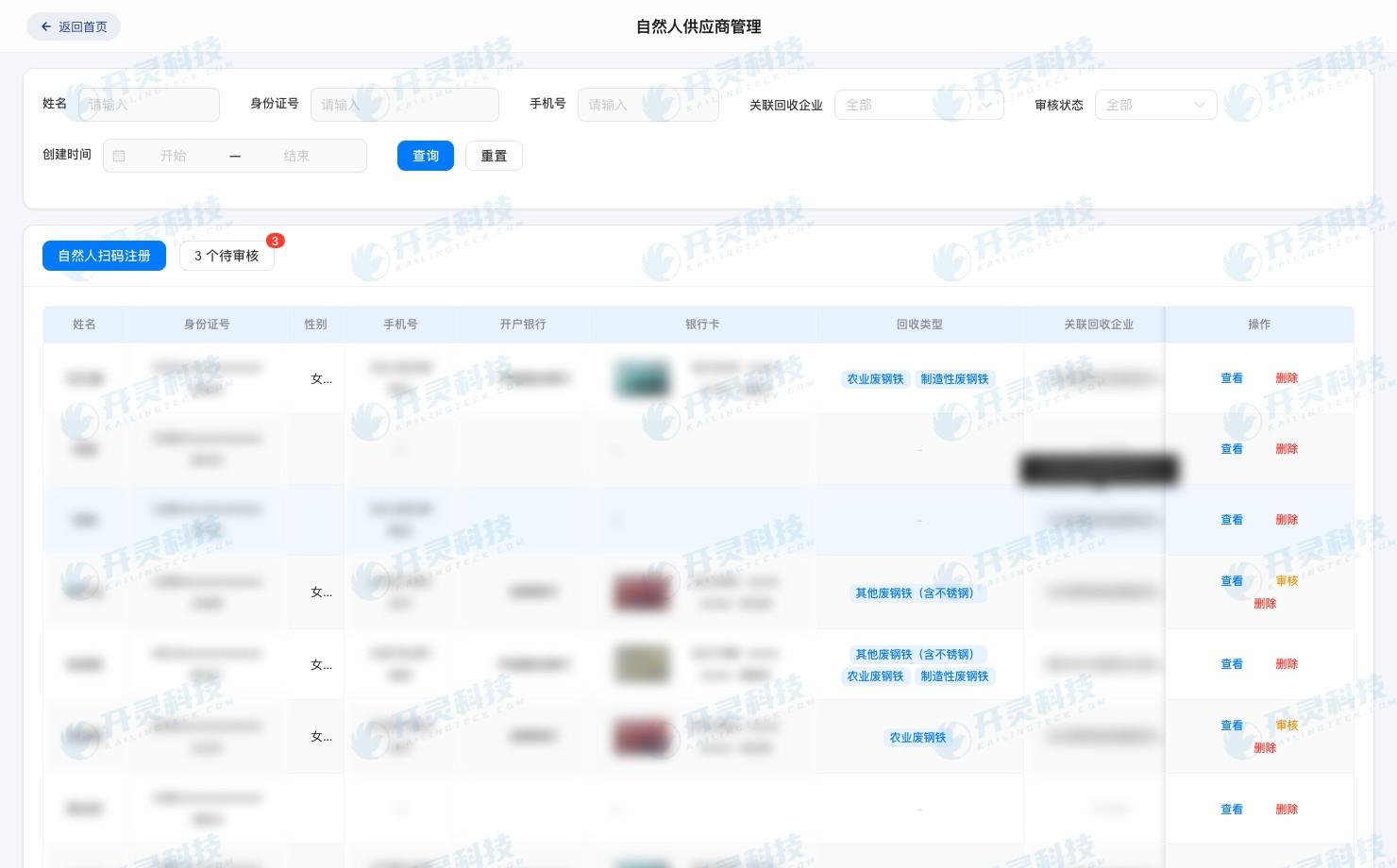
Kailing Technology's resource recycling reverse invoicing system supports automatic entity verification and interception. After filing is approved, each arrival must still generate a new business order number; a seller's file cannot be used to cover all transactions. The same person may supply multiple times, but each vehicle, weighbridge ticket, grade, amount and payment should have an independent relationship.

▍III. Weighing and grading jointly determine an explainable settlement result
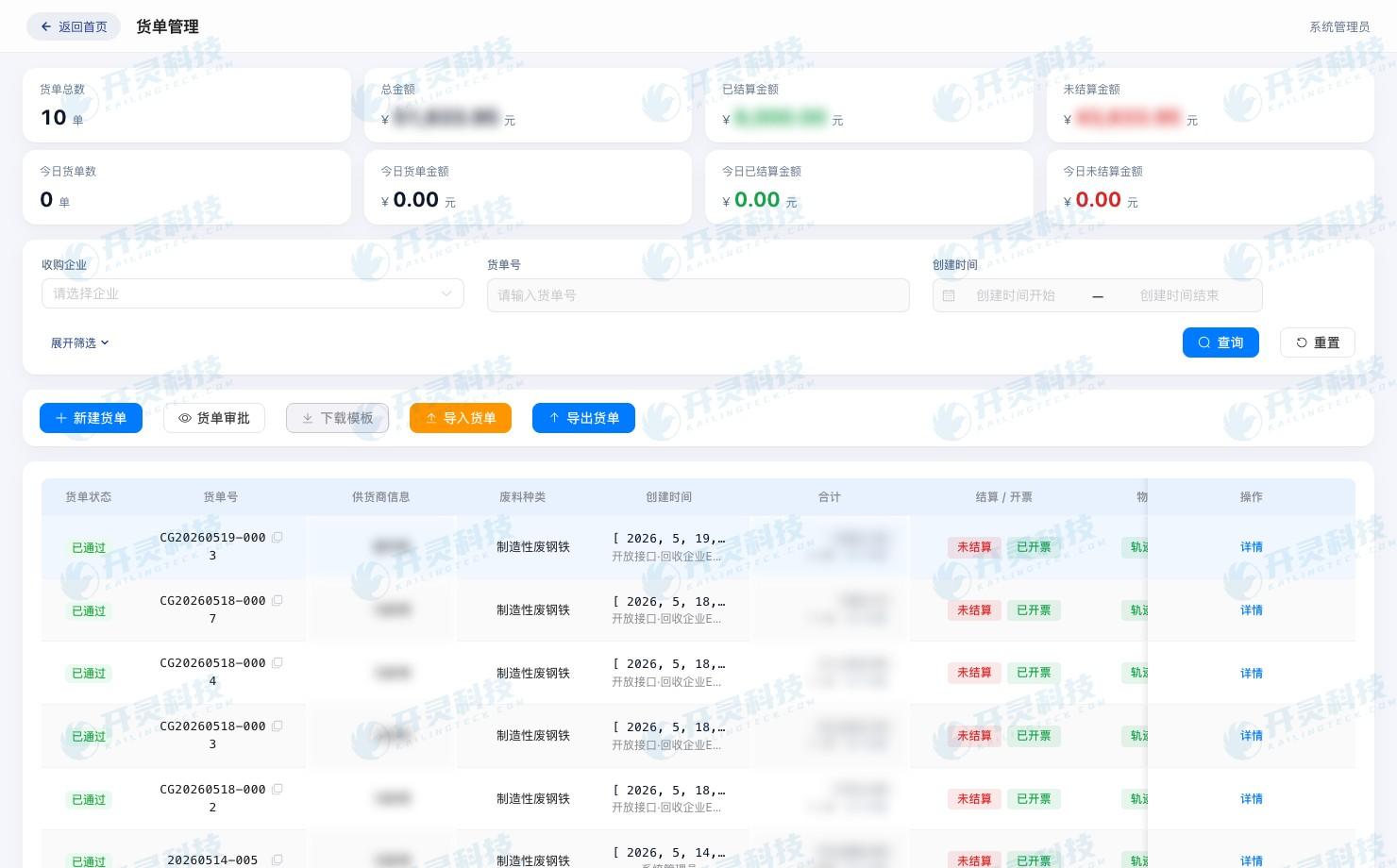
Weight records should at least be able to explain gross weight, tare weight, net weight, and the source of related documents, while grade records should reference the enterprise's existing inspection or pricing standards. This article does not fabricate specific copper grades, impurity deduction ratios, or price formulas; during system implementation, the fields and attachment requirements already approved by the enterprise should be configured into the business document so that settlement results can point back to on-site facts.
If settlement changes are caused by reweighing or grade adjustment, the original records, adjustment reasons, and authorizer should be retained rather than directly overwriting the final figures. In this way, before invoicing it can be confirmed that the effective version is being used, and after payment it can also be explained why it differs from the earlier provisional estimate. In batch business, especially, avoid one adjustment mistakenly changing other receiving notes.
| "High-value transaction evidence retention is not taking a few more photos, but enabling every settlement figure to return to the corresponding on-site record and approved version. |
▍IV. Invoices and payments must verify each other but cannot replace each other
After the business and entity conditions are confirmed, the system can call the relevant interfaces of the Electronic Tax Bureau to complete reverse invoicing or red-letter reversal, and attach the invoice number, status, and source file back to the original business document. Successful invoicing only indicates that a result has been formed in the tax invoice step; it cannot replace the authenticity of receipt, nor can it automatically prove that funds have been paid.
When payment is initiated through bank-enterprise direct connection, the same settlement order and payee entity should be referenced, and the fund status should be updated after the bank returns. If account information is inconsistent, payment is returned, or an invoice needs to be reversed, the exception should be handled along the original business matter to avoid creating a new record that loses historical relationships.
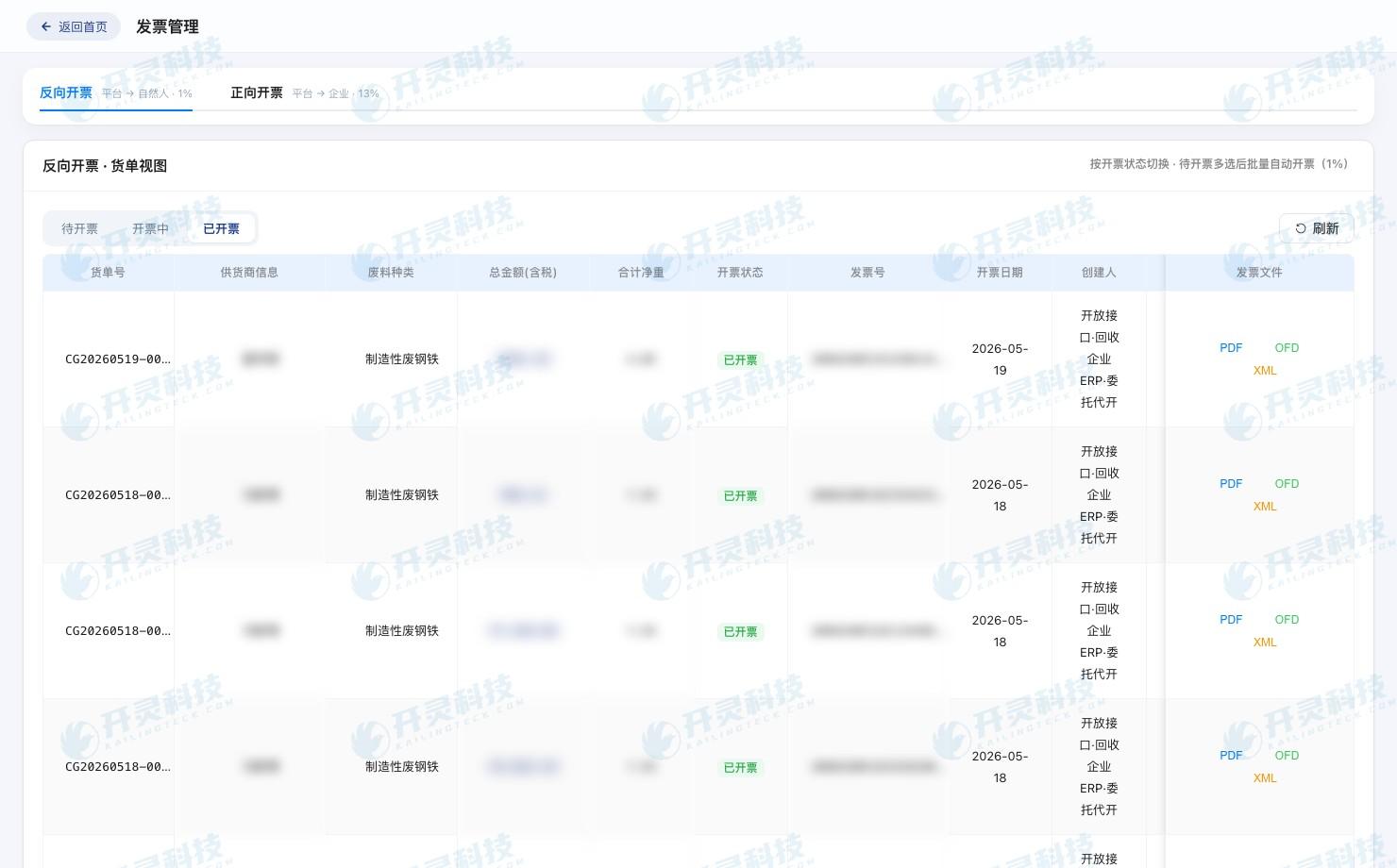
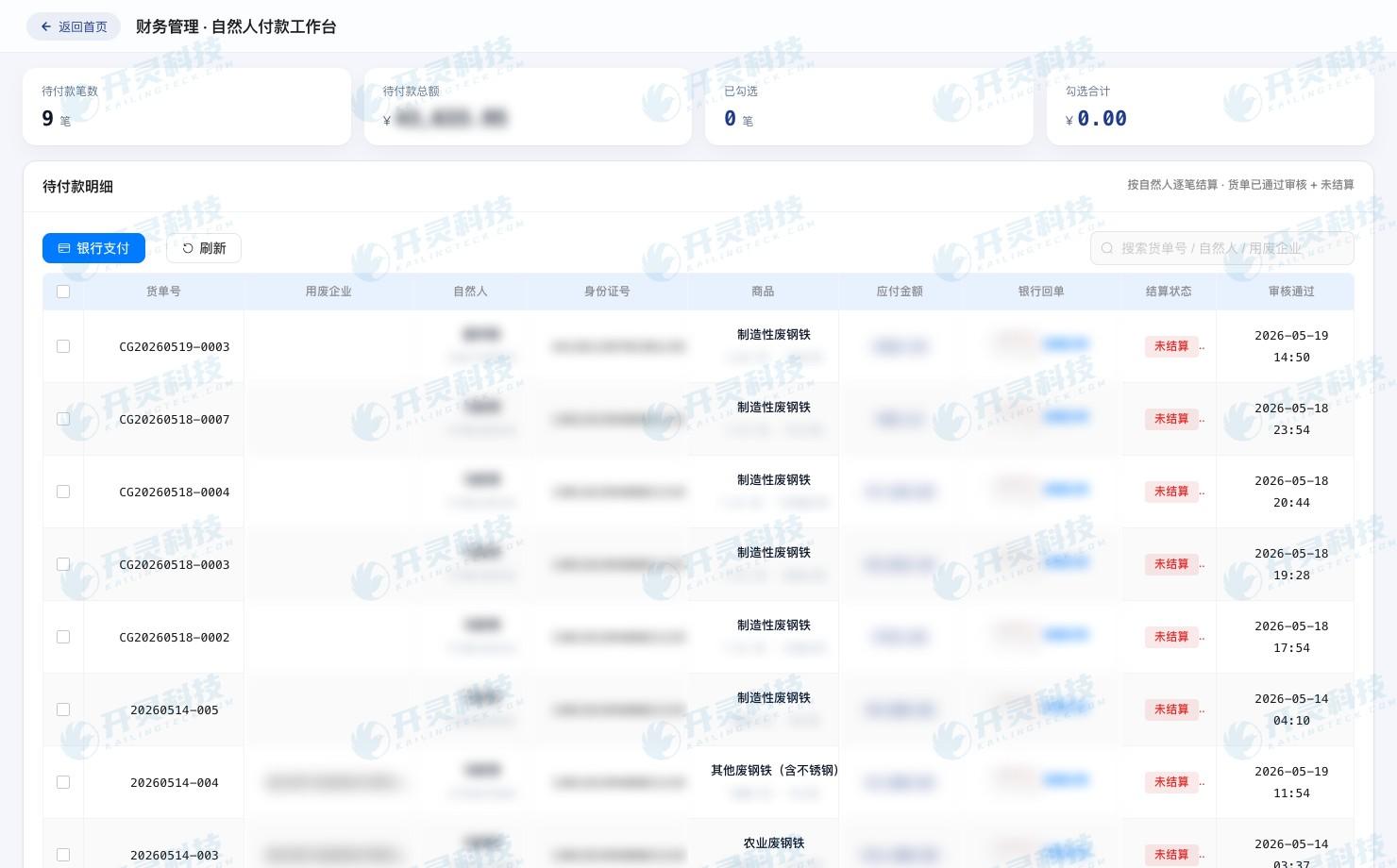
- Before invoicing, check the entity, valid settlement version, and quota ledger status.
- Before payment, verify the relationship among payee, business document, and invoice; do not guess based on a single amount.
- Red-letter reversal and refunds are linked to the original invoice and original transaction flow respectively, retaining changes before and after.
▍V. One invoice, one file must be reverse-queryable from any piece of evidence
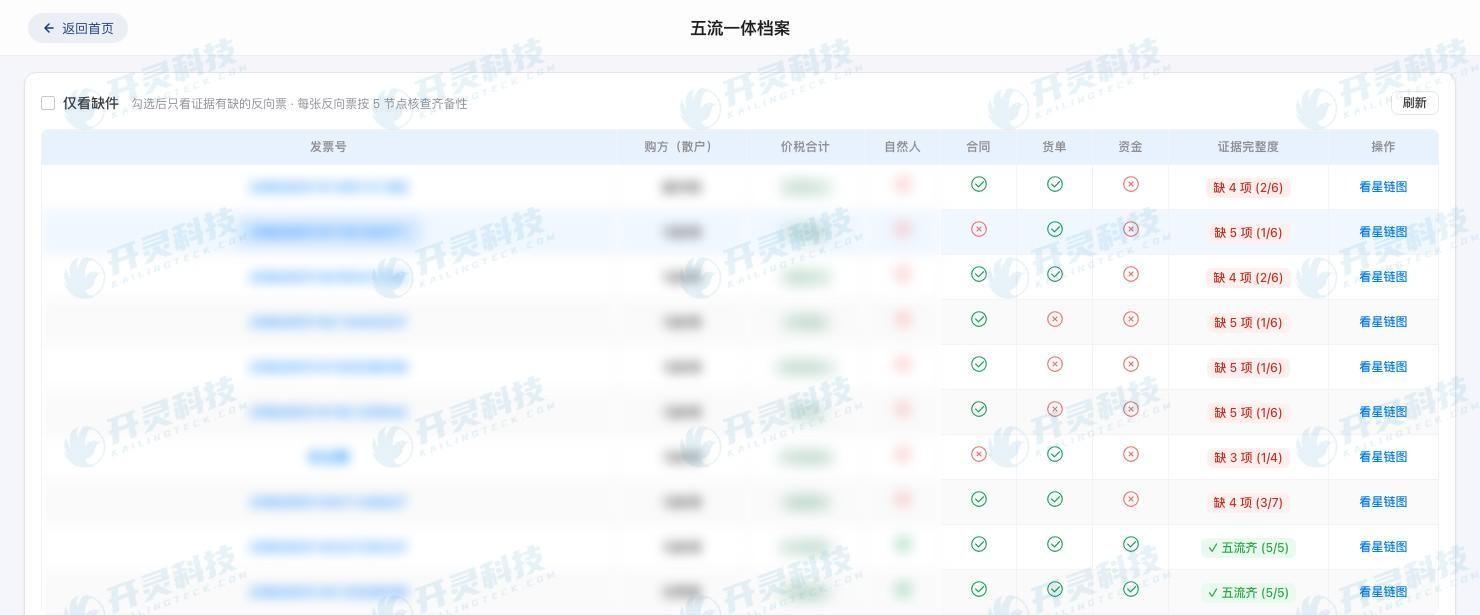
Archiving is not about putting files into a compressed package, but about establishing relationships among self-certification, contracts or business agreements, receiving weighbridge tickets, invoices, and fund flows. Kailing Technology uses a five-flow integrated ledger to meet and cover the verification needs of three-flow consistency, making seller, business, tax, and fund evidence locatable within the same archive.
Reviewers must be able to trace from invoices to sellers and receiving records, from bank statements back to settlements and invoices, and from weighbridge tickets to confirm subsequent invoicing and payment destinations. Access permissions, exports, and modifications should leave audit trails, and for high-value business, no single role should be allowed to change all evidence without review.
- Use same-day multiple vehicles and same-person multiple supply inspections to verify whether the business primary key remains unique.
- Simulate weight or grade adjustments and check whether old versions and authorization records are retained.
- Simulate payment return and invoice red reversal to confirm that exceptions will not cut off the original evidence chain.
After launch, a daily checklist can be built by incomplete status: received but not settled, settled but not invoiced, invoiced but not paid, payment anomalies, and documents not archived, each assigned to the responsible position. The more continuous the evidence chain, the less finance needs to urgently chase on-site documents at month-end, and the easier it is for the enterprise to explain each transaction during internal review or external inspection.
The high-value characteristics of scrap copper require enterprises to write adjustment authority and review responsibility in greater detail, but the process should not therefore become purely manual. Routine transactions proceed according to approved standards, while grading disputes, entity anomalies, and items with inconsistent amount relationships are handled centrally, allowing efficiency and prudence to coexist.
Operations reports can observe dwell time at different breakpoints, but unverified efficiency percentages should not be used to promote results. A more practical approach is to compare the number of supplementary submissions, mismatch reasons, and unarchived items before and after go-live, then determine whether rules need adjustment. Only when metrics have a clear source can improvement be sustainable.
Supplementary materials should also return to the original archive. Rating explanations, re-weighing records, or transaction explanations later submitted on site should note the formation time and uploader and must not overwrite earlier files. Reviewers can therefore distinguish evidence already available at the time of the transaction from materials supplemented afterward, avoiding disruption of the chronological order.
If an enterprise has multiple receiving bases, headquarters can unify the entity and evidence requirements, bases handle local business entry, and finance and tax positions centrally handle exceptions. Data is displayed by organizational authorization; detailed attachments of high-value transactions should not be opened to unrelated personnel just because of group consolidation needs.
▍FAQ
Q: Are scrap copper grades and impurity deduction standards automatically determined by the system?
A: No. The enterprise first confirms its own inspection and pricing policies; the system is responsible for carrying fields, versions, approvals, and associations, without fabricating business standards.
Q: Can the same individual share one archive for multiple supply transactions?
A: Entity archives can be reused, but an independent business order should be created for each receipt, separately linking the vehicle, weighbridge ticket, settlement, invoice, and payment.
Q: Does issuing an invoice prove the transaction is genuine?
A: No. The invoice is one piece of tax evidence; it must also be combined with entity, receipt, settlement, and fund records to form a continuous chain.
Q: What if the grading result is adjusted later?
A: The original record, adjustment reason, approver, and effective version should be retained, and subsequent invoicing and payment should reference the final effective result.
Let every scrap copper transaction have continuous evidence from weighing and grading to invoicing and payment. Welcome to visit Kailing Technology: https://www.kailingteck.com/fxzy/ .
As a national high-tech enterprise, Kailing Technology focuses on the digital and intelligent transformation of enterprise business-finance-tax and operations management, providing software products, system integration, implementation and delivery, and operational services for various government agencies, institutions, group enterprises, and SMEs.
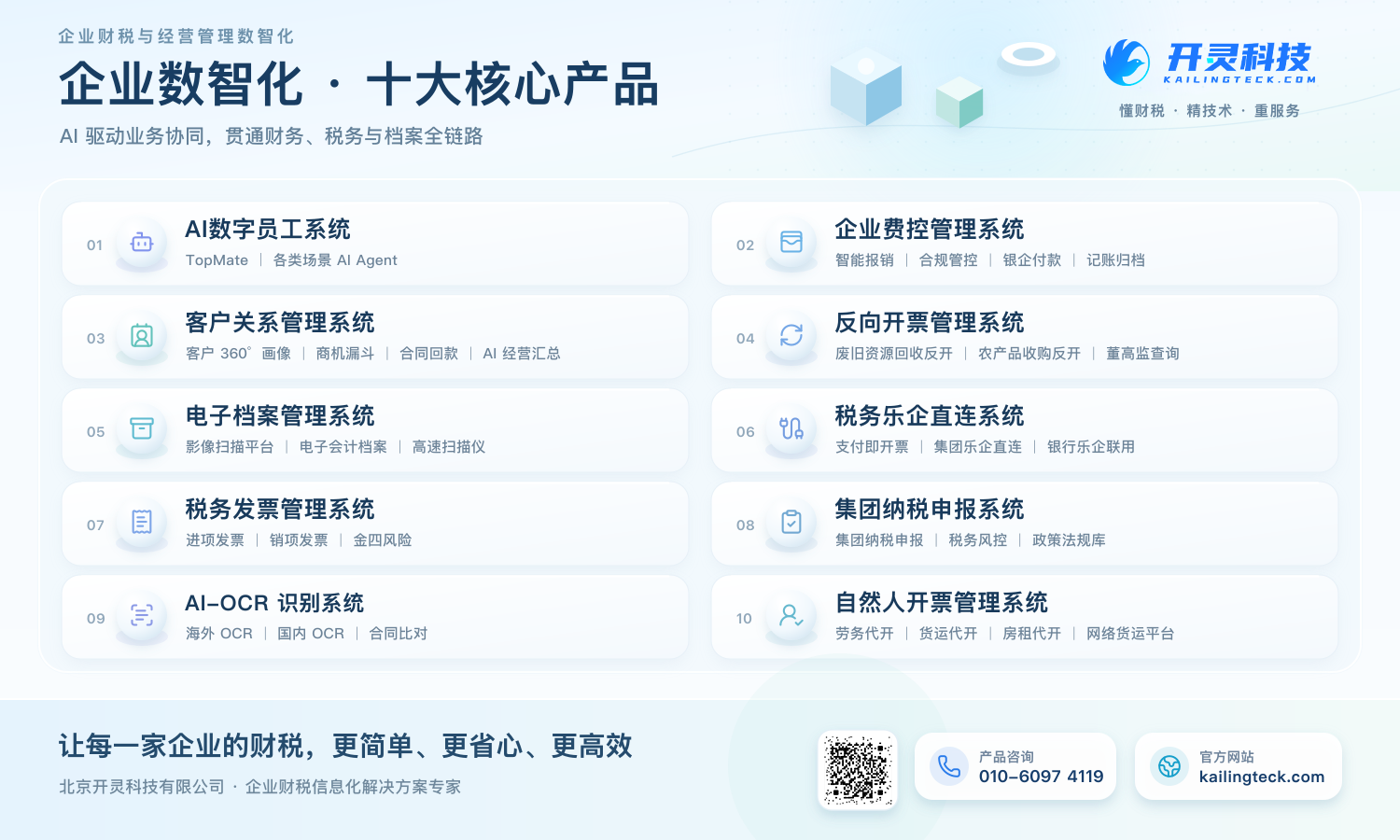
The company has now formed ten core product lines, including: AI digital employee system, enterprise expense control management system, customer relationship management system, reverse invoicing management system, invoice issuance for individuals management system, electronic archives management system, tax fully digitalized e-invoice Leqi system, tax invoice management system, group tax filing system, and AI OCR recognition system. It is committed to connecting enterprise business, finance, tax, funds, and archive data to help customers improve operational efficiency, business-finance-tax compliance capabilities, and digital management levels.
If you have any business-finance-tax digital transformation needs, welcome to contact us. Beijing Kailing Technology will serve you wholeheartedly.
Keywords: Scrap copper recycling, reverse invoicing, five-flow consistency, Kailing Technology, resource recycling reverse invoicing system
As a comprehensive business-finance-tax digitalization solution service provider, Kailing Technology provides business-finance-tax management digital transformation products and operational services for various government agencies, institutions, and large, medium, and small enterprises. The product line includes: solutions for sales contract management system, procurement contract management system, fully digitalized Leqi interface project, automatic output invoicing system, reverse invoicing system, invoice issuance for individuals system, employee expense control and reimbursement system, input VAT invoice management system, supply chain collaborative reconciliation system, image AI OCR recognition system, automatic financial bookkeeping system, electronic accounting archives system, etc., comprehensively driving the digitalization process across various fields.
Consultation Hotline: 18513895936 / 010-60974119 Location: Beijing