010-6097 4119Book a Demo


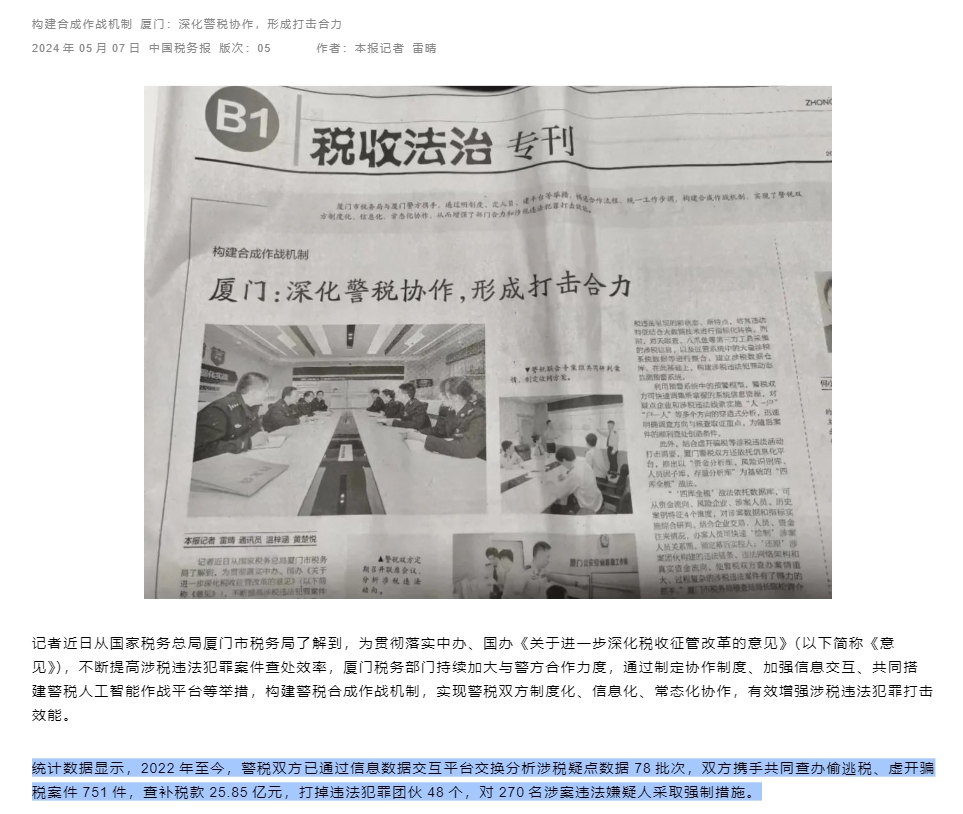
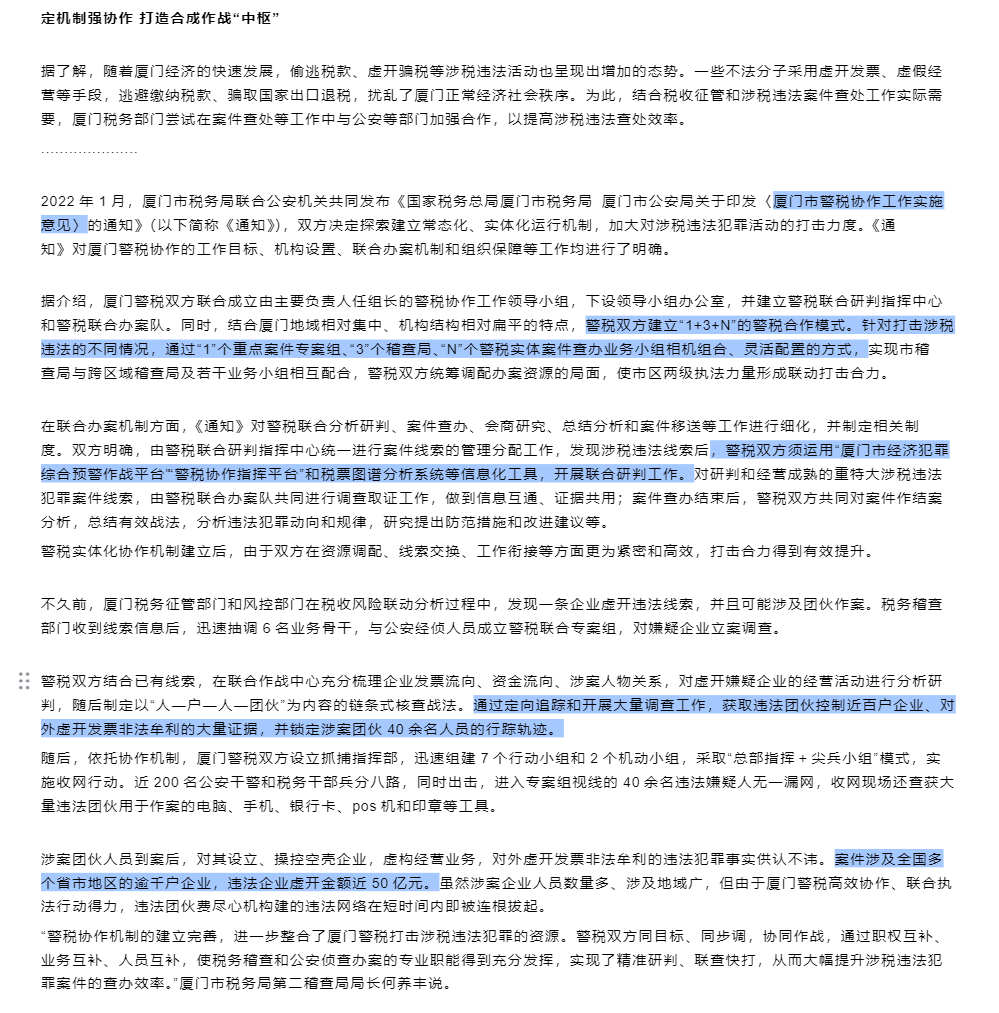
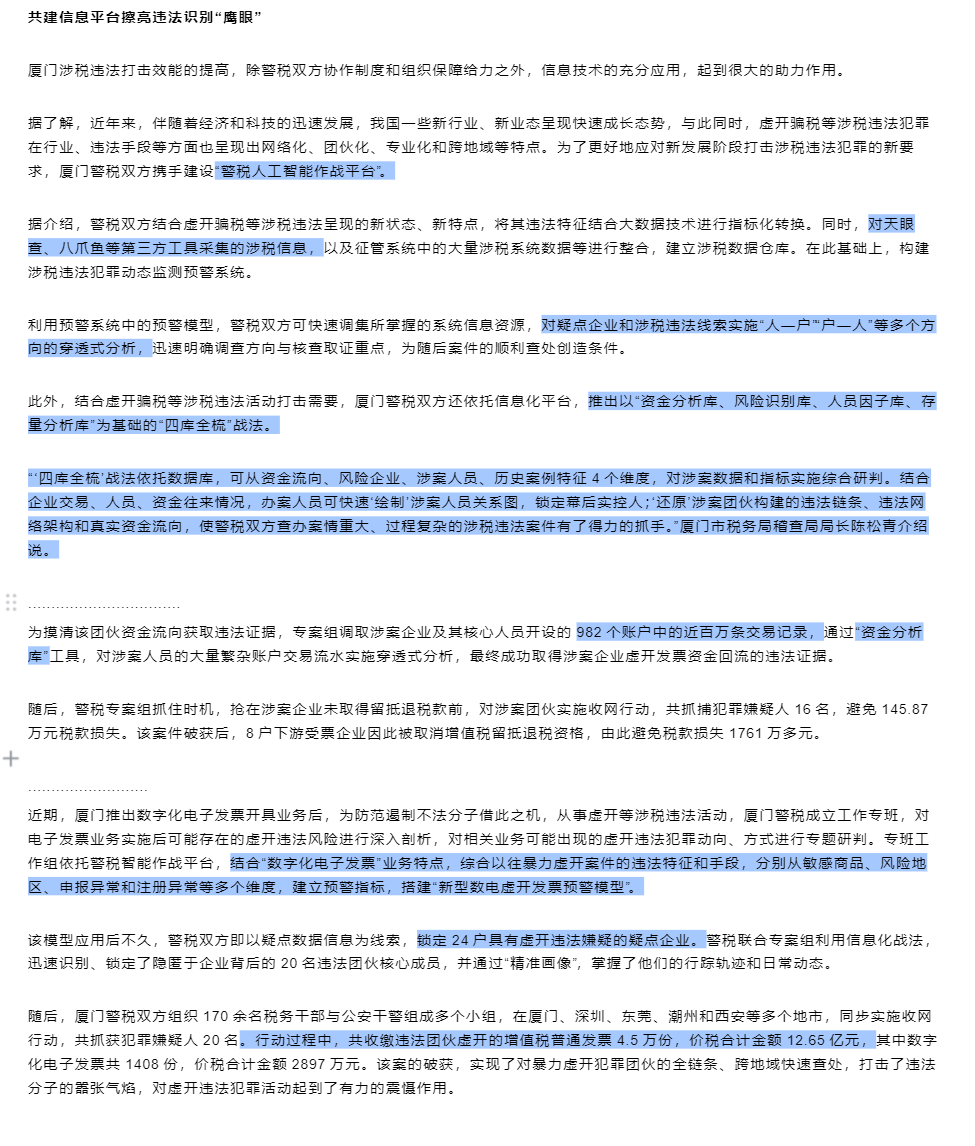
Strictest tax monitoring! A new early-warning model for fraudulent fully digitalized e-invoices has been built. How can enterprises ensure business-finance-tax compliance?Published: 2024-05-28 16:59 Latest tax supervision developments: a new early-warning model for fraudulent fully digitalized e-invoices has been built! Is the strictest tax monitoring coming in 2024? How do tax bureaus find enterprises? Under the new early warning system, enterprises must never touch these 10 red lines again! 01 The strictest tax monitoring has arrived! A new early-warning model for fraudulent fully digitalized e-invoices has been built!
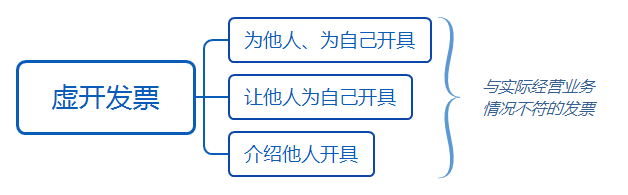
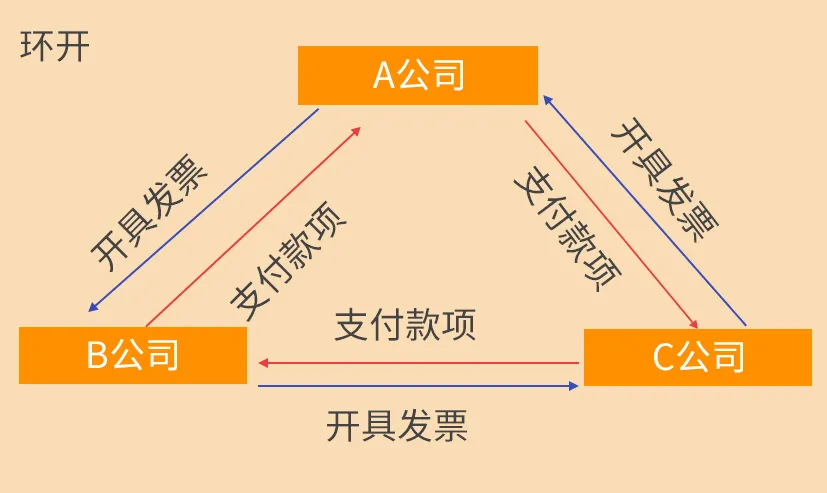
02 Starting from 2024, never touch these 10 red lines! How did the tax bureau find you? Check against the self-inspection list to see whether you have touchedthese 10 red lines? Red line one: false invoicing Among them, inconsistent with the actual operating situation:
1. No real transaction; 2. There is a real transaction, but the issued quantity or amount does not match; 3. An actual transaction was conducted, but someone else was asked to issue the invoice. Red line two: reciprocal and circular invoicing
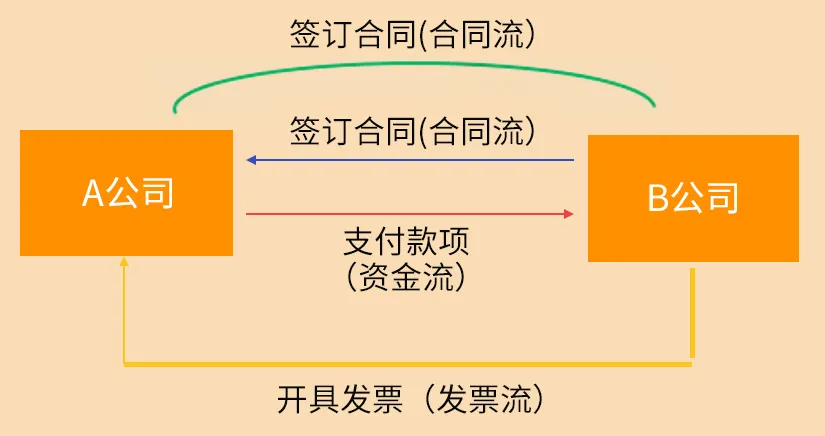
Although mutual invoicing and circular invoicing constitute closed-loop deduction, no tax was underpaid, nor was any loss caused to the state. Red line three: inconsistency of the three flows Consistency of three flows means the fund flow, invoice flow, and goods flow are unified; some also add the contract flow, which is consistency of four flows.
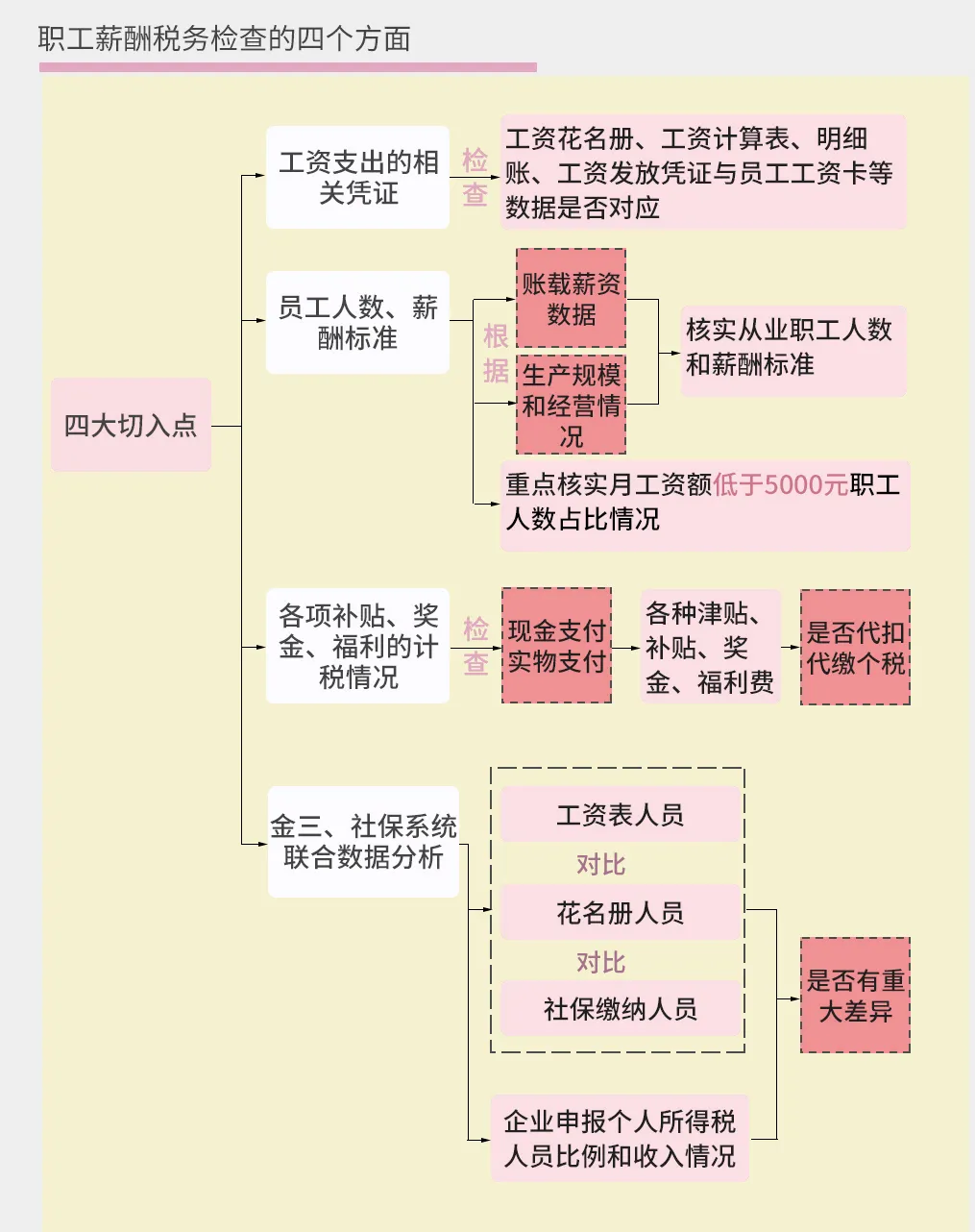
Red line four: concealing income through public-to-private and private-to-private transfers This year the central bank just released a pilot for large cash management, which undoubtedly also sends a signal that hiding income through private accounts is truly walking into a trap. 3 situations that will be subject to key supervision! 1. Cash transactions in any account exceeding 50,000. 2. Corporate account transfers exceeding RMB 2 million. 3. Private account transfers exceeding 200,000 (overseas) or 500,000 (domestic). 6 situations enterprises should be careful about! 1. A very small enterprise, yet it often generates tens of millions in transaction flows! 2. Abnormal fund transfers in and out, such as batch transfers in and concentrated transfers out, or concentrated transfers in and batch transfers out. 3. The business scope or operating business has no relevance to the flow of funds. 4. Short-term frequent and large-amount transfers from corporate accounts to individuals, or corporate accounts frequently receiving individual remittances unrelated to business in the short term. 5. Frequently opening and closing accounts, with large amounts of fund activity before account closure. 6. An account that has been idle for a long time is suddenly activated and has a large amount of fund activity. Red line five: buying invoices, falsely listing wages, and other inflated expenses Buying invoices is equivalent to false invoicing. This behavior not only requires input tax transfer-out and pre-tax adjustment, but also faces huge fines and late fees, and may even incur criminal penalties. Red line six: playing tricks on individual income tax In 2024, individual income tax is also a key focus of audits. With the continuous improvement of the individual income tax filing system, identity fraud and fabricated false wages are easily detected in audits.
Red line seven: neglecting minor taxes Many companies do not pay attention to minor taxes, believing that because the amounts are small they will not be regulated. Thinking this way is a serious mistake—minor taxes can also cause major risks. Red line eight: fraudulent export tax rebates In the current era of big data, information among multiple departments (taxation, customs, banks, etc.) is already shared, so it is no longer realistic to fraudulently obtain export tax refunds through previous methods. Red line nine: inventory book-physical inconsistency Invoice issuance implements full invoice face upload. Simply put, invoice issuance is not only about the invoice title and amount; even the product name, quantity, and unit price are subject to supervision. In other words, the company's purchases, sales, and inventory are all transparent. Red line ten: long-term zero filing Zero filing means the taxpayer or withholding agent has not had taxable behavior. "Long-term" is generally determined as half a year. 1、 What is zero filing?Zero filing means the enterprise has no taxable income during the period to which the tax filing belongs. This situation generally exists when no business has been carried out or when there is income in the current period that has not been truthfully filed as required. 2、 What is long-term?Usually, tax authorities regard more than half a year as long-term, though the specific time limit is still subject to the time recognized by the tax authorities of each province and city. 3、 Consequences of long-term "zero filing"(1) The tax authority will include the taxpayer in the key monitoring scope and conduct a tax assessment in accordance with relevant regulations. If, during the assessment, it is found that the taxpayer conceals income, issues false invoices, etc., it will require the taxpayer to pay the current tax and late fees, and may impose a fine in accordance with regulations; if the circumstances are serious, the case will be transferred to inspection; (2) If the taxpayer is an absconding taxpayer, it shall be included in the major dishonesty list and publicly announced as required; at the same time, the system shall be used to verify the "invoice recipient" to check whether there is bona fide acquisition of falsely issued VAT invoices, malicious collusion, etc., and investigate and handle according to regulations; at the same time, the absconding taxpayer shall be directly rated as a D taxpayer and bear the consequences of a D taxpayer; (3) For taxpayers that have long-term zero filings and hold invoices, reduce the invoice version and quantity. At the same time, taxpayers may be required to regularly go to the tax authority to verify invoice use as required; (4) Through verification, the tax authority may determine the taxpayer's income using the cost and expense formula in accordance with relevant regulations. In addition, if your enterprise qualifies as a high-tech enterprise or other tax-preferential enterprise, or has an abnormal tax burden rate, it will also receive special attention from the tax bureau. Finally, a word of advice to all bosses and accountants: be sure toSelf-check against the rules, do not touch the red line,Otherwise, the loss will definitely outweigh the gain, and you will regret it beyond remedy! 03 What are the consequences of falsely issuing invoices? I. Consequences of falsely issuing invoicesAccording to Article 37 of the Measures for the Administration of Invoices of the People's Republic of China, those who violate the provisions of Article 22, Paragraph 2 of these Measures by fraudulently issuing invoices ·If a crime is constituted, criminal liability shall be pursued according to law ·If the false invoicing amount exceeds 10,000 yuan, a fine of not less than 50,000 yuan but not more than 500,000 yuan shall also be imposed ·If the false invoicing amount is less than 10,000 yuan, a fine of up to 50,000 yuan may also be imposed ·Confiscation of illegal gains by the tax authority Falsely issuing invoices is a red line! Enterprises must never touch it! It not only involves tax law but may also violate criminal law: Whoever falsely issues special VAT invoices or falsely issues other invoices used to defraud export tax refunds or deduct taxes shall be sentenced to fixed-term imprisonment of not more than three years or criminal detention, and shall also be fined not less than 20,000 yuan but not more than 200,000 yuan; If the amount of falsely issued tax is relatively large or there are other serious circumstances, the offender shall be sentenced to fixed-term imprisonment of not less than three years but not more than ten years, and shall also be fined not less than 50,000 yuan but not more than 500,000 yuan; If the amount of falsely issued tax is huge or there are other especially serious circumstances, the offender shall be sentenced to fixed-term imprisonment of not less than ten years or life imprisonment, and shall also be fined not less than 50,000 yuan but not more than 500,000 yuan or have property confiscated……
II. What should you do if a transaction genuinely occurred but you received a fraudulent invoice?In the many cases of false invoicing we have observed, there are always many enterprises that are "innocently" caught. Their invoices were clearly obtained through legitimate channels, yet they are audited by tax authorities. For example, in the above case, a criminal gang issued 814 false invoices. If some enterprises had transactions that genuinely occurred but obtained falsely issued invoices, what should they do? Although the enterprise belongs to "good faith acquisition," in some cases input VAT cannot be deducted and pre-tax deduction cannot be made. 04 Under new alerts, this is how tax bureaus investigate enterprises! I."look at" enterprise revenueIf an enterprise underreports sales revenue, or conceals part of its sales revenue, China Golden Tax Phase III or China Golden Tax Phase IV will conduct comparative analysis through the following data 1. Compare your costs and expenses against yourWhether profit is negative; 2、Compare against the invoices you issued, the amount of payment received and the goods sold; 3. Through big data, query the relevant ledger data of downstream enterprises that transact with you, and compareWhether anomalies exist; 4. By comparing with the revenue of the same industry, audit whether there are abnormalities. II."observe" enterprise costs and expensesEnterprises should be careful if the following behaviors exist 1、Long-termWhen purchasing raw materials or goodsProvisionally estimated receipt into inventory; 2. Purchasing raw materials or goods without requesting invoices in order to get a lower price; 3. Expenses accrued but long delayedNo expense invoices. 4、 Abnormal expenses such as travel expenses, fuel costs, and conference feesIII."check" enterprise inventoryChina Golden Tax Phase III and China Golden Tax Phase IV,Enterprise inventory will become further transparent, how much goods an enterprise purchases, how much it ships, and how much remains may be clearer than you yourself know. If the inventory account does not match the actual situation, the enterprise must pay attention and promptly investigate the cause. Here enterprises are reminded to manage inventory well, keep good statistics on purchases, sales, and inventory, conduct regular inventory counts, and prepare account-physical difference analysis tables,Try to avoid inventory account-physical inconsistency. IV."monitor" enterprise bank accountsBanks, the Ministry of Industry and Information Technology, the State Taxation Administration, the State Administration for Market Regulation, and others have been incorporated into the enterprise information networked verification system, implementing information sharing and verification channels. Tax bureaus, banks, and other institutions can verify enterprise tax payment information and taxpayer business status through the system. Enterprises should be careful if the following abnormal situations exist-- 1. The enterprise's newly increased accounts receivable for the current period exceed 80% of revenue,Accounts receivable has been negative for a long time; 2. Current-period newly increased accounts payable greater than 80% of revenue; 3. Advance receipts decrease but are not recorded as revenue, and advance receipts account for more than 20% of sales revenue; 4. Newly added other receivables in the current period exceed 80% of sales revenue. V."calculate" enterprise tax payable1. VAT revenue exceeds enterprise income tax revenue for a long time; 2. Abnormal tax burden rate; Note that under the following circumstances, enterprises are very likely to be investigated. (1) The enterprise's tax burden differs from its own in different periods and from other companies in the same industry, with abnormal changes, being too high or too low. (2) The tax burden rate differs too greatly from the enterprise's invoicing situation and the situation of obtained expense invoices. (3) The enterprise's input change rate is far greater than the output tax amount change rate. (4) When changes in energy consumption such as water and electricity are not significant, the tax burden rate differs too greatly. 3. Most employees of the enterprise remain below the individual income tax threshold for a long time; 4. Inconsistency between the wages in employees' individual income tax filing forms and the wages declared by the enterprise, etc.; All of the above will become key focuses of the tax bureau. After identifying enterprises with abnormalities through data comparison, the tax authority generally issues a tax self-inspection notice requiring the enterprise to conduct self-inspection first. 05 Why does the tax bureau require enterprises to conduct self-inspection? For tax bureaus, self-inspection is an indispensable part of tax-related management of enterprises. In tax category management, tax inspections, industry tax management, "plugging leaks and increasing revenue," and other tax authority work arrangements, tax bureaus require enterprises to correct tax-related problems through tax-related self-inspection, regulate industry tax order, and also give enterprises an opportunity to fill gaps and remedy deficiencies. What industries will be required by the tax bureau to conduct self-inspection? Through comparison of various data and models, when the tax authority finds that an industry generally has serious tax "leakage and seepage" and that business operations in many links are not sufficiently standardized, with too many risk point prompts, it will require such industries to conduct self-inspection, with the aim of regulating the tax order of the entire industry. Examples include the construction industry, film and television industry, and e-commerce industry. There are also industries enjoying relatively large tax incentives. For example, enterprises enjoying software tax rebates and enterprises enjoying R&D expense super-deductions. The tax authority has determined the industries for self-inspection, which means it has grasped the operating characteristics of these industries, including upstream and downstream business chains, business circulation links, revenue realization forms, major cost and expense items, and the gross margin and profit levels of the industry over a certain period. Therefore, the tax authority already has a clear understanding of which links and forms are prone to tax-related issues, which enterprises can sense from the self-inspection outline they receive. Under general circumstances, after the enterprise completes self-inspection, the inspection bureau will review the enterprise's self-inspection situation and handle it by category based on the review: For problems found in enterprise self-inspection, only require tax repayment plus late fees, with lighter, reduced, or exempted penalties; For enterprises with inadequate self-inspection, perfunctory self-inspection, or major doubts, conduct interviews or strict on-site audits. 06How can enterprises respond to tax-related self-inspections? Save this solution quickly! After an enterprise receives a tax matter notice issued by the tax bureau, it can carry out work from the following aspects. First, carefully conduct self-inspection against the content of the self-inspection outline. The self-inspection outline is a general inspection outline summarized by tax authorities based on problems found in past inspections of related industries, and it provides guidance for each taxpayer's self-inspection. Enterprises can, according to the requirements of the tax self-inspection notice, carry out targeted self-inspection on the causes of abnormal enterprise indicators and carefully sort out the company's business situation and tax payment situation. For example: Financial aspects: Whether accounting accounts, bookkeeping vouchers, accounting books, etc. are systematically and comprehensively recorded and archived. Tax filing: whether taxes are filed and paid on time monthly and quarterly, whether there is deferred filing or deferred tax payment. Second, self-check and self-correct tax-related risk points. During the self-inspection period, enterprises should conduct a comprehensive self-inspection of all production and operation activities in strict accordance with tax law provisions. The self-inspection work should cover all tax types involved in the enterprise's production and operations. Refer as follows: 1、 VAT(1) Whether the input VAT invoice is authentic and lawful (2) Whether there are circumstances under which input VAT cannot be deducted (3) Whether there is a situation of failure to transfer out input VAT (4) Whether there are circumstances under which a special VAT invoice should not be issued (5) Whether revenue is recognized not in accordance with the time specified in the documents, deferring tax obligations (6) Whether there are deemed sales activities or situations where output VAT was not accrued as required 2、 Corporate Income Tax(1) Whether there is an issue of tax calculation not confirmed in accordance with the accrual basis principle (2) Whether there are issues of delayed recognition of taxable income or adjustment of enterprise profits (3) Whether there is an issue of failure to make tax adjustments (4) Whether costs and expenses have been falsely inflated 3、 Other taxesIndividual income tax: whether the obligation of withholding and remitting on behalf of all employees and in full amount is fulfilled in accordance with regulations; Property tax: whether ancillary facilities inseparable from the property are not included in the original value of the property for property tax payment; Urban land use tax: where there is a discrepancy between the actual land area and the land use certificate, whether land use tax is paid according to the actual land area; Stamp duty: whether the nature of the contract is confused, a lower tax rate is applied or the tax basis is arbitrarily reduced, tax is not calculated on the full stated amount, taxable documents are classified as non-taxable documents, and stamp duty is underpaid. Finally, submit the enterprise's self-inspection results report. Provide targeted explanations for abnormal indicators and note the enterprise's countermeasures. Actively communicate with tax bureau personnel to determine the tax supplement amount. Of course, you are welcome to contact Kailing Technology and useLingshuitong Smart Invoice Management Platform takes you away from risks at the source, achieving business-finance-tax compliance in one step! Source:Network Beijing Kailing Technology Co., Ltd.——an enterprise business-finance-tax digitalization solution service provider. Kailing Technology provides solutions for sales management systems, procurement management systems, output invoicing systems, input invoice collection systems, imaging management systems, financial posting systems, electronic accounting archives, fully digitalized e-invoice and Leqi interfaces and other businesses according to enterprise needs, professionally and efficiently helping enterprises transform and upgrade their business-finance-tax digital management. If you have any business-finance-tax digital transformation needs, welcome to contact us. Beijing Kailing Technology will serve you wholeheartedly.
|