010-6097 4119Book a Demo


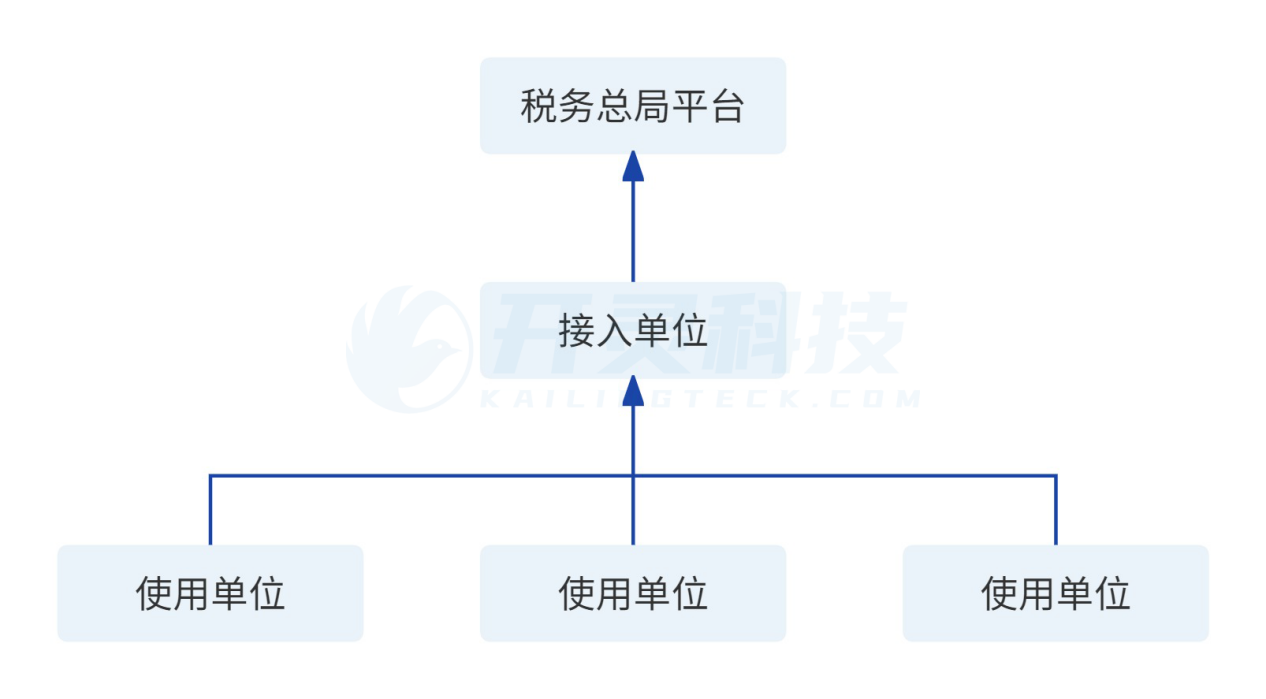
Comprehensive interpretation of the Leqi interface business modelPublished: 2024-03-04 13:39 Fully digitalized e-invoices (abbreviated as "fully digitalized e-invoices") have achieved comprehensive coverage, and the issuance of the "Guidelines on the Specifications for Leqi Self-use Direct Connection Services" has further enabled taxpayers to grasp more technical details around invoice applications under the China Golden Tax Phase IV system. Today we explain in detail the business model of the Leqi interface. 01 Leqi Interface Definition Leqi (Natural System) refers to the platform through which the State Taxation Administration provides eligible enterprises, via direct connection between the tax system and the enterprise's own information system, with tax-related services such as fully digitalized e-invoices under open rules and unified standards (hereinafter referred to as "Leqi Services"). an innovative model of "smart taxation". By opening business rules to compliant enterprises, building Leqi data models, and establishing a Leqi data system, it connects enterprises' own business systems, such as transaction and finance systems, with the tax bureau's information systems, gradually achieving government-enterprise data interconnection, opening up digital service capabilities, and creating in the public domain between tax authorities and enterprises a data interconnection channel centered on "fully digitalized" e-invoices, tax digital account middle-platform applications, enterprise-to-enterprise interconnection networks, and other data flow and sharing infrastructure, reducing enterprises' overall compliance costs, improving tax collection and administration efficiency, strengthening industry tax-enterprise integration, and forming a tax governance pattern of multi-party co-governance. Leqi is a service concept and service model, currently applied only in the fully digitalized e-invoice issuance scenario. Next, business application scenarios will be gradually expanded in accordance with the "Golden Tax Phase IV" pilot work arrangements. 02 Tax-enterprise direct connection·Determine the Access Units and User Units Access Entity Refers to taxpayers that apply to access the Leqi platform and pass tax authority review, such as group headquarters. User entity Refers to taxpayers invited by an access unit to access the Leqi platform and approved by the tax authority; the user unit only uses the access unit's Leqi capabilities and does not directly connect with the tax authority, such as group subsidiaries.
03 Leqi Interface·Application process Basic conditions that should be met 1. Already included in the pilot taxpayer scope for issuing fully digitalized e-invoices (hereinafter referred to as "fully digitalized e-invoices"); 2. Tax credit rating is Grade A or B; 3. The enterprise and the enterprises that simultaneously request to become its user entities had total operating revenue of more than 50 million yuan in the previous year; 4. The enterprise and enterprises that simultaneously request to become its user units must have a combined cumulative invoice issuance volume and invoice receipt volume of no less than 50,000 in the 12 months prior to the month of initiating the access request; 5. No major tax violations determined by tax authorities in the past three years; 6. Be able to provide relevant tax-related data in accordance with the law and the requirements of tax authorities, including but not limited to the identity information of the user entity, remuneration account information, operating income status, etc., as well as other tax-related data that need to be specially provided, such as goods flow, capital flow, and cash flow.
04 Leqi Interface·Capability Subscription The Capability Center Module is the module where taxpayers manage capabilities on the Leqi platform, providing functions related to capability subscription and capability authorization for taxpayers connected to Leqi. The Capability Center Module provides taxpayers with five functional modules: My Capabilities, Capability Application Management, Capabilities Authorized to Me, Capability Acceptance Management, and My Authorizations. -Capability Subscription Application In this function, taxpayers can click on a capability to view its details, apply for capabilities that have not yet been applied for, and also support taxpayers in selecting capabilities in batches to initiate batch capability applications.
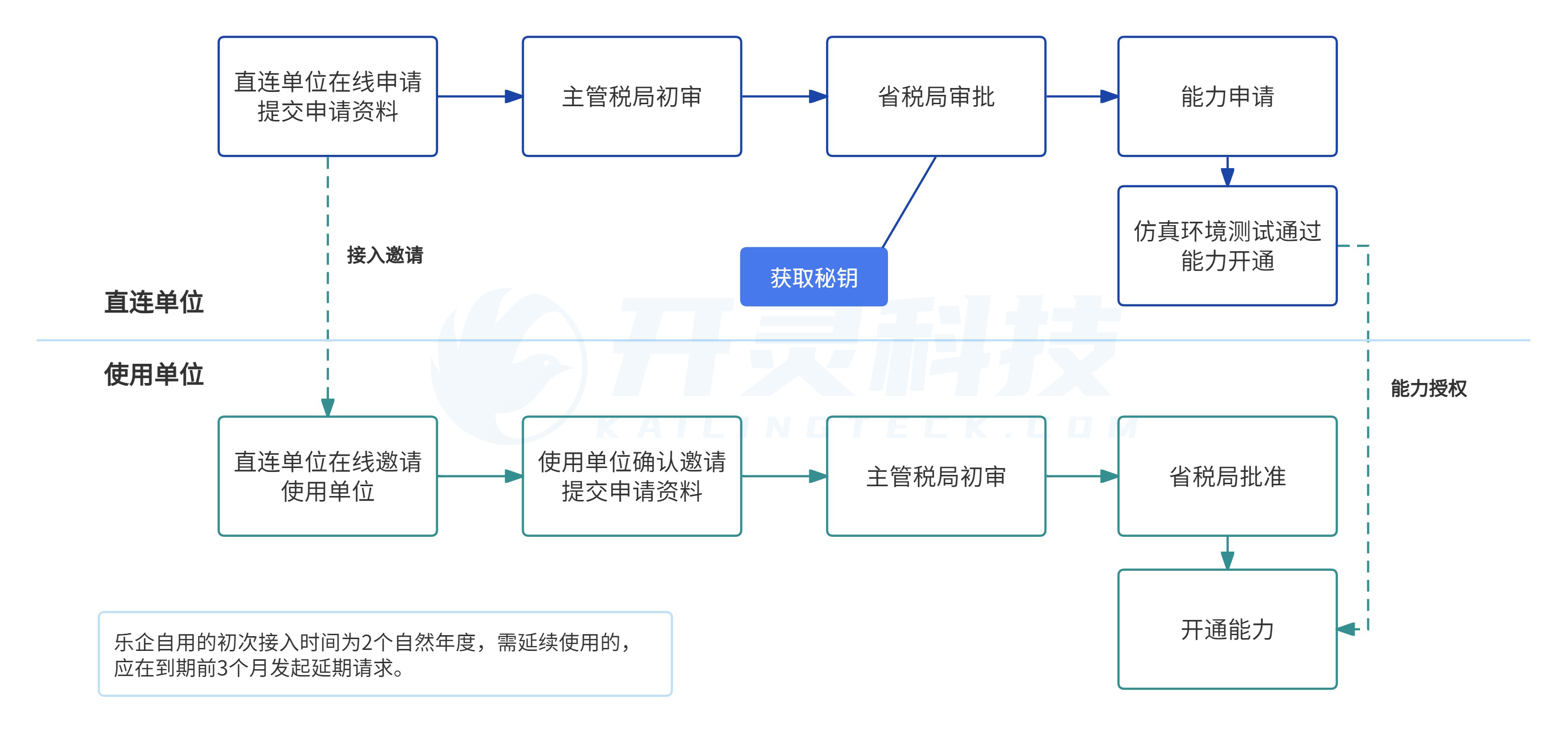
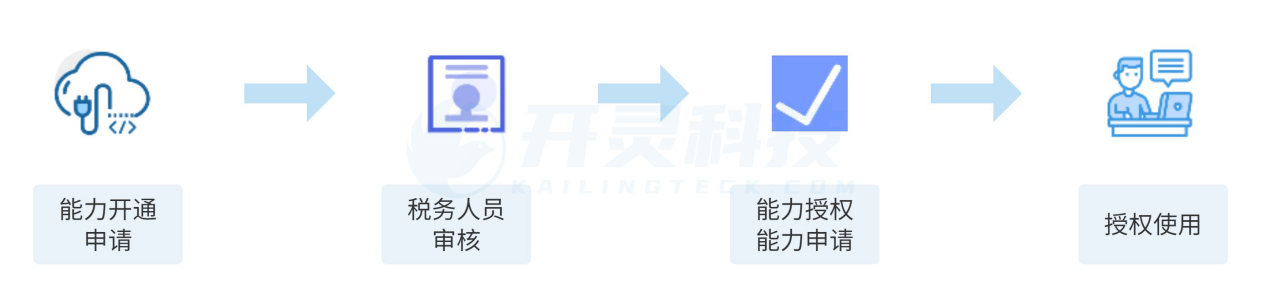
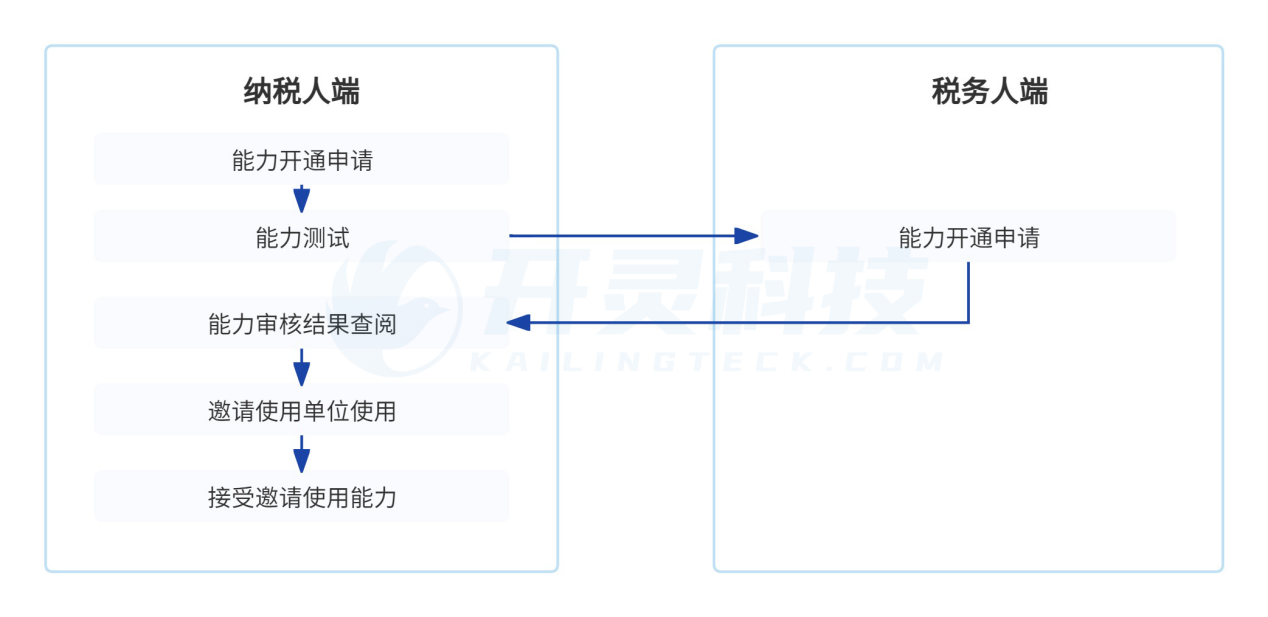
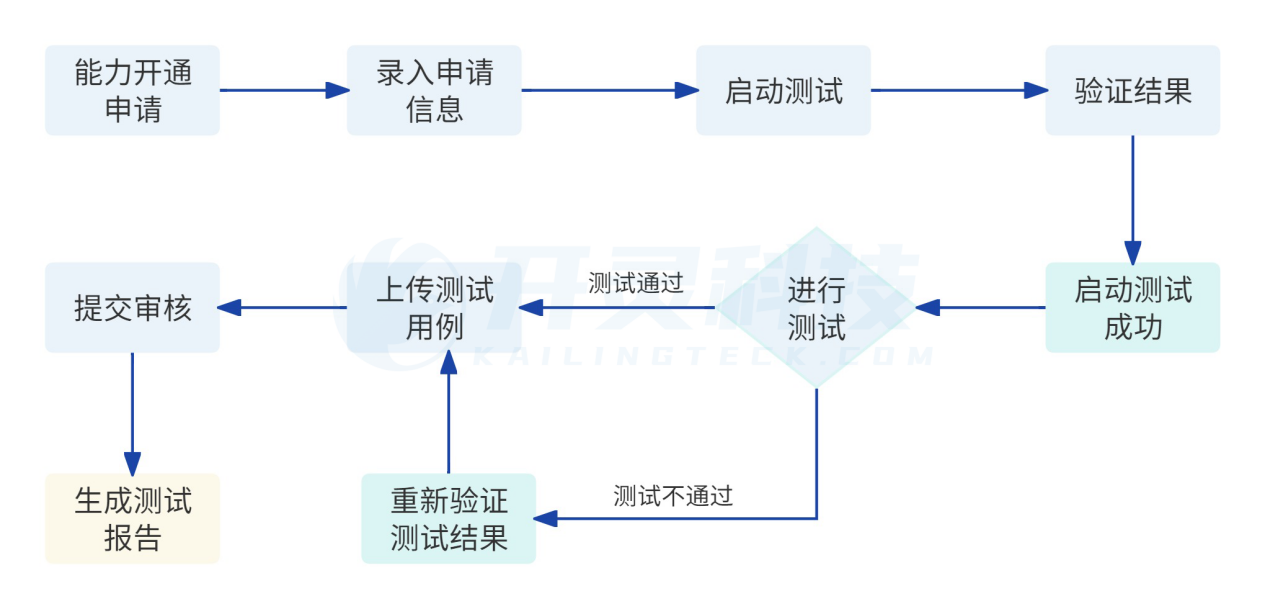
-Capability Center Module The Capability Center Module is the module where taxpayers manage capabilities on the Leqi platform, providing functions related to capability subscription and capability authorization for taxpayers connected to Leqi. The Capability Center Module provides taxpayers with five functional modules: My Capabilities, Capability Application Management, Capabilities Authorized to Me, Capability Acceptance Management, and My Authorizations. -Application and authorized use capabilities 1. Access units that have already applied for and been granted access to Leqi shall subscribe to the required capabilities and apply for capability activation. 2. The accessing unit conducts simulation testing on the subscription application capability, and submits it for review after successful testing. 3. The tax authority reviews the capability activation application of the accessing unit. 4. After the access query capability review is passed, user units can be invited to use the corresponding capability. 5. After the user unit accepts the capability usage invitation, it can use the corresponding capability.
05 Leqi Services·Provided interface
06 Leqi·Simulation test system To lower the threshold for testing and integration for accessing units, Leqi provides an independent simulation testing system. The simulation system is completely independent from the production environment, including the storage layer. All business conducted by accessing units in the simulation system (such as invoicing, invoice use, etc.) is tested in the simulation environment. The API protocol of the simulation system is exactly the same as the official API. Developers only need to add a sandbox path to the official API call URL to connect to the simulation testing system.
07 Leqi·Opportunities brought to enterprises When an enterprise is included in Leqi Direct Connection, it can achieve data-driven delivery of key business, financial, and tax information through digital invoices, running through the entire process of invoice issuance, management, receipt, storage, and use. Through Leqi, enterprises can achieve comprehensive head-office-to-head-office direct tax-enterprise connection, enabling digital control and collaborative application of group invoice and tax filing. In the future, as the State Taxation Administration continuously opens direct filing and risk warning capabilities on the Leqi platform, it will comprehensively advance the group's tax digital transformation. ·Leqi realizes full-process online and automated electronic draft handling, including issuance, endorsement, discounting, and payment, greatly improving enterprise transaction efficiency and benefits. ·Leqi adopts end-to-end encryption technology to ensure user data security, and has professional technical monitoring and risk control systems to ensure the security and reliability of the transaction process。 ·Provide an accurate, standardized, and unified data foundation for comprehensive tax compliance management, and improve the level of digital tax management and analysis.。 ·Provide assurance for fully realizing paperless storage of accounting archives, and truly improve the management and utilization capabilities of financial archives.。 ·Leqi can provide personalized customization for the needs of different enterprises, helping enterprises achieve business innovations such as independent pricing, flexible supply chain management, and shared financial services. 08 Apply Leqi·Challenges enterprises face From the domestic environment perspective, the new tax collection and administration reform concept of "tax governance by data" starting from China Golden Tax Phase IV has brought new requirements, new opportunities, and new challenges to the development of tax management for large enterprises. Under the influence of the external environment, large enterprises usually face the following four major challenges in tax management: 1.The complex management structure across the entire group weakens headquarters' management and risk control capabilities over branches and subsidiaries. 2.When business-finance-tax processes are not integrated, tax process transformation lags behind business development. Especially against the backdrop of rapid external changes and a constant stream of new policies, tax teams cannot participate in important business decisions in a timely manner or provide useful advice from a tax perspective. 3.Insufficient tax informatization capabilities and data silos between information and business systems in various scenarios restrict the improvement of tax management. 4.Lack of relevant funding, technology, or personnel support, making tax management improvement and transformation difficult, etc. Beijing Kailing Technology Co., Ltd.——an enterprise business-finance-tax digitalization solution service provider. Kailing Technology provides solutions for sales management systems, procurement management systems, output invoicing systems, input invoice collection systems, imaging management systems, financial posting systems, electronic accounting archives, fully digitalized e-invoice and Leqi interfaces and other businesses according to enterprise needs, professionally and efficiently helping enterprises transform and upgrade their business-finance-tax digital management. If you have any business-finance-tax digital transformation needs, welcome to contact us. Beijing Kailing Technology will serve you wholeheartedly.
|