
← Back to case list
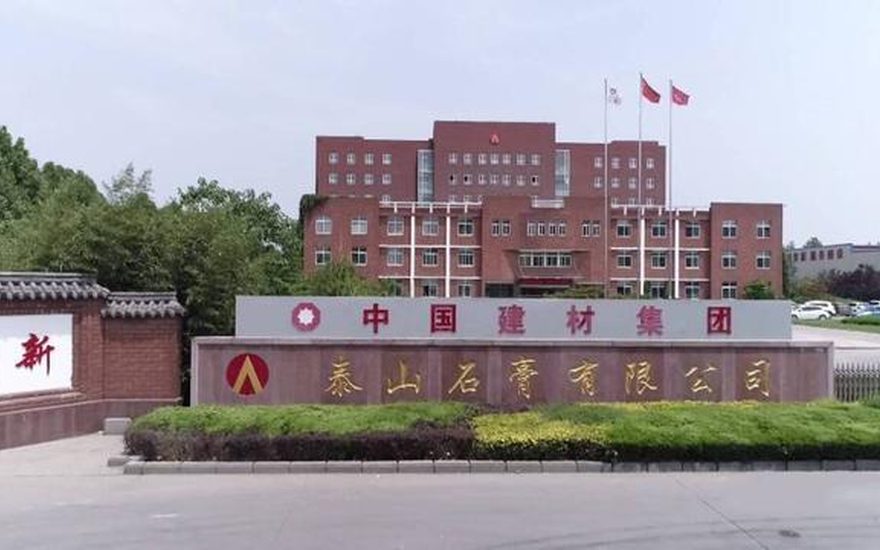
Taishan Gypsum · Leading enterprise in China's gypsum board industry
Taishan Gypsum | Reverse Invoicing for Upstream Individual Supplier Purchases
Three-document verificationCompliance mechanisms
System constructionDelivery form
Enterprise overview
Taishan Gypsum Co., Ltd. is headquartered at the foot of Mount Tai and was founded in 1971. It has long focused on the production and R&D of gypsum building materials and is now an enterprise under BNBM. The company has 56 production bases nationwide. Its main products include paper-faced gypsum board, light steel keel, decorative board, and lightweight gypsum plaster. Its domestic gypsum board market share exceeds 50%, annual sales revenue exceeds 10 billion yuan, and its gypsum board production capacity ranks first in the world.
Business pain points
- Procurement in the manufacturing stage is spread across raw materials, parts, molds and tooling, equipment spare parts, outsourced processing, and logistics. Suppliers include both large manufacturers with long-term agreements and small and micro suppliers providing temporary replenishment, with varying invoice types and arrival rhythms. In the acquisition stage, sellers are mainly natural persons and sole proprietors, who neither have invoicing qualifications nor are willing to apply to the tax bureau for invoice issuance, and procurement expenditures have long been completed in cash or via private account transfers. Expenditures without invoices can neither be listed as costs nor allow the fund flow, invoice flow, and business flow to reconcile.
- Inaccurate financial accounting often results from inadequate communication, and once required to prove business authenticity, there is no verifiable complete chain. Costs cannot be fully deducted, directly pushing up the overall tax burden
- Manually re-entered documents easily fail to match actual transactions, and account-reality discrepancies must be traced back one by one. This industry is a key tax focus area; abnormal invoices and inconsistency among the three flows directly trigger audit risk, and the industry as a whole is transitioning toward standardization and transparency.
Solutions
- The purchaser issues invoices to natural-person sellers in accordance with the national reverse invoicing policy; sellers complete real-name and face verification by scanning with their ID cards, with no need to visit the tax bureau in person throughout the process
- Before invoicing, automatically compare weighbridge tickets, purchase orders, and payment records. Only when the three documents match is invoicing allowed, ensuring transaction authenticity by mechanism
- Invoices are automatically linked and archived with weighing data, settlement statements, and bank transaction records, forming a transaction evidence chain that can be retrieved at any time
- Ultimately achieving the integration of the three flows—fund flow, invoice flow, and business flow—so that procurement expenditures can be properly expensed and industry tax-related risks are significantly reduced
- At the same time, seller profiles and transaction history are accumulated, providing data support for long-term cooperative relationships and supply stability