
Difficult invoicing in renewable resource recycling? Compliant input acquisition through reverse invoicing
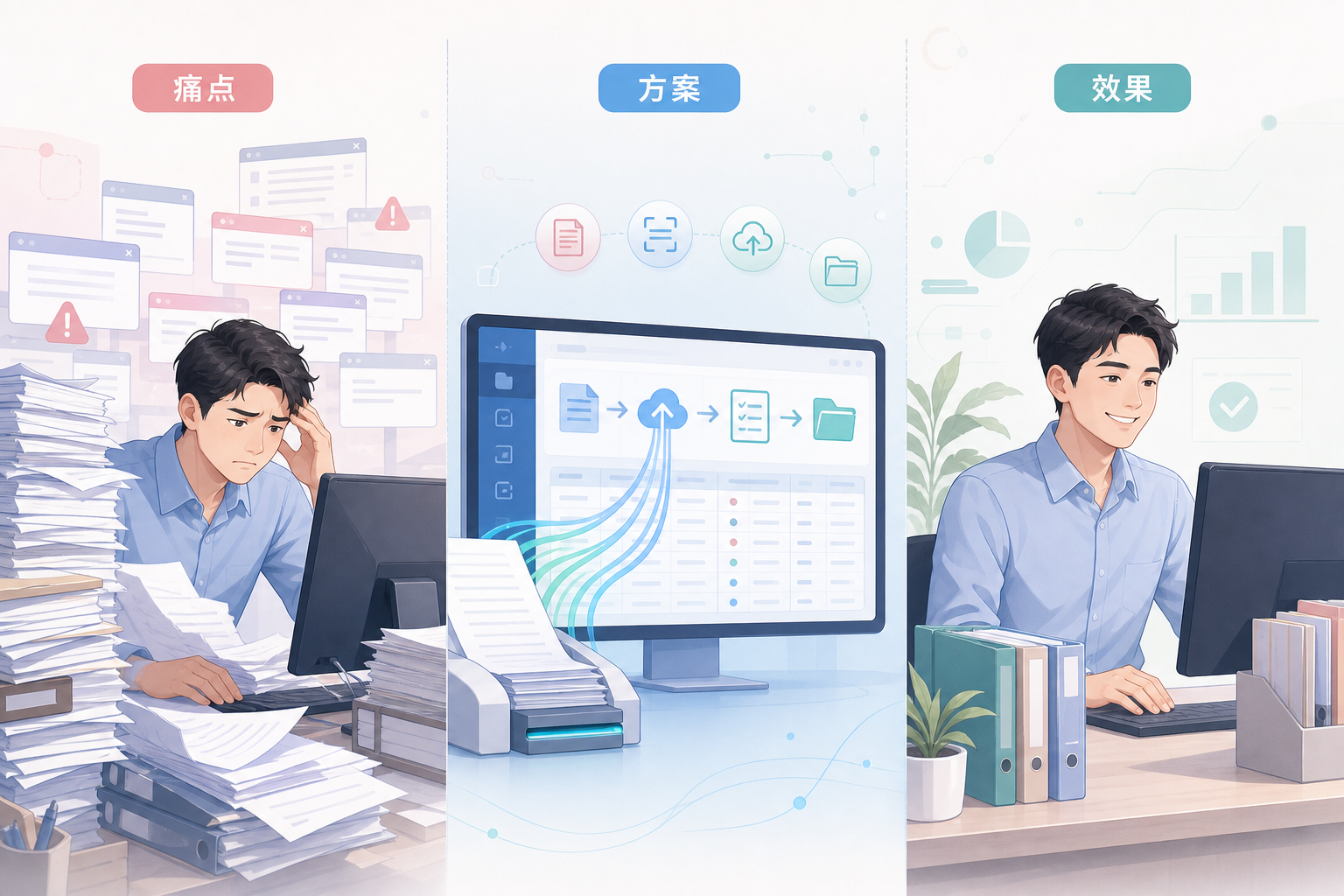
Renewable resource recycling enterprises often cannot obtain input VAT invoices because they purchase from individual sellers, resulting in inflated profits and heavy tax burdens. Once investigated, back taxes and fines make matters worse. In fact, the state has long allowed compliant enterprises to conduct "reverse invoicing"—the acquirer issues VAT invoices on behalf of individual sellers, thereby obtaining input VAT deduction. The Kailing Technology reverse invoicing system, combined with a five-flow integrated ledger, makes every transaction traceable and easily resolves the invoice shortage problem.
| "Reverse invoicing is not exploiting loopholes, but a compliant burden-reduction tool given by the state to enterprises." |
▍1. What is reverse invoicing? Why is it needed for renewable resource recycling?
Reverse invoicing means that when an enterprise purchases goods from natural persons (such as individual sellers or farmers), the enterprise, as the invoicing party, issues a VAT invoice to the individual. According to the Interim Regulations on Value-Added Tax and announcements by the Ministry of Finance and the State Taxation Administration, qualifying renewable resource recycling enterprises may apply the reverse invoicing policy to bring individual sellers' scrap sales into invoice management. In this way, enterprises can compliantly obtain input VAT invoices for deducting output tax and reducing their actual tax burden. At the same time, reverse invoicing requires enterprises to retain evidence of transaction authenticity to avoid false invoicing risks.
▍II. Five-flows-in-one ledger: how to ensure reverse invoicing compliance?
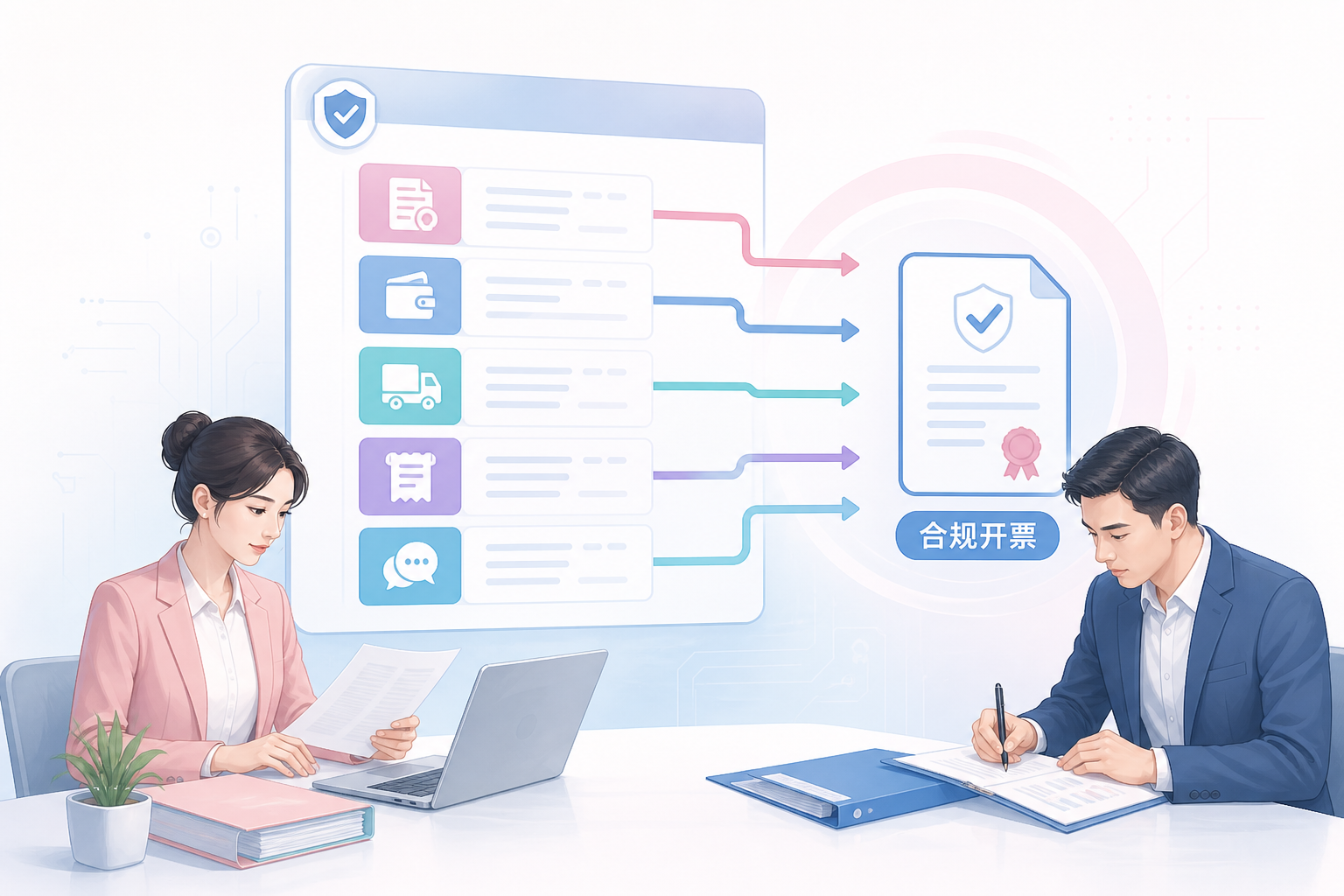
The Kailing Technology Reverse Invoicing system has a built-in "five-flow integration ledger" that automatically collects contract flow, fund flow, logistics, invoice flow, and information flow. For every purchase, from weighbridge weighing and payment vouchers to invoice issuance, the system automatically associates and generates an electronic ledger. Finance staff only need to upload basic documents, and the system automatically verifies consistency. For example, in scrap steel recycling, the individual's ID card, weighbridge ticket, bank transfer record, and invoice amount must match. Once an anomaly is found, the system automatically issues a warning, helping enterprises avoid audit risks. This fully complies with the State Taxation Administration's requirements for authenticity management of "reverse invoicing" business.
▍III. Operating process: three steps to complete reverse invoicing and easily obtain input VAT invoices
Step 1: Enter individual information (name, ID number, contact information) into Kailing's reverse invoicing system, and the system automatically verifies identity authenticity. Step 2: After procurement is completed, upload attachments such as weighbridge tickets and payment vouchers, and the system automatically generates a purchase list. Step 3: One-click invoicing; the system automatically calculates the amount and tax rate based on the purchase list, generates a VAT ordinary invoice or special invoice, and synchronizes it to the five-flow-in-one ledger. The entire process requires no operation by individual sellers, and enterprise finance staff can complete it in a few minutes. The issued invoices can be directly used for input tax deduction, effectively reducing the enterprise's tax burden.
▍IV. Risk alert: never touch the three red lines of reverse invoicing
Although reverse invoicing is good, improper operation may trigger tax risks. First, the transaction must be ensured to be authentic, and fabricating purchase business is strictly prohibited. The Kailing system assists verification through technologies such as address positioning and facial recognition. Second, the natural person's identity information must be accurate, otherwise the invoice is invalid. The system supports ID card AI OCR recognition and automatic filling. Third, after the invoice is issued, it must be filed promptly to avoid overdue filing. The Kailing system can connect to electronic accounting archives to automatically archive invoices and ledgers for easy inspection. Keep these three points in mind, and reverse invoicing can become a truly effective burden-reducing tool.
Keywords: Renewable resource recycling, reverse invoicing, five-flow-in-one ledger, input VAT invoices, Kailing Technology, compliant invoice acquisition, tax burden reduction, audit risks
As a comprehensive business-finance-tax digitalization solution service provider, Kailing Technology provides business-finance-tax management digital transformation products and operational services for various government agencies, institutions, and large, medium, and small enterprises. The product line includes: solutions for sales contract management system, procurement contract management system, fully digitalized Leqi interface project, automatic output invoicing system, reverse invoicing system, invoice issuance for individuals system, employee expense control and reimbursement system, input VAT invoice management system, supply chain collaborative reconciliation system, image AI OCR recognition system, automatic financial bookkeeping system, electronic accounting archives system, etc., comprehensively driving the digitalization process across various fields.
Consultation Hotline: 18513895936 / 010-60974119 Location: Beijing