
E-invoice API integration difficult? Kailing Technology gets it done in three steps
E-invoice API integration difficult? Kailing Technology gets it done in three steps
SME finance leaders often get headaches from the complexity of connecting electronic invoice interfaces: many tax bureau requirements, poor system compatibility, and error-prone manual operations. Kailing Technology uses AI OCR and an intelligent business-finance-tax middle platform to help you complete integration in three steps, achieving full-process automation of output VAT invoicing, input VAT deduction, and tax filing.
"API integration is not a technical issue, but the integration of process and compliance." |
▍1. Why does the e-invoice API give finance a headache?
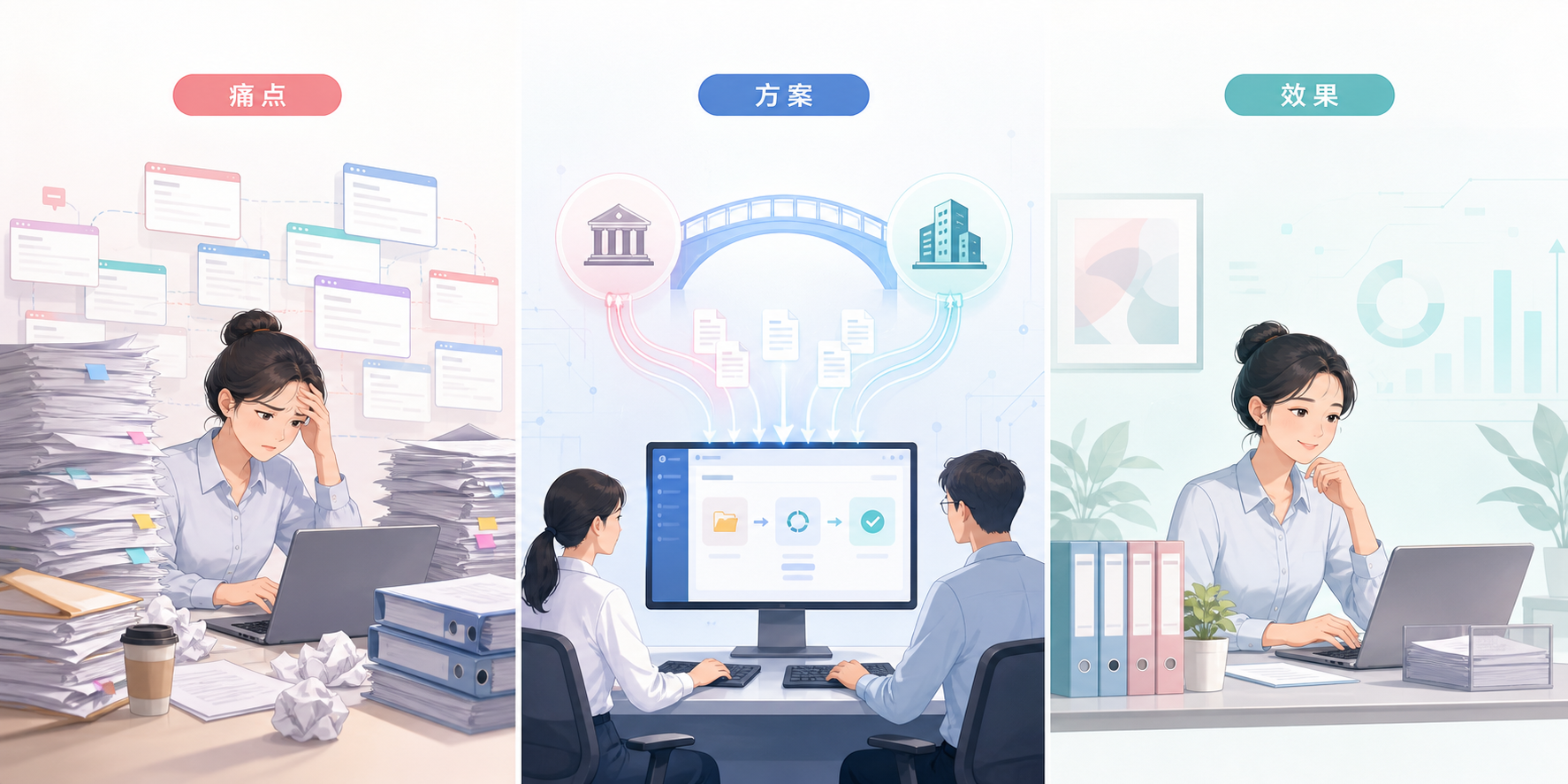
E-invoice APIs involve coordination across multiple systems, including the tax authority side, enterprise ERP, and invoicing software. According to the Measures for the Administration of Electronic Invoices, enterprises must ensure data is authentic, complete, and tamper-proof. However, traditional API development cycles are long, and tax authority interfaces are frequently upgraded (such as the fully digitalized e-invoice pilot), while SMEs have limited IT resources and often fall into the trap of repeated debugging, resulting in invoicing delays and data inconsistency that affect tax filing.
▍II. How does Kailing Technology achieve "three-step integration"?
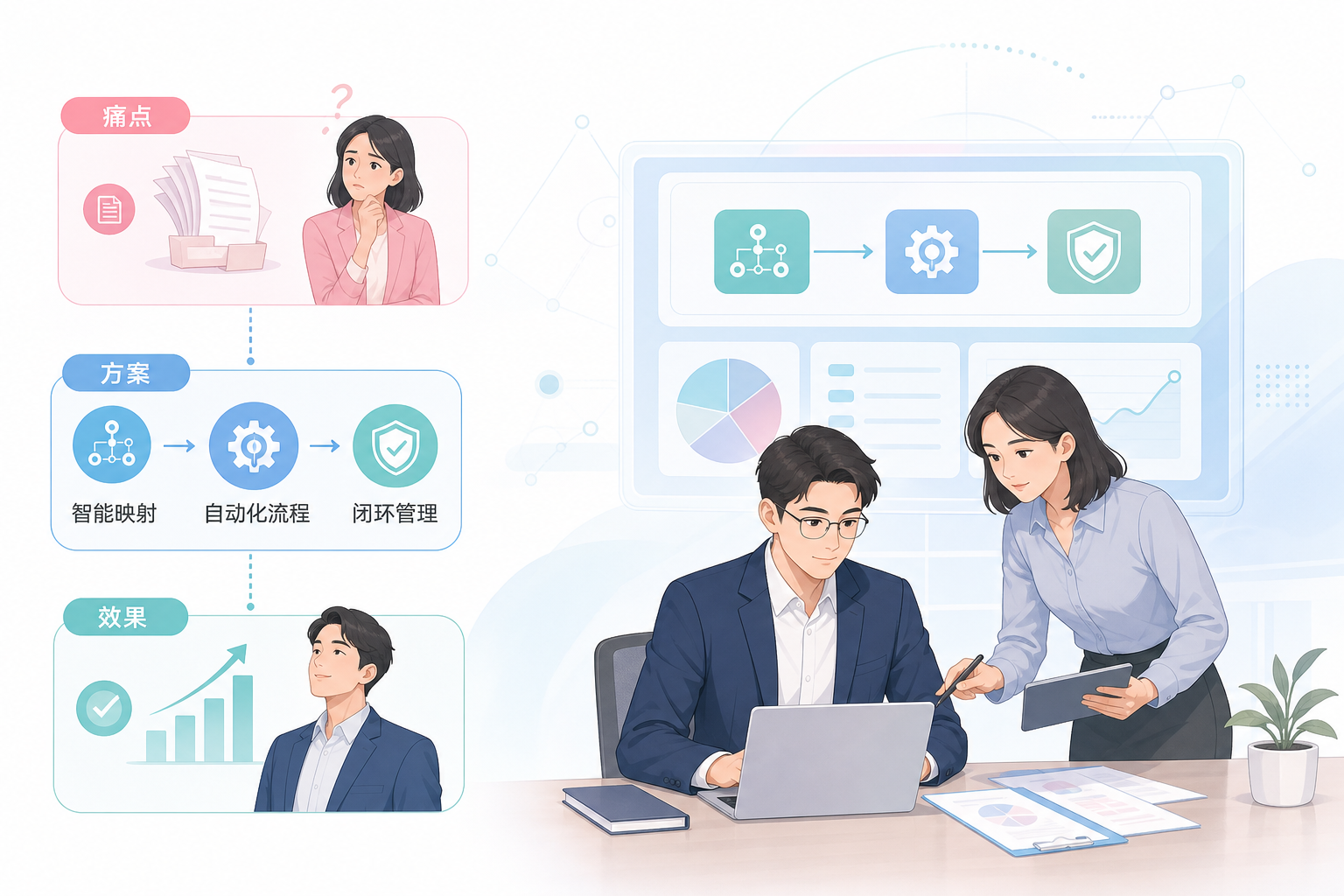
Step 1: Intelligent mapping. Kailing AI OCR automatically recognizes the enterprise's existing invoice formats (PDF/OFD/images) and maps them to the tax bureau's standard interface fields, with no manual adjustment required. Step 2: Automated processes. Scenarios such as reverse invoicing and invoice issuance for individuals are triggered with one click, and the system automatically verifies invoice compliance to avoid red-letter reversal risks. Step 3: Closed-loop management. Invoicing data is directly synchronized to the electronic accounting archives and tax filing modules, achieving business-finance-tax integration.
▍3. How are reverse invoicing and invoice issuance for individuals scenarios implemented?
For reverse invoicing needs such as resource recycling and labor cooperation, Kailing Technology supports enterprises as the invoicing party to automatically generate invoices through the interface and push them to the invoice recipient. For invoice issuance for individuals, it integrates tax bureau authorization. Finance personnel only need to enter basic information, and the system automatically completes identity verification and tax amount calculation, shortening invoicing time from half a day to 3 minutes.
▍IV. After integration, how to ensure long-term stability?
Kailing Technology provides API monitoring and automatic upgrade services. When the tax bureau API version is updated, the system automatically adapts, without requiring secondary development by the enterprise. Meanwhile, AI digital employees can patrol 24/7, issuing immediate alerts upon anomalies, ensuring the entire chain of invoicing, reconciliation, and filing is uninterrupted.
Keywords: E-invoice API, reverse invoicing, invoice issuance for individuals, AI OCR, tax filing, supply chain reconciliation, electronic accounting archives
As a comprehensive business-finance-tax digitalization solution service provider, Kailing Technology provides business-finance-tax management digital transformation products and operational services for various government agencies, institutions, and large, medium, and small enterprises. The product line includes: solutions for sales contract management system, procurement contract management system, fully digitalized Leqi interface project, automatic output invoicing system, reverse invoicing system, invoice issuance for individuals system, employee expense control and reimbursement system, input VAT invoice management system, supply chain collaborative reconciliation system, image AI OCR recognition system, automatic financial bookkeeping system, electronic accounting archives system, etc., comprehensively driving the digitalization process across various fields.
Consultation Hotline: 18513895936 / 010-60974119 Location: Beijing