
Kailing Technology launches a unified authenticity and forgery verification solution for fully digitalized e-invoices and non-tax receipts, enabling one-stop review of all receipt types

A fully digitalized e-invoice for travel expenses and a non-tax electronic receipt obtained from a training or exam payment may both appear uploadable for reimbursement, yet verification requires facing different receipt-type rules and official channels. Finance staff switch between multiple portals and manually record results, and business documents and receipts must be cross-checked again. Beijing Kailing Technology Co., Ltd. addresses the multi-receipt-type processing needs of enterprises, government agencies, and group finance by providing a unified authenticity and forgery verification solution for fully digitalized e-invoices and non-tax receipts: it connects receipt collection, receipt-type identification, category-based verification, exception review, and subsequent reimbursement and booking, so that every receipt has a clear review path.
1. Fully digitalized e-invoices and non-tax receipts: first distinguish the verification paths
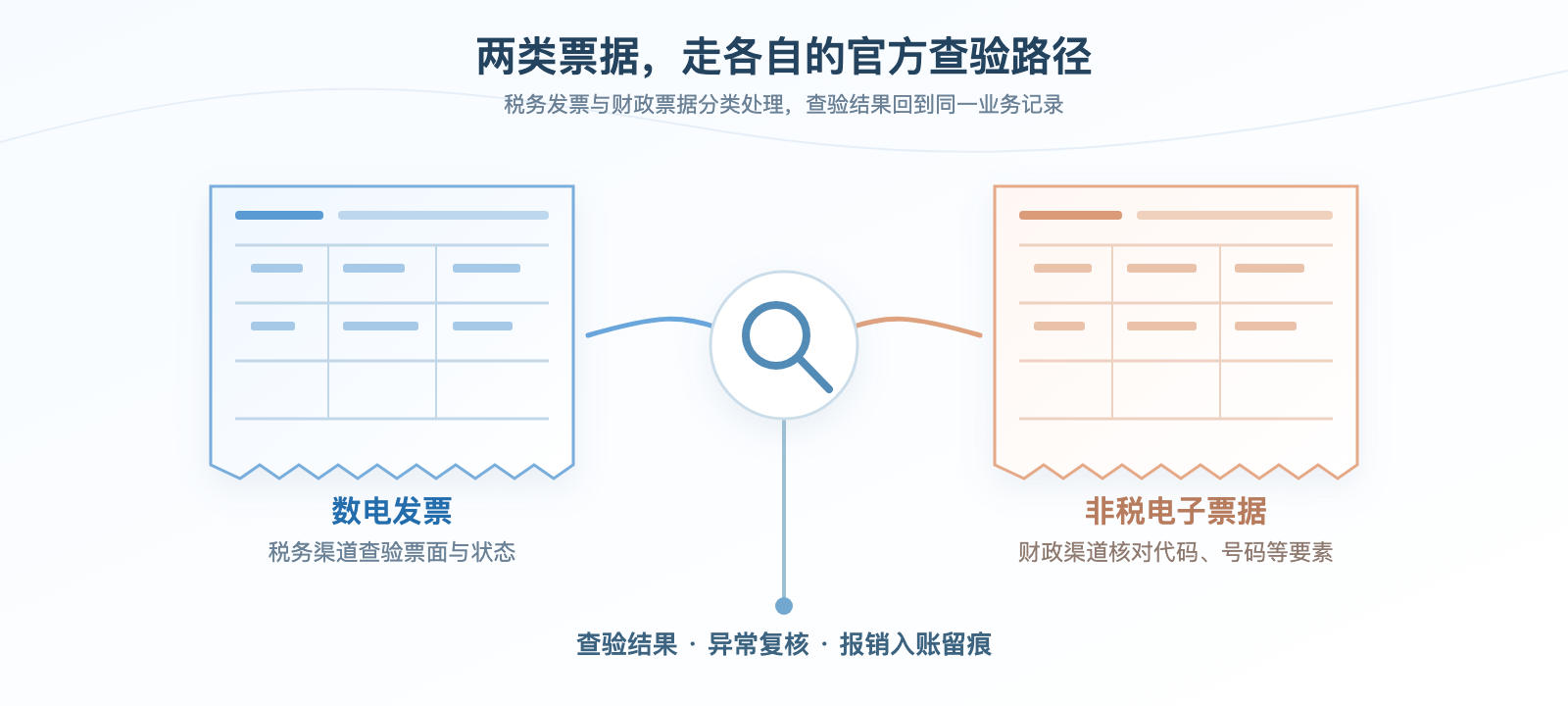
Many receipts do not mean all can be checked on the same official website. Fully digitalized e-invoices are tax invoices and can be verified by enterprises through tax channels such as the electronic invoice service platform and the national VAT invoice verification platform. Fiscal electronic receipts such as the unified receipt for central non-tax revenue (electronic) are verified on the corresponding fiscal receipt public service platform by fiscal receipt code, number, and verification information. Different receipt types have different verification bases and interpretation of results.
Kailing Technology places "identify first, then route" at the front of the solution. After employees upload electronic files or submit photos, the platform extracts key fields such as receipt type, issuance date, number, amount, and issuer; fully digitalized e-invoices enter the tax verification chain, and non-tax electronic receipts enter the fiscal receipt verification chain. Verifiable receipt types obtain and retain results via the corresponding channels; cases of missing information, temporary platform unsupported status, or inconsistent results are handed to finance staff for review. Users view processing status in one work portal, while the respective official rules are still followed behind the scenes.
2. Fully digitalized e-invoice authenticity and forgery verification: examine duplicates and anomalies together

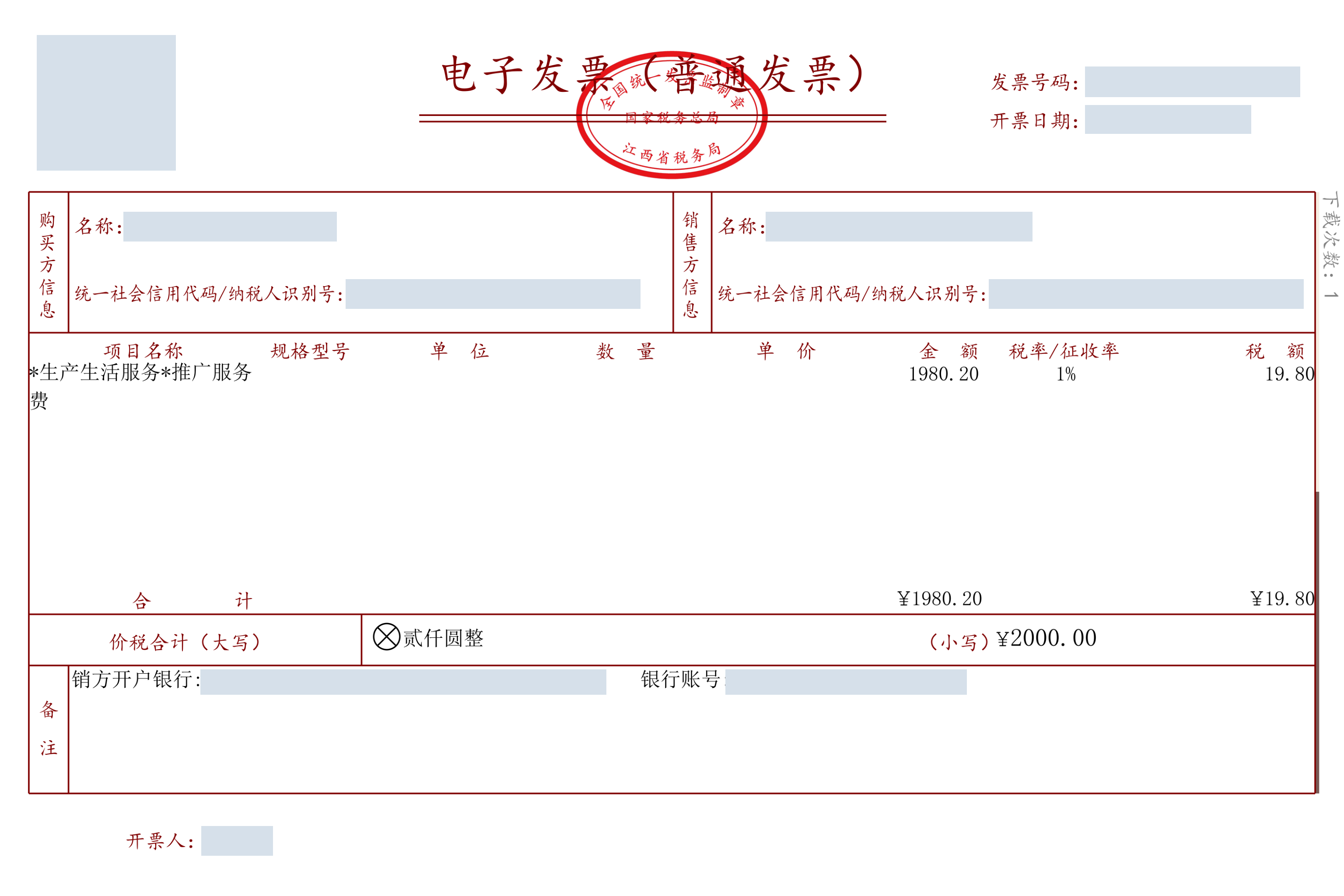
In procurement, travel, and daily expense scenarios, fully digitalized e-invoices may come from emails, reimbursement form attachments, supplier delivery, or system interfaces. Kailing Technology supports pooling these receipts into a unified invoice pool, reading structured information and electronic files, and validating invoice number, issuance date, buyer and seller, amount, and tax amount. Finance staff can see both the invoice content and the receipt's verification status, reimbursement status, and subsequent processing records.
Beyond authenticity verification, duplicate submissions and information mismatches also need to be identified in advance. The platform uses invoice numbers, buyer entities, amounts, and other information to detect duplicate reimbursements and flags issues such as mismatched buyer information, inconsistent amounts, and abnormal receipt status. For situations that rules cannot automatically determine, reviewers can return to the original electronic files and business applications for checking. In this way, verification results are no longer an isolated "true" or "false" prompt, but are linked to the enterprise's own reimbursement rules, procurement records, and responsible positions.
3. Non-tax electronic receipts are brought into the same portal, making fiscal receipts traceable

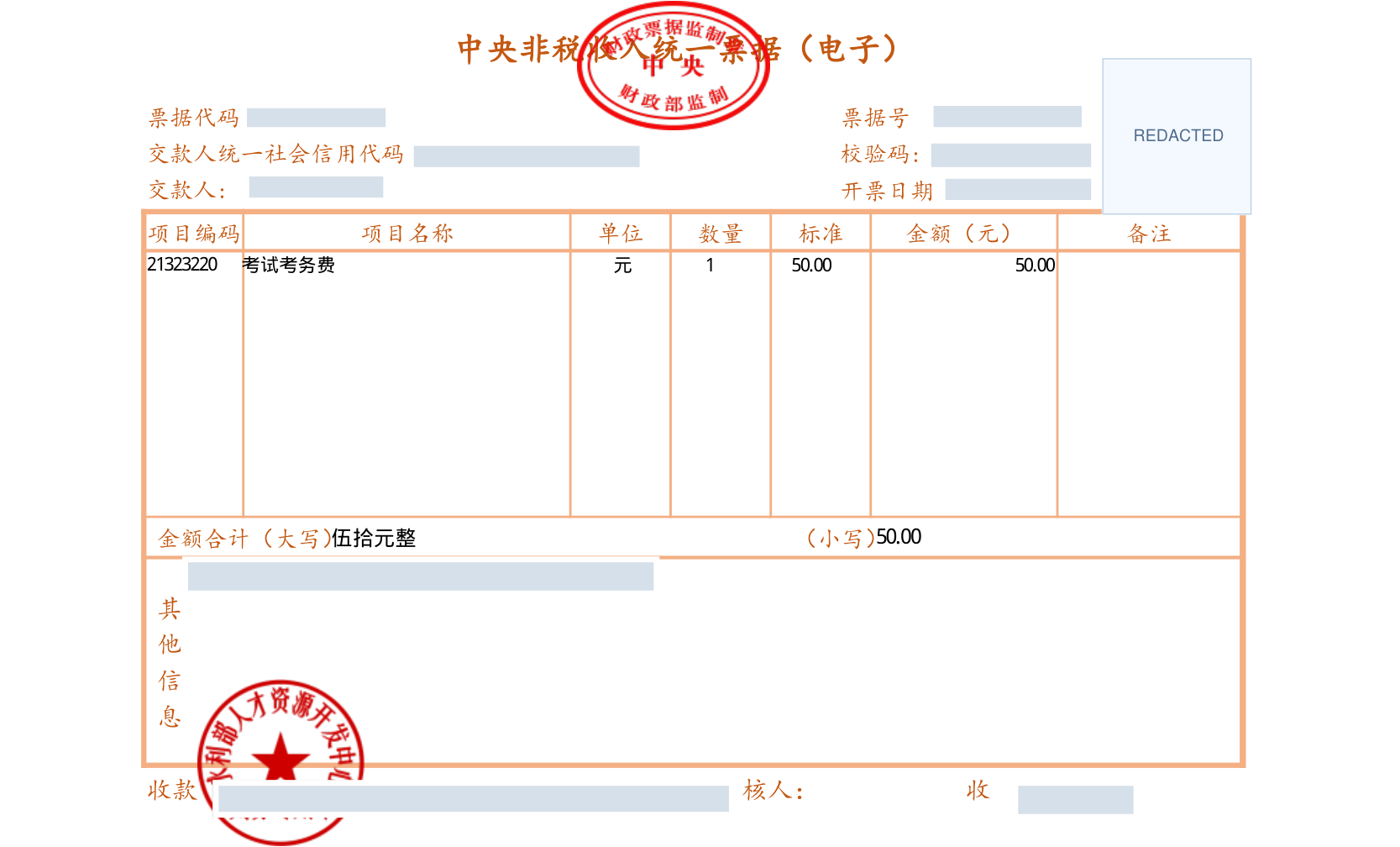
In businesses such as training exams and administrative and institutional charges, employees may obtain fiscal electronic receipts rather than VAT invoices. For example, the Central Unified Non-Tax Revenue Receipt (Electronic) contains information such as receipt code, receipt number, verification code, amount, payer, and payee unit. During financial review, it is necessary both to determine whether the receipt itself is valid and to confirm that it matches the actual payment matter, applicant, and reimbursement amount.
Kailing Technology brings these types of receipts into the same collection and review process, extracts verification elements according to fiscal receipt rules, completes verification or initiates manual review based on the available methods of the corresponding official platform, and retains the verification evidence, result time, and handling opinions in the receipt record. Enterprises can configure field validation and review paths by expense category such as training fees and examination fees, so that non-tax receipts no longer scatter across emails, chat records, and reimbursement attachments. For verification requirements that differ by region and receipt type, project rules adapt them item by item, keeping receipt types and verification standards consistent.
4. From authenticity verification to booking, receipt review forms a traceable closed loop

Authentic receipts still require corresponding real business. Kailing Technology links verification results with expense applications, payment records, and procurement or training matters, so that finance staff can check along the same business order "who submitted, why it occurred, how much was paid, and which receipt was obtained." After passing, it enters approval, booking, and archiving; anomalous receipts are returned for supplementary materials or transferred to manual review, with time and responsibility records retained throughout the handling process.
For a group financial shared service center, the portal for submitting receipts from multiple entities and departments can be unified, with review rules configured by legal entity, expense category, and receipt type. For units with existing OA, expense control, ERP, or electronic archive systems, Kailing Technology can design interfaces and status write-back during implementation per existing processes, so employees fill in information one less time, reviewers switch systems one less time, and managers can view exception distribution, pending backlog, and receipt processing progress on an informed basis.
From fully digitalized e-invoices to non-tax electronic receipts, Kailing Technology's goal is to organize verification actions scattered across different channels into an executable financial process: accurate receipt-type identification, clear verification channels, someone handling exceptions, and results that flow with the business. All-type receipt management thus moves from "receive one, check one" toward unified rules, process traceability, and continuous optimization.
About Kailing Technology
As a national high-tech enterprise, Kailing Technology focuses on the digital and intelligent transformation of enterprise business-finance-tax and operations management, providing software products, system integration, implementation and delivery, and operational services for various government agencies, institutions, group enterprises, and SMEs.
The company has now formed ten core product lines, including: AI digital employee system, enterprise expense control management system, customer relationship management system, reverse invoicing management system, invoice issuance for individuals management system, electronic archives management system, tax fully digitalized e-invoice Leqi system, tax invoice management system, group tax filing system, and AI OCR recognition system. It is committed to connecting enterprise business, finance, tax, funds, and archive data to help customers improve operational efficiency, business-finance-tax compliance capabilities, and digital management levels.
As a comprehensive business-finance-tax digitalization solution service provider, Kailing Technology provides business-finance-tax management digital transformation products and operational services for various government agencies, institutions, and large, medium, and small enterprises. The product line includes: solutions for sales contract management system, procurement contract management system, fully digitalized Leqi interface project, automatic output invoicing system, reverse invoicing system, invoice issuance for individuals system, employee expense control and reimbursement system, input VAT invoice management system, supply chain collaborative reconciliation system, image AI OCR recognition system, automatic financial bookkeeping system, electronic accounting archives system, etc., comprehensively driving the digitalization process across various fields.
Consultation Hotline: 18513895936 / 010-60974119 Location: Beijing