
After weighing in waste aluminum recycling, how is the invoicing amount determined? Kailing Technology's resource recycling reverse invoicing system verifies warehousing net weight, settlement amount, and invoice-payment reconciliation.
The net weight obtained from waste aluminum weighing is not necessarily the priced weight that finance directly uses for invoicing. Mixed grades, impurity deductions, material returns, and negotiations may all change the settlement result. Kailing Technology's resource recycling reverse invoicing system connects weighbridge data, warehousing net weight, settlement confirmation, payment, and invoices, giving the invoice amount a clear calculation path.

▍First break the weighbridge number into explainable weights
Vehicles enter the site and are weighed for gross weight, then weighed for tare weight after unloading, forming the initial weighbridge net weight. Weighbridge records should include trip number, equipment, weighing time, and handler, to avoid manually entering the weight of another vehicle into the current cargo ticket. If vehicle changes, secondary weighing, or partial returns occur during loading and unloading, each weighing and its reason should be retained, and the original value must not simply be overwritten.
Before actual warehousing, aluminum materials of different grades may also be sorted. Profiles, castings, cans, etc. should be recorded according to acceptance results, and moisture and impurity deductions also require sampling inspection and confirmation by both parties. Thus, the warehousing net weight is a quantity formed from the weighbridge starting point through acceptance adjustments, and the invoice amount must further rely on the confirmed priced quantity of each grade, rather than directly multiplying the unit price upon seeing the words "net weight."
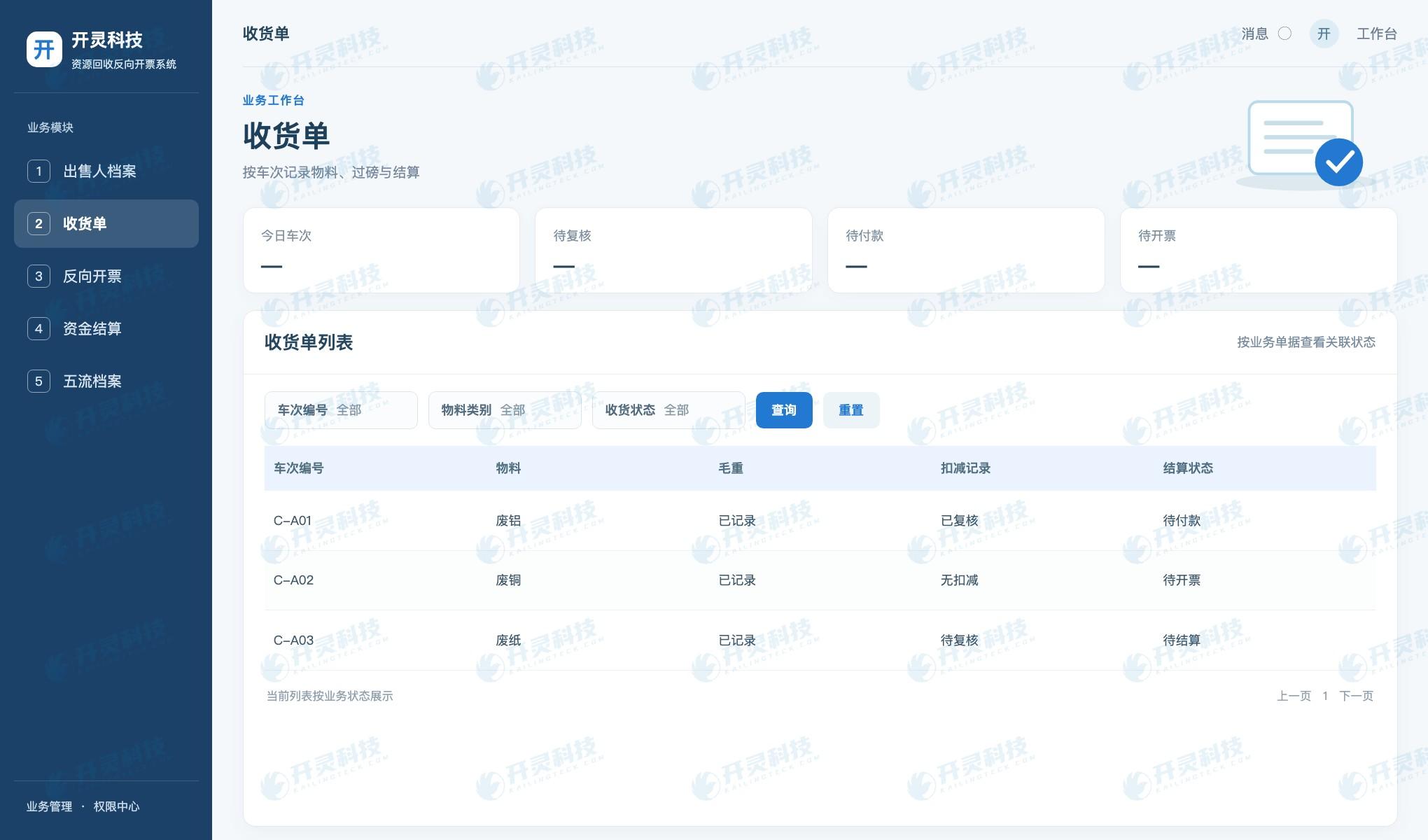
Record scrap aluminum weighing by trip
▍The settlement statement explains each difference
A verifiable settlement statement should at least let finance see: the original weighed quantity, adjustment items, confirmed inbound quantity, applicable price and final payable amount. When deducting proportionally, mark the base; when deducting by weight, list the values before and after deduction; for multi-grade receipts, calculate separately and then aggregate. This way business staff can explain each difference, and the seller can confirm the actual settlement result.
Waste aluminum market prices change quickly, so price agreements should have an effective time. Same-day price adjustments, on-site negotiations, or grade downgrades must all record the reason and approval. If only the final total price is saved, even if an approximate unit price can be inferred a month later, it cannot prove which version of the rules was actually used at the time. The system should link the price version to that truck's goods order.
▍Payments and invoices use the same confirmed amount
When the cashier pays, a payment instruction is generated from the confirmed settlement statement, and the payee account of the individual seller is verified. After the bank receipt is written back, finance can distinguish pending payment, payment in progress, payment successful and returned. If one truckload is paid in installments, the system needs to show the amount covered by each payment and the unpaid balance, and cannot replace the paid status of the whole truck with one of the transfers.
When performing reverse invoicing, re-check the seller's eligibility, materials, amount, and invoice type. The total invoice amount should correspond to the confirmed settlement amount of that transaction; the invoicing result is linked back to the purchase order. If the paid amount does not match the amount pending invoicing, first check whether it is due to installment payments, settlement adjustments, or data entry errors, then decide the processing order, avoiding modifying the goods order just to match the amount.
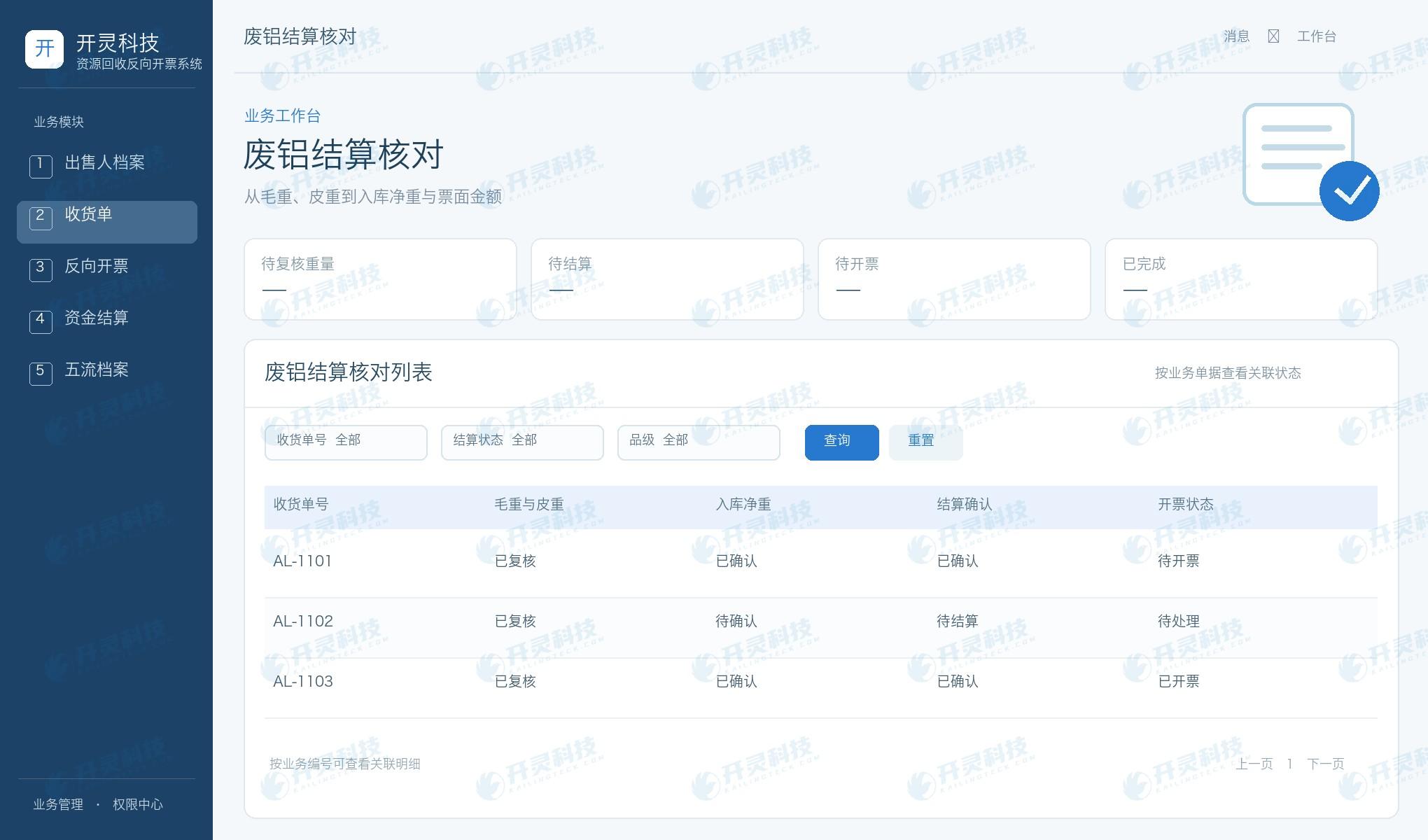
Verification of inbound net weight, settlement and invoicing status
▍Price changes and red-letter reversals must retain the before-and-after relationship
Quality disputes may still arise after on-site acceptance is completed. If settlement has been confirmed but payment and invoicing have not yet occurred, re-review according to the agreement is sufficient; if invoice and payment results already exist, the difference must be checked and document adjustments handled according to law. The original weighbridge ticket, original settlement, change opinions, old invoice, and new invoice should all be retained, forming a chain of changes that can be recounted.
The Kailing Technology resource recycling reverse invoicing system places the net inbound weight, settlement amount, and invoice-payment status under the same purchase order, so finance can back-calculate the priced quantity from the invoice or trace forward from the weighbridge record to the invoicing result. After the system flags a discrepancy, final confirmation is still completed by the site, business, and finance teams according to their responsibilities.
▍Use recalculation to verify the amount basis
A finance staff member who did not participate in acceptance can select a truckload of mixed aluminum material, first calculate the weighed net weight from the weighbridge ticket, then verify the accepted warehousing quantity of each grade, and finally recalculate the payable amount according to the price version. After the recalculated result matches the settlement statement, check the payment receipt and invoice. Compared with only looking at the green status on the page, this kind of reverse check makes it easier to find cross-truck data mix-ups.
Material returns, impurity deduction review, installment payments, and post-invoice price adjustments should also be tested. Only when every scenario can explain how weight and amount change does it show that the system truly supports the daily settlement of aluminum scrap recycling. Enterprises can include exception tickets in month-end reconciliation to reduce concentrated supplementary materials later.
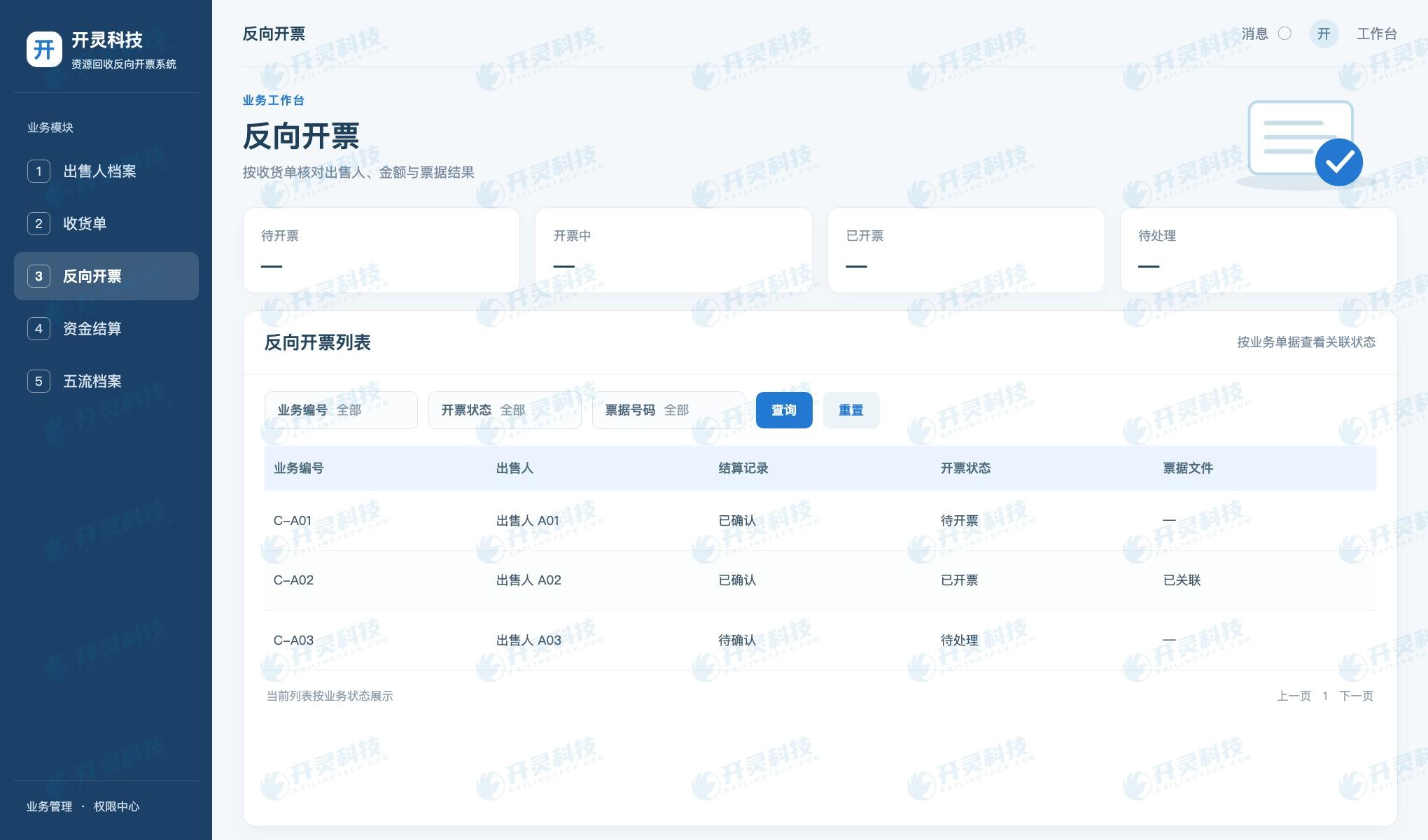
Reverse invoice linked to purchase order
▍Break down scrap aluminum amount differences to specific steps
Waste aluminum weighing is prone to issues such as the vehicle not being fully unloaded, the tare weight being taken from the wrong vehicle, and duplicate weighbridge measurements. The system should retain each original weighing record as a fact and mark voided or re-weighed entries as a new status. In this way, when finance sees that the warehousing net weight differs from the first weighed net weight, it can find where the change occurred and will not mistakenly believe that someone arbitrarily modified the weight after settlement.
Grade determination for mixed aluminum materials affects both weight allocation and unit price. Business personnel should explain at acceptance how much is profile, casting, and thin material respectively, and splitting methods that cannot be directly weighed must follow rules recognized by both parties. The priced quantity of each grade should add up to the settleable quantity of that vehicle; it must not happen that the subtotal exceeds the total inbound weight yet invoicing still occurs.
Settlement review can form a calculation chain: original net weight by trip, acceptance deductions, weight confirmed by grade, unit price of each grade, other agreed adjustments, and final payable. If the system flags a difference, the handler should see whether it is caused by quantity, price, or rounding, rather than letting finance manually enter a "correct total" on the payment page to bypass business steps.
If an enterprise has multi-site purchases, weighbridge equipment, acceptance habits, and price versions may differ. Headquarters can unify fields and approval requirements, while sites enter actual conditions according to local business. Comparing re-weighing rates and reasons for amount adjustments across sites at month-end helps identify inconsistent measurement processes, but a high discrepancy rate at a certain site alone cannot be used to conclude that transactions are abnormal.
For returns or price supplements occurring after invoicing, finance needs to view the original invoice, original payment, and subsequent adjustments at the same time. Whether it is supplementary payment or refund, first confirm the business facts and tax treatment, then link the new fund result to the original purchase order in the system. Retaining before-and-after versions is the only way to reconcile the invoice amount with the final accounts item by item.
▍Four-step verification before scrap aluminum invoicing
Step one, match the vehicle: confirm that the purchase order the invoice intends to reference indeed belongs to the same seller and actual trip. Step two, match the quantity: verify the original weighbridge ticket, net inbound weight, and grade split, focusing on whether re-weighing and impurity deductions have been reviewed. Step three, match the price: check the price version and settlement confirmation, avoiding use of expired quotes. Step four, match the payment: check the payee and actual receipt status.
These four steps are best completed on the same page, but the path to the original materials is also retained. If a step is still in dispute, the pending task and responsible person should be stated, rather than allowing a manual check of "verified." In this way, finance can quickly process normal tickets during high-frequency invoicing and also place exception tickets separately in the review queue.
Month-end reconciliation is not only about checking the total invoice amount but also about sampling and recalculating by trip. Especially for mixed, repriced, and returned scrap aluminum, independent recalculation can reveal problems where system fields are complete but calculation bases are inconsistent.
▍FAQ
Q: Does the weighbridge net weight equal the invoicing weight?
A: Not necessarily. It should be based on the confirmed settlement result after acceptance, deductions, material returns and grade classification.
Q: How is invoicing handled when one truckload of scrap aluminum is paid in installments?
A: Keep the relationship between each payment, the balance and the original purchase order, and verify the final invoice amount according to the applicable invoicing rules.
Q: What should be done if a grade error is found after the invoice is issued?
A: Keep the original record and go through review; after checking the impact on settlement and payment, handle the invoice adjustment according to regulations.
Visit Kailing Technology to learn about related products and implementation plans: https://www.kailingteck.com/fxzy/ .
As a national high-tech enterprise, Kailing Technology focuses on the digital and intelligent transformation of enterprise business-finance-tax and operations management, providing software products, system integration, implementation and delivery, and operational services for various government agencies, institutions, group enterprises, and SMEs.
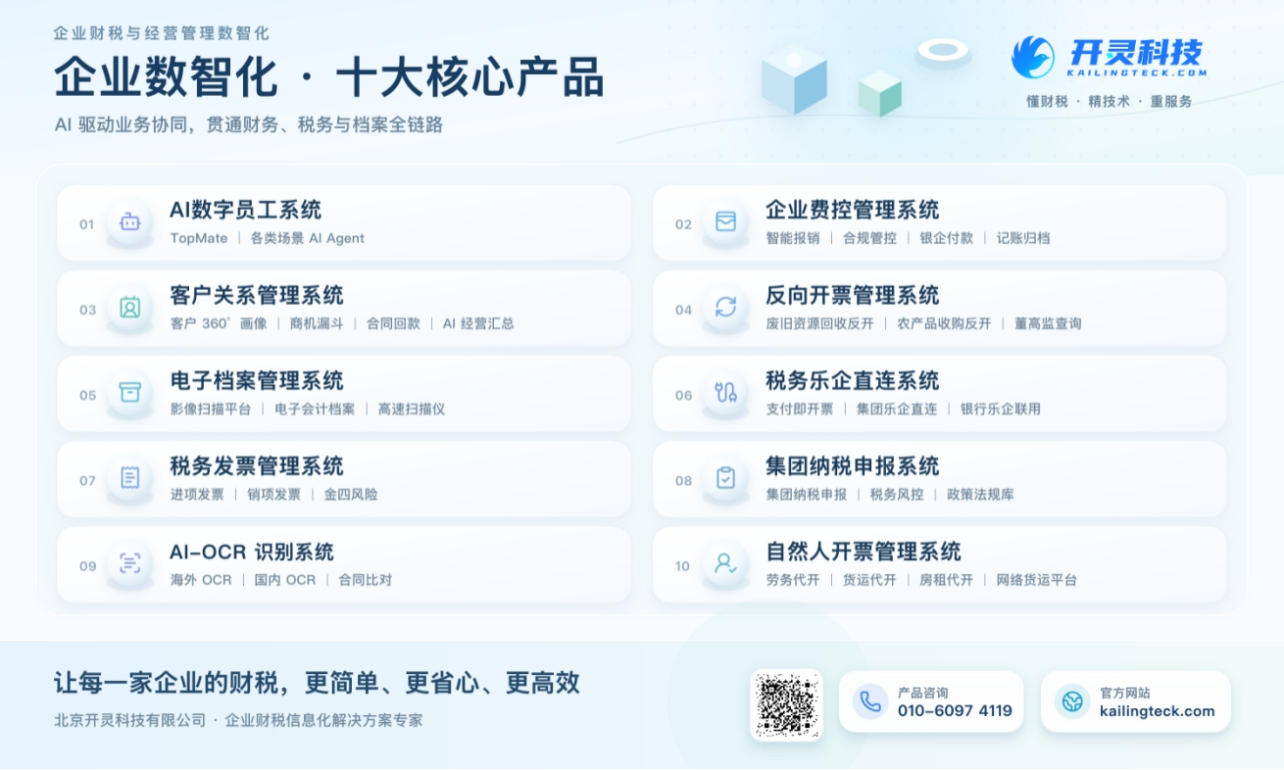
The company has now formed ten core product lines, including: AI digital employee system, enterprise expense control management system, customer relationship management system, reverse invoicing management system, invoice issuance for individuals management system, electronic archives management system, tax fully digitalized e-invoice Leqi system, tax invoice management system, group tax filing system, and AI OCR recognition system. It is committed to connecting enterprise business, finance, tax, funds, and archive data to help customers improve operational efficiency, business-finance-tax compliance capabilities, and digital management levels.
If you have any business-finance-tax digital transformation needs, welcome to contact us. Beijing Kailing Technology will serve you wholeheartedly.
Keywords: Waste aluminum reverse invoicing amount, warehousing net weight, settlement amount, invoice-payment reconciliation, Kailing Technology
As a comprehensive business-finance-tax digitalization solution service provider, Kailing Technology provides business-finance-tax management digital transformation products and operational services for various government agencies, institutions, and large, medium, and small enterprises. The product line includes: solutions for sales contract management system, procurement contract management system, fully digitalized Leqi interface project, automatic output invoicing system, reverse invoicing system, invoice issuance for individuals system, employee expense control and reimbursement system, input VAT invoice management system, supply chain collaborative reconciliation system, image AI OCR recognition system, automatic financial bookkeeping system, electronic accounting archives system, etc., comprehensively driving the digitalization process across various fields.
Consultation Hotline: 18513895936 / 010-60974119 Location: Beijing