
What must be prepared before the renewable resource recycling reverse invoicing system goes live? Kailing Technology sorts out individual seller archiving, weighbridge tickets, and payment item by item

Ten days before go-live, the project team holds a countdown meeting. Finance says the materials have all been collected, but the site manager takes three weighbridge tickets in completely different formats out of a file bag; procurement then discovers that the same individual seller has a separate file at each of two sites; the cashier adds that a payment was returned, but there is no mark on the original procurement order. The meeting topic immediately changes from "when to switch" to "what exactly must be prepared before go-live."
The Kailing Technology reverse invoicing system implementation team asks participants to pick out three samples: one normal purchase, one boundary business of multiple products in one vehicle, and one abnormal business containing duplicate archives and payment returns. Everyone no longer reports completion rates, but instead runs through entity, individual seller, weighbridge ticket, settlement, invoicing, payment, historical data, permissions, and exception drills item by item, using on-site results to judge whether go-live conditions are met.

▍Preparation item 1: Lock down the business entity, launch site, and project team
The information lead first maps the business entity, sites, and current-period business on a single diagram. The hazardous waste business license, end-of-life vehicle recycling and dismantling qualification, or other renewable resource recycling operator filing is matched to the entity according to actual operations; which sites, categories, bank accounts, and interfaces go live in the first batch are marked item by item.
Then the site, procurement, finance, tax, treasury, and information positions each claim rules. The site confirms weighing and grading, procurement confirms individual seller relationships, finance confirms settlement and invoicing, the cashier confirms payment receipts, and information personnel confirm interfaces and permissions. Every pending issue has an owner and completion date.
In the meeting, it can be directly seen that the project scope diagram is consistent with the system organization structure, test accounts enter the corresponding sites, and each of the three samples has a clear handler. Business not yet determined is frozen outside the current scope, and "supported" in the demonstration will not be mistakenly written as delivered on launch day.
▍Preparation item 2: Merge duplicate individual supplier files into one traceable file per household
Procurement puts the individual seller lists from the two sites together and searches for duplicate records by identity information, contact method, and receiving account. Procurement and the information lead determine which basic fields the group shares, which business information the sites maintain, and from what point file changes take effect, then clean up anomalies such as multiple files for the same person and multiple people using the same account.
The exception individual suppliers among the three samples resubmitted their materials. The system verified preconditions such as legal representative, directors and senior managers, and registered individual industrial and commercial households, and attached the historical starting data of cumulative reverse invoicing sales not exceeding twelve consecutive months to the file. When verification conditions are hit, the business stops in the review queue and displays the specific reason.
After cleanup is complete, the same individual has a unique master record within the authorized scope, historical invoicing cumulative totals can be queried continuously, and account changes retain before-and-after versions. Sites receive a prompt when creating duplicate records, and headquarters can drill down to each site's purchase records when viewing summaries.
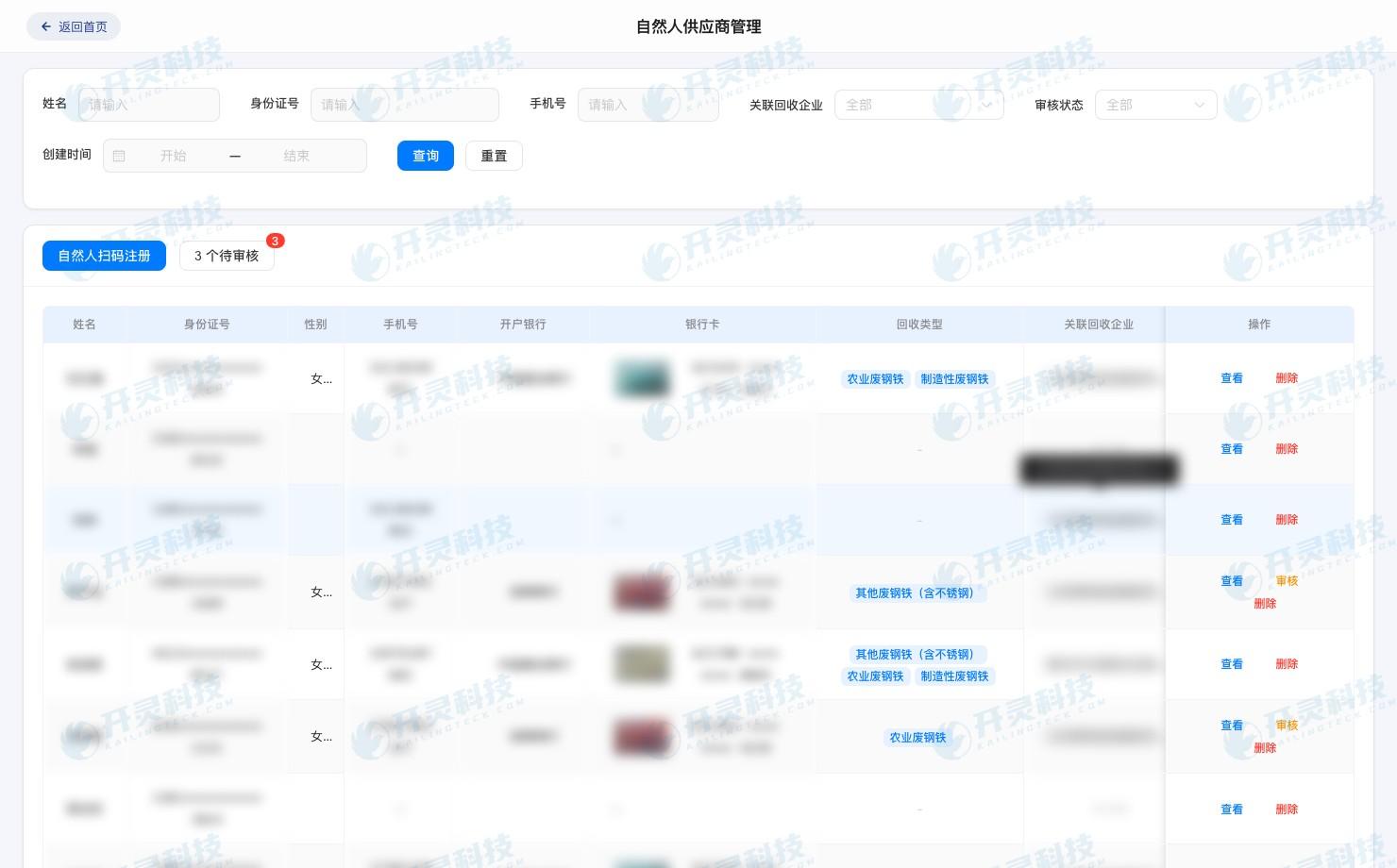
Individual seller file creation and verification fields (information masked)
▍Preparation item 3: Unify categories, weighbridge, and on-site measurement standards
After three weighbridge tickets were placed on the table, site staff explained the differences item by item: some recorded gross weight and tare weight, some directly wrote net weight, and some wrote impurity deductions in the remarks. Based on actual categories such as scrap steel, scrap copper, scrap aluminum, waste paper, and waste plastics, the site and finance organized grade, measurement, impurity deduction, purity, unit price, and image fields.
The information staff then rechecks the weighbridge equipment, software version, and network method to determine the device number, reading time point, duplicate weighing, and breakpoint resend rules. Sites not yet connected use controlled entry, and the operator, entry time, original weighbridge ticket, and modification approval are saved along with the business.
Boundary samples are tested with one vehicle carrying multiple products, secondary grading, and partial returns. After the run, original weight, valid weight, and settlement details maintain their relationships, and any adjustment has a reason and confirmer; when finance queries forward from the amount, it can see which weighing and which grading it came from.
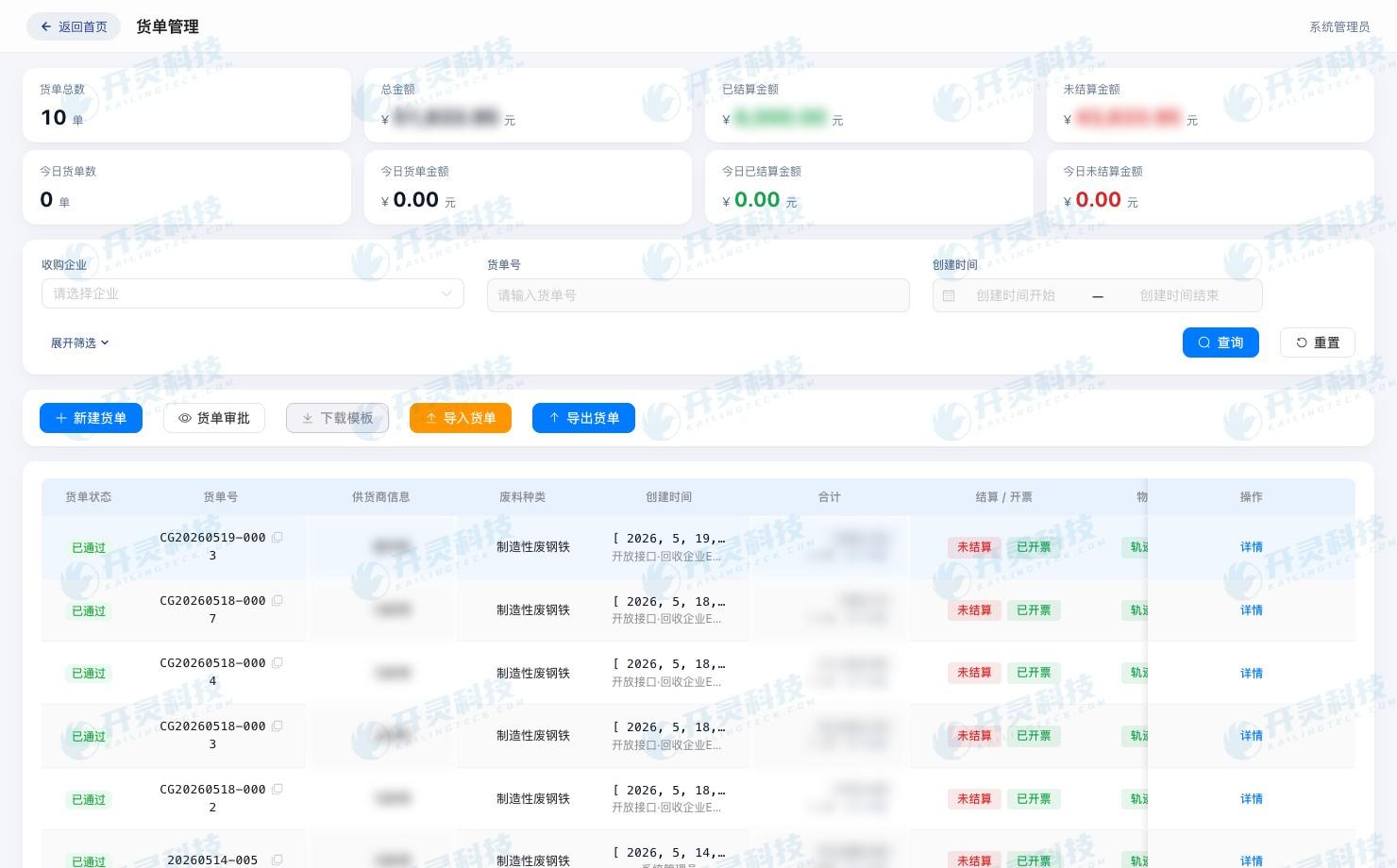
Renewable resource goods order and weighbridge ticket information (information desensitized)
▍Preparation item 4: Write settlement, invoicing, and red-letter reversal as business statuses
Finance and the site jointly determine the invoicing trigger point: after acceptance is completed, grade is confirmed, and settlement review is approved, the procurement order enters the pending invoicing queue. Product name, quantity, amount, and seller are brought in from the valid settlement version, while temporary goods orders still being adjusted remain in the on-site processing status.
Finance uses the same individual seller with multiple deliveries to test merging and splitting, and then makes one of the records missing information. A qualified process will isolate the abnormal detail and save the aggregation rules and original procurement order; when the invoicing request returns success, failure, processing, or unknown result, each enters its corresponding queue.
A return then occurs for the boundary sample. The system locates the affected details from the original blue invoice and connects red-letter processing, settlement adjustment, and re-issuance results. Finance and the site then see the same processing progress, historical status is fully retained, and the original invoice and subsequent actions can be queried against each other.
▍Preparation item 5: Verify payee, payment batch, and receipt path
The cashier opens the receiving information from the abnormal sample and verifies the seller, account, account opening information, and business relationship. Records with account changes or where the payee differs from the seller enter approval, and supporting materials are saved with the archive. The batch payment list simultaneously lists individual sellers, goods orders, settlement, and amount details.
The cashier proactively initiates a test using an incorrect account and simulates a bank timeout. The system displays pending approval, submitted, processing, success, returned, failed, and unknown result respectively; returned line items enter the processing queue, while other line items remain in their original status. After querying the original request, subsequent actions are decided to avoid duplicate payments.
The cashier sees the bank receipt automatically or under control linked back to the original purchase order, the batch total can be expanded to each individual seller, and re-payment uses the original business number. From the transaction flow, one can find the invoice and goods, and the site can also see payment progress without asking in a group chat.
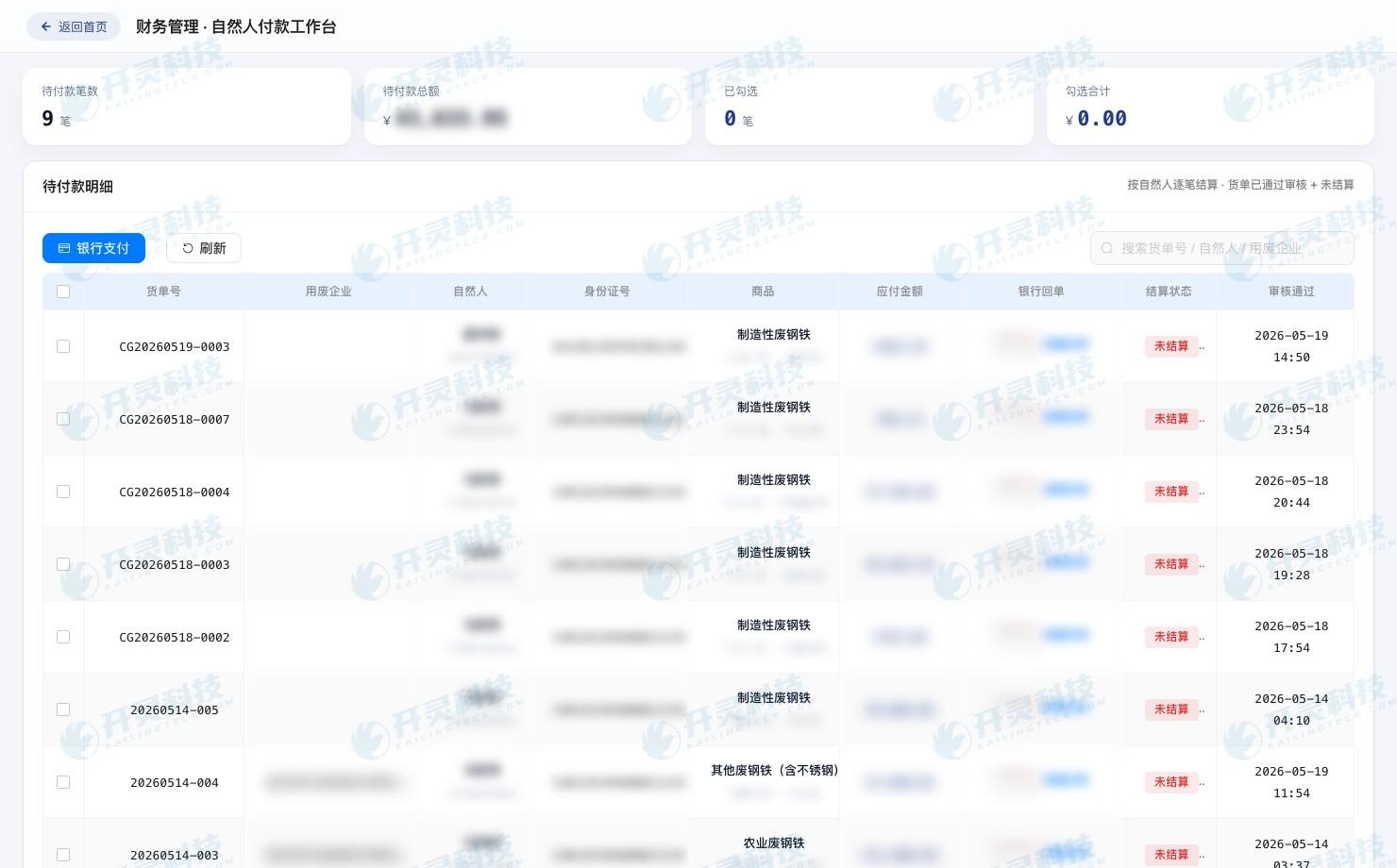
Payment task, payee, and business document linkage (information has been desensitized)
▍Preparation item 6: Organize historical data according to launch purposes
The data lead first lists the historical information to be used after go-live: individual cumulative totals, unfinished purchases, unpaid items, valid invoices, and typical evidence materials. Data that can support cumulative and unsettled business is migrated in structured form, commonly used attachments are linked to business numbers, and older materials enter a searchable historical area.
On the first day of launch, finance could already query the necessary historical starting point, new business could accumulate continuously, and unsettled matters were not lost. The data owner retained migration mappings and spot-check records, so if problems are found later, they can be traced to the original file and processing batch.
▍Preparation item 7: Verify permissions and exception to-dos with role accounts
Weighbridge, procurement, finance, cashier, site manager, and headquarters personnel each log in to their own accounts to operate the three samples. The weighbridge maintains measurement, procurement handles files and prices, finance initiates invoicing, the cashier handles payment, and headquarters views summaries and drills down; sensitive identity and bank fields are controlled by role.
Then create missing archive items, missing weighbridge tickets, price adjustments, invoicing timeouts, and payment returns, and check whether to-dos reach the correct positions. Each exception must display the business number, problem location, handling action, and recovery condition, and after handling is completed, the related status is updated synchronously.
After testing is complete, each role can see what it needs to do and cannot see unrelated sensitive information; exceptions form a track from discovery, assignment, and handling to recovery. Permission testing and exception testing are conducted together, so implementation gaps such as "has permission but no to-do" or "received a to-do but cannot open the original document" can be found in time.
▍Preparation item 8: Complete the launch drill with three samples
Before the formal switch, normal samples run from file creation, receiving, weighing, settlement, invoicing, and payment to material collection; boundary samples cover cumulative thresholds, multiple products per truck, cross-site, and batch collection; exception samples cover entity verification, missing weighbridge ticket, payment return, request timeout, and red reversal.
Each node records the expected screen, actual result, handling role, and completion time. If the weighbridge loses network, the site continues according to the supplementary upload plan; if the bank callback is delayed, the cashier handles it according to the query process; if the invoicing status is unknown, finance recovers along the original request. After the drill ends, the ledgers and query paths of the three transactions are reviewed again.
The Kailing Technology implementation team converts the investigation results into fields, rules, interfaces, permissions, and test cases. When passing the go-live review, what participants see is not a materials-complete table, but three business transactions already running under the new process, with unique individual seller archives, unified weighbridge ticket standards, and traceable payment results.
The three types of issues in the countdown meeting are thereby resolved: weighbridge ticket standards are unified, duplicate individual sellers are merged, and payment returns enter the original purchase order. On-site staff complete one real business transaction under the new rules, and the project has a basis for go-live.
▍FAQ
Q: Do all historical files need to be migrated before launch?
A: First determine the scope around cumulative control, unsettled business, pending payments, and inquiry needs, then use structured migration, attachment linking, or historical inquiry respectively.
Q: How should we prepare if the weighbridge cannot be directly connected for the time being?
A: Design a controlled entry and supplementary upload process, retaining the original weighbridge ticket, operator, time, adjustment reason, and approval records.
Q: Why include payment returns in the launch drill?
A: A returned payment simultaneously checks account verification, bank status, exception to-dos, re-payment, and linkage to the original order.
Q: Which roles should participate in launch preparation?
A: Site, procurement, finance, tax, treasury, and information roles participate together and each confirms the rules and acceptance results they own.
Turn go-live preparation into acceptable fields, rules, and exception samples, and learn about Kailing Technology's reverse invoicing system: https://www.kailingteck.com/fxzy/ .
As a national high-tech enterprise, Kailing Technology focuses on the digital and intelligent transformation of enterprise business-finance-tax and operations management, providing software products, system integration, implementation and delivery, and operational services for various government agencies, institutions, group enterprises, and SMEs.
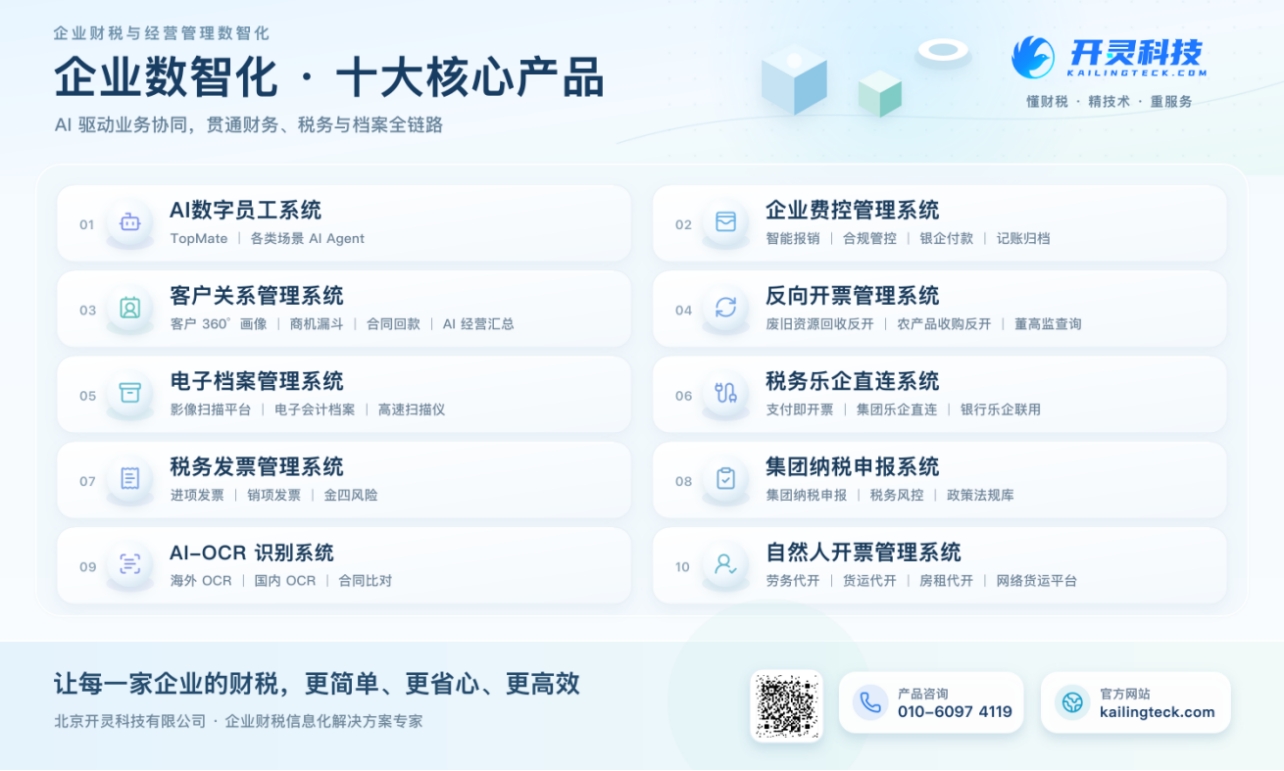
The company has now formed ten core product lines, including: AI digital employee system, enterprise expense control management system, customer relationship management system, reverse invoicing management system, invoice issuance for individuals management system, electronic archives management system, tax fully digitalized e-invoice Leqi system, tax invoice management system, group tax filing system, and AI OCR recognition system. It is committed to connecting enterprise business, finance, tax, funds, and archive data to help customers improve operational efficiency, business-finance-tax compliance capabilities, and digital management levels.
If you have any business-finance-tax digital transformation needs, welcome to contact us. Beijing Kailing Technology will serve you wholeheartedly.
Keywords: Reverse invoicing system go-live preparation, individual seller archiving, renewable resource weighbridge tickets, reverse invoicing payment, five-flow ledger
As a comprehensive business-finance-tax digitalization solution service provider, Kailing Technology provides business-finance-tax management digital transformation products and operational services for various government agencies, institutions, and large, medium, and small enterprises. The product line includes: solutions for sales contract management system, procurement contract management system, fully digitalized Leqi interface project, automatic output invoicing system, reverse invoicing system, invoice issuance for individuals system, employee expense control and reimbursement system, input VAT invoice management system, supply chain collaborative reconciliation system, image AI OCR recognition system, automatic financial bookkeeping system, electronic accounting archives system, etc., comprehensively driving the digitalization process across various fields.
Consultation Hotline: 18513895936 / 010-60974119 Location: Beijing