
Which financial software is the best to use for small and micro enterprises? Don't just look at how fast bookkeeping is

Which financial software is the best to use for small and micro enterprises? Don't just look at how fast bookkeeping is
When small and micro enterprises choose financial software, they cannot only ask "can it do bookkeeping." A more practical judgment is: whether it fits the enterprise's business scale and job division, what scope the data interfaces cover, whether manual review is retained after automatic recognition and rule matching, whether permissions and operation logs are clear, and whether electronic vouchers can be archived according to regulations. Software can reduce repeated entry, but it cannot replace real business, accounting judgment, and filing responsibility.
Easy to use is not "automatically completing everything," but rather letting data be handled less, exceptions be reviewable, and responsibility be traceable. |
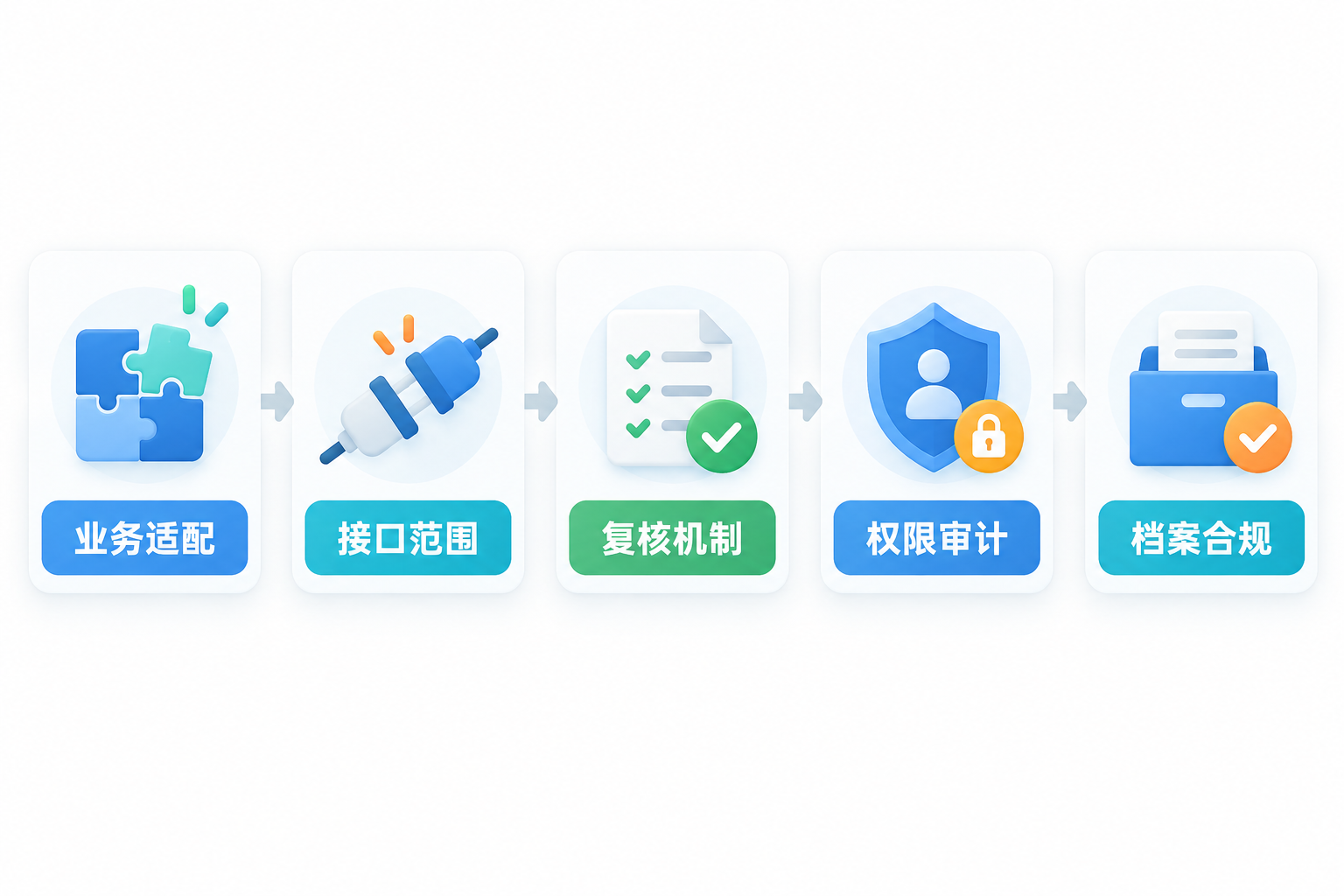
▍1. First look at business fit, not just the number of features
For small and micro enterprises in retail, e-commerce, professional services, and manufacturing, the order, payment collection, inventory, and invoicing processes differ greatly. Before selecting a system, you should list the actual business volume, document sources, approval roles, accounting system, and filing method, then check the software's supported scope. No matter how many features there are, if they cannot match the enterprise's existing processes, you will still end up back in spreadsheets and manual supplementary entry. Kailing Technology's related products can connect invoicing, documents, accounting, and archive processes by scenario, but the specific scope of adaptation should be based on the contract, interface documentation, and actual testing.
▍2. For automatic invoice retrieval and OCR, look at the interface scope and review mechanism
Input VAT invoice management can assist with aggregating invoice data, duplicate checking, and status tracking within the scope permitted by enterprise authorization, interface openness, and current platform rules, and cannot promise to cover all invoice sources. OCR can extract candidate fields from invoices, receipts, contracts, and other materials, and assist in generating data pending review or voucher drafts; recognition results do not equal already being entered into accounts. During selection, test abnormal invoice faces, duplicate data, missing fields, and original document traceability, and confirm how the system prompts, who reviews, and how errors are returned.
▍3. Invoicing and filing must retain permissions, validation, and manual confirmation
The output VAT invoicing system can assist with order data retrieval, batch issuance, status return, and exception to-dos within the scope of authorization and interface support, and successful invoicing does not automatically equal completed accounting entry. Filing tools can assist with data retrieval, calculation, and forming filing working papers according to configured rules, but tax type applicability, filing data, and submission results still need to be checked by enterprise personnel. So-called "login-free" or "automatic filing" also depends on the local platform, enterprise authorization, and interface status, and cannot be an unconditional commitment.
▍4. Electronic archives are not compliant just because scanning is complete
BasisMinistry of Finance and National Archives Administration Cai Kuai [2020] No. 6 notice, if the entity only uses electronic accounting vouchers for reimbursement, booking, and archiving, it must simultaneously meet conditions such as the vouchers being legal and authentic, transmission and storage being safe and reliable, the system being able to accurately and completely read the vouchers and metadata, necessary review and signature procedures being established, and compliance with accounting archive management requirements. An electronic accounting archives system can assist with collection, association, detection, and retrieval, but scanning, recognition, or uploading itself does not equal completing archiving, nor can it automatically replace the judgment of paper preservation conditions.
Keywords: financial software for small and micro enterprises, financial software selection, business fit, data interfaces, accounting review, permission audit, electronic accounting archives, Kailing Technology
As a comprehensive business-finance-tax digitalization solution service provider, Kailing Technology provides business-finance-tax management digital transformation products and operational services for various government agencies, institutions, and large, medium, and small enterprises. The product line includes: solutions for sales contract management system, procurement contract management system, fully digitalized Leqi interface project, automatic output invoicing system, reverse invoicing system, invoice issuance for individuals system, employee expense control and reimbursement system, input VAT invoice management system, supply chain collaborative reconciliation system, image AI OCR recognition system, automatic financial bookkeeping system, electronic accounting archives system, etc., comprehensively driving the digitalization process across various fields.
Consultation Hotline: 18513895936 / 010-60974119 Location: Beijing