
How to control identity and quota risks in reverse invoicing for individuals? Kailing Technology's reverse invoicing and Leqi Direct Connection combined solution moves verification upfront
The risks of reverse invoicing for natural persons cannot be addressed by an enterprise merely setting a single amount threshold. State Taxation Administration Announcement No. 5 of 2024 stipulates the scope of sellers with cumulative reverse invoicing sales of 5 million yuan over no more than 12 consecutive months; No. 12 of 2026 sets a 0.25% individual income tax on business income prepayment rate for the portion of annual sales within 600,000 yuan under three-stream-in-one reverse invoicing. The two figures serve different purposes, and Kailing Technology's reverse invoicing Leqi combined solution verifies them separately to avoid conflating selling eligibility with prepayment tax rates.
Under the Leqi joint-use model, the payment platform invites resource recycling enterprises to become Leqi user units. When an enterprise initiates an online payment, the platform generates taxes and fees to be paid and pre-filled invoices based on real-time cumulative amounts and tax rules; before payment, Kailing verifies the enterprise's qualifications, natural person files, receiving business, and internal permissions, and decides whether to continue, pause, or transfer to manual handling based on the results returned by the platform.
▍1. Individual identity is confirmed from the first business transaction
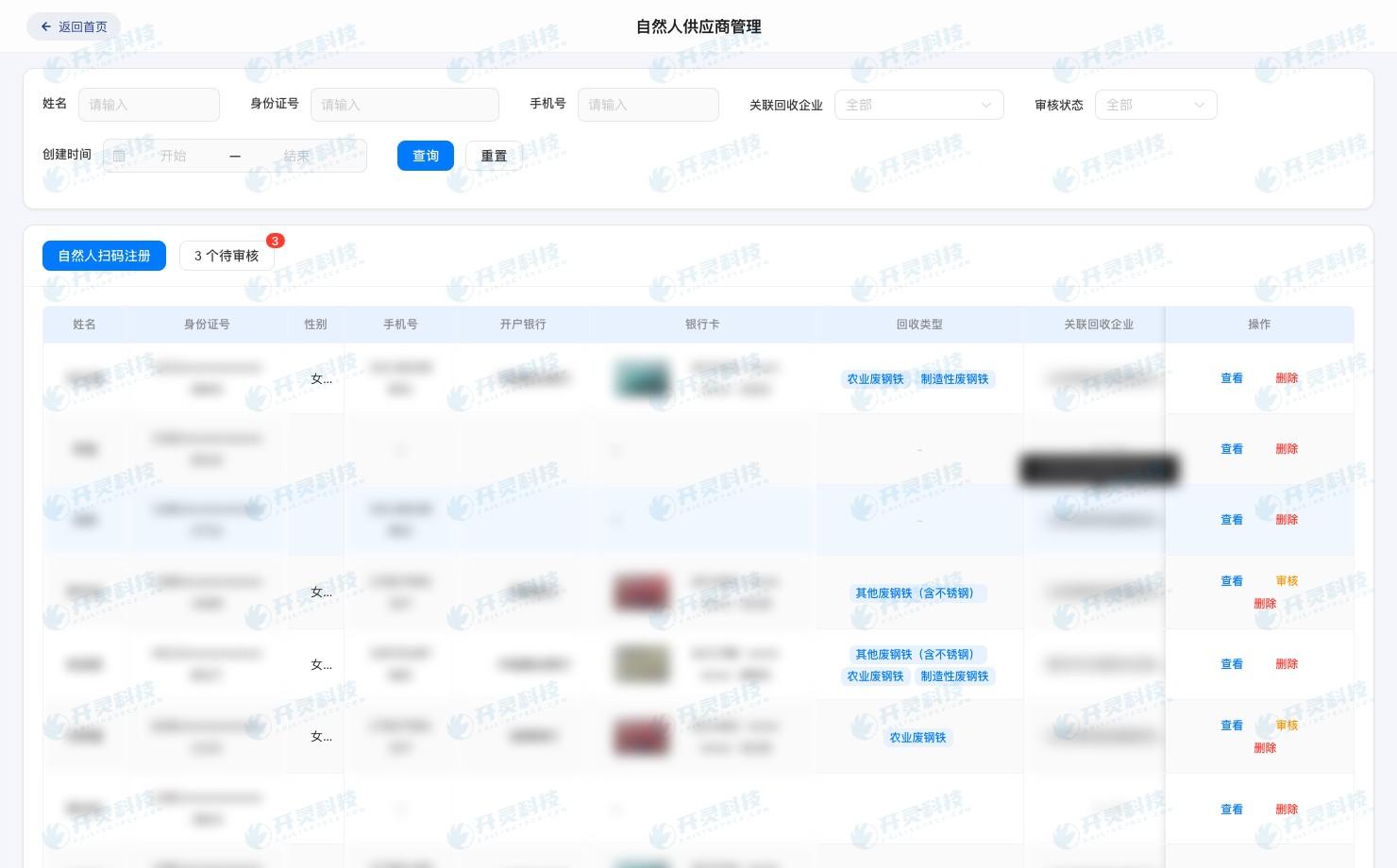
When a resource recycling enterprise issues a reverse invoice to a seller for the first time, it must obtain the seller's consent for reverse invoicing and tax handling on their behalf and retain proof. Kailing links real-name information, contact details, consent records, historical business, and receiving accounts in the natural person file, and the platform side then completes identity verification and operation confirmation according to its own process.
Passing identity verification does not mean this transaction automatically qualifies. The system also needs to check the scrapped products, actual receipt, enterprise business qualifications, and payee. When the individual's information, consignee, and receiving account are inconsistent, the business is suspended before payment, and the responsible person must supplement proof or correct the data; it cannot rely on post-invoicing remarks for explanation.
▍II. Five million yuan determines whether reverse invoicing can continue
The 5 million yuan in Announcement No. 5 of 2024 is the applicable boundary for the cumulative sales amount under reverse invoicing by the same individual over no more than 12 consecutive months, and includes sales amounts reverse-invoiced to the individual by multiple resource recycling enterprises. Once the cumulative amount exceeds 5 million yuan, resource recycling enterprises may no longer issue reverse invoices to that individual, and should guide individuals continuously engaged in scrap product sales to register as business entities and issue invoices independently as required.
Kailing does not use an enterprise's local ledger to replace tax authority or platform cumulative results. The system first aggregates the enterprise's already-occurred business to identify duplicate submissions, missing statuses, and threshold transactions; when initiating Leqi joint-use payment, it then reads or receives the processable status returned by the platform according to current rules. When data on the two sides conflicts, processing is suspended, and the query time and results are saved.
▍III. Validation occurs before platform payment
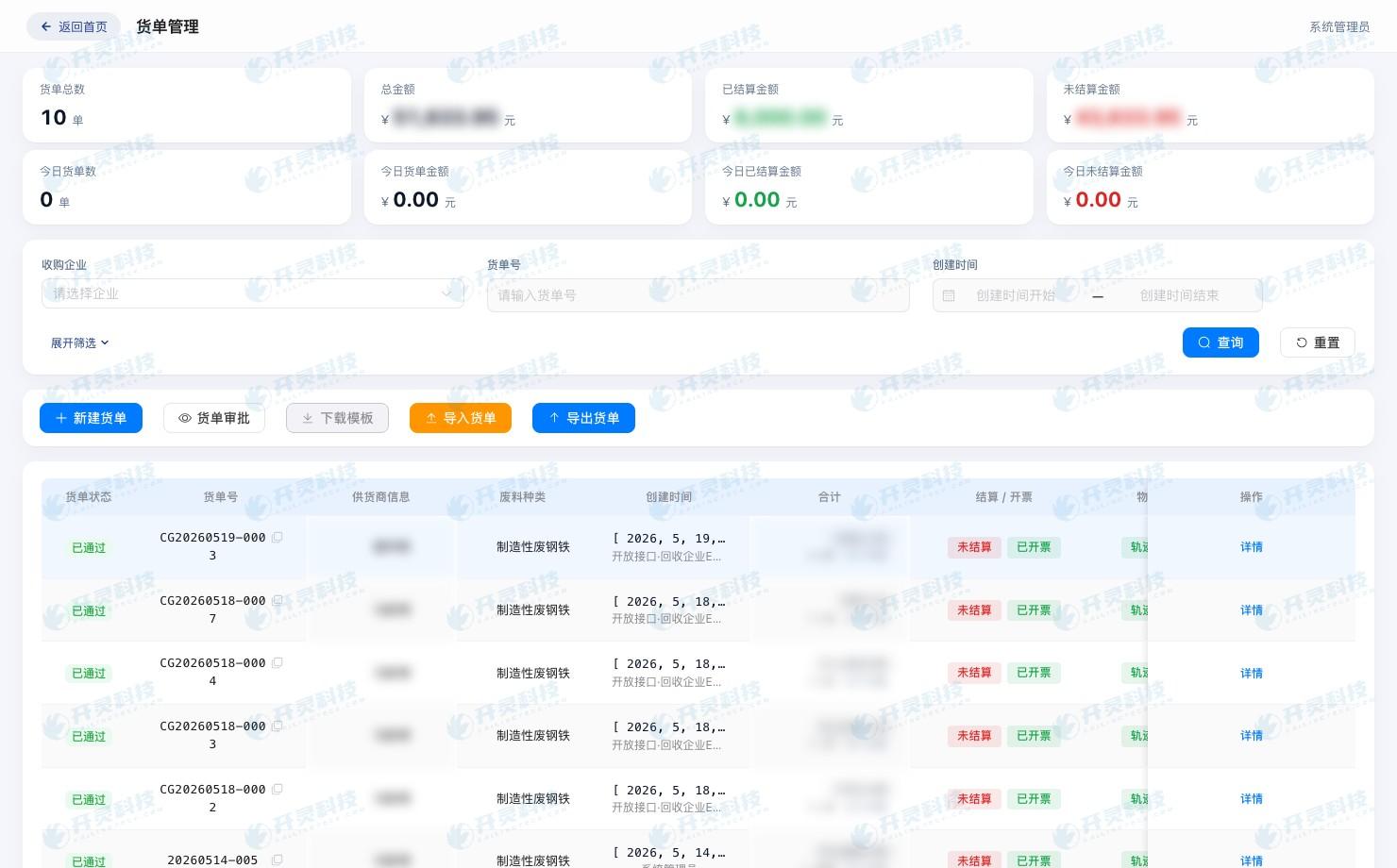
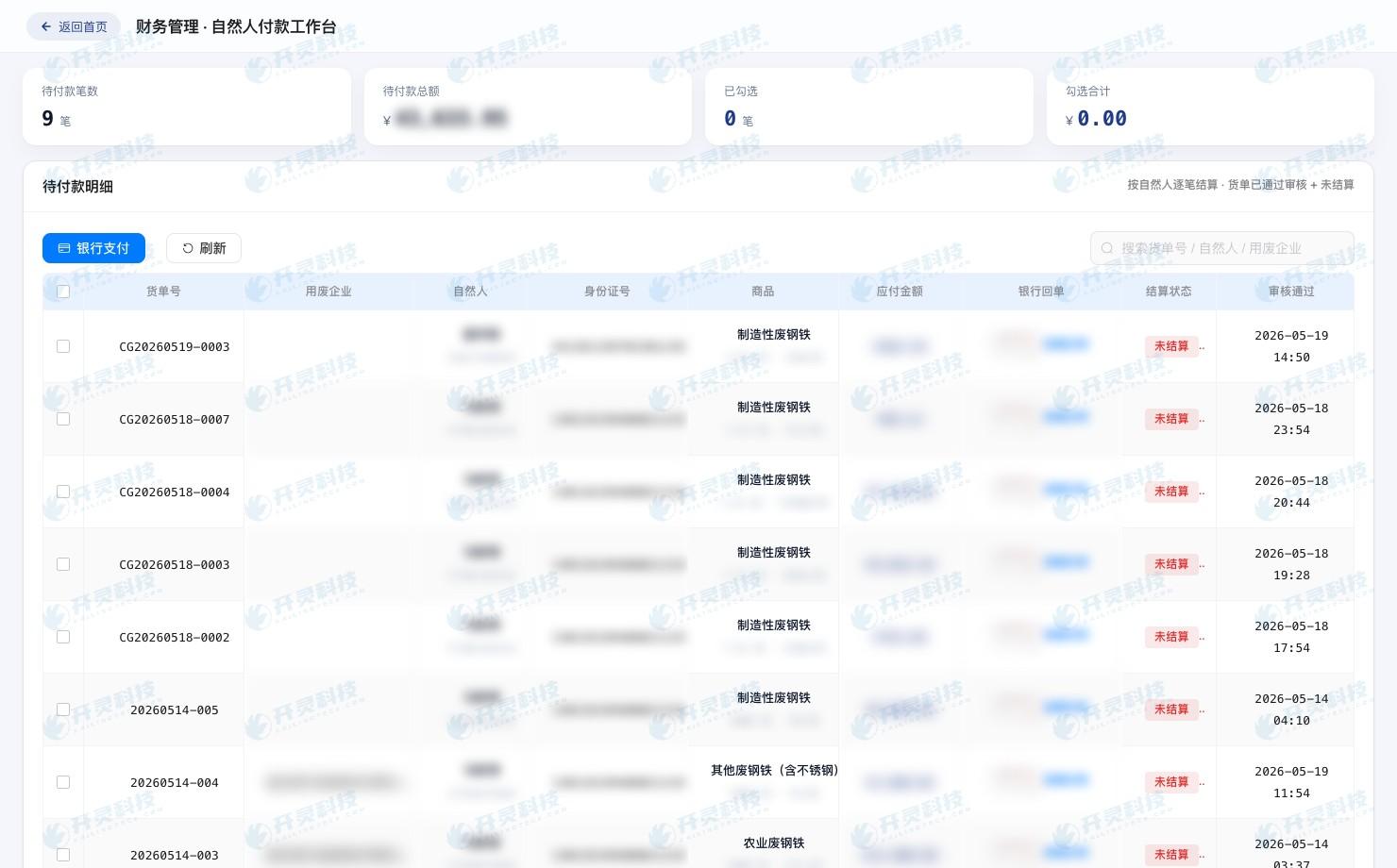
After the enterprise confirms receipt of goods, Kailing first checks qualifications, seller files, consent records, goods and amounts, then sends qualified data to the partner payment platform. The platform generates original transaction and payment records, and calls Leqi capabilities to pre-fill invoices and taxes payable. If any key data is missing, it should stop before payment confirmation, so errors are not continuously amplified by automation.
After the natural person completes platform confirmation, tax payment, payment transfer and invoice issuance occur consecutively. Kailing receives the result of each node: if tax is unpaid, it is not shown as payment completed; if payment succeeds but the invoicing callback times out, it enters the query queue; if the invoice is intercepted, the platform reason is retained and the finance department is notified for handling.
▍IV. Three-flow results enter the five-flow ledger
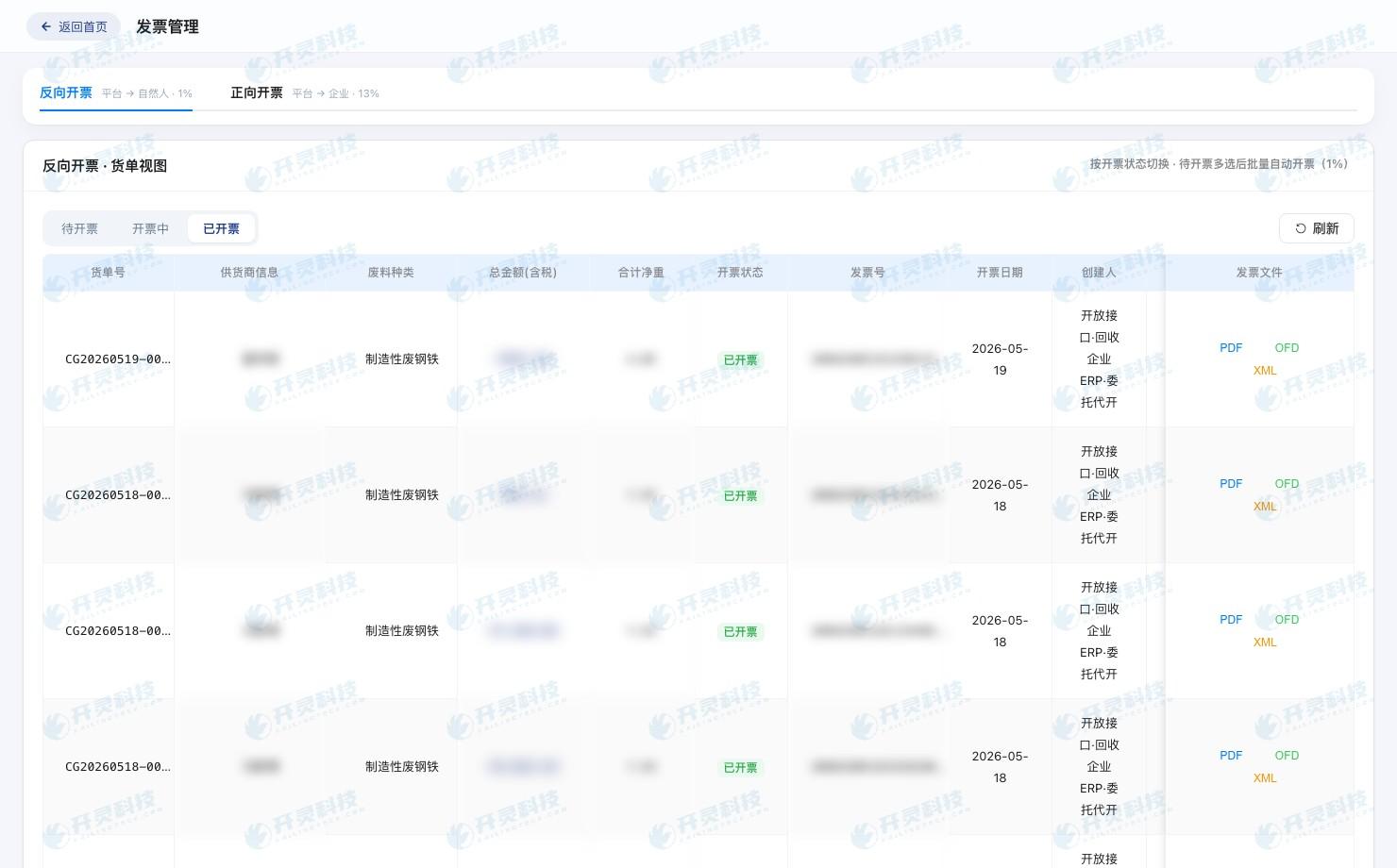
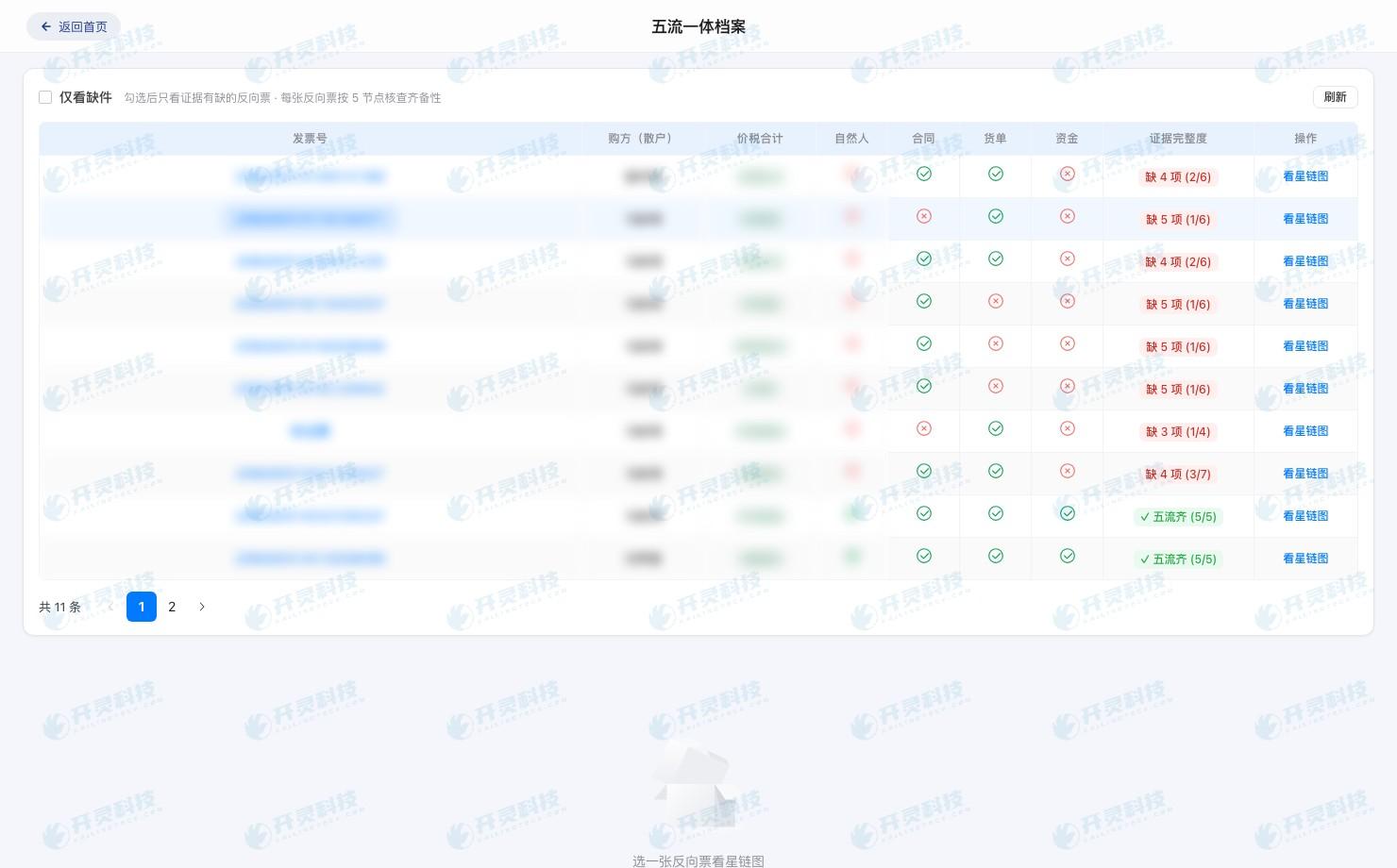
The entity relationships, payment flows, and invoice-tax results formed by the platform meet the processing requirements of three-flow linkage. Kailing incorporates these results into the fund flow and tax flow, and then associates them with the enterprise's existing self-certification materials, contractual agreements, and receipt business to form five-flow evidence. The five flows do not change the 5 million yuan and 600,000 yuan thresholds, nor do they replace the platform's real-time calculations.
When tracing back from a certain invoice, managers can see the individual's identity at the time, cumulative query results, goods receipt, platform order, tax, and payment status. Updates to individual information, red-letter reversals, refunds, or reissuance all retain historical snapshots, avoiding overwriting the original business's basis for judgment at the time with later status.
▍V. Exceptions enter different processing queues by cause
Inconsistent identity information is handed over to business or compliance personnel for verification. When the cumulative amount over 12 consecutive months reaches the boundary, reverse invoicing is stopped. For the annual 600,000 yuan threshold crossing, the platform calculates the prepaid tax amount according to the rules. When the interface temporarily cannot obtain the latest result, it remains pending. Only by separating the reasons can operators take the correct action.
Red-letter reversal and refunds likewise cannot simply offset a cumulative figure. The system retains the original invoice, red-letter handling, platform order, and fund changes, and the subsequent status is determined by the partner platform and tax rules. Kailing is responsible for making the before-and-after records traceable, enabling finance to explain the basis at the time, the current result, and the reasons for differences.
▍FAQ
Q: Are 5 million yuan and 600,000 yuan the same quota?
A: No. The 5 million yuan threshold is used to determine whether an individual can continue to apply reverse invoicing, and the 600,000 yuan threshold is used for the tiered prepayment rate of business income under three-streams-in-one reverse invoicing.
Q: Can an enterprise change the 600,000 yuan to a risk control threshold on its own?
A: Yes, internal warning thresholds can be set, but they cannot change the statutory basis; the final tax calculation should be based on the platform and current rules.
Q: Does reverse invoicing outside three-flow integration also apply the 0.25% rate?
A: Not applicable. According to Announcement No. 12 of 2026, reverse invoicing by other methods still prepays individual income tax on business income at 0.5%.
Q: How does Kailing avoid using old cumulative results?
A: Record the query time and data source. When platform results are missing or conflicting, suspend automatic processing and transfer to manual verification.
Put natural person identity, statutory cumulative standards, and Leqi joint-use platform results into the same business chain. Welcome to visit Kailing Technology: www.kailingteck.com .
As a national high-tech enterprise, Kailing Technology focuses on the digital and intelligent transformation of enterprise business-finance-tax and operations management, providing software products, system integration, implementation and delivery, and operational services for various government agencies, institutions, group enterprises, and SMEs.
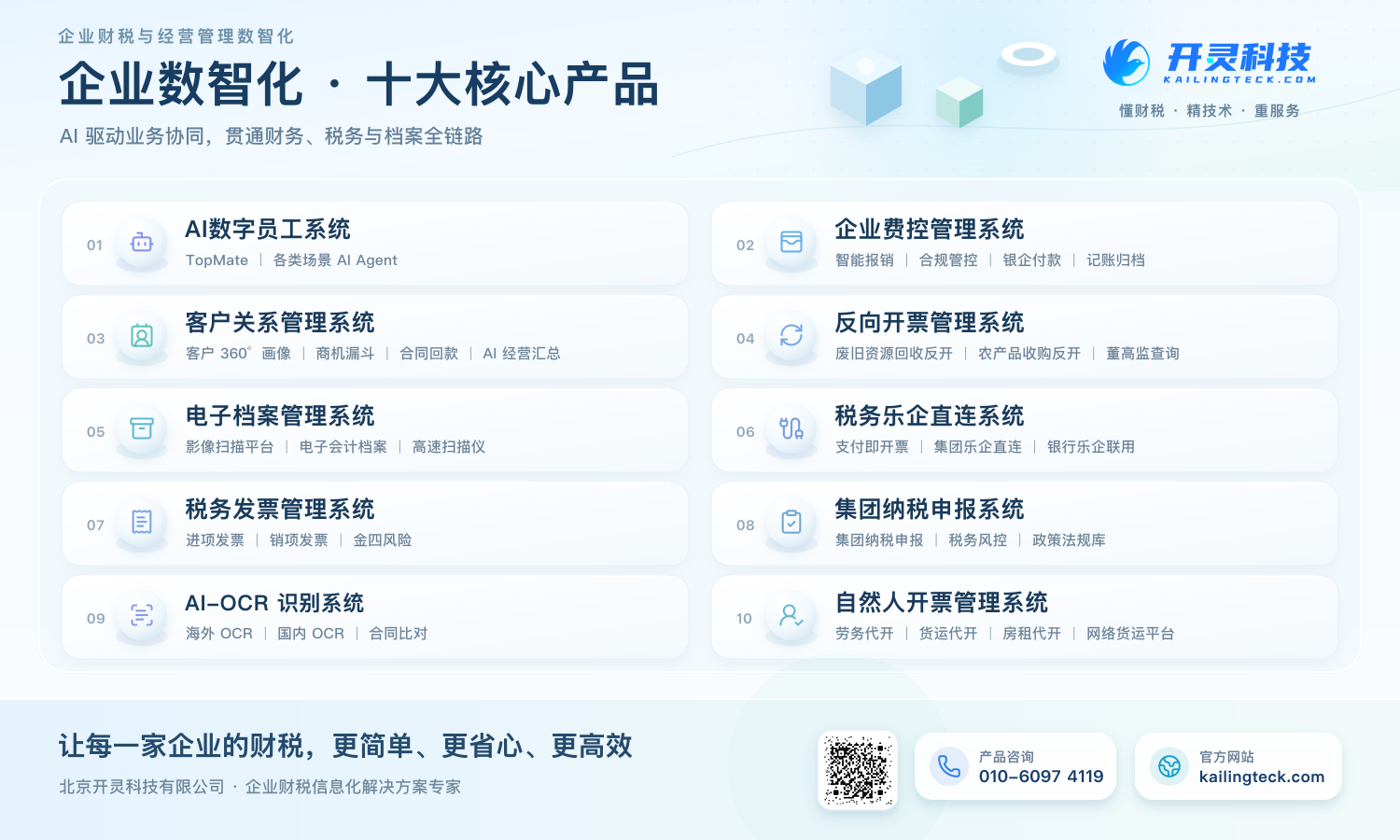
The company has now formed ten core product lines, including: AI digital employee system, enterprise expense control management system, customer relationship management system, reverse invoicing management system, invoice issuance for individuals management system, electronic archives management system, tax fully digitalized e-invoice Leqi system, tax invoice management system, group tax filing system, and AI OCR recognition system. It is committed to connecting enterprise business, finance, tax, funds, and archive data to help customers improve operational efficiency, business-finance-tax compliance capabilities, and digital management levels.
If you have any business-finance-tax digital transformation needs, welcome to contact us. Beijing Kailing Technology will serve you wholeheartedly.
Keywords: Natural person reverse invoicing identity verification, 5 million yuan cumulative, three-stream-in-one 600,000 yuan, reverse invoicing Leqi combined use, Kailing Technology
As a comprehensive business-finance-tax digitalization solution service provider, Kailing Technology provides business-finance-tax management digital transformation products and operational services for various government agencies, institutions, and large, medium, and small enterprises. The product line includes: solutions for sales contract management system, procurement contract management system, fully digitalized Leqi interface project, automatic output invoicing system, reverse invoicing system, invoice issuance for individuals system, employee expense control and reimbursement system, input VAT invoice management system, supply chain collaborative reconciliation system, image AI OCR recognition system, automatic financial bookkeeping system, electronic accounting archives system, etc., comprehensively driving the digitalization process across various fields.
Consultation Hotline: 18513895936 / 010-60974119 Location: Beijing