
In the era of fully digitalized e-invoices, how can finance professionals say goodbye to manual invoicing?
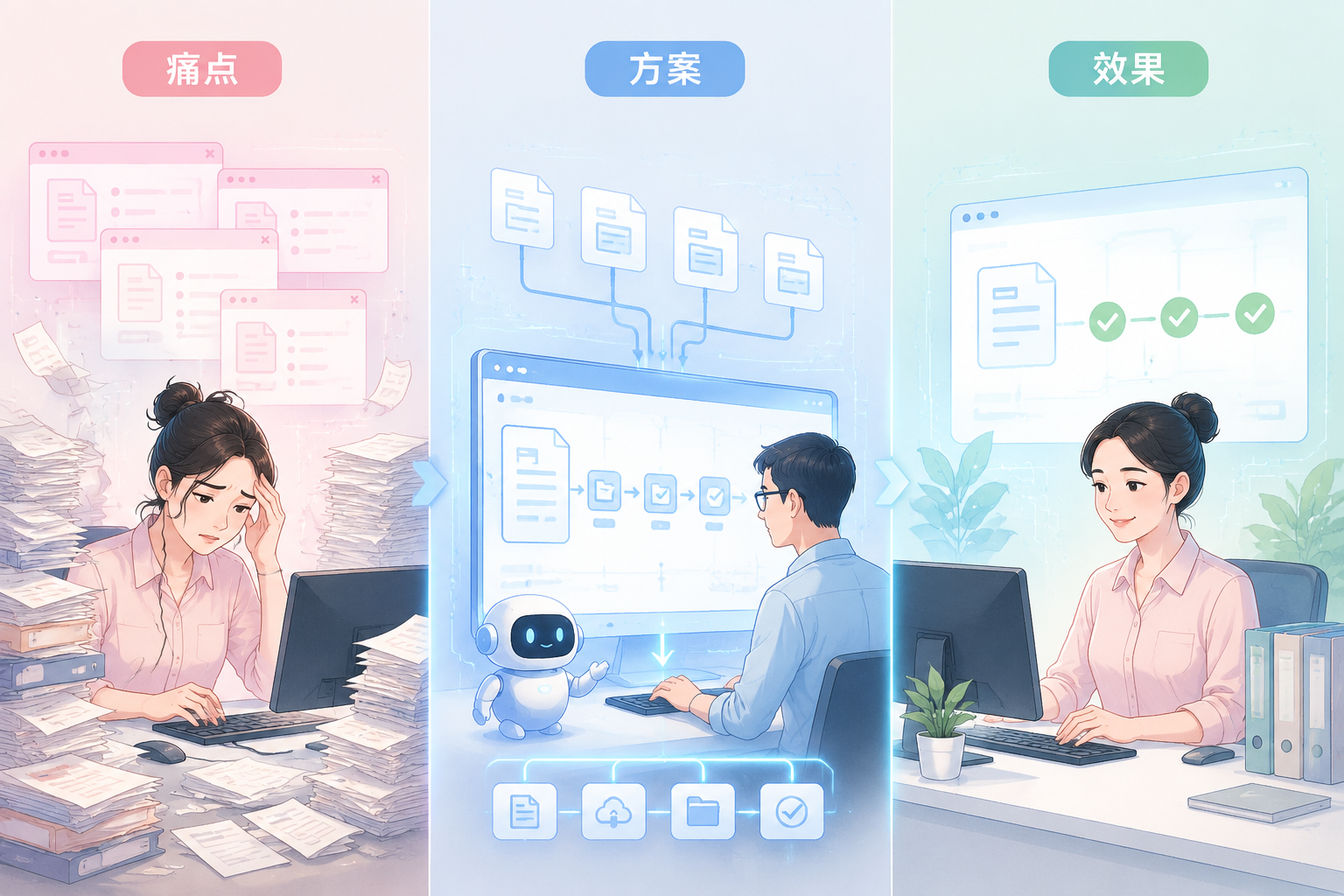
With the comprehensive rollout of fully digitalized e-invoices, how can finance professionals say goodbye to manual invoicing and achieve efficient compliance?
During month-end invoicing peaks, finance personnel manually enter invoice information, which is slow and error-prone, and they also have to deal with tax compliance reviews, making overtime the norm. Invoices not issued in time lead to customer pressure, boss urgency, and even affect payment collection. The full rollout of fully digitalized e-invoices was meant to be an opportunity to reduce burdens, but many enterprises still use traditional manual models and instead fall into the chaos of transitioning between old and new. The solution is to embed the invoicing process into business flows and achieve integrated business-finance-tax operations. Kailing Technology's automated output VAT invoice issuance system connects directly to the tax bureau, supports batch issuance, automatic delivery, and recording upon issuance of fully digitalized e-invoices, turning invoicing from "manual labor" into an "intelligent pipeline."
"Automatic output VAT invoicing is not about entering invoices; it is a compliance project for controlling risk and improving efficiency." |
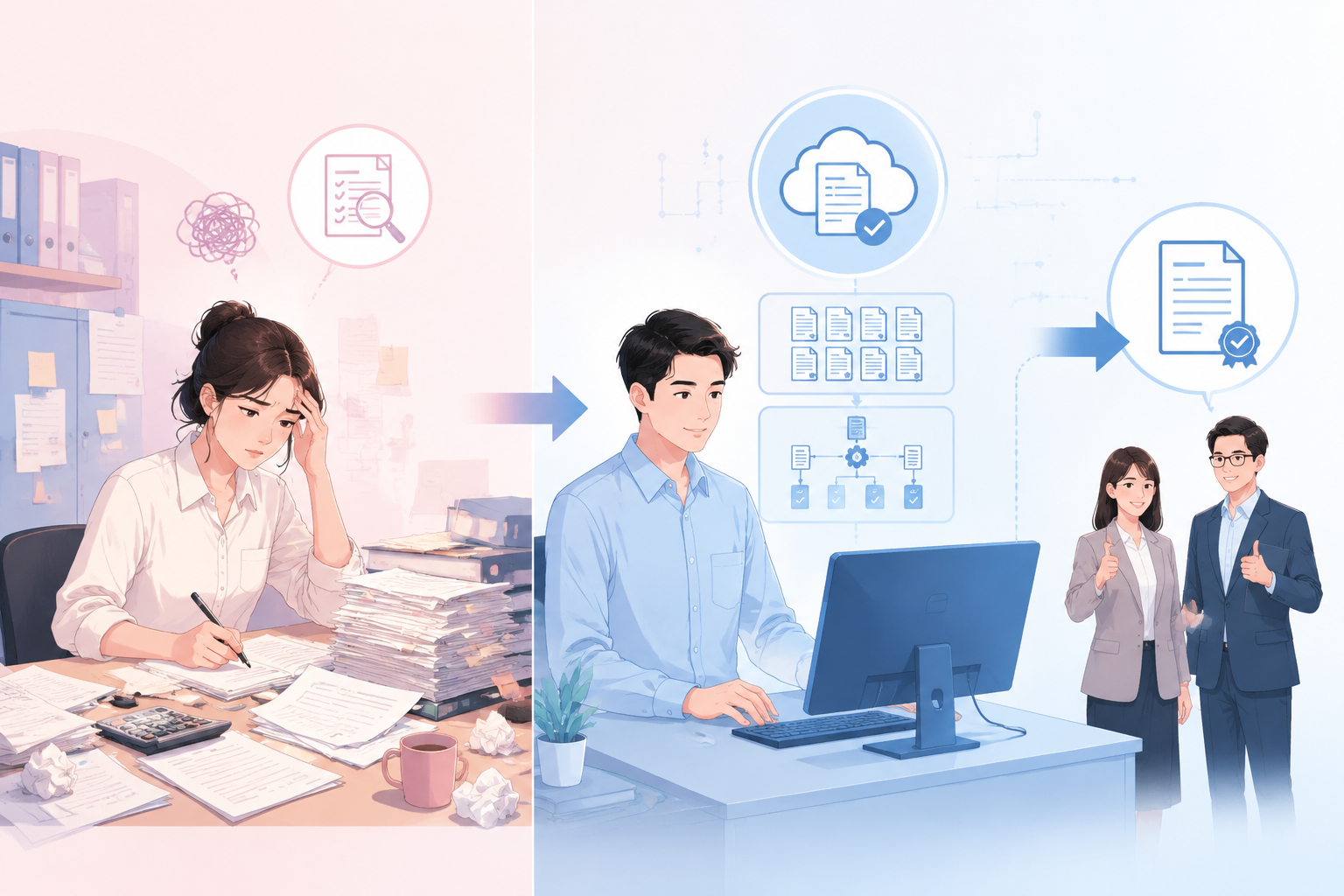
▍1. In the era of fully digitalized e-invoices, why has manual invoicing become an enterprise bottleneck?
Although fully digitalized e-invoices have been fully implemented, many enterprises still rely on manual entry and issuing invoices one by one. According to the Electronic Invoice Management Measures, enterprises must ensure that invoice data is authentic, complete, and tamper-proof. The manual model is not only inefficient but also prone to problems such as invoice face information errors, duplicate issuance, and missed reporting due to human oversight. Especially during business peak periods, invoicing delays directly affect receivables and customer satisfaction. More critically, the regulatory logic of fully digitalized e-invoices has shifted from "controlling tax by invoice" to "governing tax by data," and manual operations can hardly meet the requirements for real-time data synchronization and compliant traceability.
▍II. How does the automatic invoicing system connect directly to the tax bureau for batch issuance?
Through direct connection to the tax bureau, Kailing Technology's output automated invoicing system supports batch issuance and automatic delivery of fully digitalized e-invoices. The system can connect to enterprise ERP and business systems, automatically capture data such as orders, contracts, and shipments, and generate invoices with one click, with no manual intervention. It also supports exception handling such as red-letter reversal and voiding to ensure the invoicing process is compliant. The system also provides invoice pool management to monitor invoicing status in real time and avoid duplicate or missed invoicing. This model not only greatly improves efficiency, but also turns invoicing from "post-event supplementary entry" into "in-process synchronization," seamlessly connecting financial data with business data.
▍III. Invoicing means booking, how to implement business-finance-tax integration?
The Kailing Technology automatic invoicing system not only solves the "invoicing" step, but also realizes business-finance-tax integration through "invoicing as booking." The system automatically generates vouchers and synchronizes them to the financial system, reducing manual entry and verification. Combined with AI OCR intelligent recognition, it can automatically extract invoice information and verify authenticity, ensuring accurate booking data. At the same time, the system supports linkage with modules such as input VAT invoice management and tax filing, forming a full-process closed loop from invoicing and booking to filing. This integrated model frees finance personnel from tedious repetitive work to focus on risk control and business support.
▍IV. Selecting an automatic invoicing system: which points are key?
When selecting, enterprises should focus on three points: first, whether the system directly connects to the tax bureau and can support full lifecycle management of fully digitalized e-invoices; second, whether it has core functions such as batch issuance, automatic delivery, and red-letter reversal; third, whether it can seamlessly integrate with the enterprise's existing ERP and financial systems. Kailing Technology provides Leqi Direct Connection and interface integration solutions that can quickly adapt to the enterprise's existing systems, while also providing value-added services such as AI digital employees to further optimize business-finance-tax processes. In addition, the security and stability of the system are crucial, requiring encrypted data transmission and tiered permission control to meet the compliance requirements of the Measures for the Administration of Electronic Invoices.
Keywords: Fully digitalized e-invoice, automatic invoicing, output VAT invoice, Kailing Technology, electronic invoice, batch invoicing, invoicing system
As a comprehensive business-finance-tax digitalization solution service provider, Kailing Technology provides business-finance-tax management digital transformation products and operational services for various government agencies, institutions, and large, medium, and small enterprises. The product line includes: solutions for sales contract management system, procurement contract management system, fully digitalized Leqi interface project, automatic output invoicing system, reverse invoicing system, invoice issuance for individuals system, employee expense control and reimbursement system, input VAT invoice management system, supply chain collaborative reconciliation system, image AI OCR recognition system, automatic financial bookkeeping system, electronic accounting archives system, etc., comprehensively driving the digitalization process across various fields.
Consultation Hotline: 18513895936 / 010-60974119 Location: Beijing